REVIEW · MUMBAI
Dharavi Tour and Family Lunch
Book on Viator →Operated by Reality Tours & Travel Pvt Ltd · Bookable on Viator
Dharavi surprises you fast, in street-level detail. On this 3-hour walk, you’ll see Dharavi’s workshops and the nearby neighborhoods with an experienced local guide, learning how daily work connects to community life.
I love that the guide brings real street credibility, with locals like Rishi, Shivi, Raj, and Jadev sharing what’s happening right there in Dharavi. I also love the home-cooked vegetarian lunch with a family, and the comfort of a max of 25 people group. One consideration: it’s an intense, close-up experience, and the tour requires good weather—so wear comfortable shoes and be ready for tight lanes.
In This Review
- Key highlights at a glance
- Why Dharavi feels different the moment you start walking
- Dharavi workshops and a festival atmosphere to set the tone
- Residential Dharavi: faith and community close enough to feel real
- The family vegetarian lunch: food, conversation, and dignity
- Guides who bring clarity, humor, and respect
- Price and timing: what $29.50 buys you in Mumbai
- Weather, clothing, and comfort tips that will save you
- Who this tour suits best
- Should you book Dharavi Tour and Family Lunch?
- FAQ
- How long is the Dharavi Tour and Family Lunch?
- What’s the price per person?
- Is lunch included?
- What does the tour include besides lunch?
- Is transportation help included after lunch?
- What about admission tickets?
- What’s the group size limit and is it weather dependent?
Key highlights at a glance
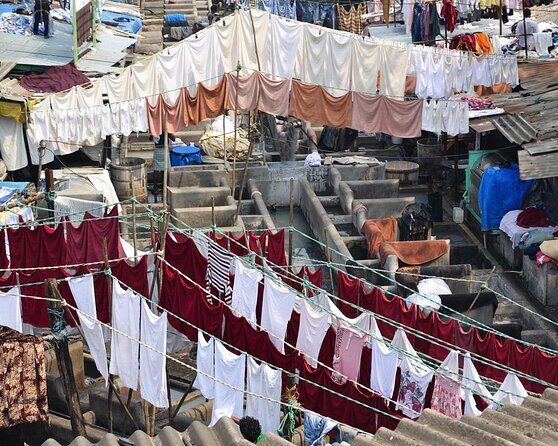
- Real industry work in motion: recycling, pottery-making, embroidery, bakery, soap, leather tanning, papadom-making, and more
- Festival-focused street walking: you start with how locals celebrate, then connect it to everyday life
- Residential areas included: temples, mosques, churches, and pagodas sit side by side in the same lived-in patch
- Family lunch that’s actually part of the story: home-cooked vegetarian food plus conversation
- Guides who live the place: you may be with guides such as Rishi, Shivi, Raj, Jadev, or Javed
Why Dharavi feels different the moment you start walking
Dharavi gets labeled fast from a distance. On the ground, it feels more like an engine room—busy, organized in its own way, and full of people building lives. This tour is set up to give you that shift in perspective early, with a guided walk that ties local work to community routines.
I like how the focus stays on what you can see and understand, not on drama. You’re led through working areas where people make products, repair goods, and run small operations. And you’re also led into residential zones so you can sense that Dharavi isn’t only factories and alleyways—it’s home, with everyday neighbors, faith, and gatherings.
The best part is that your guide isn’t just reciting facts. They’re there to help you read the place with respect: what you’re looking at, why it exists, and how the social side of life connects to the business side.
A few more Mumbai tours and experiences worth a look


Dharavi workshops and a festival atmosphere to set the tone
The tour begins with a walking route inside Dharavi, including a look at how locals celebrate a festival. That opening matters. Festivals change the pace of a neighborhood, and they also make the community feel less abstract—more human, more present, more alive.
As you move, you’ll encounter a range of small industries that keep things flowing. The tour’s scope includes recycling and waste recovery, pottery-making, embroidery, bakery work, soap production, leather tanning, and papadom-making, among other activities. You’ll also see how these industries fit together, not as isolated jobs, but as a network of skills and supply chains.
Practical note: this is a walking tour in a dense area. Even when you’re not constantly moving, the space can feel tight. You’ll want to keep a calm, respectful pace—your guide will manage the flow, but you should plan for close quarters and lots of visual input.
One more thing I’d keep in mind: the point is not to hunt for shock value. The tour is designed to give you nuance, so expect explanations about how work happens, how people earn, and how daily life keeps going.
Residential Dharavi: faith and community close enough to feel real
Later in the walk, you shift from work zones to residential areas. This is where Dharavi stops feeling like a single story and starts feeling like a whole city block of overlapping lives.
You’ll notice the way religious spaces appear alongside homes and street activity—temples, mosques, churches, and pagodas in close proximity. That detail is more than architecture. It’s a cue that people from different parts of India live here together, bringing languages, customs, and faith practices that shape everyday rhythms.
In the residential walk, your guide helps you connect what you saw earlier (industry and making) with what people do to live and worship. That’s the key takeaway: the tour keeps pointing out that the neighborhood’s economy and its community life aren’t separate.
If you’re the type who likes understanding how places work socially, this part is a highlight. It’s also emotionally real in a way that doesn’t feel like pity; it feels like context.
The family vegetarian lunch: food, conversation, and dignity
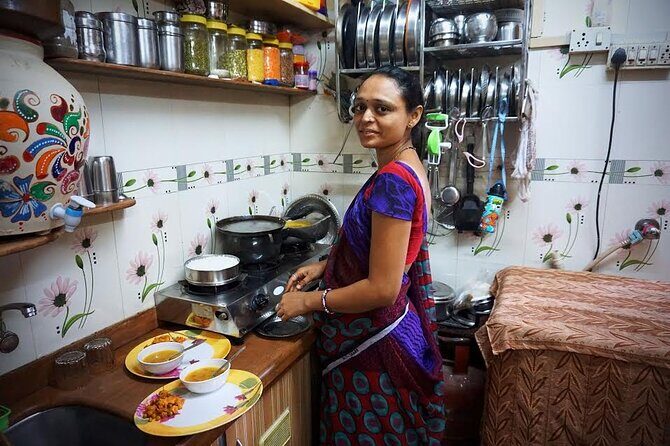
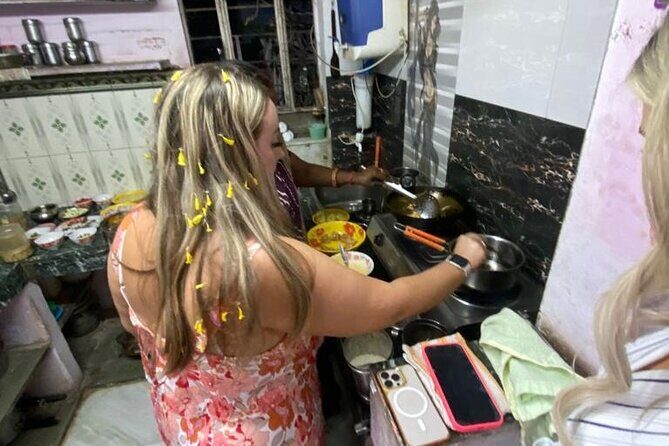
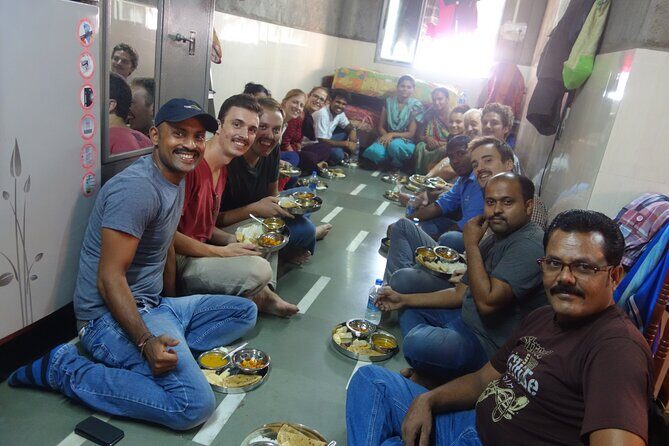
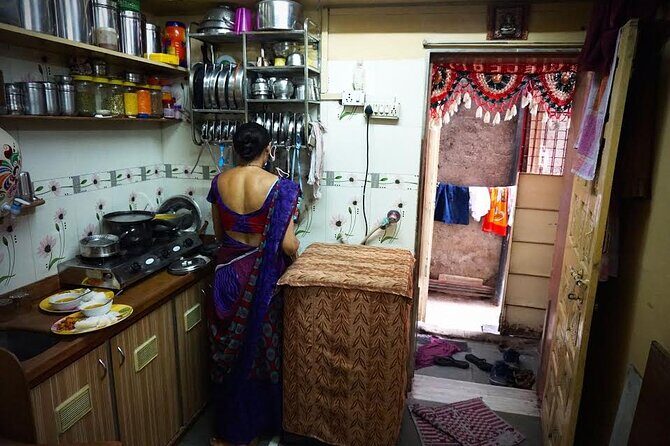
After the walking portion, you’ll head to a nearby family home for a vegetarian meal. This is the part that turns the tour from observation into relationship. You get extra insight into Dharavi, and you also provide direct support for the family through that visit.
In practice, the meal is described as a home-cooked experience, including thali-style food in some cases. Even if the exact menu varies, you can count on the meal being vegetarian and served in a domestic setting rather than a restaurant. That difference changes the tone: you’re no longer a spectator passing through.
What I like about this lunch is that it reframes value. You’re not just paying for sightseeing. You’re supporting income for a local family, and you’re getting context through conversation—how people structure meals, what daily life feels like at home, and how the neighborhood’s identity shows up beyond the streets.
Cultural note: keep expectations humble. This isn’t a curated show. It’s someone’s home and kitchen, so act like a guest and let the experience be simple.
Guides who bring clarity, humor, and respect
The quality of this tour often comes down to the guide. The tour is led by an experienced local guide, and the most praised guides show a common thread: they explain clearly, keep the tone respectful, and make you feel safe while you walk.
From the names that stand out in the guide stories you’ll likely hear, you might be with Rishi, Shivi, Raj, Jadev, or Javed. People describe them as friendly, sometimes humorous, and very helpful throughout the walk—plus comfortable explaining in strong English.
Another detail I appreciate: the tour experience is described as respectful, with no pressure to buy anything. That matters because it lets you focus on learning rather than sales.
If you want to get the most from the day, follow your guide’s lead on questions and boundaries. When the guide says slow down, pause, or pay attention to a specific detail, that’s usually where the meaning is hidden in plain sight.




Price and timing: what $29.50 buys you in Mumbai
At $29.50 per person for about 3 hours, the big value piece is that lunch is included. You’re paying for both guidance through the neighborhood and a family meal experience, not just a route and a photo stop.
This matters because Dharavi tours can range widely in quality and intent. Here, the structure is built around understanding real work and real home life. And the lunch is part of that design, not an add-on.
A few practical logistics that help:
- The group size is capped at 25 travelers, which keeps things manageable in a tight area.
- You’ll get a mobile ticket.
- The meeting point is Reality Tours and Travel at 60 Feet Road, Shahid Bhagat Singh Nagar, Kumbhar Wada, Dharavi.
- After lunch, your guide helps you get transport, including escorting you to a train station if you want to use local rail elsewhere in Mumbai, or helping you with a taxi.
One more small cost note: gratuity isn’t included. So if this experience feels worth it (and it often does), you’ll want to budget for a tip.
Weather, clothing, and comfort tips that will save you
The tour requires good weather. That’s not just about rain. In a crowded neighborhood, damp ground can make paths slick and movements harder. So check the forecast and dress for walking and close quarters.
Bring:
- Comfortable shoes you don’t mind getting a little dusty
- Light layers (Mumbai weather can shift quickly)
- Water if you typically need it, since the tour lasts around three hours
Also, plan your mindset. Dharavi can feel intense, simply because it’s real life at close range. Your best approach is curiosity plus respect. Ask what you want to understand, but don’t treat it like a spectacle.
If you’re traveling with mobility limits, the walking environment may be tough. The tour says most people can participate, but it’s still a neighborhood on foot, so you’ll want to consider how comfortable you are with uneven, crowded lanes.
Who this tour suits best
This is a strong fit if you want Mumbai beyond postcards and want to understand how a neighborhood works at ground level. It’s especially good for:
- People who like guided context and clear explanations
- Anyone interested in small-scale industries and how products move through local systems
- Food lovers who enjoy a home-meal setting over a restaurant
It’s also a good choice for families or mixed-age groups compared with tours that are all about museums and long indoor transfers, because the pacing stays human. Still, the close-up nature of Dharavi means it may not feel relaxing for people who need lots of space.
Should you book Dharavi Tour and Family Lunch?
Book it if you want a respectful, guided look at work and home life in one of Mumbai’s most discussed places. The combination of a focused walking experience, a festival opening, and a family vegetarian lunch is what makes it feel more meaningful than a quick photo tour.
Don’t book it if you’re hoping for a leisurely day with minimal walking or if you can’t manage the idea of tight, intense streets. And if your schedule is weather-sensitive, keep an eye on forecast timing because the tour can be canceled in poor conditions.
If you do book, pick shoes you can wear for three hours, bring a curious attitude, and let the guide set the tone. The best moments usually come when you stop trying to figure it out alone and start listening to the people living the story.
FAQ
How long is the Dharavi Tour and Family Lunch?
The tour lasts about 3 hours.
What’s the price per person?
It costs $29.50 per person.
Is lunch included?
Yes. A vegetarian lunch with a local family is included.
What does the tour include besides lunch?
You get an experienced local guide and a walking visit through Dharavi, including work areas and residential areas, plus time at the start focused on a local festival.
Is transportation help included after lunch?
Yes. After lunch, your guide helps with transport, such as escorting you to a train station or helping you with a taxi.
What about admission tickets?
The tour notes that admission ticket costs are free.
What’s the group size limit and is it weather dependent?
The group has a maximum of 25 people, and the tour requires good weather.