REVIEW · NEW DELHI
From Delhi: 6-Day Golden Triangle Tour (Taj Mahal Sunset/Sunrise)
Book on Viator →Operated by Tour Guide Delhi · Bookable on Viator
Sunrise at the Taj is hard to beat. This 6-day Golden Triangle loop is built around Taj Mahal at sunrise and a tight set of UNESCO stops, with govt-approved guides plus private A/C transport to keep the long days from feeling like pure slog; the one watch-out is that monument entrance fees and meals aren’t included.
I like how the pace is practical: you get major sights, but you also get managed timing—especially the early Taj slot. The tour also focuses on the real mix of India you came for: political and cultural Delhi, Mughal Agra, and Jaipur’s planned-city story. One more consideration: you’ll spend travel time between cities, so pack for comfort and expect mornings to start early.
In This Review
- Key highlights at a glance
- The big idea: why Delhi–Agra–Jaipur in 6 days works
- Day 1 in Delhi: arrival, hotel check-in, and an optional Akshardham half-day
- Day 2: Old Delhi classics plus the UNESCO combo (Red Fort photo stop, Jama Masjid, rickshaw, Rajghat)
- Day 3: Agra arrival and a Mughal-heavy agenda (Agra Fort first, Taj later)
- Day 4: Taj Mahal sunrise at 5:45 AM (and why the early start is worth it)
- Day 5: Jaipur’s Pink City story plus Amber Fort, Jal Mahal, and royal spaces
- Day 6: The finish—Jaipur departure to Jaipur Airport or back to Delhi
- Price and value: what $449 per person really buys
- Hotels, timing, and transport: how the week likely feels on the ground
- Guides and drivers: the best-case scenario you can aim for
- What’s not included (and how to budget like a pro)
- Should you book this Delhi–Agra–Jaipur 6-day tour?
- FAQ
- What’s included in the tour price?
- Are monument entrance fees included?
- Do I get to see the Taj Mahal at sunrise?
- How long is the drive from Delhi to Agra?
- How long is the drive from Jaipur back to Delhi?
- Is this a private tour?
- What does Day 1 include if I arrive early?
- How far in advance can I cancel for a full refund?
Key highlights at a glance
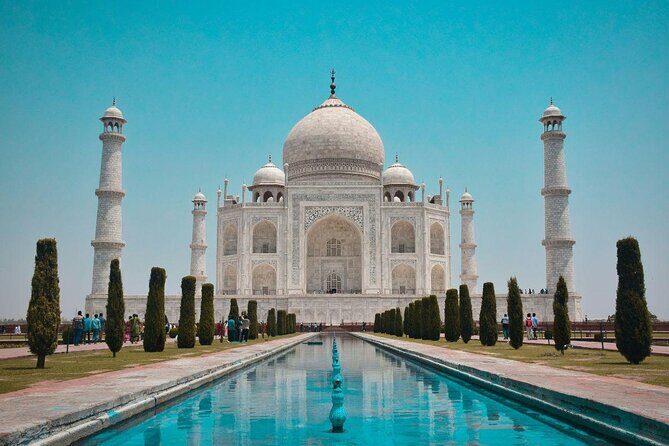
- 5:45 AM Taj Mahal sunrise plan so you see the monument before the crowds and heat set in
- UNESCO World Heritage Sites across Delhi and Agra, not just one “big photo stop”
- Old Delhi meets modern Delhi with a Rickshaw ride through Chandni Chowk
- Agra Fort + Taj Mahal sequencing for a fuller Mughal-era feel
- Jaipur essentials in one day: Amber Fort, Jal Mahal, City Palace, and Jantar Mantar
- Private A/C vehicle and in-city guides to keep transitions smooth
The big idea: why Delhi–Agra–Jaipur in 6 days works
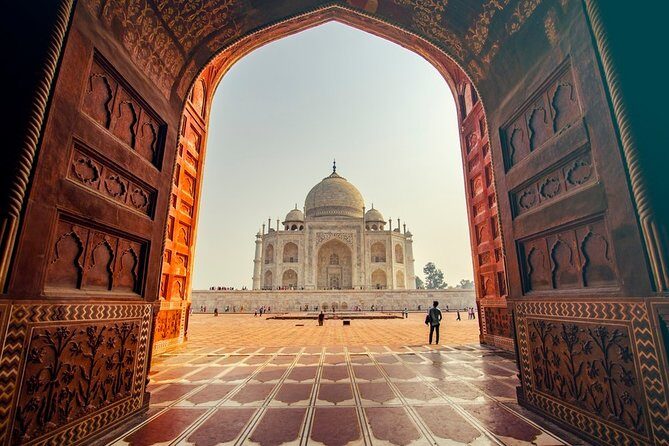
The Golden Triangle is popular for a reason: it concentrates three eras of India in one route—imperial power, romantic monument-making, and royal city planning. What makes this specific 6-day format smart is the way it groups sights by geography and urgency. You’re not bouncing randomly; you’re moving in a logical line: Delhi first, then Agra, then Jaipur, with a morning sunrise highlight that anchors the whole experience.
For you, that matters because time is the real luxury. With only 6 days, you want efficient days that still feel like you’re seeing something meaningful, not just collecting landmarks. This itinerary leans toward that goal: it schedules the heavy hitters early and includes guided time inside the sites.
You can also read our reviews of more evening experiences in New Delhi

Day 1 in Delhi: arrival, hotel check-in, and an optional Akshardham half-day
You start in New Delhi and get help with the transfer to your hotel. After check-in, your schedule goes light, which is exactly what you want if your flights were long. You’ll have the rest of the day at your own pace to settle in, eat when you’re hungry, and adjust to local rhythm.
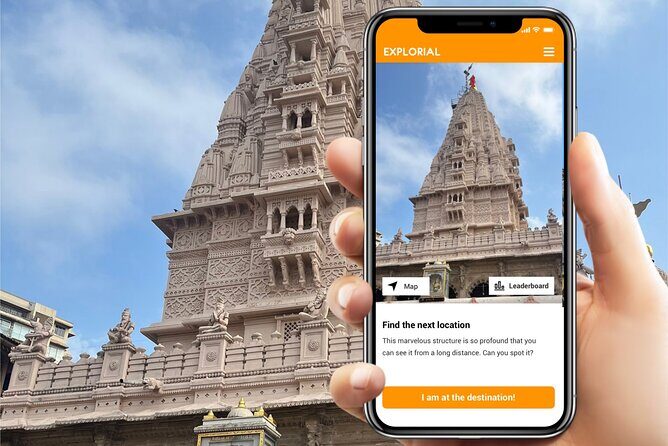
If you arrive early, there’s an optional half-day Delhi sightseeing stop at Akshardham Temple. Even if you’re tired, this is a good “first taste” of modern India with a clean, visitor-friendly setup. It’s also a way to avoid wasting your first full day on paperwork and orientation.
Practical tip: treat Day 1 as your buffer day. Keep dinner simple and aim to sleep early so Days 2 and 4 don’t feel brutal.
Day 2: Old Delhi classics plus the UNESCO combo (Red Fort photo stop, Jama Masjid, rickshaw, Rajghat)
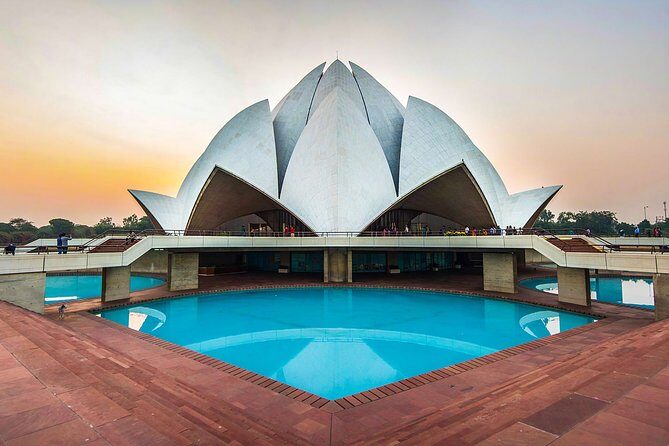
This day is designed to show you the layered heart of Delhi. It starts with a guided Old & New Delhi sweep that includes a Red Fort photo stop, Jama Masjid (India’s biggest mosque), and a rickshaw ride in Chandni Chowk. The Rickshaw segment is the kind of local wayfinding that you can’t fully replicate on your own without time-wasting detours.
From there, you’ll move through memorial space with Rajghat, the memorial associated with Mahatma Gandhi. It’s not just a quick look. The point is to understand how public memory is built right into city geography.
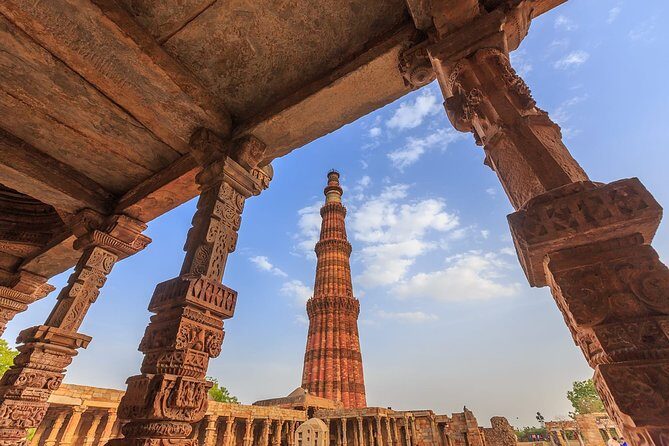
Then you get into major UNESCO terrain with Humayun’s Tomb and Qutub Minar. This is a classic “Delhi of stone” pairing: one site reflects Mughal funerary architecture, and the other represents the early historic monument-building era. Having both with guided context helps you notice differences instead of just photographing towers and domes.
What to consider: this is a long day (listed around 7 hours). Wear shoes that survive uneven pavement, and keep water handy even though bottled water is provided.
Day 3: Agra arrival and a Mughal-heavy agenda (Agra Fort first, Taj later)
After breakfast, you head to Agra by expressway, with the drive taking about 3–4 hours. Arriving in Agra sets you up for the next stage of the story: Mughal power made visible through architecture.
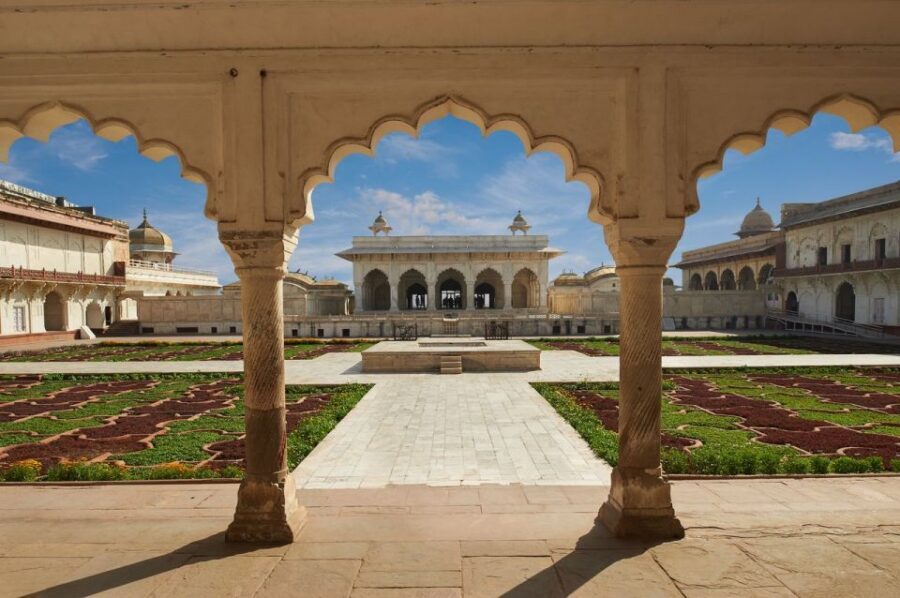
Once you check in and meet your guide, the day starts with Agra Fort. This sequencing matters. You’ll start with the fortress and imperial center before going to the most famous mausoleum. It changes how you interpret the Taj Mahal, because you see it as part of a larger system of rule, residence, and display—not only as a stand-alone postcard.
The broader Agra picture also includes other UNESCO-linked sites like Fatehpur Sikri, which is often paired with Taj-area travel in this region’s Golden Triangle logic. Even if you don’t get every angle of every site, the itinerary is clearly aiming at the “Mughal big three” atmosphere: Taj Mahal, Agra Fort, and the historic city site nearby.
Practical tip: Day 3 is usually where you’ll feel the first “big monument fatigue.” Pace yourself. Take breaks. Don’t try to memorize everything your guide says—write down just the key points that stick, like why each structure was designed the way it was.
Day 4: Taj Mahal sunrise at 5:45 AM (and why the early start is worth it)
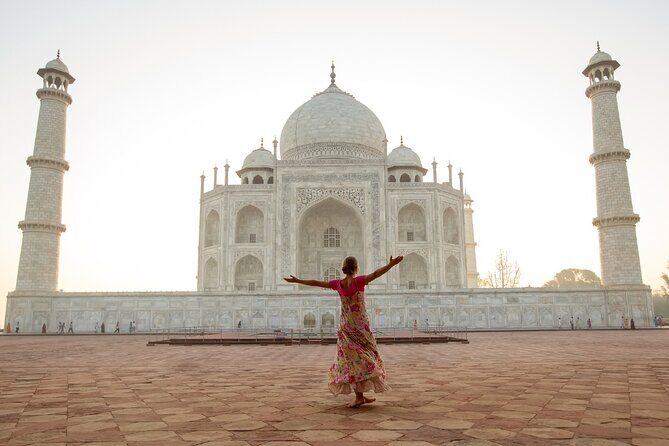
This is the centerpiece day. You meet your guide at 5:45 AM and go straight for the sunrise Taj Mahal visit. Sunrise isn’t just for the photo. The Taj Mahal’s look changes with the light, and the morning timing helps you experience the site before it becomes an endurance test.
You’ll get guided context at the site about the Taj Mahal’s Mughal architecture and garden design—especially the idea of paradise-like symmetry. You’ll also learn the basic story: it was built as a mausoleum for Mumtaz Mahal (Arjumand Bano Begum), commissioned by Shah Jahan, built between 1632 and 1653, with Mumtaz Mahal dying in 1631. That timeline is useful because it turns the monument from an image into a crafted project with a real human backstory.
After the sunrise visit, you return to the hotel to freshen up and have breakfast.
What I like about this setup for you: it protects the emotional payoff. If you arrive later in the day, the Taj can turn into another crowded checklist item. Here, the morning plan gives it weight.
What to consider: you’ll be up early twice during the week—Delhi can already feel intense, and Day 4 ramps up the early schedule. Bring something warm enough for early morning air, even in warmer months.
A few more New Delhi tours and experiences worth a look






Day 5: Jaipur’s Pink City story plus Amber Fort, Jal Mahal, and royal spaces
You travel from Agra to Jaipur after breakfast, with the guided day focused on the city’s major heritage highlights. Jaipur is often called the Pink City because of the color of many older buildings, and here you’ll get the origin story too: it was painted pink to honor the visit of Prince Albert of England in 1882, which is a fun example of how international events can echo in local city identity.
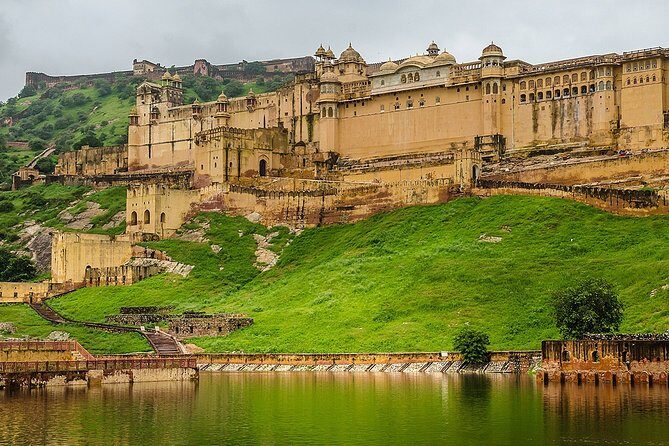
The day starts with Amber Fort, which is an extensive palace complex with courtyards. If you’ve only ever thought of forts as defensive structures, Amber helps you see them as royal living spaces—built for power, ceremony, and comfort.
Next comes Jal Mahal, the water palace in the middle of Man Sagar Lake. Even if you mostly see it from viewpoints (not inside), it adds a different mood to Jaipur’s fortress-heavy visuals. It’s also a good photo stop that breaks up the heavier walking.
Then you visit City Palace, including Chandra Mahal and Mubarak Mahal, plus other buildings connected to the Maharaja’s seat and royal residence.
You also get Jantar Mantar, Jaipur’s famous astronomical area, known for large stone instruments built to measure the sky. A guided explanation helps here because it’s easy to treat it as art instead of understanding how it was used.
Day length note: this day is listed around 7 hours. Plan for steady walking and heat management. If you’re the type who likes to linger, you’ll need to accept that this tour moves at a sightseeing pace.
Day 6: The finish—Jaipur departure to Jaipur Airport or back to Delhi
After breakfast, your day is built for departure. You’ll head toward Jaipur Airport or back to Delhi (about 5 hours) and get dropped at your hotel, Delhi Airport, railway station, or a desired location in Delhi/Noida/Gurgaon.
This is a decent ending because it’s structured around your next travel step, not another big sightseeing sprint. I like that you’re not stuck with an extra half-day of random stops the day you need to catch a flight or train.
Price and value: what $449 per person really buys
At $449 per person for about 6 days, the value comes from what’s included, not just the monuments. This price covers:
- hotel pick-up and drop
- an experienced licensed driver
- govt-approved guides in each city
- private air-conditioned transport
- bottled water bottles for the route
- hotel stays in 3/4/5 star categories (based on your option)
- breakfast (5)
What’s not included is where you need to plan ahead: monument entrance fees and lunch/dinner. Those costs can add up across multiple UNESCO sites, and it’s easy to underestimate your total daily spend if you assume everything is covered.
Still, if you’re traveling as a couple or a small group and you want an organized Golden Triangle without having to plan logistics every day, this package structure is sensible. You’re paying to remove stress from navigation, timing, and guide coordination.
Hotels, timing, and transport: how the week likely feels on the ground
Because you’re using a private A/C vehicle between cities, you avoid the most annoying part of the Golden Triangle: long public transport transfers plus complicated ticket coordination. The itinerary is also built to make the most of each city day, with guided time stacked into blocks.
Where it can feel tough is the rhythm:
- early mornings for key sights (especially the Taj sunrise)
- a full guided day in Old Delhi/UNESCO Delhi
- a transition drive to Agra
- a long Jaipur heritage day
If you like a slower vacation, this may feel like a lot. If you like seeing the main sites with a clear schedule and minimal hassle, it’s a strong fit.
Guides and drivers: the best-case scenario you can aim for
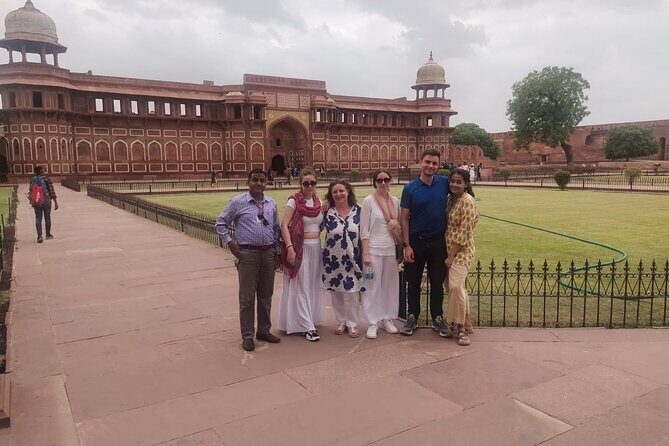
This tour is explicit about licensed driving and service of guides with broad city knowledge. In the feedback shared about this operator, names like Sonia show up for hands-on attention, and Mr. Shiva is highlighted as an excellent driver. There’s also mention of a guide named Vivek who helped with options and guidance for a first trip to India.
I can’t promise you’ll get the same people, but the pattern is clear: the company puts effort into people, not just vehicles and tickets. For you, that matters at UNESCO sites where context turns photos into real understanding.
What’s not included (and how to budget like a pro)
Plan extra money for:
- monument entrance fees
- lunch and dinner
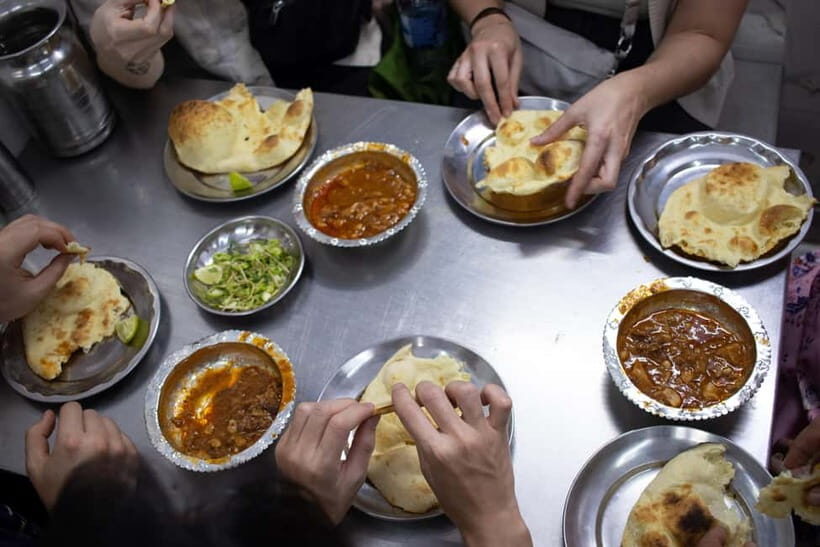
Even if you’re on a tight schedule, you’ll be happier if you pre-decide how you’ll handle meals each day. Pack a small snack for long guided stretches, especially on Days 2 and 5, since those are the longest sightseeing blocks.
Also remember: some of the most famous places in this route can have variable viewing conditions. The sunrise plan helps, but you still need flexible expectations on how the day unfolds once you arrive.
Should you book this Delhi–Agra–Jaipur 6-day tour?
If your goal is a first-time Golden Triangle that hits the big icons with guided context, this is a solid booking. The Taj Mahal sunrise timing is the standout value driver, and the mix of Old Delhi + UNESCO plus Jaipur’s planned-city story gives you more than a hit-and-run checklist.
Book it if:
- you want private air-conditioned transport and don’t want to manage logistics daily
- you care about guided explanation at major monuments
- you’re okay with long days and early wake-ups
Skip it or adjust your expectations if:
- you hate early starts
- you want lots of free time to roam without a schedule
- you prefer to handle monument tickets and meal planning yourself without package assumptions
FAQ
What’s included in the tour price?
The tour includes hotel pick-up and drop, an experienced licensed driver, knowledgeable guides, water bottles, private air-conditioned transportation, hotel stays in 3/4/5 star options, and breakfast (5).
Are monument entrance fees included?
No. Monument entrance fees are not included, so you’ll need to pay separately for tickets at the sites.
Do I get to see the Taj Mahal at sunrise?
Yes. You meet your guide at 5.45 AM for a sunrise visit to the Taj Mahal, then return to the hotel for breakfast.
How long is the drive from Delhi to Agra?
The drive takes about 3–4 hours via the expressway.
How long is the drive from Jaipur back to Delhi?
It’s approximately 5 hours to return to Delhi. You can also be dropped at Jaipur Airport.
Is this a private tour?
Yes. It’s private and only your group participates.
What does Day 1 include if I arrive early?
If you arrive early, you can add a half-day Delhi sightseeing visit to Akshardham Temple.
How far in advance can I cancel for a full refund?
You can cancel up to 3 days in advance for a full refund, and for a full refund you must cancel at least 3 full days before the experience’s start time.
If you want, tell me your travel month and whether you’re more into photography, history, or food. I can suggest how to time your meals and what to prioritize each day so the schedule feels comfortable.