REVIEW · MUMBAI
Full day city tour of Mumbai with guide & lunch
Book on Viator →Operated by 5 Senses Walks · Bookable on Viator
Mumbai, in one well-run day. I like that this tour blends big-name sights with real local scenes, including Dhobi Ghat and Crawford Market, without wasting time figuring out crowded streets. I also love the temple stop at Siddhivinayak, plus the way the day is paced around short, specific visits instead of one long slog. One thing to plan for: you’ll need to follow the worship dress code (no shorts or sleeveless tops; shoulders and knees covered), and it’s still a full 8-hour day.
This is priced as a guided, all-day city circuit with lunch and admission tickets handled for you. With a start time of 8:00 am and hotel pickup offered from selected areas, it’s built for travelers who want highlights plus context, not guesswork. If you’re visiting from a cruise or only have one day on land, this kind of structure can save your feet and your sanity.
The day naturally follows Mumbai’s layers: laundry work, produce shopping, UNESCO-listed Gothic architecture, sea views, and then one of the city’s most important Ganesh temples. Along the way, I especially appreciate that the guides (people like Pankaj Gupta and Sharan are often mentioned) tend to explain what you’re seeing in plain language, and they handle the practical stuff that usually slows you down.
In This Review
- Key things to know before you go
- A single day in Mumbai that actually saves your energy
- Price and logistics: what you get for $120
- Dhobi Ghat: the world’s biggest open-air laundry stop
- Crawford Market: fresh produce, festive shopping energy
- Chhatrapati Shivaji Terminus and Rajabai Clock Tower: UNESCO Victorian Gothic in action
- Gateway of India to Hanging Gardens: sea air, landmark photos, and a green break
- Shree Siddhivinayak Temple: cover up, slow down, and respect the rhythm
- Lunch and pacing: how to make 8 hours feel manageable
- Who this Mumbai highlights tour is best for
- Should you book this Mumbai highlights day?
- FAQ
- FAQ
- How long is the Mumbai city tour?
- What’s included with the tour price?
- Is pickup from my hotel available?
- Where does the tour start and what time does it begin?
- Are admission tickets included for each attraction?
- Is lunch included, and are drinks included?
- What should I wear for the temple visit?
Key things to know before you go
- Dhobi Ghat is the main character: an 1890 open-air laundry tied to thousands of washermen.
- Markets with stories: Crawford Market is good for shopping energy and quick culture hits.
- UNESCO architecture stops: Chhatrapati Shivaji Terminus and Rajabai Clock Tower give you Victorian Gothic Revival.
- Sea views at Hanging Gardens: quick green break with Arabian Sea perspective.
- Siddhivinayak is more than a photo stop: a high-meaning worship experience for Ganesh.
- Admission + lunch are included: fewer add-on costs, fewer decisions during the day.
A single day in Mumbai that actually saves your energy

Mumbai can be a lot on the senses. Even if you’re street-smart and motivated, the time drain is real: traffic, crowds, and figuring out where to go next. This tour’s big advantage is simple—you’re not doing any of that planning. A guide keeps the route moving and helps you understand what’s worth noticing as you pass from one part of the city to another.
I like that the day is broken into manageable chunks. You get a sequence of stops with set time windows—think short visits at landmarks and a longer moment where it matters, like the temple. It’s not a “see everything” promise; it’s a highlights run that aims to leave you informed, not exhausted.
Another plus for your first trip: the itinerary covers different Mumbai moods in one shot. You’ll go from working life at Dhobi Ghat to colonial-era architecture around Fort to a major religious site for Lord Ganesh. That mix gives you a fuller picture than only doing monuments.
If you’re the type who enjoys walking streets, markets, and buildings, you’ll get a lot out of this. If you want a slow, shaded day with minimal crowd exposure, you might find the pace a bit intense.
You can also read our reviews of more guided tours in Mumbai


Price and logistics: what you get for $120
At $120 per person, the tour isn’t cheap in absolute terms, but it’s also not inflated for what you’re getting: a guided full day with lunch, hotel-style pickup (from selected hotels), and admission tickets included across the main stops. For one-day sightseeing, that combination matters. It reduces decision fatigue (no hunting down ticket booths, no “what does this cost?” mid-day).
Duration is listed as about 8 hours, which is long enough to feel like a complete experience, but not so long that you’re stuck doing endless travel in one seat. You’ll also have a mobile ticket, and the tour offers group discounts, which can help the math if you’re traveling with friends.
The tour is described as private, meaning only your group participates. That usually improves comfort and timing: you’re less likely to feel like you’re trapped in a large crowd with no ability to ask questions. Still, you’ll be in public spaces with other people—especially at places like the Siddhivinayak temple—so bring patience as part of your packing list.
Bottom line on value: if you want a guided day that covers major sights plus everyday Mumbai, and you don’t want to pay extra for every ticket, this price can make sense.
Dhobi Ghat: the world’s biggest open-air laundry stop
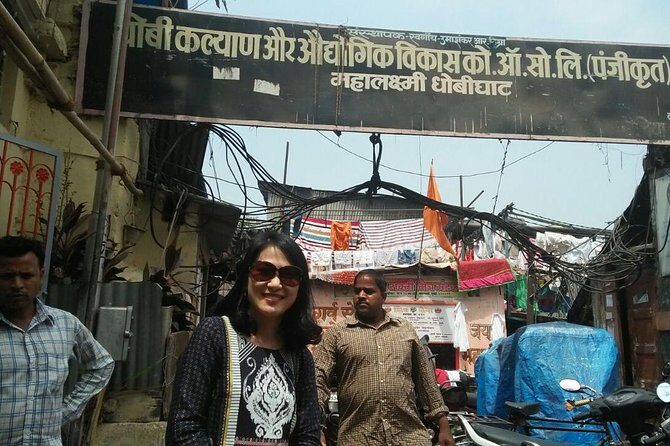
This is the kind of stop that makes you look twice. Dhobi Ghat, built in 1890, is described as the world’s biggest open-air laundry, and it’s still active. The tour points out that it involves around 7,000 washermen, which is a staggering number when you stand in the middle of it.
What you’ll experience here is not a staged museum vibe. It’s a working place, so the details matter: the scale, the routines, the way the whole operation keeps moving. Even if you don’t know much about laundry practices, you can learn a lot just by watching how the system functions and how long people have relied on this setup.
The time block is about 30 minutes, which is enough for a good look without turning it into a rushed glance. Admission is included here too, so you won’t need to manage that cost or logistics on the spot.
Possible drawback: because this is a live working area, it’s not a “slow, quiet” photo stop. Expect crowds, activity, and real-life conditions. Wear shoes you can stand in for a bit, and keep your phone hand ready but respectful.
Crawford Market: fresh produce, festive shopping energy
Next up is Crawford Market, one of the city’s best-known places for fresh produce like fruits and vegetables. The tour also highlights its role in festive shopping, plus the fact that you can find bargains not just for food but for practical items—like crockery, chocolates, and even pets. Yes, pets.
This stop is valuable because it shows Mumbai’s everyday economy. Landmarks tell part of the story; markets tell the rest. You’ll get a quick feel for local shopping rhythms, and your guide can usually translate what you’re seeing—what’s common, what’s special, and how the market functions as a social hub.
Your visit is around 45 minutes, so you can browse without getting stuck. And since admission tickets are included, you can spend your time looking instead of checking rules or paying on arrival.
One consideration: markets can be crowded and a bit tight inside. If you’re sensitive to noise or want lots of personal space, you may have to slow down and give yourself room to move. But if you like real street life, this is one of the better stops for connection.
Chhatrapati Shivaji Terminus and Rajabai Clock Tower: UNESCO Victorian Gothic in action
Now you shift into architectural Mumbai. Chhatrapati Shivaji Maharaj Terminus (CST) is a UNESCO heritage site and a standout example of Victorian Gothic Revival architecture. The tour specifically notes how Gothic elements blend with themes derived from Indian traditional arc… and that fusion is part of what makes CST interesting to look at rather than just admire from afar.
You’ll get about 45 minutes here, including time to take in the building’s scale and details. It’s the sort of place where a guide helps a lot. Without explanation, you can still enjoy the exterior, but with context you start noticing how the design reflects different influences.
Then you head to Rajabai Clock Tower, also described as a UNESCO heritage site and nicknamed the Big Ben of Mumbai. It’s located in the Mumbai University complex and is about 125 years old. The clock tower stop is shorter—around 20 minutes—but it’s still worth it. Rajabai gives you another angle on the colonial-era “gothic meets India” theme, and it helps you see Mumbai’s architecture as a system, not random monuments.
Practical tip for these stops: bring your attention more than your camera. The details are where the value is—arches, lines, and the way the building materials and shapes read differently depending on the light.
You can also read our reviews of more city tours in Mumbai





Gateway of India to Hanging Gardens: sea air, landmark photos, and a green break
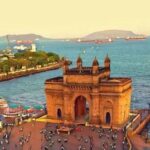
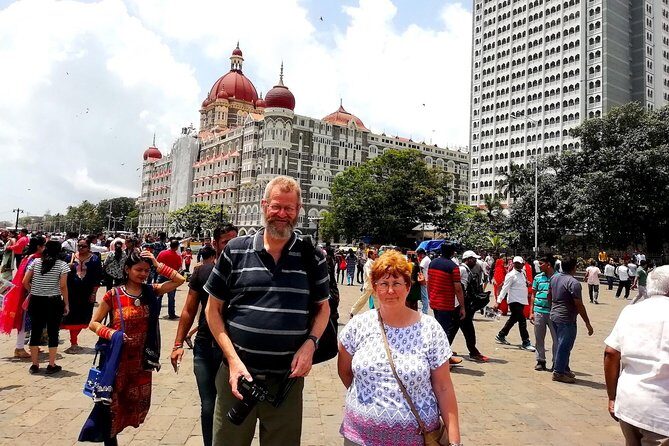
The Gateway of India is one of the most recognizable structures in the city. The tour notes it was built to welcome King George V and Queen Mary in 1911, and it’s described as a triumphal arch. If you’ve seen photos before, it helps to see it in person because the scale and setting make it feel more like a stage than a standalone monument.
You’ll have about 45 minutes here. That’s enough for photos, a short soak of the atmosphere, and time to hear your guide’s take on why this monument became such a symbol in Mumbai’s story.
From there, you go to Hanging Gardens, a green pocket dedicated to Pherozeshah Mehta, a prominent Parsi political leader. The tour also calls it one of the rarer green spaces in Mumbai and notes spectacular views of the Arabian Sea. This is one of the best “reset” moments during the day. You go from stone and crowds to a bit of air and view, and you’ll feel less fried by the time you reach the temple.
This stop is about 30 minutes. That’s perfect for a breather and a few photos without turning it into a half-day nature walk.
Consideration: the city moves fast around the coast. If it’s hot or bright when you go, plan for sun and hydration—though beverages aren’t listed as included, so bring your preferences if you want a specific drink.
Shree Siddhivinayak Temple: cover up, slow down, and respect the rhythm
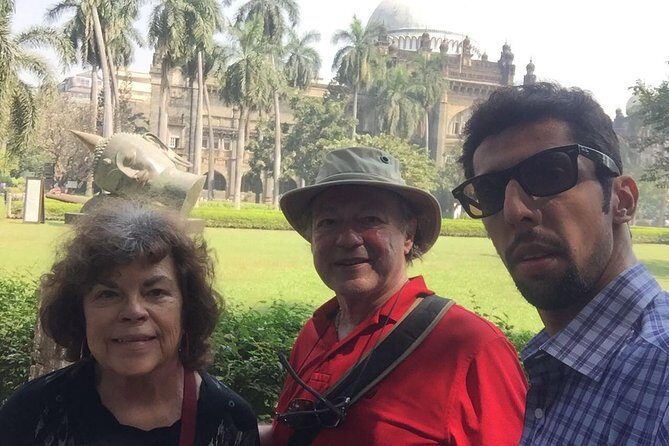
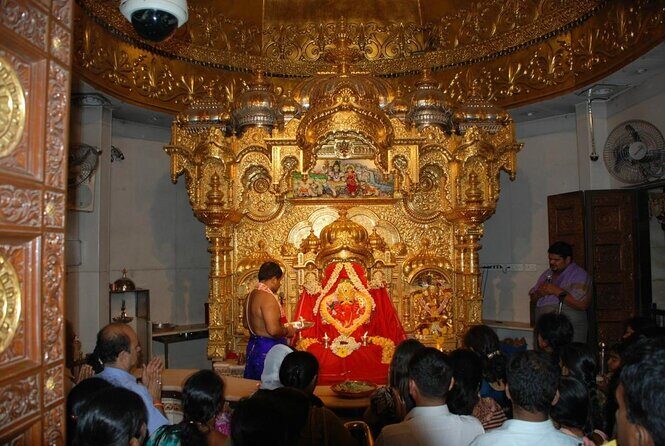
The final major stop is Shree Siddhivinayak, dedicated to Lord Ganesh. The tour notes the temple is more than 200 years old, and it highlights a striking detail: the idol is made out of a single black stone.
This is the most meaningful stop of the day for many visitors. It’s not just about architecture or a famous location. It’s about worship—prayer, attention, and the emotional energy of a living sacred place.
You’ll have about 1 hour here, and admission is included. That time matters because temples are not “rush-through” sites. Even if you’re only planning to observe, you’ll need space to enter properly, understand where you’re allowed to stand, and follow the flow without blocking other worshippers.
Dress code is required: no shorts or sleeveless tops, and knees and shoulders must be covered for both men and women. Don’t treat this as a suggestion. If you show up unprepared, you might end up stressed at the start of the temple visit.
If you like cultural context, this is where a good guide really earns their fee. Expect explanations about what you’re seeing and why this temple holds such a strong place in Mumbai.
Lunch and pacing: how to make 8 hours feel manageable
Lunch is included, and that’s a big deal. After a long morning of walking and reading city details, having food handled makes the afternoon easier. The tour also notes beverages are not included, so you’ll likely want to have a plan for drinks—especially if you’re sensitive to heat.
As for pacing, this day is “short and varied.” Dhobi Ghat (30 minutes) to Crawford Market (45) to CST (45) to Rajabai (20) to Gateway (45) to Hanging Gardens (30) and then Siddhivinayak (1 hour). That structure is what keeps it from feeling like one long grind. You’re never stuck at one place for too long.
For you, the practical prep list is simple:
- Wear comfortable walking shoes.
- Bring something to cover up for the temple (you must cover shoulders and knees).
- Keep a small bag for essentials so you’re not constantly adjusting what you carry.
- Expect crowds at major sights and give yourself room to move.
One more small note: the tour offers pickup from selected Mumbai hotels, but you’ll also see a listed start point at Mumbai Port Authority in the Fort/Kala Ghoda area with a 8:00 am start. If pickup isn’t available for your location, you’ll want to get to the meeting area early.
Who this Mumbai highlights tour is best for
This tour is a smart fit if you:
- have one day in Mumbai and want the biggest sights plus a couple of “real life” stops
- prefer a guide to handle route flow, tickets, and explanations
- like architecture and city symbolism (CST, Rajabai, Gateway)
- want one spiritual anchor at the end (Siddhivinayak)
It can also work well if you’re visiting from a cruise or you’re staying near the Fort/Colaba side, since you’ll be operating around major central landmarks. And if you enjoy food-and-market culture, Crawford Market gives you a quick taste of shopping life beyond monuments.
If you’re the type who wants free time every hour to wander on your own, you might find the scheduled nature limiting. Also, if you’re uncomfortable with temples or religious spaces, the dress code and the worship setting mean you’ll need to approach it thoughtfully.
Still, for most first-timers, it hits a useful balance: famous sights, plus a glimpse into how Mumbai works day to day.
Should you book this Mumbai highlights day?
Yes, I’d book it if you want a guided, efficient one-day introduction to Mumbai. The mix of stops is the real selling point: Dhobi Ghat and Crawford Market add everyday texture, while CST, Rajabai, and Gateway give you the city’s major architectural and historical landmarks. The included lunch and admission tickets reduce extra costs and planning.
I’d say hold off only if you dislike structured itineraries, you can’t follow the temple dress code, or you want a slower, less crowd-heavy day. If you’re okay with walking and being in public places, this is a strong value way to get your bearings fast and leave with a clearer sense of what Mumbai is really made of.
FAQ
FAQ
How long is the Mumbai city tour?
The tour runs for about 8 hours (approx.).
What’s included with the tour price?
The price includes a guide, lunch, hotel pickup and round-trip transport from selected Mumbai hotels, admission tickets for the stops, and all taxes/fees/handling charges.
Is pickup from my hotel available?
Pickup is offered from selected Mumbai hotels.
Where does the tour start and what time does it begin?
The start point is Mumbai Port Authority (Fort/Kala Ghoda area), and the start time is 8:00 am.
Are admission tickets included for each attraction?
Yes. Admission tickets are included for each listed stop.
Is lunch included, and are drinks included?
Lunch is included. Beverages are not included.
What should I wear for the temple visit?
A dress code is required: no shorts or sleeveless tops. Knees and shoulders must be covered for both men and women.