REVIEW · DHARAMSALA
Historical Tour including Unesco Kangra fort & Rock cut temple from Dharamshala
Book on Viator →Operated by Himachal Bylocals · Bookable on Viator
UNESCO stonework in one long day. This Kangra tour links Masroor Rock Cut Temple and Kangra Fort with a local guide, so you don’t just see monuments—you understand why they matter. I like that it’s built for day-trippers from Dharamsala, with hotel transfers and lunch taken care of. The main thing to plan for is extra entrance fees for foreigners at the fort and the rock-cut temple, plus good weather is required.
You’ll start from the McLeod Ganj/Dharamshala area and ride in a private car, with an English-speaking guide explaining the Kangra region as you go. Lunch and bottled water are included, which turns what could be a long “drive-and-hope” outing into a proper day. Group size is kept small, but it’s still a packed 7 hours.
If you’re sensitive to schedule changes, note the tour needs good weather. If conditions are poor, you may be offered a different date or a full refund, but the experience itself is otherwise non-refundable.
In This Review
- Key highlights you’ll actually care about
- A 7-hour Kangra heritage loop from Dharamshala
- Masroor Rock Cut Temple: the epic figures carved in stone
- Driving through Kangra Valley and local village life
- Kangra Fort: Rajput power, traced back to ancient kingdoms
- Bajreshwari Devi Temple: a legend that explains why people came
- What you get for the money: transport, lunch, guide time
- Time management: how the day stays tight (and still enjoyable)
- Who this Kangra day tour is best for
- Should you book it?
- FAQ
- How long is the tour?
- Does the tour include lunch and drinks?
- Are entrance fees included?
- Will I get hotel pickup and drop-off?
- How big is the group?
- What happens if weather is poor?
Key highlights you’ll actually care about
- UNESCO-style pair of stops: Kangra Fort plus Masroor Rock Cut Temple in one route
- Guide-led context, not just photos: local stories help the sites click into place
- Lunch and bottled water included: fewer decisions, more time looking
- A temple stop with strong legends: Bajreshwari Devi Temple and the Sati/Shiva story
- Small group feel: up to 15 travelers total, with a max of 8 per booking
A 7-hour Kangra heritage loop from Dharamshala
This is a classic “see the big heritage sites without the hassle” day. You’re out for about 7 hours, riding a private car and getting dropped back where you started around McLeod Ganj/Dharamshala.
Because the route is guided, you’re not stuck figuring out roads, stops, or timing. I also like that the tour includes hotel pickup and drop-off, so you can keep your morning simple. It’s ideal if you want a full Kangra experience but don’t want to spend your day planning transport.
Group size is capped (up to 15 overall, and max 8 per booking), which usually means less crowding at viewpoints and a better chance to ask questions.
You can also read our reviews of more historical tours in Dharamsala
Masroor Rock Cut Temple: the epic figures carved in stone
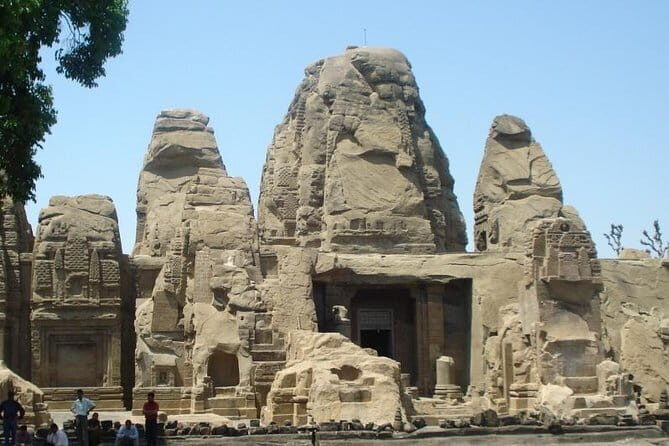
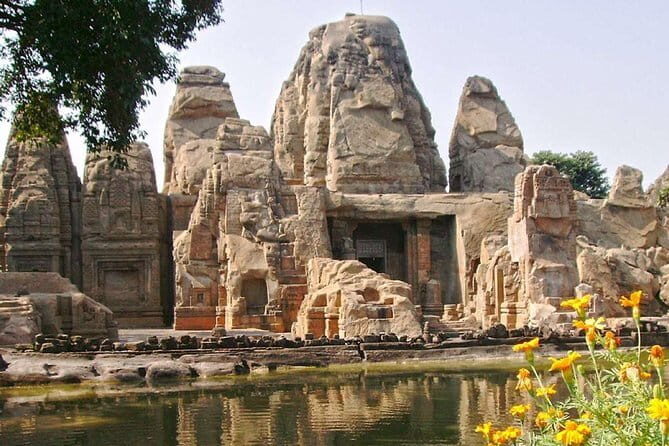
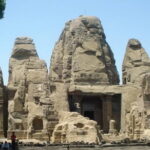
Your day kicks off at Masroor Rock Cut Temple. This complex is dedicated to Rama, Laxmana, and Sita—figures associated with the Mahabharata era—who are honored through stone images worshiped by Hindu devotees.
What makes Masroor memorable is how “the story” feels physical. Instead of a single statue in a hall, you get temple carvings that communicate devotion in a stone setting. One review note I found especially useful: the temple sits in a way that overlooks a sacred lake, which can make the setting feel more atmospheric than a quick roadside stop.
Practical note: entrance isn’t included for the rock-cut temple for foreign tourists, so you’ll need to budget for the paid entry on the day. The time on site is about 1 hour, so aim for a quick, focused look—this isn’t a slow, spend-all-afternoon kind of stop.
Also, this is a site where good weather matters. If visibility and light are poor, you lose part of the appeal of the setting around the temple.
Driving through Kangra Valley and local village life
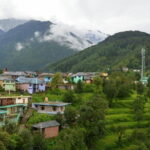
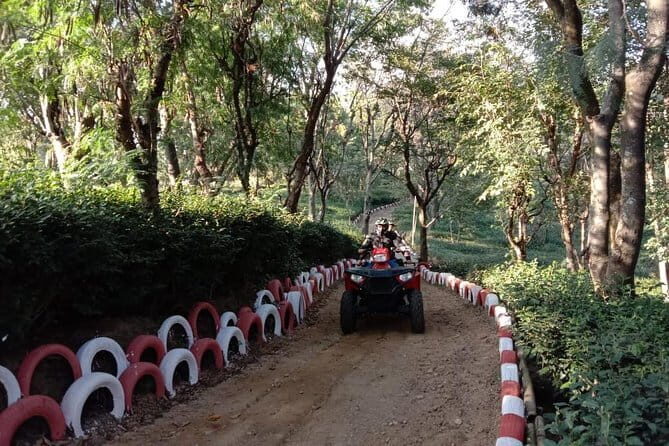
Between stops, you’ll pass through the Kangra Valley and a local village. This is the “in-between” part that makes the day more than just checkmarks on a list.
You get to see how daily life happens in the hills—small-scale activity, mountain road rhythm, and everyday routines rather than only tourist infrastructure. It also helps you understand why the temples and forts were built where they were: Kangra’s geography drives everything, from travel routes to settlement patterns.
Don’t expect a guided “village tour” with a set of storefront visits unless your guide includes something along the way, but the route itself gives you a sense of place.
Kangra Fort: Rajput power, traced back to ancient kingdoms
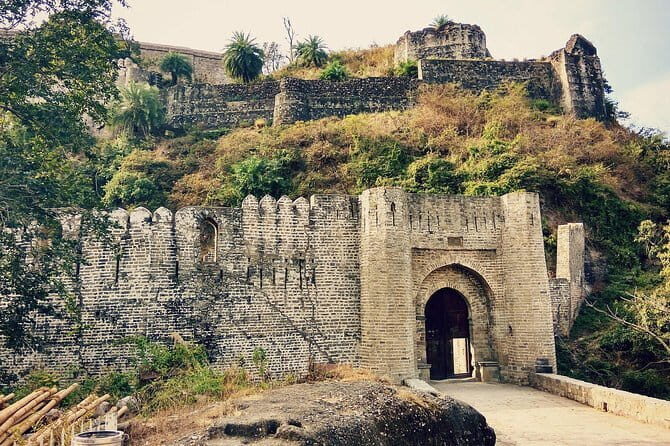
Next comes Kangra Fort, built by the royal Rajput family of Kangra State, the Katoch dynasty. The fort’s origins trace back to the ancient Trigarta Kingdom, referenced in the Mahabharata epic, which gives you a long timeline to anchor your visit.
This is the site that turns the day from “interesting temples” into “wow, this region mattered.” The fort’s sheer presence plus the way it sits in relation to the valley is what gives it punch.
You’ll spend about 1 hour here. That’s enough time to understand the basic layout, take in the views, and read the setting with your guide’s help—but it’s not enough for a deep, hours-long exploration of every corner. If you’re the type who loves lingering, treat this as your first taste and plan a return trip later.
Here’s the other key practical point: entrance fees for foreign tourists for the fort are separate. The tour also lists that the Rock Cut Temple and Kangra Fort have a combined foreign tourist entrance fee (₹500 per person). So when you calculate your total cost, factor that in.
The payoff? One review described the views as spectacular, and that matches the fort’s reputation as a high lookout point. If the weather is clear, you’ll get that “watch the valley stretch out” effect.
Bajreshwari Devi Temple: a legend that explains why people came
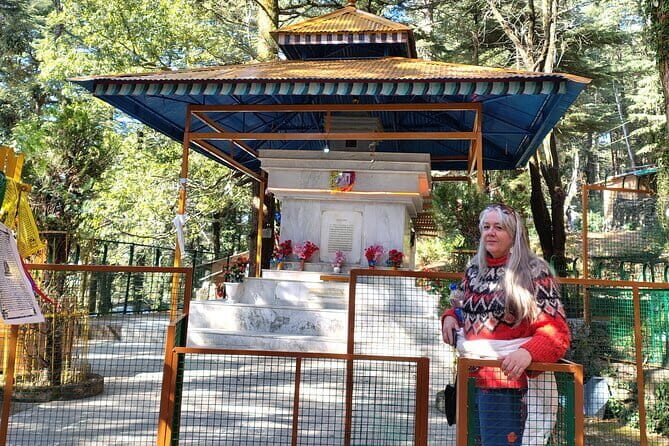
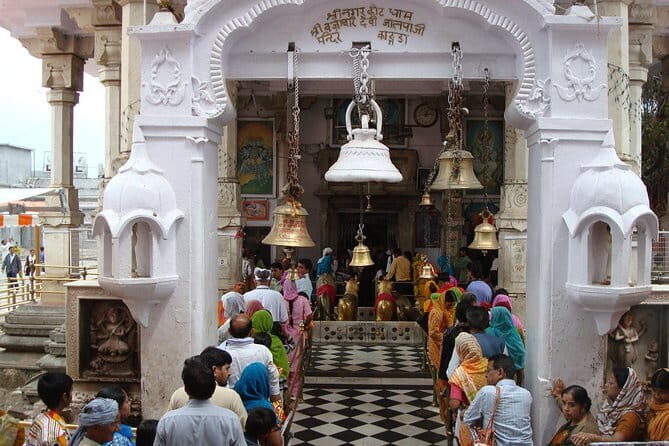
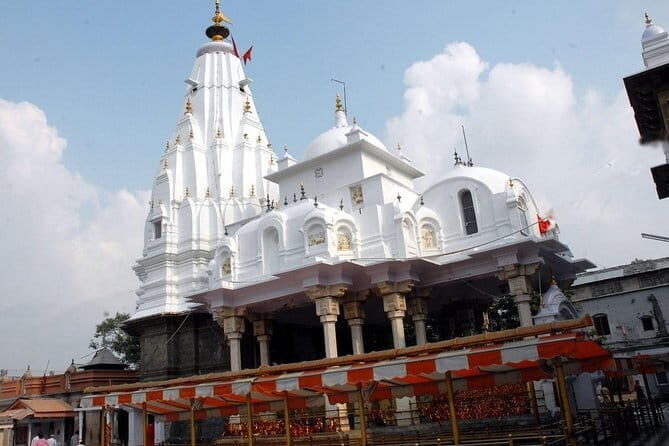
The last major temple stop is Bajreshwari Devi Temple. This stop leans heavily into story, and that’s a big reason it works well as an ending.
There’s a legend that after Goddess Sati sacrificed herself in her father’s yajna (sacrifice), Lord Shiva took her body on his shoulder and began Tandav (the cosmic dance). To stop the destruction of the world, something was done involving the goddess’s form, and places of devotion developed as the story spread. Your guide will tie the temple into that larger narrative.
You’ll have about 1 hour here. Entrance is listed as free at this stop, which is a nice bonus compared with the paid sites earlier in the day.
Even if you’re not a “temple person,” I still think this stop earns its place. It gives you a different angle on Kangra’s cultural landscape—less “fortifications and carvings,” more how belief and legend shaped where people worshipped for centuries.
What you get for the money: transport, lunch, guide time
At $42 per person, this tour is positioned as an easy day trip from Dharamsala/McLeod Ganj. The value comes from bundling the stuff that usually costs time and energy on your own: transport, pickup, parking, and an English-speaking guide.
Here’s what’s included:
- Hotel pickup and drop-off
- A private car as per the itinerary
- Parking fees
- Lunch and bottled water
- An English-speaking guide
- A mobile ticket
There’s also an option detail worth knowing: one option includes guide and private car, while another can be transport-only. If you want the stories and context, pick the option that includes the guide.
The practical value of lunch and bottled water is underrated. Kangra days can run long, and deciding where to eat can eat into your site time. Having it handled lets you keep a steady pace and reduces stress when you’re in a foreign place and the hill driving makes schedules feel tighter.
Don’t forget the separate entrance fee for foreign tourists to the Rock Cut Temple + Kangra Fort. The tour covers some essentials, but it doesn’t cover admissions for those two paid sites. If you’re traveling as a couple or small group, you can also decide whether it’s worth paying someone to keep everything timed—usually yes, if you’d otherwise be hunting for transport and entry windows.
Time management: how the day stays tight (and still enjoyable)
The route is designed for a “see the big three” day: Masroor Rock Cut Temple, Kangra Fort, and Bajreshwari Devi Temple. That’s a lot to pack into 7 hours, but the stop lengths help it stay manageable—roughly an hour at each main site.
The most common risk with a day like this is fatigue. You’re switching between intense-looking stone sights and driving through hilly terrain. Your best strategy is to treat each stop as a focused mission:
- At Masroor, look for the temple’s carved story and the setting.
- At Kangra Fort, prioritize views and the key fort structures.
- At Bajreshwari Devi, slow down a bit and let the legend land.
Because your guide is English-speaking and local, you’ll likely get context that makes the time feel shorter. A strong guide can turn 60 minutes into real understanding.
Also, keep your expectations realistic. This isn’t the kind of tour where you wander freely for long stretches without structure. It’s a curated day designed to move you efficiently.
Who this Kangra day tour is best for
I think this tour fits best if you:
- Want UNESCO-listed Kangra Fort and Masroor Rock Cut Temple in one day without figuring out logistics
- Prefer a local guide to explain the Mahabharata connections, the Rajput Katoch background, and the Sati/Shiva legend
- Like having lunch included so your day doesn’t turn into “where do we eat?” stress
It’s also a good pick if you’re staying around McLeod Ganj or Dharamshala and want a break from the busier hill-town circuit. Kangra gives you a different energy—more heritage-focused, more valley-driven.
If you’re someone who hates structured schedules, you might find it tight. But if you want an efficient day that still feels meaningful, this does a lot right.
Should you book it?
Yes, I’d book it if your goal is a straightforward Kangra heritage day with transport solved and key sites organized. The $42 price is attractive once you factor in pickup/drop-off, private car, an English-speaking guide, parking, plus lunch and bottled water. The two paid admissions (Rock Cut Temple + Kangra Fort) are the main extra you’ll need to plan for, but that’s normal for this kind of itinerary.
I’d also book it when the weather looks promising. The tour specifically requires good weather, and the sites (especially those with viewpoints and lake-adjacent atmosphere) feel better when the skies cooperate.
If you want one simple recommendation: plan around clear conditions, bring some patience for hill roads, and use the guide time to ask questions. That’s where this trip turns from sightseeing into understanding.
FAQ
How long is the tour?
The tour lasts about 7 hours (approx.).
Does the tour include lunch and drinks?
Yes. Lunch and bottled water are provided.
Are entrance fees included?
Entrance fees for the Rock Cut Temple and Kangra Fort for foreign tourists are not included. The listed fee is ₹500 per person for foreign tourists for these two sites.
Will I get hotel pickup and drop-off?
Yes. Hotel pickup and drop-off are included.
How big is the group?
There is a maximum of 8 people per booking, and up to 15 travelers maximum for the tour/activity.
What happens if weather is poor?
The tour requires good weather. If it’s canceled due to poor weather, you’ll be offered a different date or a full refund.