REVIEW · MUMBAI
Mumbai Coastal Cooking: From Fishing Net to Flavourful Plate
Book on GetYourGuide →Operated by Explore Mumbai Tours · Bookable on GetYourGuide
Fish, nets, and stories start on Mumbai’s shore. This 3-hour experience is interesting because it links the fishing village with a hands-on home cooking session, not just photo stops. I love the market-to-stove flow and the way you get real conversation time inside a fisher family home; both make it feel personal, not staged. One possible drawback: access to the fishermen’s village can sometimes be restricted, so in those cases you may spend more time cooking and talking at the host’s home instead.
You’ll start with a tuk-tuk ride toward the oldest fishing area, where people still practice traditional work tied to the coast and community life. A historic festive ground with British-era connections is part of what you’ll see along the way, and you’ll get to observe the boats and net work up close. You’re also likely to move through fish docks and a lively fish market, with fisherwomen in colorful sarees selling fresh catch.
At $21 per person, the value is strong if you care about food and local daily life. The class is led in English, and it’s set up as a private group experience, which makes questions much easier. Still, if you want big-ticket sightseeing or lots of time outdoors on the beach, this one is more about people, process, and cooking than famous monuments.
In This Review
- Key highlights I think are worth your time
- From tuk-tuk to an old fishing village and its festive ground
- Fish-market walk: the real cast of characters behind Mumbai seafood
- Watching net weaving and the working coast up close
- The cooking class at Kavitha and Ravi’s home: from mandeli to roti
- Food value: why this $21 price can feel like a steal
- Practical tips for a smooth day (so you can enjoy it)
- Who should book Mumbai Coastal Cooking, and who might skip it
- Should you book this coastal cooking experience?
- FAQ
- What is the location of Mumbai Coastal Cooking?
- How long does the experience last?
- How much does it cost?
- What’s included in the tour?
- Is there a cooking class, or is it just a tour?
- What languages are offered?
- Is this a private group experience?
- What kinds of dishes might you cook?
- Do you visit a fish market?
- What happens if the fishermen’s village can’t be accessed?
- What are the cancellation rules and payment options?
Key highlights I think are worth your time
- Fishing-village culture in the oldest coastal neighborhood with a community feel, not a theme-park vibe
- Fish market shopping where you’ll actually interact with people selling the day’s catch
- Net weaving and traditional fishing techniques you can watch and ask about
- Hands-on cooking in a fisher home, with step-by-step instruction in English
- Seafood-focused dishes like mandeli and fish curry, plus roti/chapati and a sour-spicy drink
From tuk-tuk to an old fishing village and its festive ground
Your tour day starts by meeting at a designated pickup point (it can vary depending on which option you book) and then hopping into a tuk-tuk for the ride to the fisher village area. That first leg matters. Mumbai traffic is part of the story here, and the tuk-tuk keeps the pace local instead of turning this into a formal bus excursion.
Once you arrive, you’re stepping into a part of Mumbai tied to fishing as a main occupation. The area is described as coming from a time when these islands later shaped coastal life, and that background gives the visit more weight than a simple walk near the water. You’ll also notice a historic festive ground connected to British history. It’s the kind of detail you’d likely miss on your own, because it’s not usually the headline sight.
What I like about starting here is that you’re not led straight into the kitchen. You see the source of the ingredients first. That makes everything you cook later feel grounded. You’ll likely get a sense of how work, family life, and food connect along the coast.
The main thing to keep in mind: this is still an active working area. So your exact route may depend on real-world access. One review shared that access restrictions can make the village visit impossible on a given day. If that happens, the experience shifts rather than disappears.
You can also read our reviews of more cooking classes in Mumbai
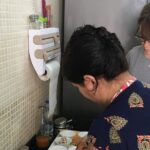
Fish-market walk: the real cast of characters behind Mumbai seafood
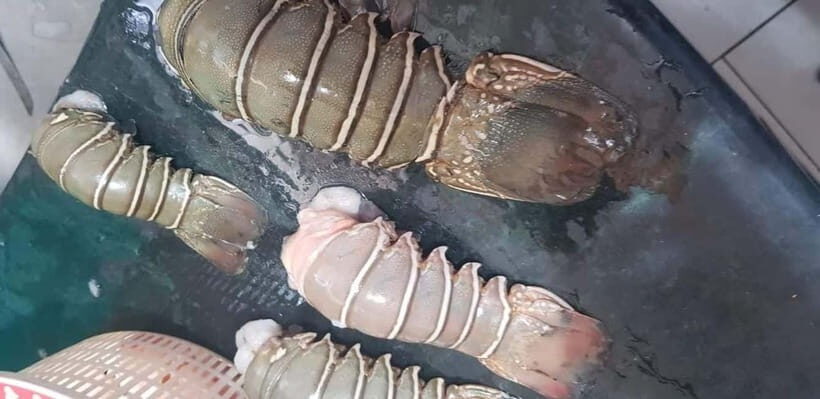
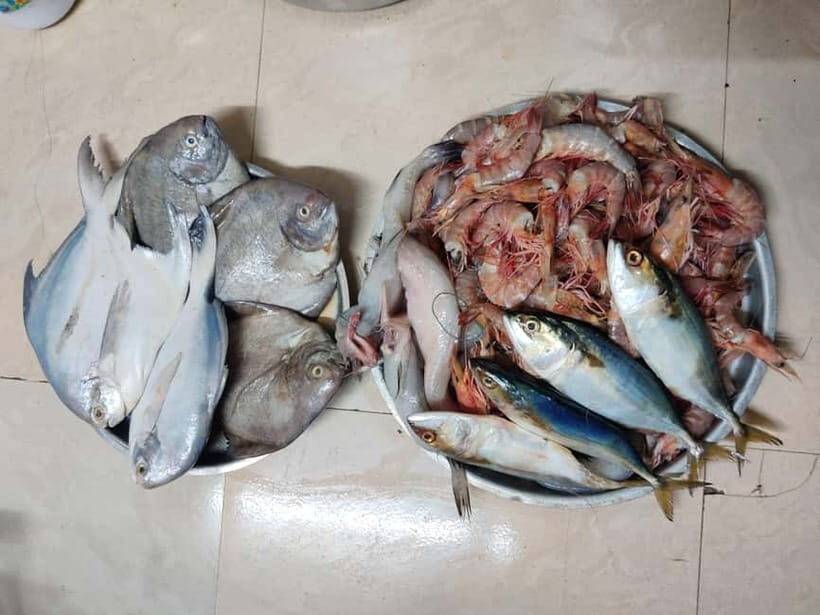
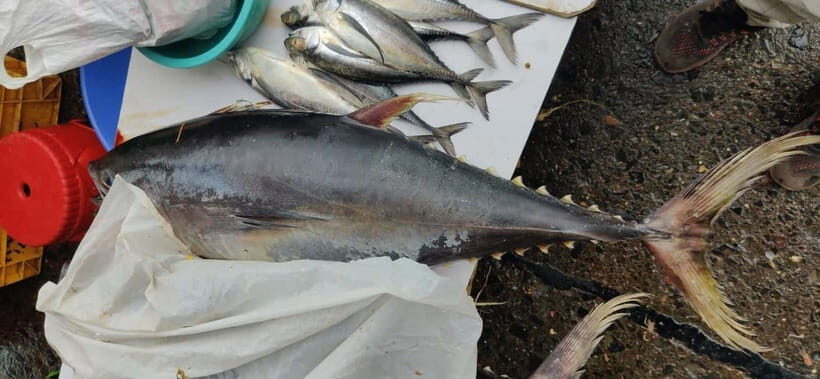
After the village area, you’ll head toward the fish docks and the fish market. This is one of the best parts for anyone who likes food culture more than food photography. You’re not just looking at fish behind glass. You’re meeting the people who sell it, including fisherwomen in colorful sarees who manage the day’s business with confidence and speed.
This stop is valuable because it’s social learning. You’ll see how fish changes throughout the morning and how market life works at street level. If you like asking questions, this is where guides can translate the messy details—what’s fresh, what’s prepared locally, and why certain flavors show up in Mumbai-style cooking.
You may smell the ocean first, then the spices. You might also see how fish is handled before it hits a home kitchen. That’s a useful reality check if your idea of seafood comes from restaurants instead of daily work.
A small consideration: fish markets can be intense. It’s crowded and busy, and that’s part of the point. If you don’t enjoy close-up smells and lots of movement, go in with the right expectations. Wear comfortable shoes and give yourself a moment to adjust.
Watching net weaving and the working coast up close
One of the promises of the experience is seeing net weaving and traditional fishing techniques. You’ll be taken to a beach area where fishermen’s boats are present, and you’ll observe the net work and docking activity.
Even if you already know how fishing works, watching net weaving is different from reading about it. It’s tactile, practical, and honestly impressive. You can see how the materials are handled and how the work fits the coastal rhythm. It also helps you understand why the menu you’ll cook later leans toward local species and flavors that match what’s available.
This stop also gives you a better sense of scale. Mumbai’s coast is not a quiet postcard scene. It’s labor and timing. And that’s why the cooking class afterward feels more meaningful: the flavors aren’t abstract; they’re a response to what the sea and the day provide.
If access conditions change (as one review described), you may not get as much time in the village area. But the core idea remains: you’re still connected to the fishing community and the cooking process that turns catch into meals.
The cooking class at Kavitha and Ravi’s home: from mandeli to roti
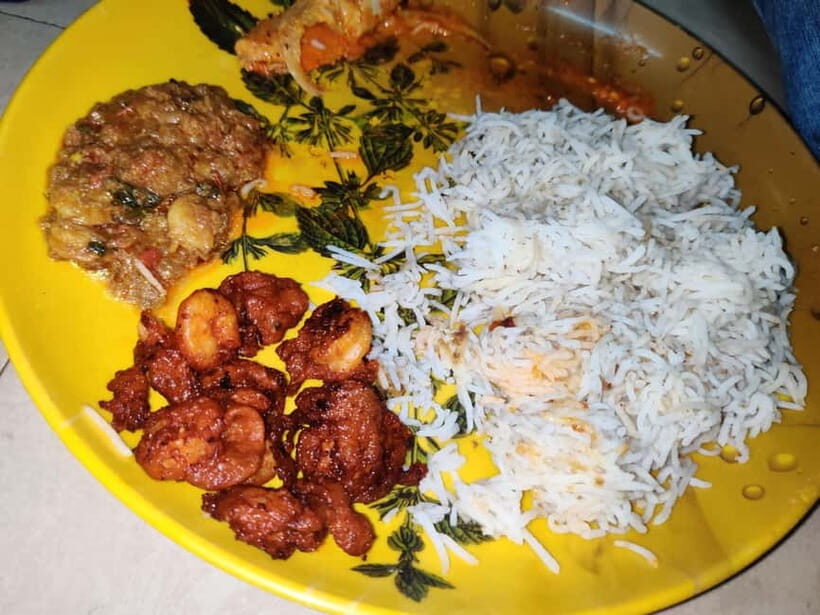
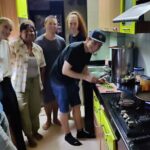
The heart of this experience is the hands-on cooking session in a local fisherman’s home. In reviews, the hosts are often named Kavitha (also spelled Kavita) and Ravi. The mood is warm and informal, and the instruction is in English, which makes the learning easy even if your kitchen skills are basic.
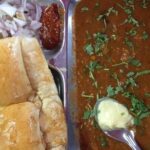
In one account, the group spent about three to four hours cooking and talking. That extra time showed up in a practical way: there’s time to learn, not just time to eat. You’ll likely work through dishes like fish curry, mandeli (a delicious local seafood choice mentioned specifically), rice, and roti or chapati. Many versions also include fried fish, because Mumbai seafood cooking often balances saucy curry with crisp-fried texture.
The tour description also mentions other items you may cook, including chicken dishes, a local fisherman’s bread, and a sour-spicy drink. Reviews back up the bread-and-seafood direction and describe the process as step-by-step. One person even helped fry a batch of mandeli, which is the kind of participation that turns a class into a shared meal instead of a spectator lesson.
What you’ll get out of the cooking session isn’t only recipes. It’s technique and flavor thinking. Mumbai fish curry often plays with heat, sourness, and aromatics in a way that feels distinct from generic curry. You’ll learn how the host guides timing—when to add what, when to reduce, and how to balance the final bite.
And then there’s the eating. In most home-cooking experiences, the meal feels like an afterthought. Here, the meal is part of the learning: you cook, you taste, and you talk while food is on the table. That’s why the conversations matter as much as the food.
Food value: why this $21 price can feel like a steal
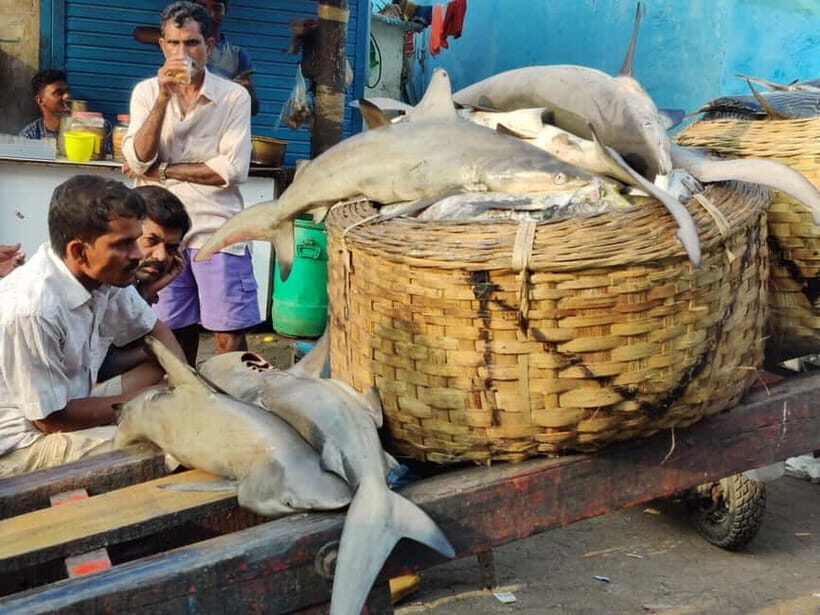
Let’s talk money. At $21 per person for a 3-hour experience, you’re paying for multiple parts: a visit to the fisher area, a tuk-tuk ride, a fish market stop, and a cooking class. Many tours only include one of those. Here, you’re getting the full arc from coast to kitchen.
The value also comes from the private-group format. With a small group, you get more chances to ask questions while shopping and while cooking. You’re not just watching someone else work.
And the menu is not vague. You’ll cook actual Mumbai-style seafood dishes like fish curry and mandeli, plus staples like rice and roti/chapati. The experience may also include a sour-spicy drink and other home-style items like fisherman’s bread. Reviews describe the food as excellent and the hosts as generous with their time and explanations.
So the math works if you care about food and people. It doesn’t work as well if you’re only chasing landmarks or you prefer cooking classes that feel purely instructional and less personal.





Practical tips for a smooth day (so you can enjoy it)
A few things will make your experience easier:
- Wear comfortable shoes. You’ll walk through market areas and docks.
- Go in hungry. You’ll do hands-on cooking and then eat what you make.
- Bring a curious mindset. The hosts answer questions, and conversation is part of the value.
- Expect a possible shift. If the fishermen’s village can’t be visited due to access restrictions, the day can pivot to cooking and talking at the home instead.
- Plan for English-led guidance. The host or greeter is described as English-speaking, and reviews highlight how well English is used to explain steps and stories.
If you have strict dietary needs, the tour data doesn’t specify alternatives. Your safest move is to mention needs ahead of time when you book, and let the host know early.
Who should book Mumbai Coastal Cooking, and who might skip it
This is a great match if you:
- Love Mumbai food and want to learn flavors specific to the coast
- Enjoy home-cooking experiences over restaurant-style tasting
- Want conversation with real locals, not just a scripted explanation
- Are curious about how net work and fishing connect to what people cook
It may be less ideal if you:
- Want a long outdoor beach walk and lots of photography time
- Prefer a purely academic cooking class with no home/community context
- Need a guaranteed, uninterrupted village route regardless of access
The best part is that even when the village stop becomes impossible, the experience can still be meaningful. That’s important for planning your expectations.
Should you book this coastal cooking experience?
If you want Mumbai seafood culture through real people and real cooking, I’d book it. The strongest draw is the combination of a market walk tied to the catch and a hands-on class in a fisher family home, guided by hosts like Kavitha and Ravi. The food sounds genuinely good (fish curry, mandeli, rice, roti/chapati, and more), but the stories and everyday life are what make it stick.
The only reason to hesitate is the potential for access restrictions at the fishermen’s village. If that happens, you’re still in good hands, but your day may shift away from the exact village route. If you’re flexible and focused on cooking and connection, that won’t be a dealbreaker.
FAQ
What is the location of Mumbai Coastal Cooking?
It’s in Maharashtra, India, focused on Mumbai’s coastal fishing community areas.
How long does the experience last?
The duration is listed as 3 hours.
How much does it cost?
The price is $21 per person.
What’s included in the tour?
It includes a visit to the fisherman’s village, a tuk-tuk ride, a fish market visit, and coastal food cooking classes.
Is there a cooking class, or is it just a tour?
There is a hands-on cooking class in a local fisherman’s home.
What languages are offered?
English is the listed language for the host or greeter.
Is this a private group experience?
Yes, it’s described as a private group.
What kinds of dishes might you cook?
The experience includes traditional Mumbai fish delicacies such as fish curry, and it may also include chicken dishes, local fisherman’s bread, and a sour-spicy drink. Reviews also mention dishes like mandeli, fried fish, rice, and roti/chapati.
Do you visit a fish market?
Yes, you’ll visit the fish market as part of the experience.
What happens if the fishermen’s village can’t be accessed?
Based on one shared experience, if village access is restricted, the day can shift to meeting at the host’s home and spending the time cooking and talking instead.
What are the cancellation rules and payment options?
You can cancel up to 24 hours in advance for a full refund, and you can reserve now and pay later (book your spot and pay nothing today).