REVIEW · BIHAR
5 Days Golden Triangle With Ranthambore Wildlife
Book on Viator →Operated by Agra Voyage · Bookable on Viator
Tigers and Mughal monuments, crammed into five days. That fast mix is what makes this Golden Triangle with Ranthambore package appealing: you get major sights in Delhi, Agra, and Jaipur, then you trade city streets for serious wildlife time in Ranthambore National Park.
Day-to-day, it’s set up with pickup, an air-conditioned vehicle, and city tour guides so you’re not left figuring things out alone.
I especially like the sunrise Taj Mahal setup on Day 2, because early light turns the marble from “nice photo” into something you’ll actually remember. I also love the chance for morning and evening tiger safaris, which gives you two tries in different conditions instead of one.
One consideration: some key pieces (monument tickets and safari) are listed as option-based, so double-check what’s included in your exact booking.
Pace-wise, it’s a packed itinerary. You’ll be moving between cities and fitting multiple Delhi and Jaipur stops into a single day, so if you hate schedules, plan for early wake-ups and plenty of time on the road.
In This Review
- Key highlights worth your attention
- A five-day Golden Triangle run with real Ranthambore wildlife time
- Day 1 Delhi: Jama Masjid, Chandni Chowk, and the Qutb Complex
- Delhi’s religion and architecture stops: what to notice
- Day 2 Agra: Taj Mahal at sunrise plus Agra Fort and Fatehpur Sikri
- Getting from city sights to wildlife: what the drive sets up
- Day 3 Ranthambore National Park: morning and evening tiger safari
- Jaipur Day 4: City Palace, Jantar Mantar, Hawa Mahal, and Jal Mahal photos
- Day 5: back to Delhi with one last transfer
- Transport, guides, and the feel of the group setup
- Price and value: is $575 a fair deal?
- What to watch for before you book
- Who this tour fits best
- Should you book the 5 Days Golden Triangle With Ranthambore Wildlife?
- FAQ
- Where does the tour start and end?
- Is pickup and drop-off included?
- How many tiger safaris do I do in Ranthambore?
- Are the monument tickets included?
- What kind of accommodation is included?
- Is this tour private or shared?
- What meals are included?
- Is cancellation free?
- What’s the duration of the tour?
Key highlights worth your attention

- Sunrise Taj Mahal time gives you the best light and the most peaceful feel
- Two Ranthambore safaris per day (morning and evening) rather than just one
- Delhi guidance plus classic stops like Jama Masjid and the Chandni Chowk rickshaw ride
- Major sights covered efficiently: Agra Fort, Fatehpur Sikri, City Palace, Jantar Mantar
- AC transport + unlimited water and napkin keeps you comfortable during long sightseeing stretches
A five-day Golden Triangle run with real Ranthambore wildlife time
This tour is built around a simple idea: cover India’s headline monuments in the Golden Triangle, then add a wildlife-focused day in Ranthambore. You start in Delhi, roll to Agra, continue toward Ranthambore with a notable stop along the way, and finish in Jaipur before returning to Delhi.
The practical win here is structure. You’re not just “see places” and go—pickup and city tour guides are part of the plan for Delhi, Agra, and Jaipur. Add in air-conditioned road travel, and the itinerary stays doable even if you’re not used to navigating on your own.
You can also read our reviews of more tours and experiences in Bihar.

Day 1 Delhi: Jama Masjid, Chandni Chowk, and the Qutb Complex
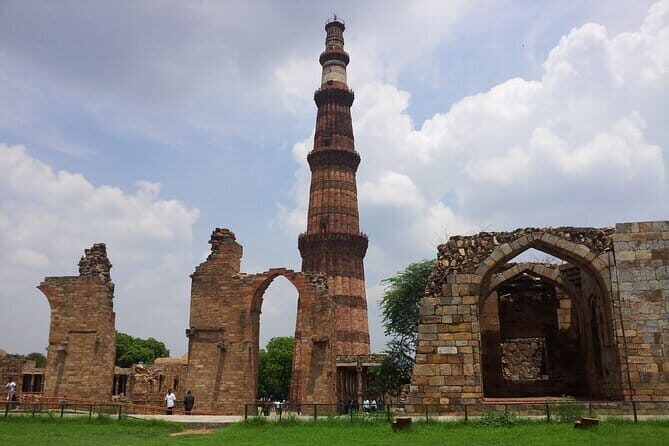
Day 1 is classic Delhi: big monuments, a proper old-city market experience, and several major religious sites. You start with pickup in the morning from the airport or hotel and head straight into the Mughal era.
At Jama Masjid, you’ll visit one of India’s largest mosques. It’s a 17th-century red sandstone structure with a massive capacity (listed at 25,000), and that scale matters when you’re standing there. It’s the kind of place where your brain finally clicks into the size of the history you’ve been hearing about.
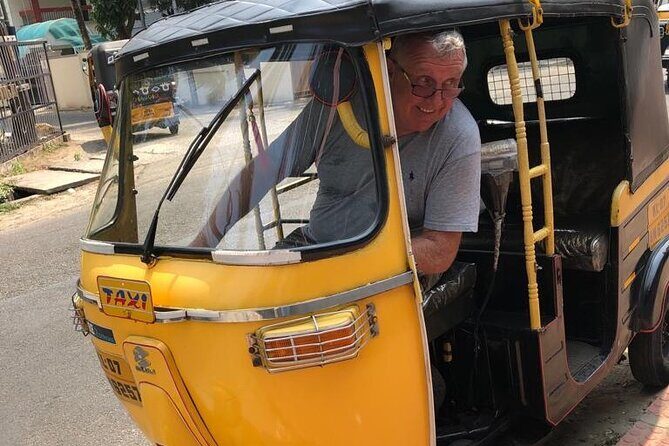
Then you shift into local life at Chandni Chowk. You get a rickshaw ride along a market street known for shops ranging from spices to clothes to jewelry. If you like sensory travel—smells, chatter, and small shops—this stop is one of the most fun parts of the day.
From there, the route adds a “greatest hits” mix: you’ll drive past Red Fort, visit Raj Ghat (Gandhi’s memorial site), and see India Gate from the road. You also go by Rashtrapati Bhavan and visit Gurudwara Bangla Sahib, a prominent Sikh gurdwara known for its association with Guru Har Krishan. Finally, you’ll explore Qutub Minar and the Lotus Temple.
A quick reality check: by the end of Day 1, you’ll have seen a lot of Delhi. That’s exciting—also tiring. Wear comfortable shoes and keep water handy; the tour includes unlimited water and napkin, which helps during sightseeing gaps.
Delhi’s religion and architecture stops: what to notice

This day isn’t random. It’s a tour of how different communities shaped Delhi’s public spaces. Jama Masjid shows monumental Mughal design; Gurudwara Bangla Sahib gives you a living spiritual center; Qutub Minar adds the earlier medieval layer with its tall, iconic brick minaret. The Lotus Temple then shifts the feel again with its Bahá’í House of Worship style and white lotus-like geometry.
If you’re the kind of traveler who likes “context,” use your time here to watch how spaces are used—entry flow, crowd patterns, and where people pause for photos versus where they come to pray or reflect. Even without deep historical lectures, the physical layout does half the explaining.
Day 2 Agra: Taj Mahal at sunrise plus Agra Fort and Fatehpur Sikri
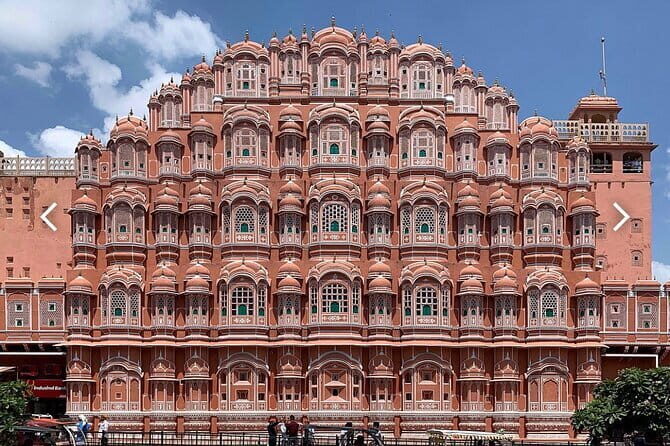
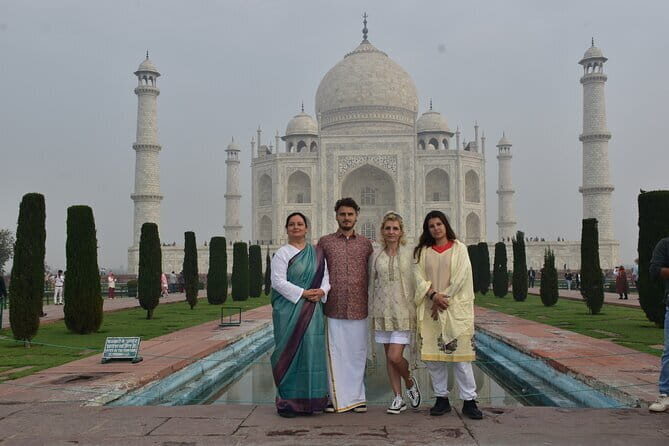
Day 2 starts early for a reason: you’ll be picked up from your hotel to visit the Taj Mahal at sunrise, with a guide. Sunrise isn’t just a timing gimmick. The light is softer, the crowds tend to be lower, and the marble surfaces don’t blast back glare the way they can later in the day.
After breakfast, you move into Agra Fort, another big-ticket stop. You’re looking at one of India’s larger forts, and Agra Fort works well because it feels like a fortress complex rather than a single building. If you like stonework, courtyards, and the way a fort controls movement, you’ll get more out of this than just a quick photo stop.
Then you travel onward, and here’s the clever pacing detail: you stop en route to Ranthambore at Fatehpur Sikri. It’s a UNESCO World Heritage Site described as a city built by Mughal Emperor Akbar in the 16th century. Even if you don’t go deep into the story, it’s a great “break” from the car time—an official-looking, stone city that makes the drive feel less like a transfer and more like part of the journey.
One drawback to note: after early Taj Mahal time, you’ll likely want a bit of downtime. The day still includes multiple stops, so it’s not a “sleep in and coast” itinerary.
Getting from city sights to wildlife: what the drive sets up

Day 2 doesn’t just “get you to Ranthambore.” It sets you up emotionally. After Taj Mahal and fort walls, wildlife time can feel like a turn into a different world—quieter, more patient, and less focused on crowds.
Also, the itinerary includes city guides in Delhi, Agra, and Jaipur, but the Ranthambore day is centered on safaris rather than additional city-style stops. So expect the rhythm to switch from sightseeing touring to wildlife searching and waiting.

Day 3 Ranthambore National Park: morning and evening tiger safari
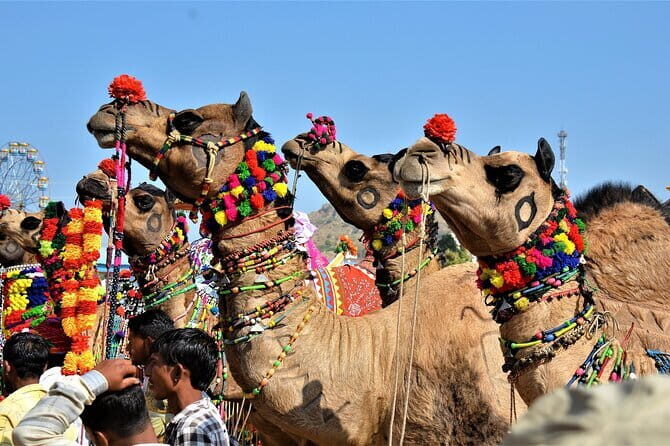
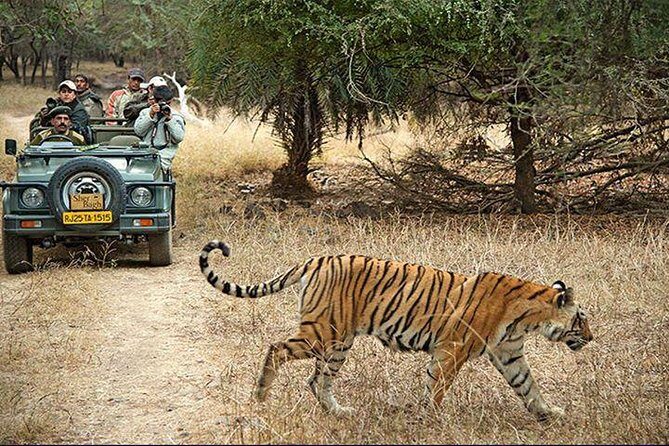
This is the heart of the package. Day 3 gives you both a morning and an evening tiger safari in sharing jeeps or canter. The park area is listed at 1,334 square kilometers, and wildlife other than tigers is part of the picture too, including leopard.
In practical terms, two safaris per day matter because animal sightings aren’t a schedule thing. Different times of day can change animal movement—so having morning plus evening increases your odds of seeing something special, even though wildlife viewing is never fully predictable.
What I recommend you do before your first safari:
- Bring something for sun and dust (a hat helps a lot).
- Keep your camera ready and your patience even more ready.
- Accept that the best view might come after a long wait, not on the first stop.
You’re doing the safari in a sharing vehicle, so it’ll feel social. That’s usually a plus: you can swap spotting tips and stay cheerful while you scan the trees. The tradeoff is that you’re not controlling the pace or route like you would on a private safari.
Jaipur Day 4: City Palace, Jantar Mantar, Hawa Mahal, and Jal Mahal photos
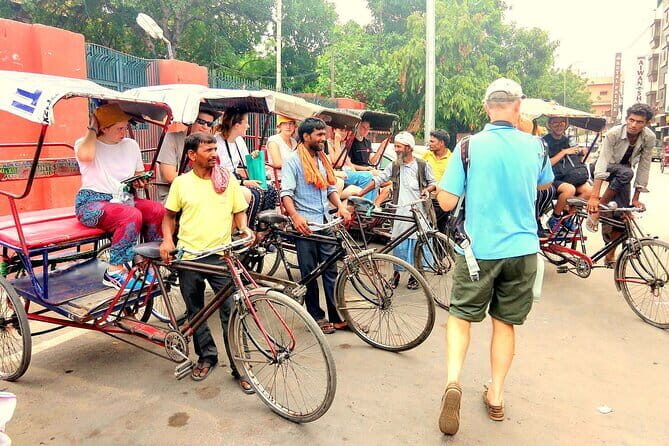
After wildlife, Jaipur feels like a palate reset—color, architecture, and big shapes. Day 4 focuses on the Old City’s key landmarks.
You start with the City Palace of Jaipur, where you’ll visit the fort area and then the City Palace complex. A lot of the palace has been converted into a royal museum, which means you get buildings plus artifacts or exhibits if you choose to spend time inside. Even if you skip some galleries, the palace grounds are a strong visual payoff.
Next is Jantar Mantar, an astronomical observatory with 19 instruments. The world’s largest stone sundial is mentioned as part of the site, and that detail helps you understand the point: this isn’t decorative. It’s built for measuring the sky.
Then you go to Hawa Mahal—the Palace of Wind—for its façade and signature small-window design. You’ll explore it briefly, which works because Hawa Mahal is more about what you see from outside and how the building performs visually along the street.
Finally, you stop at Jal Mahal. This is a photo stop for a palace that looks like it floats on Man Sagar Lake, with multiple stories where some appear submerged. It’s quick, but it’s a satisfying sight after hours of walking between monuments.
One caution for Day 4: Jaipur can get hot, and the stops are mostly outdoors. The tour includes water and napkin, which helps, but plan for sun protection and slower breaks.
Day 5: back to Delhi with one last transfer
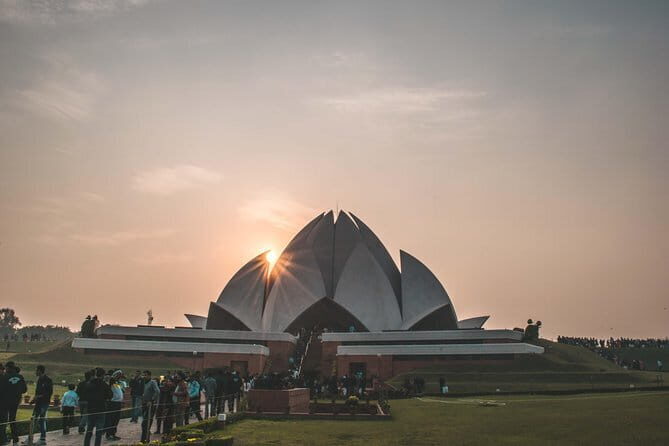
On Day 5, you’re back on the road. After breakfast, you check out and drive back to Delhi. The driver will drop you at your preferred place, hotel, or airport in Delhi, which is handy if you have a late flight or want to transition to your next plan without stress.
It’s not a “one more attraction” day. It’s a clean finish: see your highlights, then get you home base.
Transport, guides, and the feel of the group setup
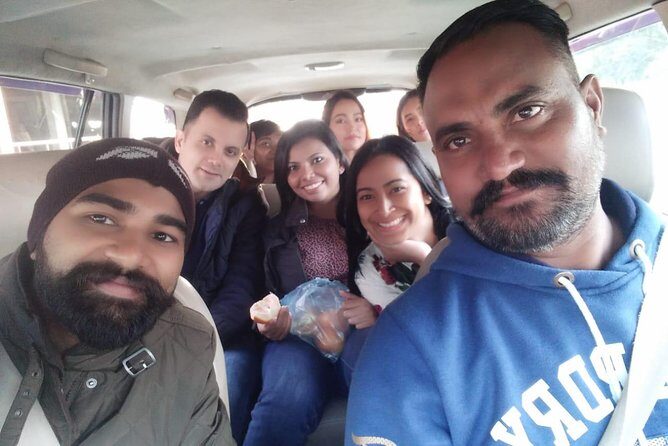
You travel in an air-conditioned vehicle with pickup and drop-off. City tour guides are provided for Delhi, Agra, and Jaipur. That matters more than it sounds. With a guide, you spend less time stuck in ticket lines and more time understanding what you’re looking at—especially at places like Jantar Mantar and Fatehpur Sikri where a quick explanation changes how you read the site.
One more key service detail: this is described as a private tour/activity, meaning only your group participates. Group discounts are mentioned too, so it’s worth checking how your booking handles pricing with your group size.
Price and value: is $575 a fair deal?
At $575 per person, you’re paying for a lot of moving parts: intercity transport by AC vehicle, city guiding in three locations, included breakfasts, and (depending on your selected option) monument tickets and two safari sessions.
Here’s how I’d judge value if you’re deciding between packages:
- If you select the option that includes monument tickets and both safari drives, the price looks more like an all-in itinerary rather than a scavenger hunt of separate tickets.
- The two-safari structure is a major cost driver in most wildlife itineraries, and it’s the standout feature here. If wildlife viewing is your priority, that’s where you’re getting your money’s worth.
- The inclusion of unlimited water and napkin is small, but it improves daily comfort, especially when you’re walking a lot in heat and dust.
If you arrive thinking every ticket is automatically included, you might feel surprised later. So confirm what’s included in your exact option set.
What to watch for before you book
A few practical points that can affect your experience:
- Ticket and safari inclusion can depend on options. Your booking selection matters for monument tickets and safari drives.
- The schedule is tight. Day 1 and Day 4 stack multiple major stops, so plan for early starts and long days.
- Safari sightings aren’t guaranteed. You’re going for a chance at tigers and other wildlife, and the park’s animal behavior controls what you see.
If you’re okay with a packed plan and you really want both architecture and wildlife, this itinerary fits. If you want slow travel or downtime every day, you’ll probably find the pace stressful.
Who this tour fits best
This works especially well if you:
- Want the classic Golden Triangle landmarks but also want a real wildlife day
- Prefer guided stops in Delhi, Agra, and Jaipur rather than self-navigating
- Like being out early (sunrise Taj Mahal is a big clue)
It may be less ideal if you’re looking for minimal walking, a relaxed schedule, or long free afternoons.
Should you book the 5 Days Golden Triangle With Ranthambore Wildlife?
I’d say book it if you want one trip to cover two very different sides of India: iconic monuments and a focused tiger-safari experience. The sunrise Taj Mahal and the morning plus evening Ranthambore safaris are the two reasons this package stands out in value, not just in variety.
Before you commit, check your option settings carefully so you know whether monument tickets and the safari drives are included in your price. If they are, you’ll get a well-rounded, guided, and efficiently planned route that’s built for travelers who want both wonder and a little nature drama.
FAQ
Where does the tour start and end?
The tour starts in Delhi, and on Day 5 you return to Delhi. The driver drops you at your preferred place, hotel, or the airport in Delhi, where the tour ends.
Is pickup and drop-off included?
Yes. Pickup and drop-off are included by air-conditioned vehicle.
How many tiger safaris do I do in Ranthambore?
You do both a morning and an evening tiger safari in Ranthambore National Park, using a sharing jeep or canter.
Are the monument tickets included?
Monument tickets are included if the option is selected in your booking.
What kind of accommodation is included?
The package includes 4 days of accommodation in 3/4/5 star hotels, with breakfast included if that option is selected.
Is this tour private or shared?
This is described as a private tour/activity, meaning only your group participates.
What meals are included?
Breakfast is included for 4 days.
Is cancellation free?
Free cancellation is offered. You can cancel up to 24 hours in advance for a full refund.
What’s the duration of the tour?
The tour is 5 days (approx.).