REVIEW · VARANASI
Private Cultural Walking Tour of Varanasi with Guide
Book on Viator →Operated by Guide Varanasi · Bookable on Viator
Varanasi can feel overwhelming.
This private cultural walking tour takes you through the old city lanes and along key ghats with a guide who helps you understand what you’re seeing instead of just passing it by.
I really liked two things: walking with Ashok keeps the pace human while you move through tight, crowded streets and important religious sites, and the route gives you real, up-close context—especially at Manikarnika and Harishchandra ghats, where daily cremation is part of life here. The tour also includes bottled water (500ml) so you’re not scrambling for basics mid-walk.
One consideration: parts of this route involve public cremation grounds. If you get queasy about death rituals, plan your mental space before you arrive and be ready to step back when you need a breather.
In This Review
- Key Highlights You’ll Feel Right Away
- Why a Private Walk Helps in Varanasi’s Old City
- Price and What You Actually Get for $55
- Meeting Point: Starting at Hotel Ganges Grand (and Ending Back There)
- Stop 1: Old Town Walking Tour with Ashok (Where the City’s Real Age Shows)
- Stop 2: Nepali Temple (Kathwala Temple) and Its Wooden Shiva
- Stop 3: Manikarnika Ghat (Public Cremations, Up Close)
- Stop 4: Dashashwamegh Ghat (Pilgrims, Prayers, Candles, Ancestors)
- Stop 5: Harishchandra Ghat (A Less Crowded Way to Understand the Cremation Process)
- Stop 6: The Narrow-Lane Market for Quick Local Life
- What Kind of Guide Ashok Is (Based on How People Describe the Experience)
- Weather, Timing, and How to Fit It Into Your Day
- Who This Tour Is For (and Who Should Skip It)
- Should You Book This Varanasi Old City + Ghats Walk?
- FAQ
- How long is the private walking tour of Varanasi?
- Is this tour private?
- Where does the tour start and where does it end?
- Is pickup included?
- What is included in the $55 price?
- Are temple admissions included?
- What will I see at Manikarnika Ghat?
- What if the weather is bad?
Key Highlights You’ll Feel Right Away
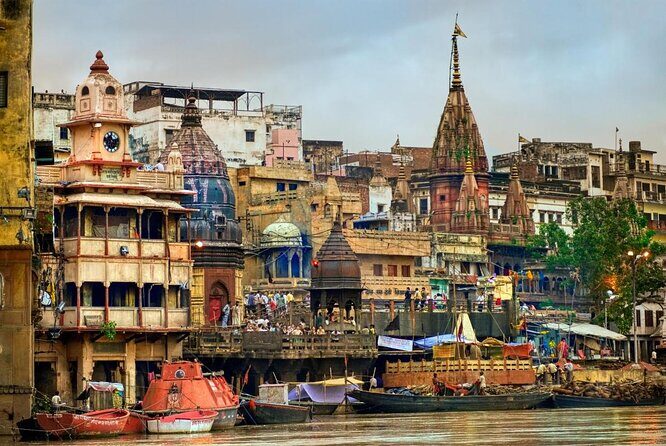
- Old City navigation on foot: you see how people live generation after generation in the same dense area
- Kathwala (Nepali) Temple details: wooden Shiva temple with carved erotic sculpture
- Manikarnika Ghat’s real-life cremation setting: a cremation ground where around 150 bodies are cremated daily
- Dashashwamegh Ghat at peak ritual time: pilgrims bathe, pray, float candles, and perform ancestor rituals
- Harishchandra Ghat’s calmer cremation view: a less crowded spot to watch wood buying, pyre building, and lighting
- Included bottled water: 500ml per person for a smoother 2 to 3 hours on foot
Why a Private Walk Helps in Varanasi’s Old City
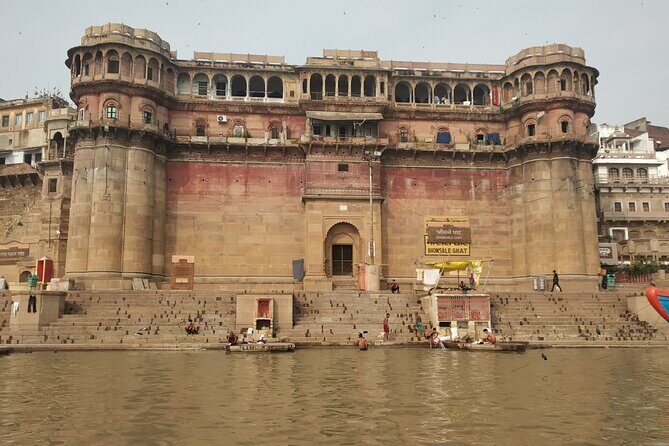
Varanasi is not a place where you want to guess your way around. The lanes can be narrow, the crowds can move fast, and religious sites can feel confusing if you don’t know what you’re looking at.
That’s where a private guide changes the whole trip. With Ashok, you’re not just watching scenes—you’re getting the meaning behind them, from temples and ritual behavior to why different ghats draw different crowds. It’s a good way to understand the city quickly without turning your day into a stressful scramble.
And because this is a walking tour focused on the old core, you get that sense of how daily life blends with spirituality. It’s more practical than trying to stitch together stops on your own, especially in the time window of about 2 to 3 hours.
You can also read our reviews of more walking tours in Varanasi

Price and What You Actually Get for $55
At $55 for a private tour lasting roughly 2–3 hours, you’re paying mainly for two things: an experienced local guide and time-saving route clarity. In Varanasi, that can be worth it fast. You’re buying direction, pacing, and explanations—rather than just sightseeing.
What’s included:
- An experienced guide
- Bottled water (500ml) per person
- Mobile ticket
- Pickup is offered
What’s not included:
- Admission fee at the Nepali Temple (Kathwala Temple): ₹20 per person
All the other listed stops are marked as free admissions, which helps the overall value. If you’re trying to keep the day budget-friendly while still seeing major ghats, this is a straightforward setup.
Meeting Point: Starting at Hotel Ganges Grand (and Ending Back There)
The tour starts at Hotel Ganges Grand – Varanasi, Front Of, Marwari Hospital Building, D-37/47, Dashashwamedh Ghat Rd, Crossing, Godowlia, Varanasi, Uttar Pradesh 221001, India. The activity ends back at the same meeting point.
This matters because Varanasi’s old area can make it hard to “figure it out” at the end of a walk. Knowing you’ll return to the same place can make planning your next stop (or your ride back) much easier.
Stop 1: Old Town Walking Tour with Ashok (Where the City’s Real Age Shows)
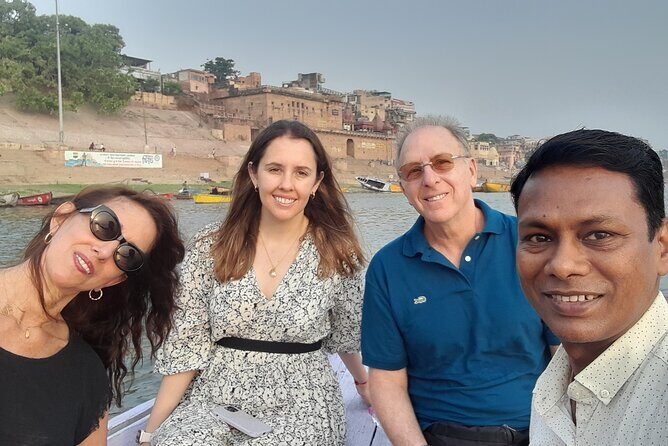
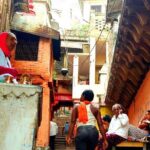
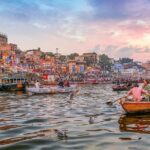
You start with an old city tour, aimed at helping you feel how people live here “by generation to generation,” in the same place. Expect large, colorful crowds and tight streets where daily errands, temple movement, and river activity all overlap.
This part works best if you come in ready to slow down. The value isn’t just seeing old buildings—it’s watching how people flow through space: who moves where, what locals do as part of routine, and how the city’s rhythm shapes the experience.
A practical tip: keep your questions for this stage. Ashok is at his best when you ask what something is and why it matters, and the old-town part sets the context for everything that comes next.
Stop 2: Nepali Temple (Kathwala Temple) and Its Wooden Shiva
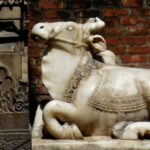
Next is Nepali Temple (Kathwala Temple). Here you’ll see a wooden temple of Shiva, including erotic sculpture.
This is a short stop (about 10 minutes), but it’s the kind of contrast that makes a Varanasi tour memorable. If you only expect “purely spiritual” architecture, this temple shows another side of the tradition—symbolic, human, and artistic.
What to consider: if you’re uncomfortable with sexual imagery, decide ahead of time how you want to handle it. It’s brief, but it’s clearly part of the temple’s artistic language.
You can also read our reviews of more guided tours in Varanasi
Stop 3: Manikarnika Ghat (Public Cremations, Up Close)
At Manikarnika Ghat, you’ll see the Hindu way of cremation. This is described as a cremation ground where around 150 bodies are cremated daily, and the cremations are public.
This is the emotional center of the itinerary. You’re not getting a sanitized view—you’re seeing what this ghats system looks like when ritual, family grief, and river life all happen in the same place.
If you choose this tour, I’d go in with two expectations:
- You may see intense scenes that don’t match modern ideas of privacy around death.
- You’ll likely want context for what families are doing and why the ghat functions as it does.
That’s also where having a guide helps most. If you’re overwhelmed, ask Ashok to slow down or reposition. A good guide can’t remove what’s happening, but they can help you manage the pace.
Stop 4: Dashashwamegh Ghat (Pilgrims, Prayers, Candles, Ancestors)
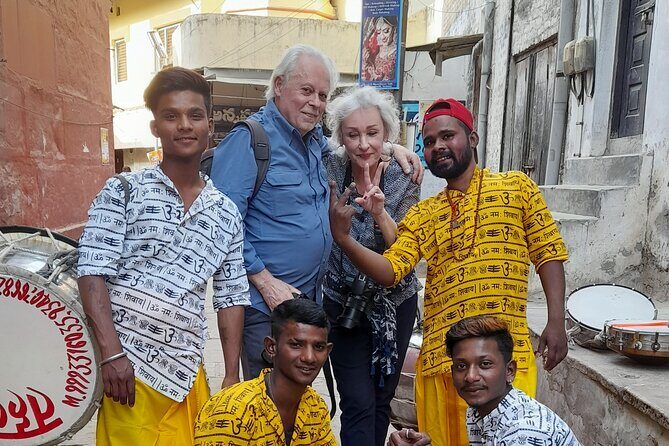
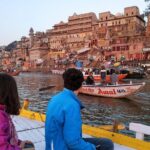
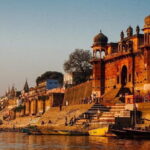
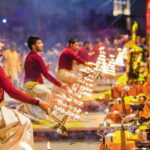
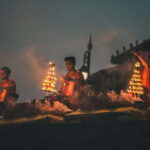
Then you move to Dashashwamegh Ghat, where pilgrims come to bathe and pray with priests. People may also float candles, and some take part in rituals for ancestors.
This is also described as the most active place in Varanasi in the evening. That likely means more movement, more sound, and more people clustering where ceremonies are happening.
I like this stop because it shows how the ghats aren’t just “for visitors.” They’re working spaces with regular spiritual activity. Even if you’ve seen a lot of religious sites, seeing it in this riverside format gives you a different kind of understanding.
If you’re the type who enjoys watching ceremonies unfold, this is a strong place to do it. If crowds make you tense, ask your guide where to stand so you can see without feeling trapped.
Stop 5: Harishchandra Ghat (A Less Crowded Way to Understand the Cremation Process)
Finally, you go to Harishchandra Ghat, described as a less crowded crematorium area. It’s still part of the cremation scene, but the tone is calmer enough that you can watch the process more peacefully.
Here, the itinerary emphasizes practical details of the cremation workflow, such as:
- How family members buy wood (including the types of wood)
- How the funeral pyre is made
- How the fire is lit
This is important for understanding, because it turns the scene into steps rather than chaos. When you know what you’re seeing—wood selection, pyre preparation, and lighting—you start to understand the logic families follow rather than simply reacting to the shock.
It’s also one of the better stops for respectful observation. If you want fewer visual distractions, this is the one.
Stop 6: The Narrow-Lane Market for Quick Local Life
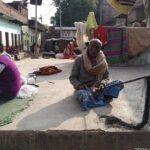
Between ghats, you’ll also stop at a market in a narrow lane with several small colorful shops crowded with locals.
This is a nice reset. After intense river rituals, shopping streets feel more ordinary and human-scale. You get a sense of what people do beyond ceremonies—how they pass time, where they browse, and how shopping blends into the everyday flow.
I’d treat this like a chance to observe and ask questions, not a full shopping session. You’ll get more value from noticing how the lane works and what people buy than from trying to turn it into a big bargain hunt.
What Kind of Guide Ashok Is (Based on How People Describe the Experience)
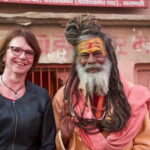
Across the guide feedback, Ashok comes up as calm, patient, and professional. People describe him as gentle in demeanor, flexible with the plan when needs come up, and careful about making sure you feel looked after.
Two practical advantages of this kind of guiding:
- Safety in navigation: Varanasi’s old area is not beginner-friendly to explore without local help.
- Real explanation time: a guide who can slow down and explain makes the emotional scenes easier to process because they’re not random.
One more detail worth knowing: some feedback mentions coordination of add-ons like boat trips and arranging seats for the evening Ganga Aarti. That’s not listed as guaranteed within this specific walk, but it does suggest Ashok tends to be helpful in shaping the rest of your time if you want to build a fuller itinerary.
Weather, Timing, and How to Fit It Into Your Day
This experience requires good weather. That’s not a minor note in Varanasi. If rain hits, your comfort on foot will drop fast, and you may need to reschedule.
Timing-wise, the tour is about 2 to 3 hours, so it fits well as a half-day anchor. A smart approach is to plan it when you can handle emotional intensity and crowds without rushing to something else immediately afterward.
If you’re going to see Dashashwamegh Ghat in the evening atmosphere, keep your schedule flexible enough to stay where the action is rather than trying to sprint off to another fixed appointment.
Who This Tour Is For (and Who Should Skip It)
This walking tour is a great match if:
- You want a structured way to see the old town and ghats without getting lost
- You’re curious about how Hindu rituals work, including cremation practices
- You prefer a guide who explains meaning, not just facts
You might want to skip or be extra cautious if:
- You know you’ll struggle with public cremation scenes
- You want a more relaxed sightseeing vibe without intense spiritual or death-related imagery
Should You Book This Varanasi Old City + Ghats Walk?
Yes, if you want your first Varanasi experience to be guided, focused, and close-up. The $55 price is fair for a private, explanation-driven walk, and the included bottled water plus mostly free admissions keeps it practical.
Book it especially if you value context—because the emotional impact of Manikarnika and Harishchandra ghats is much easier to handle when you understand what’s happening and why. Just go in honestly aware that cremation is part of what you’ll see at the ghats, and you’ll be glad you had a calm guide like Ashok walking you through it.
FAQ
How long is the private walking tour of Varanasi?
It lasts about 2 to 3 hours.
Is this tour private?
Yes. It’s a private tour/activity, and only your group participates.
Where does the tour start and where does it end?
It starts at Hotel Ganges Grand – Varanasi at the front of the Marwari Hospital Building, and it ends back at the meeting point.
Is pickup included?
Pickup is offered.
What is included in the $55 price?
An experienced guide and bottled water (500ml per person) are included, and you’ll receive a mobile ticket.
Are temple admissions included?
Admission fees are not included for the Nepali Temple (Kathwala Temple), which costs ₹20 per person. The other listed stops are free for admission.
What will I see at Manikarnika Ghat?
You’ll see the Hindu way of cremation at Manikarnika Ghat, described as a cremation ground where around 150 bodies are cremated in public each day.
What if the weather is bad?
The experience requires good weather. If it’s canceled due to poor weather, you’ll be offered a different date or a full refund.