REVIEW · VARANASI
Insight Varanasi: One Day Varanasi Tour
Book on Viator →Operated by Varanasi Day Tours · Bookable on Viator
Waking up early feels worth it here. This one-day Varanasi experience strings together the riverfront rituals at the Ganga Ghats, the Hindu spotlight at Kashi Vishwanath Temple, and the Buddhist calling of Sarnath, all with a licensed guide and private comfort. I like that the morning starts with a boat ride and you get time on foot to actually see how people move through the ghats. I also like that the schedule builds in real breaks, not just nonstop rushing. One possible drawback: the start time is 5:00 am and you’ll be doing walking and stairs, so bring moderate fitness and solid shoes.
What makes this tour work is the pacing. You’ll begin at the Banaras ghats and riverfront areas, then shift to major temple and cremation-ground stops before heading toward Sarnath, and later finish with the Ganga Aarti from a reserved balcony seat. In the feedback, guides like Aakash got called out for being punctual, speaking strong English, and sharing practical context so the sights make sense fast. The main consideration is timing and comfort: it’s a long day (about 14 hours), and food is not included, so plan around breaks and bring cash/card for meals.
In This Review
- Key things I’d note before you go
- A full day of Varanasi, built around the river
- Morning on the Banaras ghats: first impressions, then meaning
- Kashi Vishwanath Temple and Shiva’s cremation ground
- Dasaswamedh Ghat: the main-stage ghat before Sarnath
- Sarnath: Buddha’s first sermon and the “why” of the sites
- Dhamek Stupa and Chaukhandi Stupa: key monuments on foot
- The built-in breaks: how the schedule avoids turning into chaos
- Ganga Aarti from a private balcony: the end of the day hits harder
- How good is the value for $117.34?
- What it feels like: guided, respectful, and intense in the right places
- Who should book this one-day Varanasi tour
- Quick practical tips before you go
- Should you book Insight’s One Day Varanasi Tour?
- FAQ
- What time does the tour start?
- How long is the one-day Varanasi tour?
- Is hotel pickup and drop-off included?
- Do I need to buy Sarnath tickets separately?
- Is the Ganga Aarti viewing included?
- Are meals included?
- How big is the group, and are there any minimums?
Key things I’d note before you go
- 5:00 am start: you’ll be outside early, so set expectations and keep breakfast timing flexible
- Exclusive morning boat ride: you’ll get the river angle before the crowds feel chaotic
- Private Aarti balcony seating: not just standing-room luck
- Sarnath + major landmarks: Ashoka Pillar and Dhamek Stupa are built into the plan
- Real breaks: two pause windows for breakfast and later lunch/relaxation
- Small groups (max 10): easier navigation and quieter moments on foot
A full day of Varanasi, built around the river
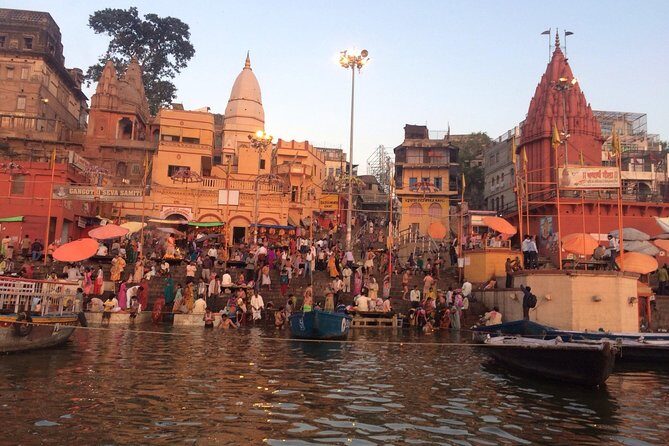
Varanasi is not a museum town. It’s lived-in, and the river is the center of gravity. This tour uses that reality instead of trying to outrun it—so the day starts with the ghats and ends with aarti, when the Ganga feels most alive.
The day runs about 14 hours, with pickup and drop-off by a private AC vehicle. The schedule is structured like a guided route: riverfront viewpoints early, major religious sites mid-morning to afternoon, and the most atmospheric ritual in the evening. It’s long, but it’s long in a way that matches how Varanasi actually unfolds.
You should also know the physical side. You’ll be navigating on foot and spending time around river steps and temple areas, which can mean uneven surfaces. The tour is listed for a moderate physical fitness level, so wear shoes you trust and plan for stairs.
A few more Varanasi tours and experiences worth a look

Morning on the Banaras ghats: first impressions, then meaning
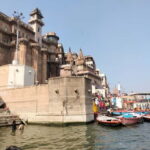
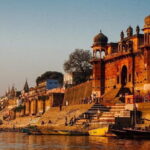
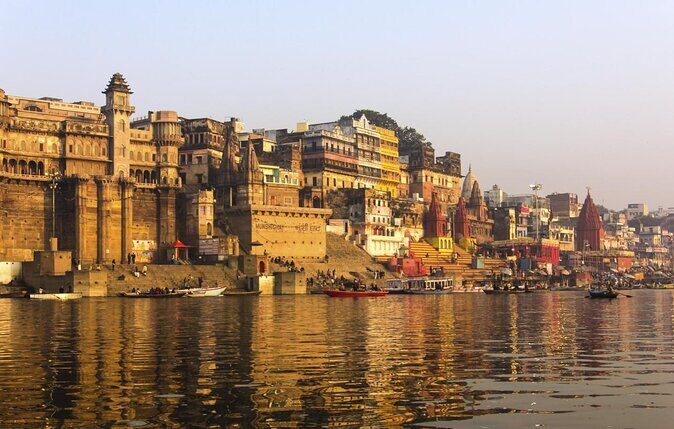
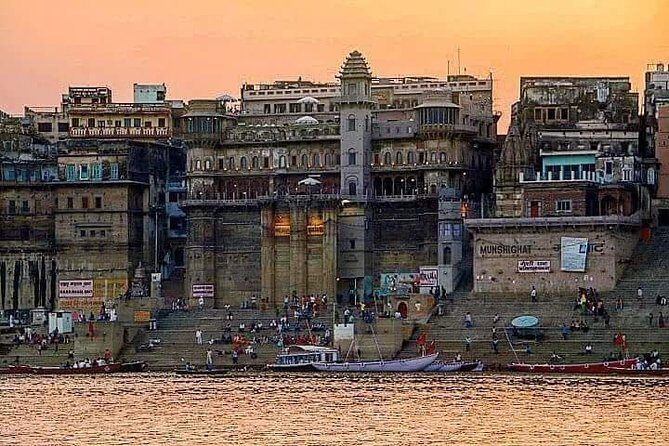
The earliest big stop is the Banaras ghats (about 4 hours), which are the riverfront steps leading down to the Ganges. This is where you’ll start seeing the rhythm of daily life: people arriving, people praying, and movement that feels both slow and urgent.
The tour also spends time on the Ganges riverfront area (also listed as about 4 hours). Practically, that’s your window to watch how the ghats work—how locals use the steps, how boats cross, and how visitors orient themselves. If you’re new to Varanasi, this is the part that helps your brain stop thinking in maps and start thinking in flows.
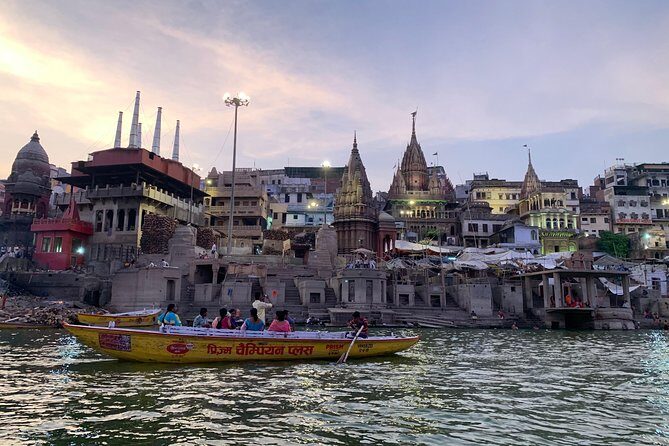
Then comes the morning boat experience. You get an exclusive boat during the morning boat ride, which matters because it changes your view from the sidewalk to the waterline. From there, the ghats and ritual spaces read differently, and you’ll be better prepared for what you’ll see next on land.
Kashi Vishwanath Temple and Shiva’s cremation ground
After the river time, the tour shifts to Hindu landmarks that define Varanasi’s spiritual reputation. Kashi Vishwanath Temple is one of the most famous Shiva temples in the city, and it’s on the route here. This is a high-focus stop: you’ll be guided through the significance so it’s not just architecture and crowd-watching.
Right after that, you’ll visit the creamation ground of Lord Shiva. This isn’t designed to be comfortable in the usual sightseeing way, and that’s the point. Varanasi’s identity is tied to life, death, and ceremony, and cremation areas are part of that reality.
So here’s my practical advice. If you’re sensitive about the subject matter or uncomfortable with intense religious spaces, keep that in mind ahead of time. Go prepared to observe with respect, and remember that the goal is understanding how locals experience faith—not collecting photos.
Dasaswamedh Ghat: the main-stage ghat before Sarnath
Dasaswamedh Ghat is the “main ghat” stop on the path (about 2 hours). If Banaras ghats feel like the broad field, this is more like a focal point—where the riverfront energy builds. You’re there long enough to notice patterns: where people gather, how ceremonies set up, and how the surroundings shape the ritual mood.
This stop also helps connect the dots between the earlier river observation and the evening aarti. Even if you’re not sure what every detail means, you’ll start recognizing how sacred steps, timing, and crowd flow fit together.
After Dasaswamedh, you move toward the Buddhist side of Varanasi’s story.
Sarnath: Buddha’s first sermon and the “why” of the sites
Sarnath is where this tour turns into a second act. The plan includes about 3 hours in Sarnath, giving you time for multiple landmarks without feeling like you’re sprinting between ticket booths.
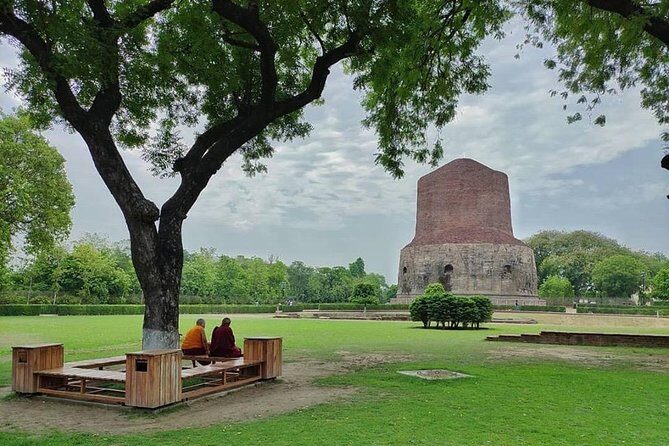
The big idea is simple: Sarnath is where Buddha chose to deliver his very first sermon, making it one of the most venerated Buddhist places in the region. Once you understand that, the individual monuments stop feeling random. They start feeling like chapters in one story.
You’ll also see the Ashoka Pillar, which is a series of columns connected to Mauryan Emperor Ashoka’s inscriptions/edicts from the 3rd century BCE. That historical layer helps you connect faith to political power and public messaging—how ideas spread, not just how temples stand.

Dhamek Stupa and Chaukhandi Stupa: key monuments on foot
You’ll visit the Dhamek Stupa (about 1 hour). The stop is specifically tied to the idea of where the Buddha preached his first message, and the monument is described as dating to Ashoka’s era in the 3rd century BCE. Again, this isn’t just sightseeing time. It’s time with context.
The tour also includes Chaukhandi Stupa. It’s regarded as one of the most important monuments of Buddhist culture, so it fits as another “anchor point” in Sarnath’s layout.
One nice thing about having a guide here is that Sarnath can look like a set of ruins to someone without orientation. With guided explanation, you’re more likely to understand why each site is where it is and what it represents.
The built-in breaks: how the schedule avoids turning into chaos
This tour does something many long day tours don’t: it builds two breaks into the day. After the morning boat tour, you get a breakfast window and roughly two hours to rest before going to Sarnath. Depending on where your hotel is, there’s an option to return and rest first, then head out again.
After visiting Sarnath, you get another break with time for lunch and relaxation before the evening aarti experience. Food and drinks are not included, so this break matters for planning meals rather than trying to hunt for something between stops.
If you hate rushed schedules, this is a big plus. If you love schedules that move fast, you might find the breaks slow you down—but they usually make the difference between enjoying Varanasi and feeling fried by sunset.
Ganga Aarti from a private balcony: the end of the day hits harder
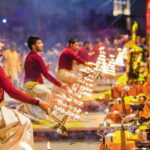
The final ritual is the Ganga Aarti (about 1 hour). This is a Hindu ritual where light is offered to deities, and it often comes with song and ceremony. It’s both spiritual and visual, and it’s one of those experiences where you’ll feel the whole city’s attention tighten into one moment.
This tour includes a private chair in a private balcony with the best view of the aarti. That’s a meaningful value item. Standing shoulder-to-shoulder is common with popular rituals, and reserved seating changes your experience from stressful to watchable.
If you’re taking photos, plan for low light and keep your camera settings realistic. More importantly, give yourself a minute to watch without a lens. The best part is often the sound and rhythm, not just the visuals.
How good is the value for $117.34?
At about $117.34 per person, this is not a budget bargain, but it also isn’t trying to be luxury. The value is in what you’re getting for that money: pickup/drop-off by a private AC vehicle, a licensed private guide, an exclusive morning boat, Sarnath entrance tickets, and the reserved balcony seating for aarti.
In plain terms, you’re paying for three things that are hard to DIY well in one day:
1) Time-efficient guidance across both Hindu and Buddhist sites
2) Transportation and boat access that would be annoying to coordinate on your own
3) Aarti viewing comfort with a reserved setup
Food isn’t included, and tips aren’t included, so you’ll still need to budget for meals. But with the two breaks built in, you’re not stuck trying to eat instantly wherever you happen to be.
If you only have one day in Varanasi and you want both ghats and Sarnath, this price starts to look fair. If you’re staying longer and prefer a slow wander, you might not need a full schedule like this.
What it feels like: guided, respectful, and intense in the right places
This tour is designed to guide you through Varanasi in a respectful way. It doesn’t treat religious spaces as attractions only. The guide’s job here is to translate what you’re seeing into context—especially for moments that can feel heavy, like the cremation-ground stop.
The feedback also points to guide quality and professionalism. People highlighted punctuality, strong English, flexibility, and knowledgeable explanations. In a place where it’s easy to feel overwhelmed, having someone keep the day coherent is a real comfort.
Keep your expectations honest. You’re going to see intense religious life. If you want a relaxed day with only “pretty views,” you might find parts of this emotionally direct. If you want to understand how Varanasi functions as a living spiritual city, this plan fits.
Who should book this one-day Varanasi tour
I’d steer you toward this tour if:
- You have limited time and want both Varanasi ghats and Sarnath
- You value a licensed guide and clear context at major sites
- You want less stress with pickup/drop-off and a planned route
- You care about having decent seating for the evening aarti
I’d think twice if:
- You’re uncomfortable with cremation-related sites
- You dislike early starts and long days
- You want lots of free time with no itinerary structure
Quick practical tips before you go
- Start your day with water and energy. The morning begins at 5:00 am, and you’ll have a breakfast window after the boat ride.
- Wear shoes for stairs and river steps. You’ll be moving on foot for multiple site areas.
- Bring sunglasses and sunscreen for daytime transitions, then plan for cooler evening air around rituals. (What you need will depend on season.)
- Bring cash/card for meals since food and drinks aren’t included.
Should you book Insight’s One Day Varanasi Tour?
If you’re doing Varanasi as a one-day “maximum meaning” trip, I think this is a strong choice. The combination of sunrise boat, guided temple/cremation-ground context, Sarnath’s key monuments, and reserved Ganga Aarti viewing is hard to replicate smoothly on your own in the same day.
Book it if you want structure without feeling rushed into oblivion—because the two breaks genuinely help you absorb what you’re seeing. Skip it only if you know you don’t handle early mornings, lots of walking, or intense religious subject matter well.
FAQ
What time does the tour start?
The tour start time is 5:00 am.
How long is the one-day Varanasi tour?
The duration is listed as 14 hours (approx.).
Is hotel pickup and drop-off included?
Yes. The tour includes hotel pick up and drop off by a private AC vehicle.
Do I need to buy Sarnath tickets separately?
No. Sarnath entrance tickets are included.
Is the Ganga Aarti viewing included?
Yes. You’ll get a private chair in a private balcony with the best view of the aarti, and the aarti itself is part of the experience.
Are meals included?
No. Food and drinks are not included. The tour includes two breaks that give you time for breakfast and later lunch/relaxation.
How big is the group, and are there any minimums?
It’s a private tour with a maximum of 10 people per booking and a minimum of 2 people per booking. Children must be accompanied by an adult.