REVIEW · MUNNAR
Munnar mountain hiking (Full day)
Book on GetYourGuide →Operated by Munnar Info · Bookable on GetYourGuide
Tea, spice, and wildlife on one mountain walk. This full-day trek near Munnar takes you from 1420m up toward 2000m, crossing classic green tea country before the trail turns into cardamom forest and shola woods. I like the way the guided walk makes the tea work feel real (harvesting, plant types, and even tea history), and I also like the odds of seeing local animals like Malabar squirrels, black monkeys, and sometimes wild elephants.
One thing to keep your expectations straight: it’s advertised as hard, but the reality is usually a long hike with breaks, not constant suffering. If you have low fitness, you’ll struggle with the 14–18 km distance and the uphill grind—even if the route is broken up with snacks, water stops, and lunch.
This is a great day when you want fresh air, cool mountain temps, and a guide who can point out what you’re actually walking through. You’ll meet at Munnar Info, be picked up around Munnar town, and spend about 7 hours on the trail with packed food and entry fees handled.
In This Review
- Key things to know before you go
- Getting to the trail near Munnar Info (without the stress)
- The full-day workout: 14–18 km toward 2000m
- Tea plantations: where your feet learn the story
- Cardamom forests and shola woods: the air changes when the tea ends
- Wildlife chances: Malabar squirrels, black monkeys, and elephants
- Lunch and breaks: how they keep you going for 7 hours
- How fit do you need to be for this Munnar hike?
- Price and value: why $24 can make sense here
- Who should book this Munnar mountain hike (and who might not)
- Should you book it? My practical take
- FAQ
- How long is the Munnar mountain hiking full-day tour?
- What distance and elevation does the hike cover?
- What’s included in the price?
- Where is the meeting point?
- Is the tour suitable for low fitness levels or babies?
- Is pickup and drop-off included?
Key things to know before you go
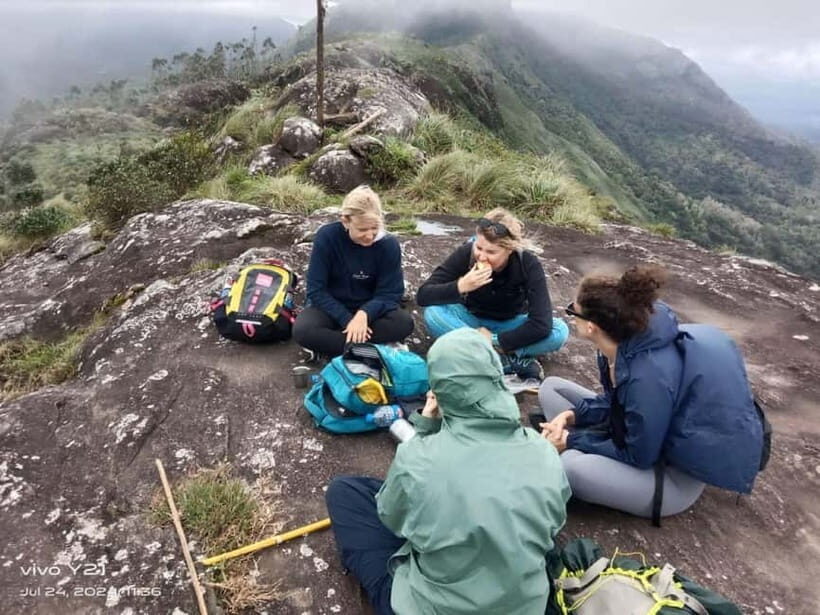
- 14–18 km and a climb from 1420m to 2000m: plan for a steady walking day, not a short nature stroll
- Tea plantations first, then cardamom forest: the scenery shifts after the tea rows, and so does the air
- Shola woods are the “birding” part: expect birdsong and a forest feel under thick canopy
- Wildlife sightings are a real possibility: Malabar squirrels, black monkeys, and wild elephants can show up
- Packed lunch and mineral water are included: you can keep your backpack light and focused
- Expect a small-group feel: some groups are just a few hikers, which helps with pacing and questions
Getting to the trail near Munnar Info (without the stress)
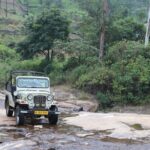
Your day starts at Munnar Info, the meeting point. They also pick you up from the Munnar town area, so you’re not stuck figuring out trailhead access on your own. What’s not included is private, door-to-door transportation—so if you’re staying far out of town, confirm you’re comfortable with the pick-up radius.
The first practical mindset shift: treat this like a guided hiking appointment, not a casual sightseeing stop. You’ll get moving as part of a full-day plan, and the route is designed around that 7-hour window.
You can also read our reviews of more hiking tours in Munnar


The full-day workout: 14–18 km toward 2000m
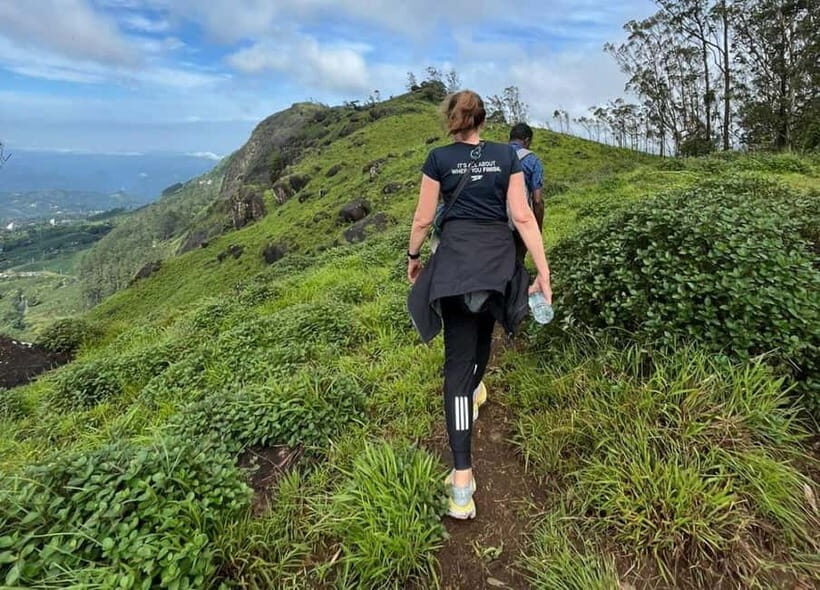
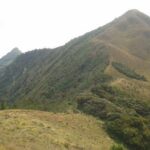
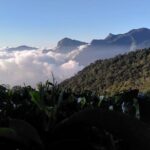
This trek runs long—between 14 and 18 kilometers—and the elevation gain matters. You start at 1420 meters, then hike up to the highest point around 2000 meters. That’s the reason you’ll feel cooler air than you’d get lower down in Kerala, especially as you approach the top.
How hard is it in real life? The tone from the guides and hikers is usually “moderate” rather than “punishing,” with breaks built in. You may still face a couple longer uphill sections, because that’s what you signed up for when the goal includes a 2000m high point. If you’re the type who walks a bit slow but steady, you’ll likely be fine—as long as you’re honest about your endurance.
My advice: wear proper hiking or comfortable shoes and don’t wait until day-of to break them in. Sunscreen is also worth it here. Even when it’s cool, you can still get sunburn if clouds roll in and out.
Tea plantations: where your feet learn the story
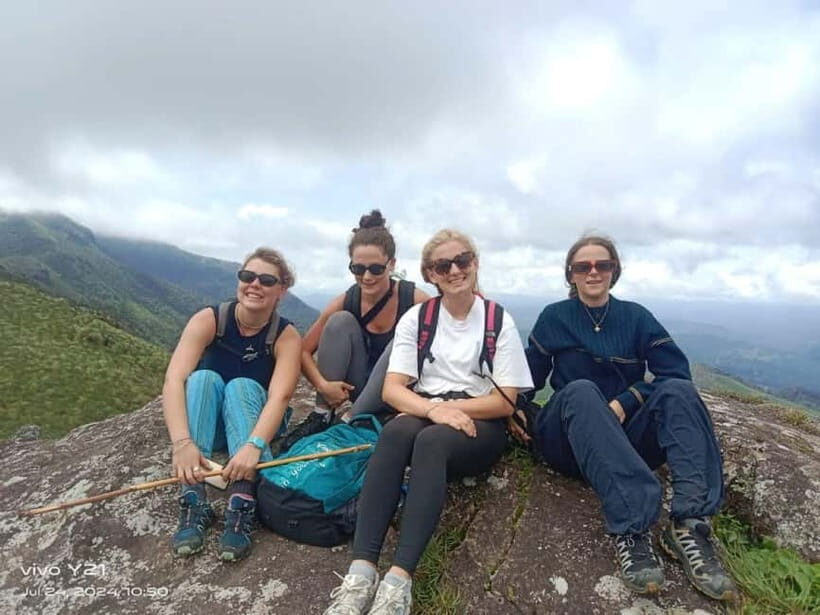
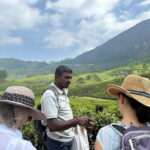
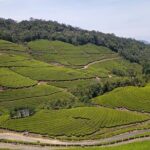
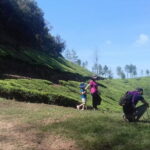
The walk spends a big chunk of the morning inside green tea plantations, which are basically the backbone of Munnar’s tea industry. This is where the guide work really pays off. Instead of just saying “tea plants are here,” your guide can explain how tea harvesting works, what different tea types look like, and how people manage these fields.
I particularly like the way the trail makes tea feel hands-on. You’re not just looking at rows—you’re moving between them, seeing how the plants are spaced and how the terrain shapes the plantation work. Some guides (like Rajan, Ramesh, King Raja, and Raja J) are praised for connecting plants to everyday life and local labor stories, not just giving facts from a brochure.
You might also catch an occasional smell of coffee from nearby plantations. It’s one of those small sensory cues that helps the region feel multi-crop, not single-crop.
Practical tip: take your time in the tea sections. The walking can feel “easy enough,” but you’re still stacking distance. Use the plantation moments to settle into a rhythm—this is a great place to find pace and spacing within your group.
Cardamom forests and shola woods: the air changes when the tea ends
Once you go beyond the tea fields, the trail shifts into cardamom forests. Even if you’re not a spice nerd, you’ll notice the air. Cardamom has a distinct aroma, and the forest feels different after the uniform lines of tea bushes.
Then comes the shola woods, a Western Ghats ecosystem known for thick canopy and a dense, cool feel. This is where bird life is a big part of the experience. Your guide can point out plant details—plus the forest floor can be carpeted with ferns and mosses, which adds that constant green underlayer.
If you like birdwatching, this is the section where the hike becomes more than cardio. You’re listening for birdsong, watching movement between branches, and learning what makes this forest system unusual. The best part is that the shola area often feels less “worked” and more natural compared to the plantation routes.
What to watch for: the shola areas can feel steeper or slippery depending on ground conditions. You don’t want to rush here. Slow steps are faster long-term.
Wildlife chances: Malabar squirrels, black monkeys, and elephants
This trek’s wildlife promise isn’t just marketing. You get a real chance at seeing:
- Malabar squirrels
- Black monkeys
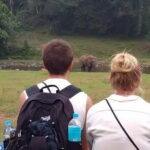
- Wild elephants (sometimes at a distance, sometimes closer)
Wild animals are always unpredictable, so don’t count on any specific sighting. But guides here are used to wildlife timing and usually know where to keep eyes moving without spooking the area.
If you do spot elephants: stay calm, keep distance, and follow your guide’s instructions. One important point from real-world experience is that sometimes you may need to wait until the herd moves on before continuing.
Also, keep your expectations realistic with monkeys and squirrels. They’re fast. The goal is to catch glimpses and enjoy the moment, not to force a perfect photo.


Lunch and breaks: how they keep you going for 7 hours
A big part of why this hike feels manageable is the planning around food and hydration. Packed food and mineral water are included, and your guide builds in scheduled stops for refreshments.
In practice, that means you can keep your pack lighter than you might on a self-guided hike. Several hikers noted they were provided enough water and food (including homemade items and tea along the way). That’s a quality-of-life win: you’ll walk longer without dealing with the “did I pack enough?” stress.
I also like that the day doesn’t just throw you into one long push. You get breaks, and those breaks are often when guides share plant notes, tea stories, or local details. It turns the hike into a learning walk, not just a route.
How fit do you need to be for this Munnar hike?
The right fitness level is “moderate,” but with a clear honesty check: 14–18 km plus uphill to around 2000m means your legs will work. The hike is not suitable for people with low level of fitness, and it’s not suitable for babies under 1 year or people over 95 years.
Some hikers found the pace comfortable because of breaks, and one person even reported walking closer to 6 hours for about 12 km. Others described it as moderately intense. That spread usually comes from your natural pace, the condition of the path, and how often you stop for photos or wildlife.
My take: if you can comfortably walk for a few hours on uneven ground and you’re okay with sustained uphill, you’ll likely enjoy it. If you’re currently skipping hikes because they drain you fast, pick a shorter option.
Price and value: why $24 can make sense here
At $24 per person for a roughly 7-hour guided hike, the value comes from what’s included:
- Trained guide
- Packed lunch
- Mineral water
- All entry fee
- Skip the ticket line
A $24 hike only feels fair if the guide is doing real work (and here, the praise is consistent). Guides like Rajan, Ramesh, and King Raja are highlighted for plant and tea explanations, plus sharing stories that connect what you’re seeing to how the area lives.
Also, the food and water included means you don’t get nickel-and-dimed on the trail. You’re paying for a guided day that otherwise would require your own logistics.
One caution on value: make sure the day’s effort matches your expectations. If you arrive wanting an effortless walk, the distance will still ask something of you. But if you’re open to a solid hike with breaks, it’s a good deal.
Who should book this Munnar mountain hike (and who might not)
Book this if you want:
- a guided walk that explains tea and spices, not just views
- a nature day that includes shola forest atmosphere and bird-focused moments
- wildlife interest, especially chance sightings of Malabar squirrels, black monkeys, and elephants
Skip it if:
- you have low fitness and don’t want to manage a long distance uphill
- you’re traveling with very young kids (the tour isn’t suitable for babies under 1 year)
- you’re over 95 and want something less strenuous
If you’re a solo traveler who likes asking questions, the guide-led format is a plus. Some groups have been small, which tends to make it easier to keep the day moving at a pace you can handle.
Should you book it? My practical take
I think you should book this if you’re excited about tea country and forest ecology and you can handle a full day of walking. The mix—tea plantations in the morning, then cardamom and shola—keeps the hike from feeling repetitive. And the best part is the human one: guides (including Rajan, Ramesh, and King Raja) are repeatedly praised for turning plants, birds, and tea production into a story you can walk inside.
I wouldn’t book it if you want a short, low-effort stroll. Even when it’s not the hardest trek people expect, it’s still 14–18 km with meaningful elevation gain. Bring good shoes, accept that your legs will get a workout, and you’ll likely come home happy.
If you’re the type who enjoys being outside, learning while you walk, and seeing wildlife when the chance appears, this hike fits Munnar in a way a bus tour can’t.
FAQ
How long is the Munnar mountain hiking full-day tour?
The tour lasts about 7 hours.
What distance and elevation does the hike cover?
The hike ranges from about 14 to 18 kilometers and climbs from around 1420 meters to a highest point near 2000 meters.
What’s included in the price?
It includes a trained English-speaking guide, packed food, mineral water, and all entry fees. It also includes skipping the ticket line.
Where is the meeting point?
You meet at Munnar Info. The operator will pick you up from the Munnar town area.
Is the tour suitable for low fitness levels or babies?
No. It is not suitable for people with low level of fitness, and it’s not suitable for babies under 1 year.
Is pickup and drop-off included?
Private transportation for pick up and drop off is not included. The tour states that they will pick you up from the Munnar town area, but private door-to-door service isn’t part of the package.