REVIEW · MUMBAI
Dharavi Slumdog Millionaire Tour
Book on Viator →Operated by Dynamic Mumbai · Bookable on Viator
A city within a city, on foot. This Dharavi Slumdog Millionaire tour takes you through real-life work—plastic recycling, leather manufacturing, dyeing, pottery—so you understand what the movie hinted at. I like that you get personalized attention from a private guide, and you’ll see how everyday industries keep families going. One thing to consider: it’s a walking tour in tight lanes, and there’s no air-conditioned vehicle included.
Dharavi is famous, but the value here is how the tour is paced: guided, local, and focused on how residents turn materials into livelihoods. The guides often stress safety, respect, and staying aware of where people live and work—so you’re not just passing through a scary postcard.
You’ll typically meet at Café Coffee Day (Unit No. 58, Ground Floor, Ram Mahal Building, Senapati Bapat Marg, T.P. Road area) and the tour ends back near the same meeting point. If you can arrange pickup from select hotels, that’s a nice time-saver in Mumbai traffic, and you’ll also have a mobile ticket ready to go.
In This Review
- Key takeaways before you go
- Dharavi on Foot: Why This Tour Feels Different
- Your Private Guide: The Real Secret to a Safe, Respectful Walk
- The Dharavi Circuit: Plastic, Leather, Dye and Recycling
- More Than Workshops: Alleys, Houses, and Schools
- Ethics and Comfort: How to Do This Tour the Right Way
- Price, Timing, and What You Actually Get for $39.63
- What to Wear and Expect on a Walking Route in Dharavi
- Who This Tour Suits Best (and Who Might Want Another Option)
- Should You Book This Dharavi Slumdog Millionaire Tour?
- FAQ
- FAQ
- How long is the Dharavi Slumdog Millionaire tour?
- Is pickup available?
- Where does the tour start?
- Is the tour private?
- What’s included in the price?
- Is there an air-conditioned vehicle?
- Do I need an admission ticket?
- Is it easy to get to the meeting point?
- What if I need to cancel?
Key takeaways before you go
- Private guide, not a herd: You’re with one group and a guide like Nick or Nikesh, often praised for fluent English and local upbringing.
- Industries, not just alleys: You’ll focus on hands-on trades such as plastic and cardboard recycling, can recycling, leather work, and color dyeing.
- Built for a short visit: Plan on about 3–4 hours, with the main Dharavi walk running around 2 hours.
- Small, human stops: You’ll pass by alleys and houses and even see schools along the way.
- Practical inclusions: Bottled water is included, and the tour is designed so most people can participate.
Dharavi on Foot: Why This Tour Feels Different
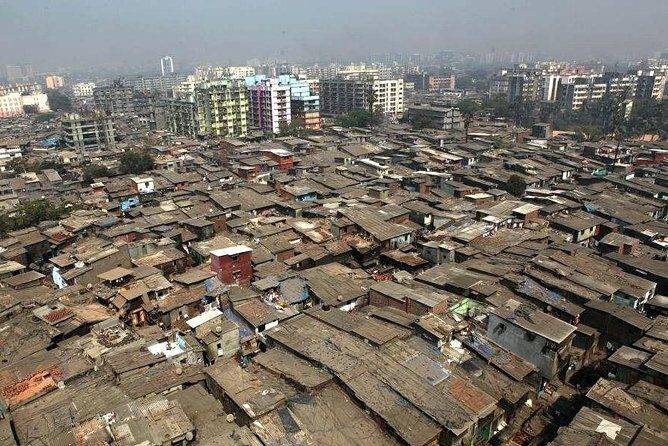
Dharavi can sound like one big “thing” before you see it: a slum, a movie setting, a headline. What makes this tour worth your time is that it treats Dharavi as a working place with multiple industries stacked close together. You don’t just look at buildings. You follow the trades—what people do, what they recycle, what gets processed, and how that work shapes daily life.
The tour’s structure is also what helps. In roughly 3–4 hours, you get guided context plus a route through several types of workshops and production areas. That time window is important: you can learn a lot without turning the experience into a long grind that leaves you too tired to think clearly.
The best part is how it balances curiosity with reality. The route is about jobs like plastic recycling, leather manufacturing, color dyeing, and pottery, not about sensationalizing poverty. When a guide is local—like Nick/Nikesh as described in feedback—you typically get explanations that feel grounded in daily life, not a memorized script.
You can also read our reviews of more tours and experiences in Mumbai.


Your Private Guide: The Real Secret to a Safe, Respectful Walk
A private guide can make or break a slum tour. Here, that’s not marketing talk—it’s the main design. You’re not trying to navigate confusing lanes alone, and you’re not guessing what you should (or shouldn’t) ask. You also get pacing that helps you handle the emotional side of what you’ll see.
In feedback, guides named Nick (and Nikesh, which appears as the same person’s name in some notes) are repeatedly singled out for fluent English and for growing up in the area. Another name that comes up is Dev, mentioned as part of the team for other tours too. That matters because local experience usually means the guide knows how to steer you around sensitive moments and keep the group moving at a respectful speed.
You should also expect the guide to set expectations for safety and conduct. Several write-ups highlight that people felt safe and welcomed while walking through Dharavi’s lanes. That doesn’t mean it’s “easy” or “touristy.” It means the tour is managed in a way that makes you feel like a visitor who belongs there for a short time, not a spectacle being watched.
The Dharavi Circuit: Plastic, Leather, Dye and Recycling
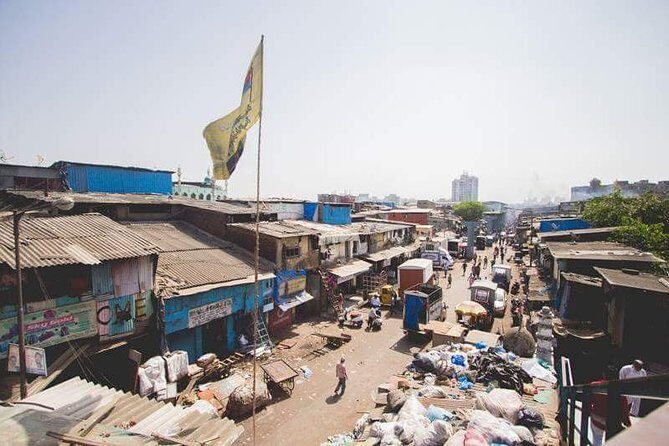
The core experience is a guided walking loop that connects industries to geography. In this tour, your first stop centers on Dharavi’s work areas, and the topics are specific enough that you can actually picture what’s happening.
Here’s what you can expect to see and talk about during the roughly 2-hour portion:
- Plastic recycling: You’ll learn how materials are sorted and processed, and how waste becomes usable input again. This is one of Dharavi’s defining trades because plastic is everywhere in modern life, and the local industry makes that “everywhere” turn into income.
- Leather manufacturing: You’ll see the leather-making side of the area, which gives you a different view from recycling. It’s a reminder that Dharavi isn’t only about turning scraps into basics—it also supports more specialized processing work.
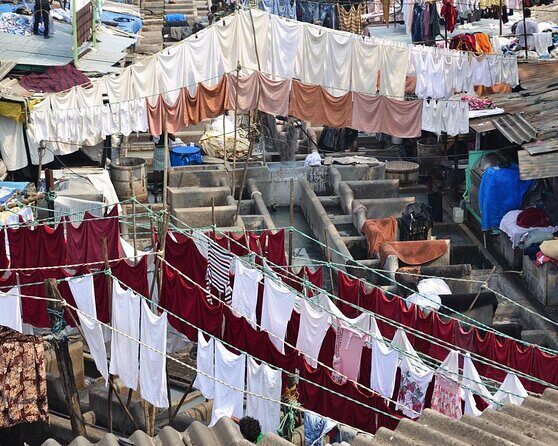
- Colour dyeing: Dyeing is where you can really sense the sensory reality of work sites—colors, materials, and the idea that production is happening right where people live nearby.
- Recycling of can and cardboard recycling: These stops underline the scale of recovery work. Cans and cardboard are less dramatic than, say, electronics, but they’re constant. If you like practical industry stories, this part delivers.
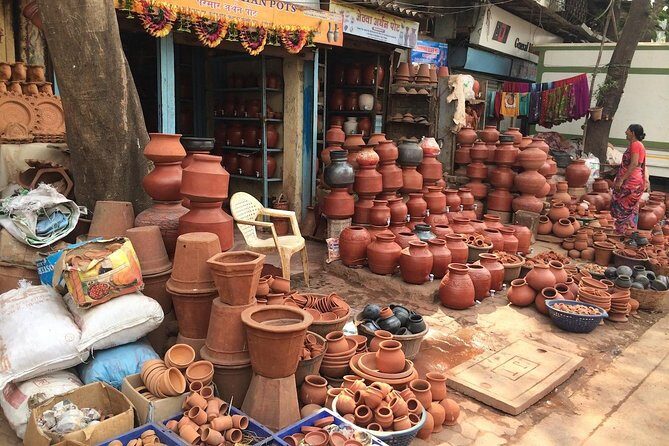
- Pottery: Pottery adds a “craft” angle. It helps your brain balance the heaviness of waste work with something shaped by human hands and process.
What I like about tours structured like this is that you get to compare industries. Even within a few hours, you can see how different trades require different setups, tools, and day routines. It also helps you avoid the common trap of seeing Dharavi as one single stereotype.
More Than Workshops: Alleys, Houses, and Schools
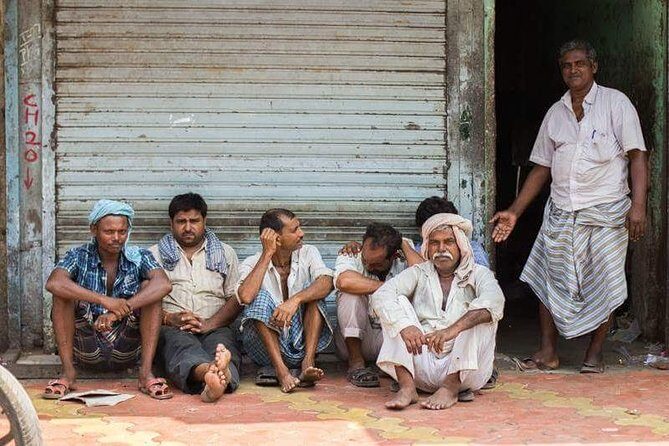
The route doesn’t only show workplaces. It also gives you a sense of the residential mesh that surrounds them—small alleys and houses—so you can understand how work and home overlap.
You may also see schools along the way. That’s a subtle but powerful stop. It changes the conversation from an “industry story” to a “future story.” When you witness schooling in the same physical area where work happens, you get a clearer picture of how residents think about what comes next.
A walking route through alleys also means you’ll notice how tight the spacing is. That can be uncomfortable if you’re expecting open views, but it’s also the point: Dharavi’s layout is part of how the industries function. If you keep your expectations flexible, it becomes easier to appreciate what you’re seeing.
Ethics and Comfort: How to Do This Tour the Right Way
Let’s be real: some people feel uneasy about visiting a slum. That unease isn’t wrong. If you care about how your presence lands in someone’s life, you’ll do better here than people who treat everything as scenery.
The tour’s best promise is that it’s guided and structured around industries people rely on. But your role still matters. A few practical thoughts that keep the experience respectful:
- Keep your questions about work, not pity. Ask how trades operate and how people sustain their routines.
- Stay aware of privacy. In tight lanes, it’s easy to accidentally crowd someone’s doorway or work area.
- Move at the guide’s pace. A private guide is managing both timing and safety. If you fall behind, you lose that control.
- Be prepared for emotion. Even when the tour is handled well, you’ll still be seeing real living conditions and real work environments.
In the feedback, people repeatedly describe feeling safe and welcomed. That likely comes from guides setting boundaries and steering the group carefully. Still, if you’re extremely sensitive to close-quarters poverty, plan for that discomfort and decide whether you want a different kind of Mumbai experience.





Price, Timing, and What You Actually Get for $39.63
At $39.63 per person for about 3–4 hours, this is priced like a focused walking experience rather than a full-day production. That matters for value: you’re paying for a private guide route, local context, and time inside Dharavi’s work zones.
Here’s what’s clearly included:
- Bottled water
- Private guide walking tour
- Mobile ticket
- Pickup available from select hotels (if you can match your location)
And here’s what’s not included:
- Air-conditioned vehicle (so don’t expect comfort during any transfer)
One more detail that affects value: the itinerary indicates admission is free for the main activity portion. In other words, you’re not adding a large onsite fee on top of the tour price.
Timing is also a big deal. A 3–4 hour window is long enough for real understanding but short enough to keep you from running on overload. If you’re doing other Mumbai plans the same day—like food or sightseeing—this duration is manageable.
If you’re trying to budget, this tour is also a good choice because you won’t need to add a separate museum-style admission cost. You’re mainly paying for the guide-led route and the chance to see how the local economy functions.
What to Wear and Expect on a Walking Route in Dharavi
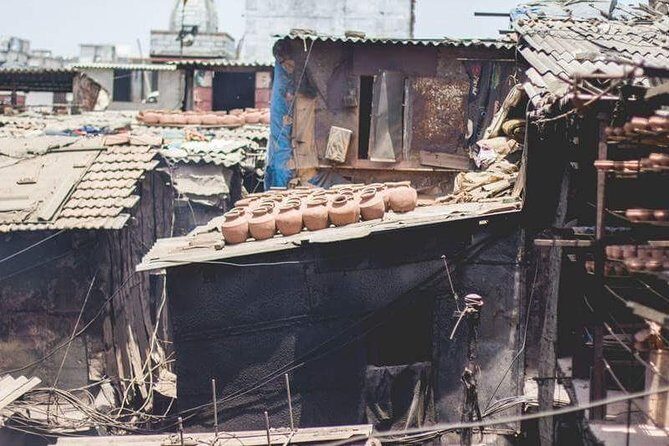
Because this is a guided walk through small alleys and houses, comfort matters more than style. Wear closed-toe shoes with decent grip, and plan for lots of turns and uneven surfaces. Bring a light layer if the day is chilly, and if it’s hot, rely on the included bottled water and take breaks when the guide signals.
Also, keep your camera habits calm. If you get excited and start filming everything, you can disrupt the pace and make people uncomfortable. The best attitude is to follow the guide’s cues and treat the visit like a conversation, not a photo shoot.
If you’re traveling as a family, this tour can work because it’s a manageable length and is described as enjoyable even for children in family groups. Still, younger kids may get restless during workshop-side walking, so keep an eye on attention spans and be ready to pause.
Who This Tour Suits Best (and Who Might Want Another Option)
This is a strong fit if you want:
- a guided introduction to Dharavi’s industries
- a short, structured visit that doesn’t require you to “figure things out” alone
- a tour led by someone with local connection—Nick/Nikesh is repeatedly mentioned as fluent and familiar with the area
It may be less ideal if you:
- hate walking tight spaces for extended stretches
- expect an air-conditioned ride to dominate the experience (the vehicle part isn’t included)
- struggle with visiting places tied to poverty and real living conditions without feeling overwhelmed
If you want a more polished, less personal style of tourism, you might prefer a different Mumbai tour. But if you’re open to learning about how work keeps communities going, this one offers a clear, practical path.
Should You Book This Dharavi Slumdog Millionaire Tour?
If you’re curious about Mumbai beyond the obvious postcard scenes, I think this tour is a smart book. The price is reasonable for a private walking guide, and the focus on specific trades—plastic recycling, leather manufacturing, color dyeing, can and cardboard recycling, pottery—means you leave with real ideas, not just vague impressions.
I’d book it if you value:
- a guide who can explain what you’re seeing in fluent English
- a route that includes both work areas and everyday life elements like alleys, houses, and schools
- a visit designed to make you feel safe, welcomed, and respected
Skip it (or at least rethink) if walking through dense lanes would stress you out, or if you’re not emotionally ready for close contact with real working and living conditions.
FAQ
FAQ
How long is the Dharavi Slumdog Millionaire tour?
It lasts about 3 to 4 hours total, with the main Dharavi stop taking around 2 hours.
Is pickup available?
Yes, pickup is available from select hotels.
Where does the tour start?
The meeting point is Café Coffee Day, Unit No. 58, Ground Floor, Ram Mahal Building, Senapati Bapat Marg, T.P. Road, Marinagar Colony, Navjivan Society, Mahim, Mumbai 400016.
Is the tour private?
Yes. It’s a private tour/activity, so only your group participates.
What’s included in the price?
Bottled water is included.
Is there an air-conditioned vehicle?
No. An air-conditioned vehicle is not included.
Do I need an admission ticket?
The activity portion listed includes admission as free.
Is it easy to get to the meeting point?
It’s near public transportation.
What if I need to cancel?
Cancellation is free if you cancel up to 24 hours in advance for a full refund.