REVIEW · NEW DELHI
Private Car and Drive for Golden Triangle (4N/5D)
Book on Viator →Operated by Discover India By Car · Bookable on Viator
This trip keeps you moving without the hassle that usually comes with India’s big-city logistics, and the private, air-conditioned car is the reason. I also like that you get a licensed live tour guide option, so the sights come with real context instead of just signboards. One thing to weigh: monument tickets and meals aren’t included, so your day can feel a bit “add-on” once you start paying at each stop.
The best part is how the route is built for you: round-trip pickup from your Delhi hotel, a planned day-by-day schedule across Delhi, Agra, and Jaipur, and on-board comforts like WiFi and bottled water. You still choose your own accommodation and meals, which is great if you want control over budget and food. Just remember the itinerary hits many major sights, so you’ll want energy—or good naps between stops.
In This Review
- Key Things I’d Pay Attention To
- How The Private Car Changes Your Golden Triangle Pace
- Day 1 in Delhi: Red Fort, Humayun’s Tomb, and the Old City Sweep
- Red Fort (Closed on Mondays)
- Humayun’s Tomb
- India Gate + quick sacred stops
- Qutub Minar + Jama Masjid
- Day 2 Agra Fort and Mehtab Bagh: When the Day Feels More Scenic
- Agra Fort
- Mehtab Bagh
- Day 3 Taj Mahal Day and Fatehpur Sikri: The Big Two
- Taj Mahal (Closed on Fridays)
- Fatehpur Sikri
- Day 4 Jaipur’s Pattern of Icons: Hawa Mahal to Amber Fort
- Hawa Mahal (Palace of Wind)
- Jantar Mantar
- City Palace + Jal Mahal
- Amber Palace/Fort
- Day 5 Jaipur Finale: Birla Mandir and Your Return Rhythm
- Birla Mandir
- Tickets, Closures, and How to Avoid Day-1 Friction
- Price and Value for a 5-Day Private Driver Tour
- Drivers and Guides: The Difference Between Seeing and Understanding
- Who This Tour Suits Best (and Who Might Reconsider)
- Should You Book This Private Golden Triangle Drive?
- FAQ
- Which cities does the Golden Triangle tour cover?
- Is this tour truly private?
- Does the tour include pickup from my Delhi hotel?
- What’s included in the tour price?
- Are monument tickets included?
- What happens if my dates include a closure day?
- Do you offer airport transfers?
Key Things I’d Pay Attention To
- Private car pacing: fewer scramble moments, more time to actually enjoy each site
- A guide option that matters: better explanations at places like Fatehpur Sikri, where guide Ali gets highlighted
- Clear admission setup: many sites are free entry, but key ones are not included (so bring cash/card)
- Driver quality focus: safety and punctuality show up again and again with drivers like Mahesh, Sushil, Jeet, Manu, and Singh
- City closures can hit your dates: Red Fort and several Delhi sites close on Mondays; Taj Mahal closes on Fridays
- Your trip, your group: it’s truly private, just your family or friends (so you set the tone)
How The Private Car Changes Your Golden Triangle Pace

Golden Triangle tours can feel like a conveyor belt—people sprinting between sights, fighting traffic, and trying to piece together transport on the fly. This one is designed to reduce that friction. You get hotel pickup in Delhi, a dedicated private air-conditioned car, and a driver who handles the driving and the route planning day to day.
That matters because traffic between Delhi, Agra, and Jaipur isn’t just annoying—it can eat your sightseeing time if you’re coordinating yourself. With a private car, you’re not hunting for taxis, negotiating rides, or recalculating timing every time traffic shifts. You’re also not trying to “guess” how long each stop will take. Your plan already accounts for time on the ground at each major attraction.
The on-board touches are small but useful: WiFi and packaged bottled water are included, and that’s exactly what you want during hot afternoons and quick transitions. Even the fact that parking fees, tolls, fuel, taxes, and handling charges are included is practical. It means fewer surprise expenses and less admin.
Possible drawback: when the itinerary is packed, a smooth drive still can’t remove the fact that you’re spending real hours sightseeing. If your group likes a slower day, you’ll want to build in time for pauses—especially for late afternoons.
You can also read our reviews of more private tours in New Delhi



Day 1 in Delhi: Red Fort, Humayun’s Tomb, and the Old City Sweep
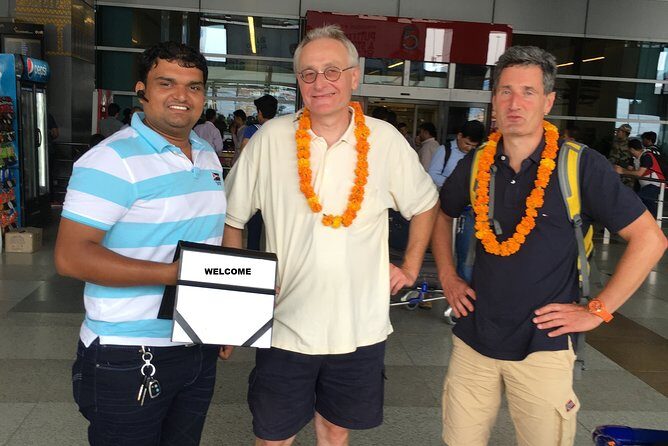
Day 1 is all about Delhi’s layers—monuments from different eras, plus a contrast between grand imperial buildings and places that feel more local and lived-in.
Red Fort (Closed on Mondays)
Red Fort is the big attention-getter. It’s scheduled first, with about an hour on-site, and it’s not included in the price for admission. The one catch is timing: it’s closed on Mondays. If your trip starts on a Monday, your day will need to adapt, either by shifting priorities or accepting that this stop may not happen as planned.
Humayun’s Tomb
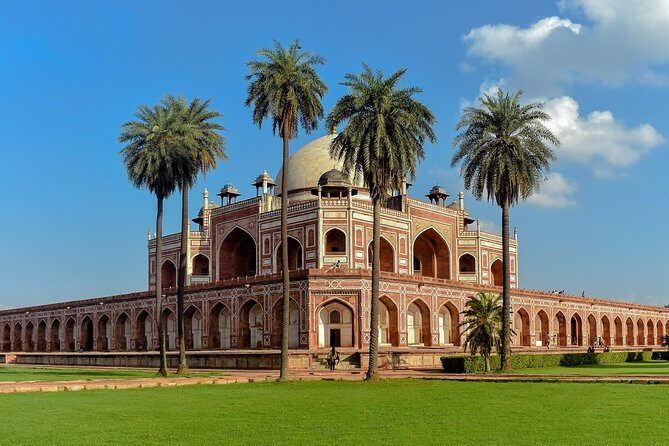
Next comes Humayun’s Tomb, with about 1 hour 30 minutes. Admission isn’t included here either. This stop is a good “breather” between huge outdoor complexes: the setting helps you slow down, look closely, and get a sense of the architectural planning behind the monument.
India Gate + quick sacred stops
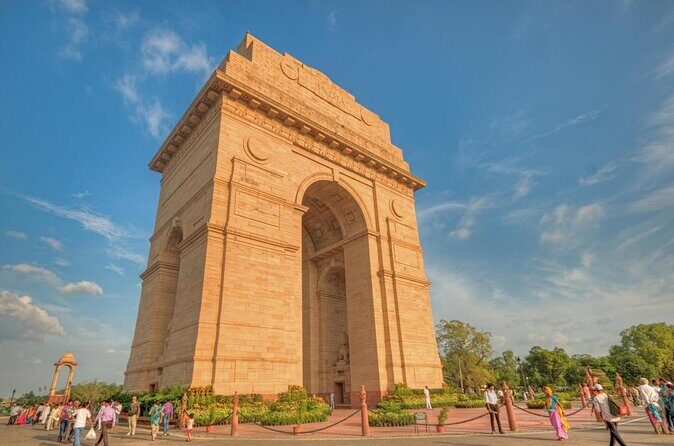
You then hit India Gate (about 20 minutes, free entry). It’s short, but it works because it gives you a landmark moment without stealing the whole afternoon.
After that, Lotus Temple is scheduled for 30 minutes (free entry, closed on Mondays). Gandhi Smriti follows (about 30 minutes, free entry, also closed on Mondays). If you’re traveling near a Monday, this day becomes a test of flexibility. You may end up trading time at closed sites for other nearby opportunities—your guide’s job is to keep you moving intelligently.
A few more New Delhi tours and experiences worth a look






Qutub Minar + Jama Masjid
Qutub Minar gets about an hour (admission not included). Then Jama Masjid comes last (about an hour, admission not included). This is a strong end-of-day combination: Qutub Minar is iconic and visually dramatic, while Jama Masjid adds that larger sense of “Delhi as a functioning city,” not just a sightseeing checklist.
What I like about this day: it’s structured so you don’t only chase one famous monument. You get Mughal-era grandeur, a civic landmark feel, and a religious site that helps you understand how Delhi works today.
Day 2 Agra Fort and Mehtab Bagh: When the Day Feels More Scenic
Day 2 shifts you into Agra, still with a private car so the travel doesn’t hijack your day.
Agra Fort
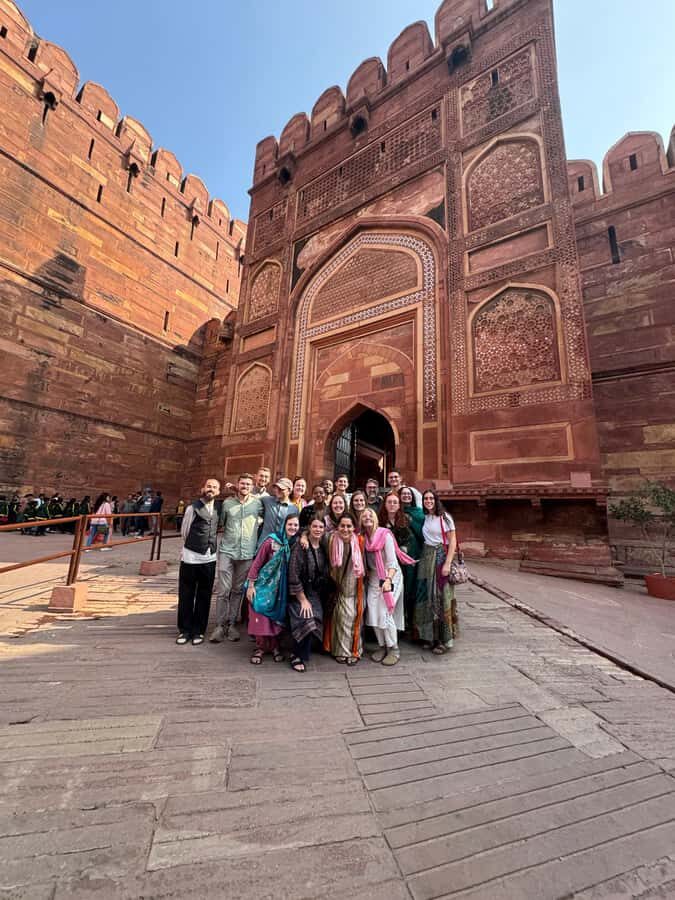
Agra Fort is on the schedule first (about 1 hour 30 minutes). Admission isn’t included. Forts are one of those sights that reward patience—there are details in the layout and the way the structures relate to their surroundings. With just the right pace, you’ll get more than a quick “photo run.”
Mehtab Bagh
Then comes Mehtab Bagh (about 1 hour). Admission isn’t included. This stop is all about the viewpoint and the setting. Think of it as a calmer, more scenic contrast to the fort—more time to look, breathe, and absorb how the river and landscape shape what you see.
Small caution: because tickets aren’t included, you’ll want to confirm what you’ll pay for each major site before you reach the gates. Having that straight in your head keeps the day from feeling expensive in a sudden, annoying way.
Day 3 Taj Mahal Day and Fatehpur Sikri: The Big Two
Day 3 is the emotional peak of many Golden Triangle trips—and it’s built to deliver that.
Taj Mahal (Closed on Fridays)
Taj Mahal is first (about 2 hours). Admission isn’t included, and here’s the key scheduling reality: it’s closed on Fridays. If your dates land on a Friday, plan for the day to change. This is one of those things you can’t fix with a faster taxi—closure is closure. Before you finalize any plans, check the weekday you’ll be there and ask what your guide recommends.
Fatehpur Sikri
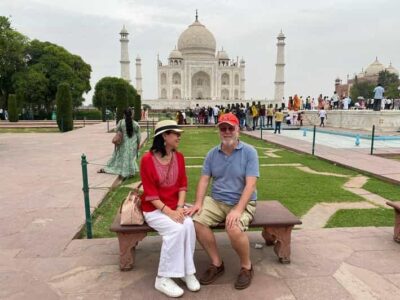
Then you head to Fatehpur Sikri (about 1 hour 30 minutes, free entry). This is the kind of place where a good guide can make a huge difference. In the experiences shared with this tour setup, guide Ali is singled out for strong English and detailed explanations—and that kind of commentary turns ruins and stonework into a story you can follow, not just a dramatic background.
Fatehpur Sikri also gives your trip texture. You’re not only seeing the most famous “must-dos.” You’re seeing a historical complex that feels different from the Taj’s perfect symmetry.
My take: if you love architecture, planning, and symbolic details, Fatehpur Sikri is the “think a little” day. Keep your questions ready. A guide who can answer them (and Ali’s English is noted as solid) is worth its weight in air-conditioned calm.
Day 4 Jaipur’s Pattern of Icons: Hawa Mahal to Amber Fort
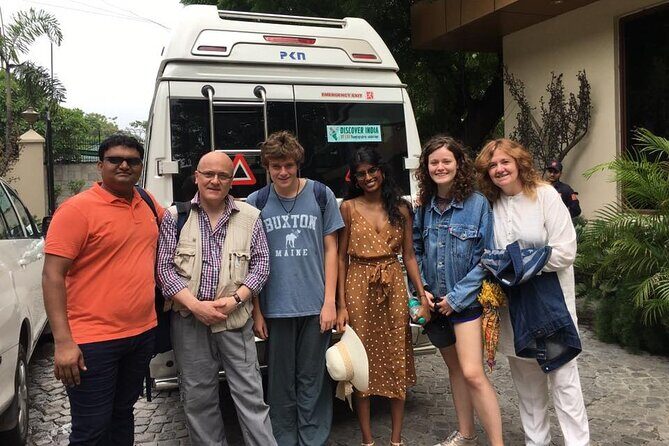
Jaipur is where the Golden Triangle starts to feel like a film set—color, geometry, and forts that are built to be seen from multiple angles. Day 4 follows a classic route, but the order still matters.
Hawa Mahal (Palace of Wind)
Hawa Mahal is scheduled for 30 minutes (admission not included). It’s quick, but it’s also a very “Jaipur” stop—lots of visual rhythm, and an easy place for your guide to explain what you’re looking at.
Jantar Mantar
Next is Jantar Mantar (about 1 hour, admission not included). This isn’t just sightseeing; it’s a chance to notice how measurement and astronomy can show up as physical objects. If your group likes science-ish stories, spend a few extra minutes asking your guide what the instruments are doing.
City Palace + Jal Mahal
City Palace is next (about 1 hour, admission not included). Then there’s a short stop at Jal Mahal (about 20 minutes, admission not included). Jal Mahal is the “stop for the view” piece. It’s best approached with expectations set: it’s not a long museum visit. It’s a quick pause to see how water and palace architecture create a layered look.
Amber Palace/Fort
Finally, Amber Fort gets about 1 hour (admission not included). Amber is the day’s weight. If your legs feel like they’ve been through a thousand stairs already, you’ll appreciate not being forced to rush. But if your group is the type that loves fort details, you’ll want to stay longer than the slot allows—so talk to your guide about priorities.
Practical note: Jaipur days can get hot. You’ll feel the value of having AC in the car between stops. Treat the car like your reset button.
Day 5 Jaipur Finale: Birla Mandir and Your Return Rhythm
Day 5 keeps it light and flexible. That’s a relief after Taj Mahal and Amber Fort.
Birla Mandir
Birla Mandir is scheduled for 30 minutes (free entry). Admission is listed as free, and the short visit format makes sense as a concluding stop—enough time to appreciate the setting, not so long that it drains the day.
After that, your trip wraps with the plan ending back at the starting meeting point in central Delhi.
How to make the last day feel worth it: if you want a final shopping stop or a relaxed meal near your Delhi-area base, build it around your flight or timing needs. The tour format doesn’t lock you into specific meals or hotel options, so you can close the trip on your terms.
Tickets, Closures, and How to Avoid Day-1 Friction
The schedule has clear closure days. That’s helpful, but it also means you should plan with weekdays in mind, not just dates.
- Red Fort and Lotus Temple are closed on Mondays
- Gandhi Smriti is closed on Mondays
- Taj Mahal is closed on Fridays
Also watch the admission pattern:
- Several stops show admission ticket free (like India Gate, Fatehpur Sikri, Birla Mandir, and a few Delhi sites)
- Many others are not included, including Red Fort, Humayun’s Tomb, Qutub Minar, Agra Fort, Taj Mahal, Hawa Mahal, Jantar Mantar, City Palace, Amber Fort, and Jal Mahal
What this means for your budget: your listed tour price isn’t the same as your “all-in” cost. You’ll still pay monument entries as you go. The good news is that you can predict this fairly well because the schedule flags which places are free versus not.
How I’d handle it as a smart traveler: ask your guide on Day 1 to confirm which pay sites you’ll hit that day and what the likely entry situation is. When you know that upfront, there’s no last-minute sticker shock.
Price and Value for a 5-Day Private Driver Tour
At $167.50 per person, this isn’t an ultra-budget option, but it also isn’t priced like a luxury driver package that includes everything. The value comes from what’s built into the logistics.
You’re paying for:
- Private, air-conditioned transport
- Round-trip Delhi hotel pickup as part of the experience structure
- Parking fees, tolls, fuel, taxes, and handling charges
- WiFi on board and bottled water
- A licensed live tour guide option (if you choose the guided pricing)
And you’re not paying for:
- Food, drinks, and accommodation (you choose what you want)
- Monument admission tickets (pay-as-you-go for many big sights)
If you compare this to piecing together trains, shared transfers, or constant taxi hunting, the “private car” part often becomes the real bargain. The cost is higher than a group tour, but you gain time, comfort, and control. For families and friend groups—especially when you want everyone to move at the same pace—this setup can be the easiest way to see the Golden Triangle without turning the trip into a logistics course.
Good to know: there’s also an airport transfer one way option listed at $30.00 per booking. If you need it, ask before you arrive so your plan doesn’t wobble on timing.
Drivers and Guides: The Difference Between Seeing and Understanding
A Golden Triangle drive can be impressive even with a basic guide. But it’s the good guidance that makes it memorable.
Across the experiences connected to this tour approach, the recurring theme is safe, punctual, friendly driving. Names like Mahesh and Sushil show up with praise for making people feel relaxed and maximizing time. Drivers like Jeet, Manu, and Singh are highlighted for professionalism and helpful restaurant and sightseeing suggestions.
For guides, Ali gets called out strongly at Fatehpur Sikri. If you end up with a similar style of guiding—clear English and detail that helps you understand what you’re seeing—you’ll likely feel less like you’re just checking boxes.
This matters because many of these sights reward attention. The Taj Mahal isn’t just a photo; it’s a whole composition. Forts are more than walls; they’re layouts. Even places that are short stops can become more meaningful if someone helps you notice what to look for.
Who This Tour Suits Best (and Who Might Reconsider)
This private car and drive works best if you want:
- A planned route across Delhi, Agra, and Jaipur with fewer moving parts
- Comfort and timing control through a dedicated air-conditioned vehicle
- A flexible approach where you choose your own meals and hotels
- The option to add a licensed live tour guide
It might be less ideal if:
- Your group hates paying separate monument tickets (since many major sites aren’t included)
- You want a slow, spend-the-day-in-one-place style trip; this format is efficient and sight-focused
- Your travel dates line up with closures and you’re hoping to guarantee specific monuments no matter what (Mondays and Fridays can disrupt key stops)
Should You Book This Private Golden Triangle Drive?
I’d book it if you want the Golden Triangle done the practical way: a private car, a guide option that can make sites click, and a route that moves you between three major cities without daily stress. The value comes from logistics being handled—parking, tolls, fuel, and the driving—and from the fact that you can still steer your own day with where you eat and where you stay.
I’d be cautious if you’re traveling on a Monday or Friday and Taj Mahal or certain Delhi monuments are must-sees. In that case, confirm what your guide plans to do around closures, and be ready to pay monument fees as you go.
If you can handle that, this tour format is a strong, sensible way to get the big sights of India’s Golden Triangle while keeping the experience comfortable and well paced.
FAQ
Which cities does the Golden Triangle tour cover?
This private tour covers three cities: Delhi, Agra, and Jaipur.
Is this tour truly private?
Yes. It is a private tour/activity with only your group participating.
Does the tour include pickup from my Delhi hotel?
Yes, it includes round-trip transfers from your Delhi hotel for convenience.
What’s included in the tour price?
Included are parking fees, tolls, fuel, taxes, and handling charges, plus private air-conditioned transport, WiFi on board, complimentary packaged water bottles, and a licensed live tour guide if you choose the guided option.
Are monument tickets included?
No. Monument, attraction, and activity fees are not included, even though some stops list admission as free.
What happens if my dates include a closure day?
The schedule lists closures: Red Fort and Lotus Temple are closed on Mondays, and Taj Mahal is closed on Fridays. If your trip lands on those days, you may encounter closures for those specific sights.
Do you offer airport transfers?
An airport transfer (one way) is available for $30.00 per booking. The tour also includes hotel pickup in Delhi.