REVIEW · NEW DELHI
Private 3 Day Delhi ,Agra ,Jaipur Golden Triangle Tour
Book on Viator →Operated by Akbran Tours · Bookable on Viator
Golden Triangle, minus the guesswork. This private 3-day route strings together Delhi, Agra, and Jaipur with hotel pickup and a guide you can actually ask questions of, not just stare at. I love the private guide in each city and the skip-the-line sunrise Taj Mahal timing. The trade-off is a schedule that starts early and spends plenty of time in the car.
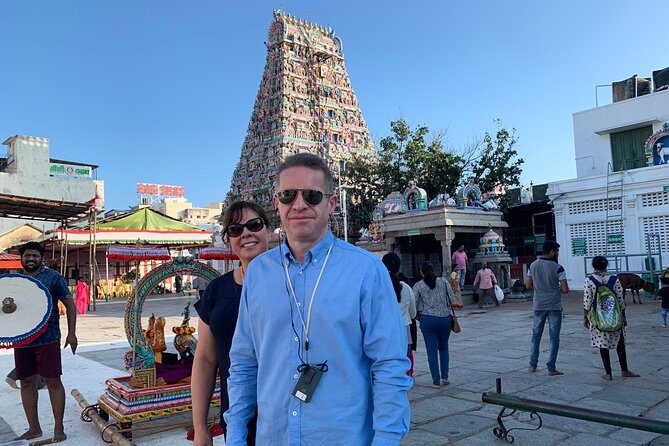
In Delhi, you get a strong contrast: Chandni Chowk and the big Jama Masjid vibe right next to Delhi’s grand monuments. One catch is the Lotus Temple stop, which remains closed on Mondays, so the flow can feel slightly different depending on your day.
What makes the price feel fair is that it bundles two nights in a three-star hotel on twin share, breakfast, bottled water, and monument entrance fees across the route. At $119.15 per person, you’re paying for convenience and access, not just sightseeing.
In This Review
- Key highlights at a glance
- Why This Golden Triangle Tour Feels Worth It
- Day 1 in Delhi: Mughal Icons and Old Delhi Texture
- Old Delhi: Chandni Chowk and Jama Masjid
- Red Fort and the long drive to Agra
- Sunrise Taj Mahal in Agra: Beautiful Light, Real Timing
- Traveling onward to Jaipur
- Jaipur Day 3: Fort Views, Palaces, and Astrological Instruments
- Jantar Mantar and step well stop
- Gaitore Ki Chhatriyan and the return to Delhi
- Price and Logistics Value: What You’re Really Paying For
- Hotels, Cars, and the Small Comforts That Matter
- Who This Tour Fits Best (And Who Might Want More Flexibility)
- Should You Book This Private 3-Day Golden Triangle Tour?
Key highlights at a glance
- Private guide in each city so you’re not stuck translating everything on the fly
- Skip-the-line sunrise Taj Mahal entry for an easier, more rewarding visit
- Hotel pickup and drop-off each day that reduces the Delhi navigation stress
- Old Delhi street scenes including Chandni Chowk and Jama Masjid, with an optional rickshaw add-on
- Entrance tickets included across Delhi–Agra–Jaipur so you can budget without constant “extra tickets”
Why This Golden Triangle Tour Feels Worth It
If Delhi, Agra, and Jaipur feel like a blur of names and ticket counters, this type of private route helps you breathe. You’re not planning train times, finding entrances, or figuring out how to move between neighborhoods. A private driver and city guide handle the moving parts, so you can focus on the sights and ask the questions that make India click.
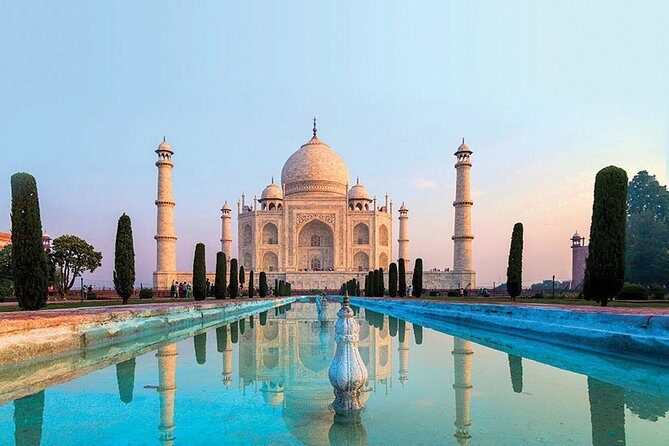
I also like that it’s built around time and access. The Taj Mahal is approached at sunrise, which is a huge practical win because you’re less likely to fight crowds and heat at the same time. You’re paying for structure.
One more value point: the tour includes monument entrances for the Delhi–Agra–Jaipur circuit (with skip-the-line for Taj Mahal and other sites). That matters because these add up quickly when you buy everything separately.
You can also read our reviews of more private tours in New Delhi


Day 1 in Delhi: Mughal Icons and Old Delhi Texture
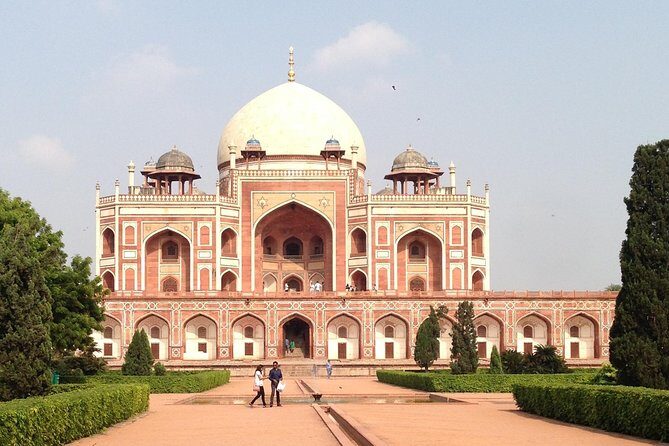
Day 1 is where you get your bearings fast. The tour starts with hotel or airport pickup at a set time, then you head straight to Humayun’s Tomb. This stop is about calm scale. It’s Mughal architecture with a sense of symmetry and detail that makes it easier to understand how later Mughal masterpieces were shaped.
From there, you visit Lotus Temple, the flower-shaped Bahá’í House of Worship. Even if you’re not religious, the design works: clean lines, lots of light, and a quieter pause from the street noise. If your day falls on a Monday, this is the one stop that may be off the table, since it remains closed that day.
Next comes India Gate, a war memorial for Indian soldiers who died in the First World War (1914–1921). It’s a short stop, but it gives context. You’ll see how the city uses public space for remembrance, not just traffic and commerce.
After that, you’ll have exterior photo moments at government landmarks including the President House. Think of this as a quick visual checklist: you get the idea without turning your day into a museum marathon.
Old Delhi: Chandni Chowk and Jama Masjid
The day shifts gears once you drive into Old Delhi. Chandni Chowk is one of the oldest markets in the area, and you’ll feel it immediately—narrow lanes, dense energy, and a lot happening at once. Your guide keeps it readable so it doesn’t just become sensory overload.
Then you move to Jama Masjid, one of India’s largest mosques, capable of accommodating over 25,000 devotees at one time. You’ll get the main visit time and then a chance to add a rickshaw ride through Chandni Chowk’s tight streets (the ride itself is not included). This optional add-on is where the experience turns from seeing to feeling the place. If you’re the type who likes photos but also likes not walking too far, this is a smart compromise.
Red Fort and the long drive to Agra
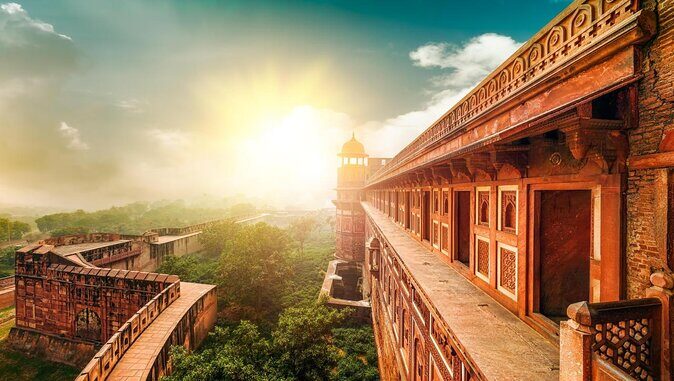
After Old Delhi, the tour includes a brief stop at Red Fort of New Delhi—built by Mughal King Shahjahan. You won’t linger like a full-day Red Fort deep dive, but you’ll get the key visuals and move on.
Lunch happens on your own during the day, then you drive toward Agra (about 3.30 hours, traffic dependent). En route, there’s a scheduled washroom stop at a highway hotel on the Yamuna Expressway corridor. That matters more than people think on a day like this—when the driving time is real, planned breaks keep the trip from getting cranky.
By the time you arrive in Agra, you check into your hotel and get the night to recover.
Sunrise Taj Mahal in Agra: Beautiful Light, Real Timing
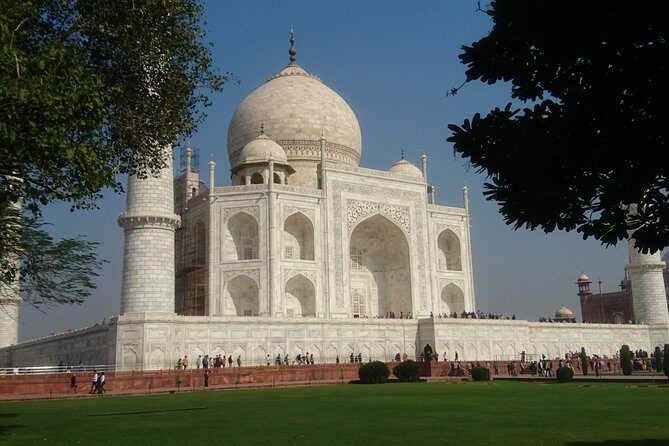
Day 2 is anchored by Taj Mahal at around 06:00, timed for sunrise. This is the crown jewel moment, but it comes with a practical cost: you start early. If you hate mornings or you’re sensitive to sleep disruption, build in extra quiet time the night before and consider setting expectations that this is a highlight-focused day, not a slow one.
You’ll spend about two hours at the Taj Mahal. With sunrise light, marble can look warmer and softer, and the whole site feels more cinematic than mid-day. A private guide also helps you see what to look for instead of just photographing the front view.
After Taj Mahal, you return to your hotel for breakfast, then check out and head to Agra Fort. The fort gives you the other side of the Mughal story: defensive walls, royal living history, and a sense of scale that makes the Taj feel like more than a standalone monument.
Then you drive to Fatehpur Sikri, the former capital of the Great Mughals. You’ll visit palaces built in red stone, and the time there helps you connect the dots. It’s a different kind of Mughal experience—less about one iconic building and more about a whole city footprint.
A few more New Delhi tours and experiences worth a look





Traveling onward to Jaipur
Once Fatehpur Sikri is done, it’s back in the car and on to Jaipur (around 4 hours, traffic dependent). You’ll transfer to your hotel and stay overnight. This is one of those days where you end up valuing the comfort of having a private driver. You’re not just getting from A to B; you’re getting from highlight to highlight without the stress of figuring out the route yourself.
Some groups have been looked after by drivers such as Raza or Prem, and the common thread is a smoother ride with helpful commentary while you travel. That kind of road-side context can turn a drive from wasted time into part of the learning.
Jaipur Day 3: Fort Views, Palaces, and Astrological Instruments
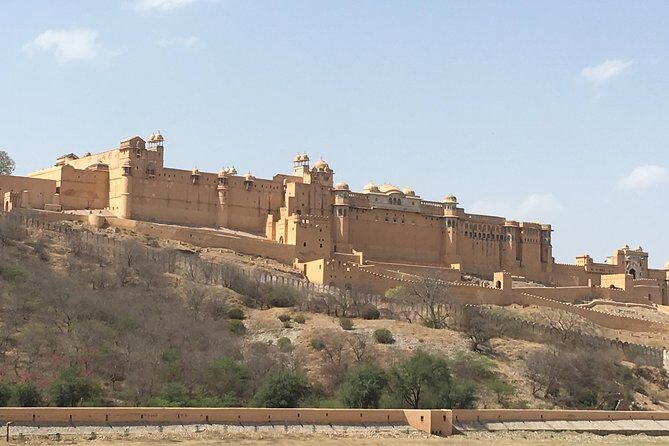
Jaipur is designed for walking through layers. Day 3 starts with Amber Palace. This hilltop fort is known for artistic style, large ramparts, and cobbled paths. Plan for a bit of uneven ground and stairs. Even if you’re not a big history person, Amber delivers visually: from the ramparts you get sweeping views, and the fort structure makes sense once you arrive.
Next you stop at Jal Mahal, the Water Palace. You mostly see it from the outside, but that’s part of the charm. It looks like a mirage resting on water, and it’s perfect for quick photos without eating up too much of the day.
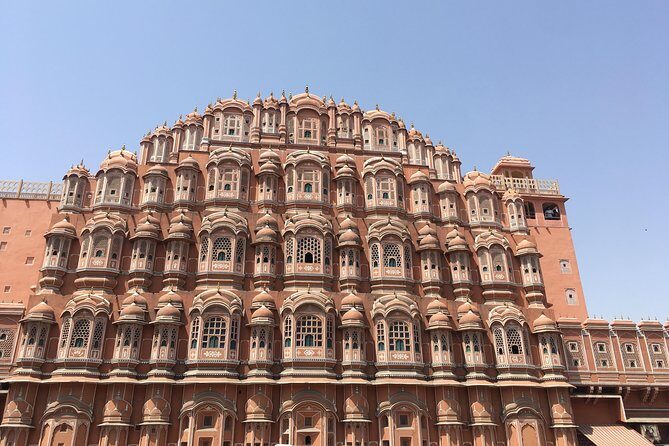
Then comes Hawa Mahal, the Palace of Wind. You’ll see why it was built with red and pink sandstone and those famous small windows. It’s connected to the old way of life for palace women: a place to watch the city without being seen. The best part of this stop is how it changes how you picture Jaipur street life.
After that, you visit City Palace, the administrative and ceremonial seat of the Maharaja of Jaipur, now converted into a museum. You get about an hour, which is enough time to see the main courtyards and key buildings without feeling rushed.
Jantar Mantar and step well stop
Next is Jantar Mantar, a UNESCO World Heritage site featuring old astrological instruments, including the largest sun dial in the world (built in 1734). This is one of those places that surprises you. It’s not just objects; it’s a way of understanding how people measured sky and time before modern instruments.
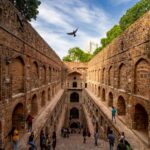
Then you’ll stop at Panna Meena ka Kund, a step well near Amber Fort. It was used for collecting water for Amer and also served nearby temples. It’s short, but it adds a practical layer to the day: Jaipur isn’t only palaces; it’s engineering and daily life.
Gaitore Ki Chhatriyan and the return to Delhi
The final historical stop in Jaipur is Gaitore Ki Chhatriyan, tied to the Rajput dynasty Kachwaha and the royal crematorium grounds. The idea here is quiet respect rather than big crowds.
Lunch happens on your own, and then you drive back to New Delhi with drop-off at your hotel or the airport.
Price and Logistics Value: What You’re Really Paying For
At $119.15 per person, the headline number is easy to compare. The better question is: what’s included that normally costs extra?
Here’s the trade you’re making:
- Two nights in a three-star hotel on twin sharing
- Breakfast for two mornings
- Entrance tickets for monuments across Delhi–Agra–Jaipur
- Skip-the-line entry for the Taj Mahal (and other listed monuments)
- Private guide in each city
- Bottled water
- Hotel pickup and drop-off each day
- A private car based on group size (sedan for 1–2, 7-seater SUV for 3–5, mini bus for 6–10)
What’s not included is also important. Lunch and dinner are on you. A Rickshaw ride in Delhi is optional and not included. Gratuities are optional, too. And if you travel around Christmas or New Year, there can be mandatory gala dinner charges paid directly to the hotels involved.
So the value is strongest if you want:
- fewer ticket lines and less guessing
- an actual guide to explain what you’re seeing
- a smooth door-to-door schedule across three major cities
If you already know you like building your own itinerary and don’t mind negotiating transport, you might find cheaper ways. But if you want the Golden Triangle in 3 days without turning it into a planning project, this price-to-convenience ratio is hard to ignore.
Hotels, Cars, and the Small Comforts That Matter
This is a private tour, meaning it’s only your group. That matters in India because pace and timing can be everything. Your day won’t get dragged by other people’s late starts, and your guide can slow down or speed up depending on what you care about.
Your car type depends on group size:
- 1–2 people: sedan
- 3–5 people: 7-seater SUV
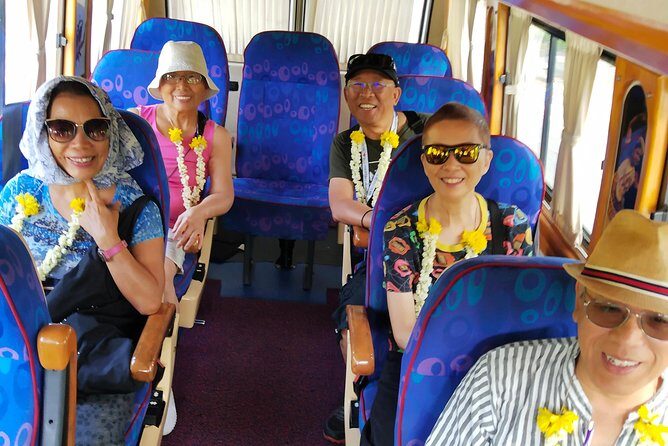
- 6–10 people: mini bus 12 seater
That’s practical because it keeps you from cramming or paying extra for the wrong vehicle class.
Dress code is smart casual, and the tour operates in all weather conditions, so you should pack for heat and sun, plus a light layer for evenings. Bottled water is included, and there’s a planned washroom stop during the longer highway drive—again, small planning details that help the day feel manageable.
One more comfort factor: the drivers and guides are described as fully vaccinated. It won’t change the monuments, but it adds a little peace of mind.
Who This Tour Fits Best (And Who Might Want More Flexibility)
This tour suits you if:
- it’s your first time in India and you want help navigating logistics
- you want the Golden Triangle highlights without a self-planning headache
- you like guided visits where someone explains what you’re looking at
- you don’t want to pay separate entrance fees for each major site
It may feel too tight if:
- you prefer slower days with long unstructured breaks
- you hate early mornings (Taj sunrise is the anchor)
- you want more free time in markets beyond a guided pass
If your idea of a perfect trip is wandering for hours without a schedule, consider adding extra days beyond this 3-day circuit. But if you want three iconic cities and you want them to run smoothly, this is the kind of format that works.
Should You Book This Private 3-Day Golden Triangle Tour?
I’d book this tour if you want a straightforward Golden Triangle hit with private guidance, included entrance access, and pickup/drop-off. The best part is that you’re buying less hassle as much as you’re buying sights. Sunrise at the Taj Mahal is the big reason. Old Delhi plus Jama Masjid is the second reason.
I would hesitate only if you know you’ll struggle with early starts and long driving days, or if your travel dates land on a Monday and Lotus Temple matters a lot to you. In that case, ask how your day’s sequence adjusts.
If you want a clean, guided route that gets you from Delhi’s monuments to Agra’s main event to Jaipur’s forts and palaces without turning your vacation into a logistics project, this one makes sense.