REVIEW · VARANASI
Varanasi: Sunrise walking tour with Chai & Arti Ceremony
Book on GetYourGuide →Operated by Azaan Travels · Bookable on GetYourGuide
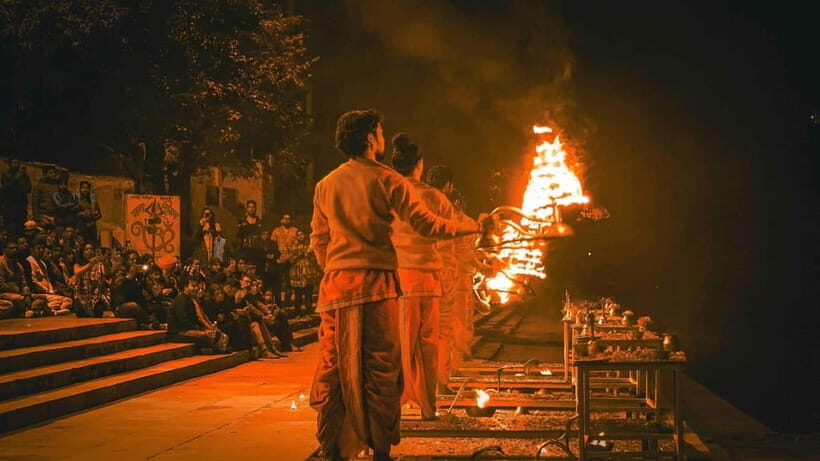
Morning Varanasi hits different. From Assi Ghat, you’ll witness the Arti ceremony and havan as the city wakes, then continue into the first-light calm that makes Varanasi feel unusually close and personal.
I like how the experience mixes sacred ritual with real sightseeing: you’ll get chai in the traditional way and a sunrise boat window for views across many ghats. One key consideration is timing—if the day’s start feels tight (like arriving right around 6am), you may catch only part of the Arti if it’s already underway.
In This Review
- Key Highlights You’ll Actually Feel
- Assi Ghat at Dawn: Arti and Havan Before the City Moves
- Chai on the Ghat: A Simple Break That Tells You Varanasi’s Mood
- Sunrise Boat Ride: Views Over Ghats (and Why Water Matters)
- Walking the Ghats: Stories You Can’t Get From a Map
- Manikarnika Ghat: A Powerful Finish and a Moment for Respect
- Kashi Vishwanath Temple: What’s Included, What’s Not
- Price and Value: Why $17 Can Be a Smart Deal
- What to Expect in Duration (Real-World Timing)
- Walking Comfort and What to Bring
- Choosing Your Guide: The Best Ones Ask You Questions
- Should You Book This Varanasi Sunrise Walk?
- FAQ
- Where does the tour start?
- Is the sunrise boat ride included?
- What rituals are included in the experience?
- Does the tour include Kashi Vishwanath temple entry or donations?
- How long is the tour?
- What should I bring?
- What isn’t allowed during the tour?
Key Highlights You’ll Actually Feel
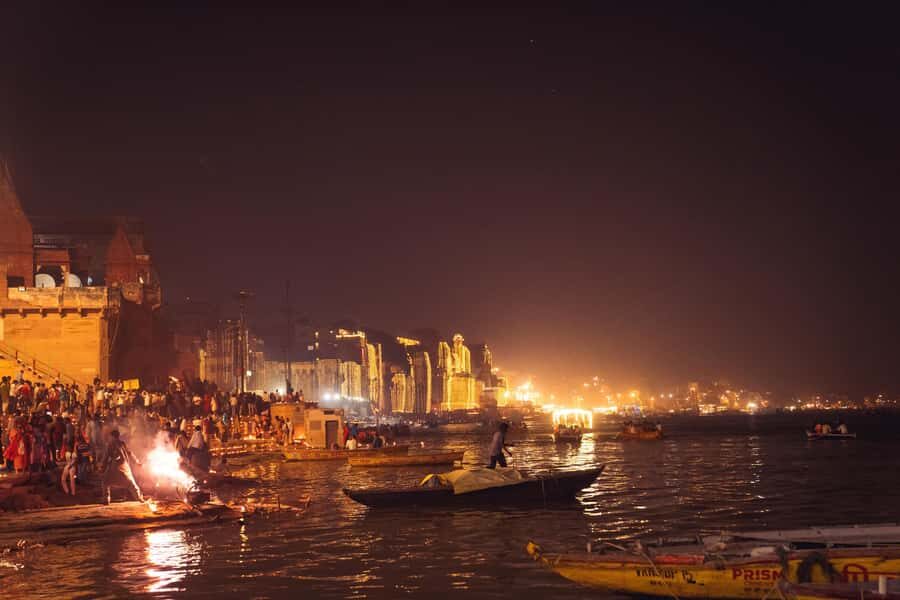
- Assi Ghat Arti + havan at first light, set in the spiritual rhythm of the riverfront
- Sunrise boat ride on the Ganges for a great picture angle over the ghats
- Chai break the local way, including masala chai served in traditional cups
- Manikarnika Ghat visibility, where Varanasi’s ideas of life and death sit side by side
- A knowledgeable local guide focused on history and religion, plus time for your questions
Assi Ghat at Dawn: Arti and Havan Before the City Moves
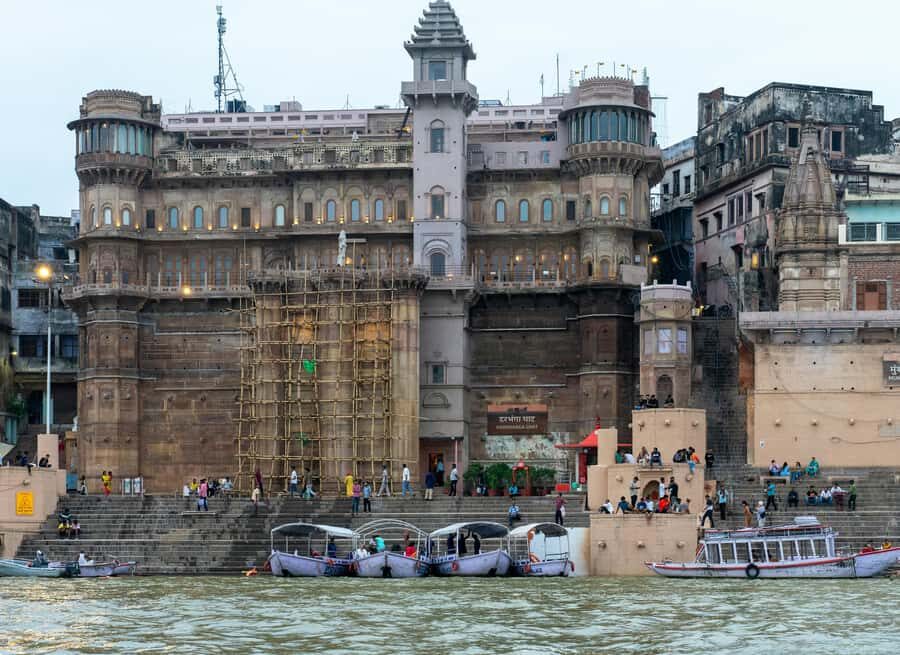
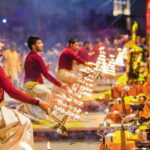
This tour starts at Assi Ghat in the early morning, while Varanasi is still mostly quiet. The first big moment is watching the Arti ceremony, along with havan (a fire ritual). That combination matters here because it turns the ghats from scenery into a living practice you can see and understand with a guide explaining what you’re looking at.
The guides also frame the ritual in plain terms—what the steps mean, why the timing matters, and how it connects to the riverfront temples and community life. It’s not just watching fire and incense; it’s learning the logic behind it so the rest of the walk has context.
One practical point: you’re doing this around sunrise. If you show up later than planned, the ceremony may already be in motion. In real life, I’d treat the start time as flexible but your arrival as firm—plan to be ready early so you don’t feel rushed.
You can also read our reviews of more walking tours in Varanasi


Chai on the Ghat: A Simple Break That Tells You Varanasi’s Mood
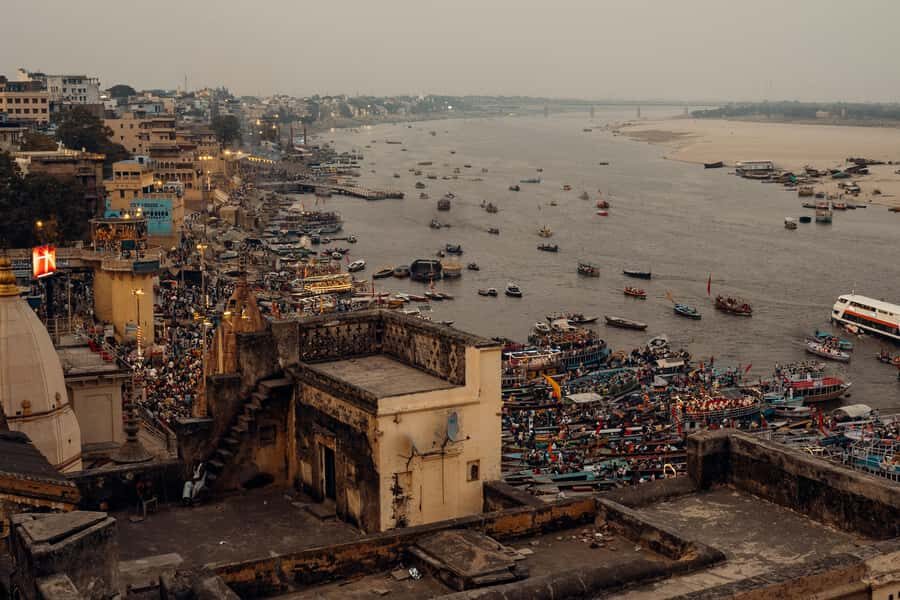
After the ritual viewing, you get chai (masala tea) in a traditional way. This isn’t just a drink stop. In Varanasi, that small pause helps you shift from ceremony intensity to slow morning walking—less like a theme-park schedule, more like joining a local routine.
Some tea is served in clay cups, which adds to the feel and also keeps things casual. You’ll want that warm sip because mornings can cool down quickly near the river, even in warmer months.
If you’re wondering whether chai is a “filler,” think again: it’s a rhythm-break that gives you time to ask questions, catch your breath, and settle your senses before the boat and the longer stretch on foot.
Sunrise Boat Ride: Views Over Ghats (and Why Water Matters)
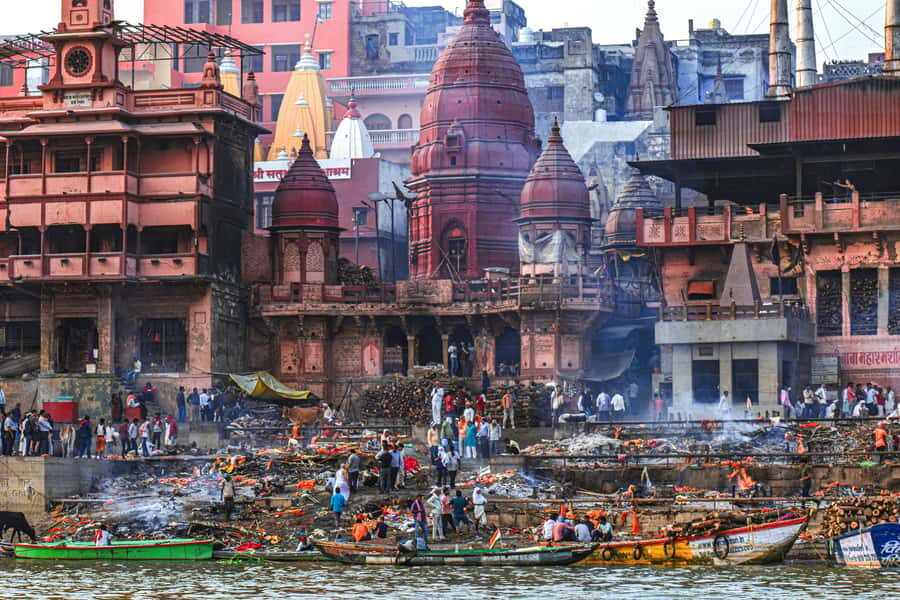
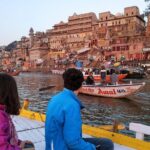
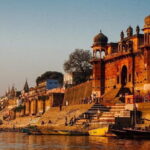
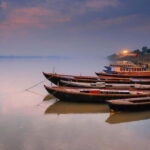
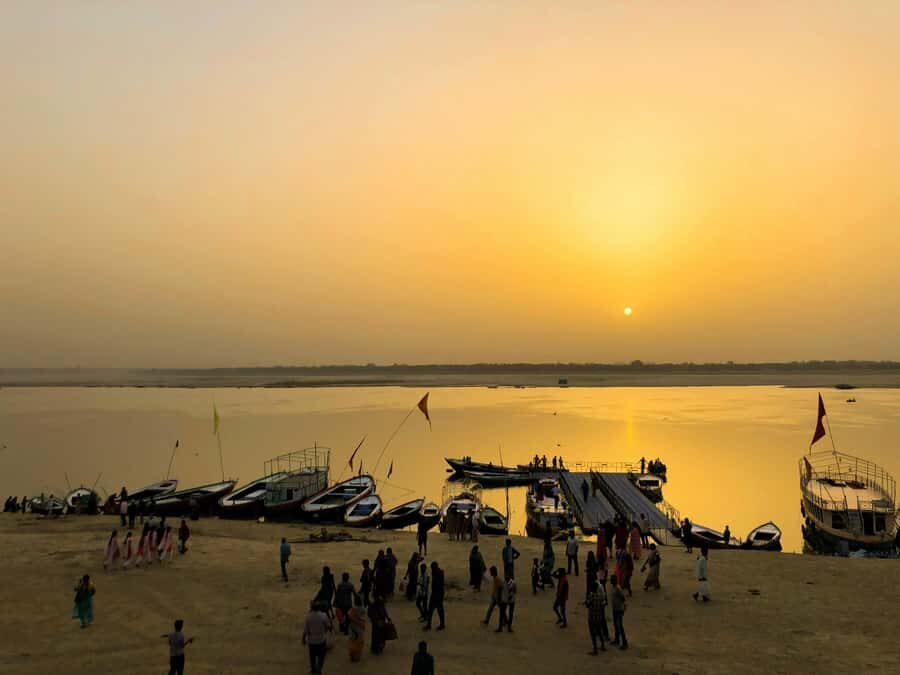
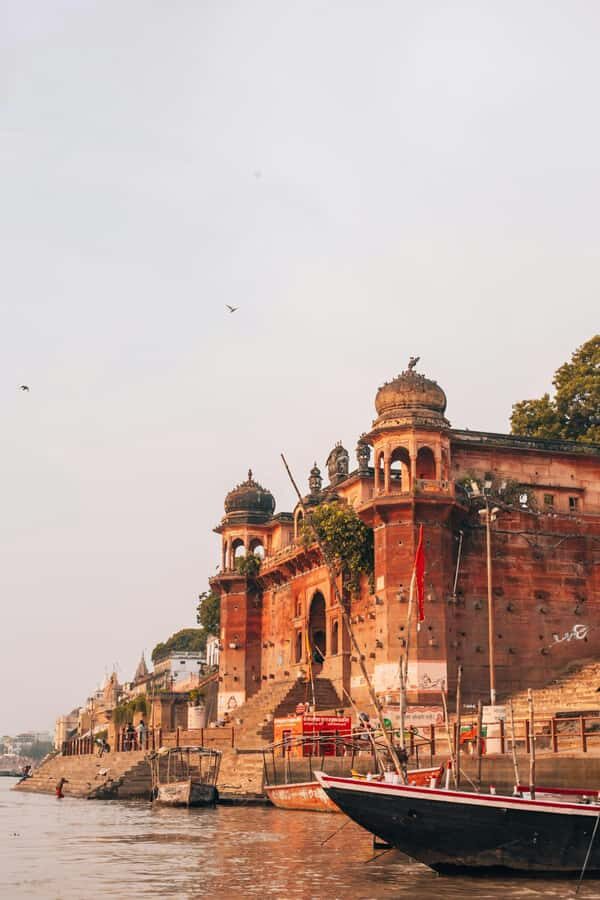
If you choose the boat option, you’ll set out on the Ganges early, aiming for the sunrise views. This is one of the easiest parts of the tour to enjoy without needing deep background knowledge. You’re lifted just enough to see patterns in the ghats—how they stack along the river and how each one feels like a different doorway into life in Varanasi.
I also like that the boat segment is described as unhurried. You’re not sprinting between stops; you’re floating while the guide talks, so you can actually look. One useful detail for planning your photos: the tour is specifically positioned for a sunrise look, and the boat gives you a clean line of sight for pictures that are harder from street level.
Now the reality check: the boat ride depends on river water flow. If conditions are unsafe—like flooding—it can be canceled. And I’ve seen that play out in at least one case where the boat option didn’t happen as expected and was replaced on the spot with a shorter ride. For peace of mind, treat the boat as “included if conditions allow,” not as an unchangeable guarantee.
Walking the Ghats: Stories You Can’t Get From a Map
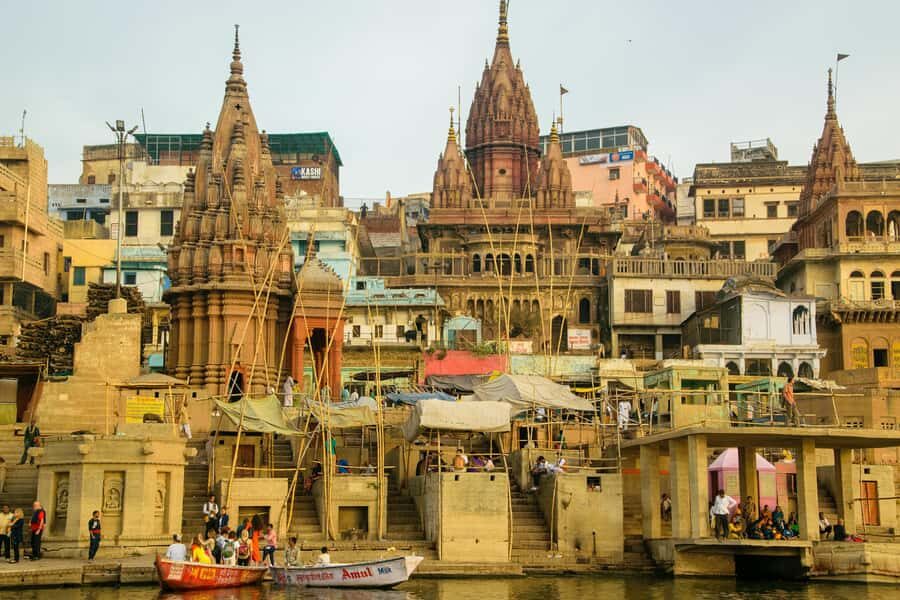
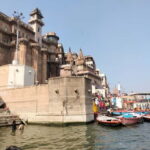
Once you’re back on land, the tour shifts into walking mode. The idea is that you move through the sacred ghats and along the riverfront where temples, steps, and daily activities overlap. The route is designed around major points and the in-between details—the kinds of things you’d miss if you just followed signs.
You’ll hear stories about different ghats and monuments along the bank, with a focus on history and religion rather than only trivia. This is where having a private local guide helps: you can ask why something looks the way it does, why certain rituals cluster where they do, and what a particular ghat is known for.
The pace is part of the value. You’re not only “checking off” names—you’re walking at a human speed that gives your eyes time to adjust to the scene.
Manikarnika Ghat: A Powerful Finish and a Moment for Respect
The walk culminates at Manikarnika Ghat, one of the most revered cremation sites in Varanasi. This is where the tour’s spiritual theme becomes unmistakable. Even if you know the basics beforehand, seeing it up close changes the way you think about the riverfront’s role in faith.
The guide’s role matters a lot here because this isn’t a place for playful sightseeing. A good guide keeps things respectful and explains the significance so you understand what you’re looking at instead of reacting with surprise or discomfort.
You may also notice how the route transitions from river ghat space toward the temple area. Some tours leave you near the cremation site and then connect you through a modern approach, with portions of the Kashi Vishwanath Temple area visible from the route.
A few more Varanasi tours and experiences worth a look




Kashi Vishwanath Temple: What’s Included, What’s Not
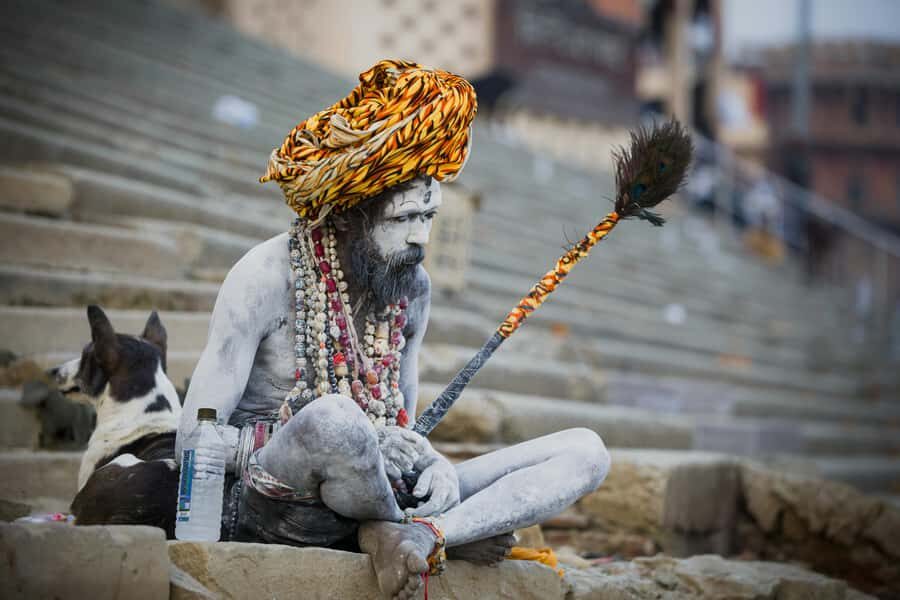
Kashi Vishwanath Temple comes up during the walking portion. Based on what you’ll be told on the tour, expect guidance through the temple area and enough viewing opportunity to make it meaningful.
What’s not included is any requirement for donations or entry charges connected with Kashi Vishwanath itself. That means you should be ready with extra cash if you want to participate in any official offerings. The tour can guide you and explain what’s going on, but it won’t cover everything once you reach temple practices.
If donations and entry fees are a stress point for you, it helps to set that expectation early so you’re not surprised mid-moment.
Price and Value: Why $17 Can Be a Smart Deal
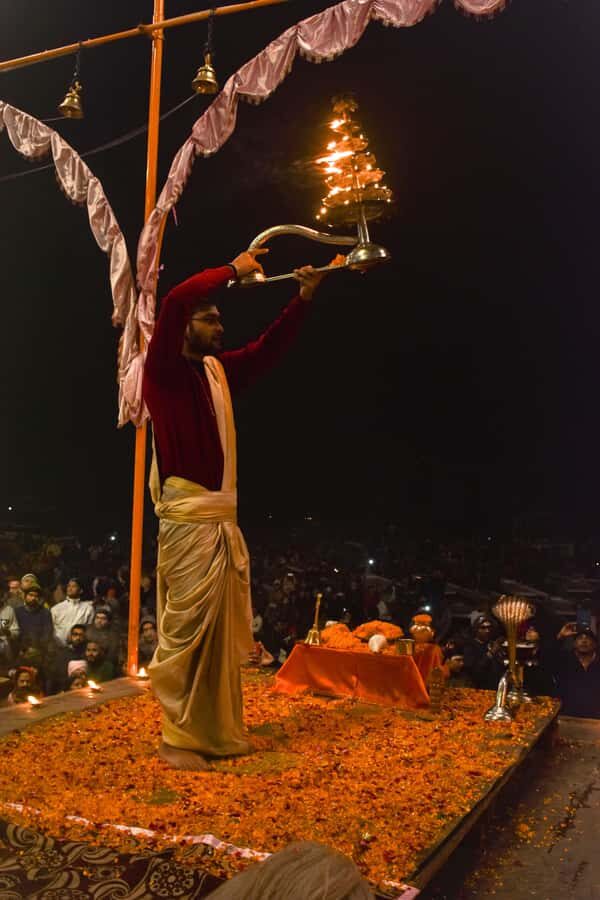
At about $17 per person, the value comes from what’s stacked together: early-morning access, ritual viewing, a private local guide, and the option for a sunrise boat ride plus chai. In cities like Varanasi, a good guide can be the difference between “I saw stuff” and “I understood what I saw.”
You also have pickup and drop-off available from and to anywhere in Varanasi. That can be a big deal when you’re starting at the ghats early, because taxis and rickshaws in the morning can add time and hassle.
One more value factor: the tour is not framed as only temples. You’ll also walk through narrow streets where everyday life exists alongside worship. That mix makes the morning feel like the city is showing you itself—not just showing you monuments.
What to Expect in Duration (Real-World Timing)
The tour is described as a longer morning block (often marketed as around four hours), but in practice it can run shorter depending on how the morning moves and how the group settles into the ritual, chai, boat, and walk.
A good rule for your day: treat it as a morning activity, not a precise clock. If you’re connecting to later plans, I’d schedule a buffer afterward so you don’t feel rushed as the city gets busier.
Walking Comfort and What to Bring
This is a walking-forward experience, and the tour is not suitable for wheelchair users. Come prepared for uneven ground near the ghats and the reality of walking in the early morning.
Bring:
- Comfortable shoes
- Hat
- Camera
- Sunscreen
- Water
Also follow basic site rules: no smoking and no drones. Non-folding strollers are not allowed, and feeding animals isn’t part of the tour. These aren’t just “rules”—they’re part of keeping the experience respectful where locals take spiritual space seriously.
Choosing Your Guide: The Best Ones Ask You Questions
What makes this tour stand out in the reviews is the guide style. I’ve seen several names tied to positive experiences, including Vishal, Babu, and Uday. Across those stories, the common thread is clear explanations and a willingness to check in—asking if you understand and inviting questions.
That’s exactly what you want on a morning like this. Varanasi is layered. Without a guide who can slow things down in your language (English or Hindi), it’s easy to miss the meaning.
If you get a guide who can also talk about both religion and day-to-day life, you’ll get more from every ghat you pass.
Should You Book This Varanasi Sunrise Walk?
Book it if you want your Varanasi morning to feel practical and meaningful—ritual first, then walking and river views with a real explanation behind it. The chai stop, the boat sunrise angle, and the finish near Manikarnika Ghat create a strong arc for understanding the city’s spiritual structure.
Skip or rethink it if:
- You need rigid timing. Sunrise schedules can shift, and the boat depends on river conditions.
- You dislike uncertainty around the exact ceremony timing. If the Arti is already underway when you arrive, you may miss parts.
- You’re not comfortable with the solemn nature of cremation-site context near the end.
If you do book, the best move is simple: arrive early, wear good walking shoes, and treat the rituals and the cremation area with the respect you’d give any sacred place.
FAQ
Where does the tour start?
The tour starts at Assi Ghat each morning.
Is the sunrise boat ride included?
A sunrise boat ride on the Ganges is included only if you choose the boat option.
What rituals are included in the experience?
You’ll watch the Arti ceremony and also havan (a fire ritual) as part of the morning program.
Does the tour include Kashi Vishwanath temple entry or donations?
Kashi Vishwanath’s entry and any related charges or donations are not included. You’ll need to pay any required charges separately.
How long is the tour?
The activity can run shorter than a four-hour block depending on how the morning goes.
What should I bring?
Bring comfortable shoes, a hat, a camera, sunscreen, and water.
What isn’t allowed during the tour?
Smoking and drones are not allowed. Non-folding strollers aren’t allowed either, and feeding animals is not part of the tour.