REVIEW · VARANASI
Varanasi: Ganges River Sunrise and Morning Walking Tour
Book on GetYourGuide →Operated by Kashi Trident Tours · Bookable on GetYourGuide
Sunrise in Varanasi hits fast. This guided walking tour strings together the Ganga Aarti at Assi Ghat, the riverbank calm, and key ghats in a way that helps you understand Kashi with your feet, not just photos.
What I like most: you get morning context for the Ganges rituals, then you walk through the tight lanes where daily life actually happens. Second, the route hits three “why this matters” locations—Tulsi Ghat’s quieter mood, Dashashwamedh’s big morning activity, and Manikarnika’s solemn cremation area—so the day feels complete.
One drawback to plan for: it starts very early and you’ll do a lot of walking on uneven ground. If you’re sensitive to crowds, strong sights, or long distances, you’ll want to think carefully before booking.
In This Review
- Key Points to Know Before You Go
- Morning at Assi Ghat: The Ganga Aarti Before the Sun Blinks
- Sunrise Walk Along the Ganges: Quiet, Then Real
- Tulsi Ghat and Tulsi Manas Mandir: A Softer Breather
- Dashashwamedh Ghat: Watch the City’s Morning Machinery
- Manikarnika Ghat: The Most Serious Stop on the Route
- Behind the Ghats: Where Varanasi Feels Like It’s Really Lived In
- Breakfast in the Middle of the Story: Chai and Classic Snacks
- E-Rickshaw Pickup, Separate Entrance, and the Reality of an Early Start
- Price and Value: What You’re Really Paying For at $16
- What to Bring (and What Not to): The Short List That Saves You
- Who Should Book This Walking Tour (and Who Should Skip It)
- Should You Book This Varanasi Sunrise Walk?
- FAQ
- FAQ
- What’s the duration of the Varanasi Ganges River Sunrise and Morning Walking Tour?
- Where does the tour start, and is pickup included?
- Is the morning Ganga Aarti included?
- Which ghats are visited during the walk?
- Is breakfast included, and what kind of food can I expect?
- Are sunrise boat rides included?
- What languages are the live guides available in?
- Are there any restrictions on photography?
- Is this tour suitable for wheelchair users or people with mobility impairments?
Key Points to Know Before You Go
- Assi Ghat Ganga Aarti right before sunrise, when the city is still half-asleep
- Guided riverbank walking that helps you read what you’re seeing instead of just watching
- Strategic ghat lineup: Tulsi, Dashashwamedh, then Manikarnika, with tone shifts along the way
- Narrow lane experience behind the ghats, where shops, temples, and everyday scenes overlap
- Breakfast included at a local cafe or traditional eatery with classic snack choices
- Respect and restraint around Manikarnika and photography rules
Morning at Assi Ghat: The Ganga Aarti Before the Sun Blinks
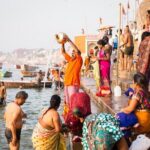
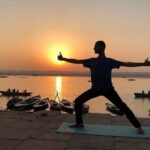
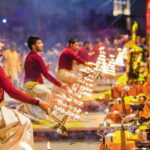
This tour’s heart is the morning Ganga Aarti at Assi Ghat, timed just before dawn and carrying into sunrise. The main value here is the pacing: you’re not showing up after the peak, you’re there as the ceremony builds and the light changes over the water.
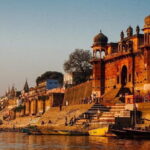
Assi Ghat also gives you a strong first read of Varanasi. In daylight, it’s easier to spot how people move along the ghats—bathing steps, prayer spots, and the paths that connect river life to the city behind. You’ll be surrounded by ceremony, chanting, and the steady rhythm of worship that makes the river feel like a living center, not a background.
Practical tip: wear comfortable shoes you can trust on stone steps and slick edges. Early morning in Varanasi can mean damp surfaces, and you’ll be moving before it’s fully bright.
You can also read our reviews of more walking tours in Varanasi

Sunrise Walk Along the Ganges: Quiet, Then Real
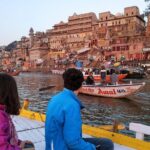
After the Aarti, you shift into a slower mode: a riverbank walk designed for calm observation as the sun rises. This is where you feel the contrast that most people miss when they only do the big sights—quiet first, then energy. The guide’s job matters here, because the same river activity can look random without a bit of explanation.
You’ll also get a feel for how locals use the ghats throughout the day. Even if you only catch a portion of morning routines, you start to understand that these aren’t just tourist platforms—they’re practical, spiritual spaces.
If you’re hoping for a perfectly scenic, postcard-style sunrise, manage expectations. You’re in a working river city. But that’s the point: you see sunrise as locals experience it—through ritual, movement, and the river’s constant presence.
Tulsi Ghat and Tulsi Manas Mandir: A Softer Breather
From Assi Ghat’s ceremony energy, the route moves toward Tulsi Ghat, known for a quieter ambiance compared with the city’s busiest riverfront. The tour also includes a stop around Tulsi Manas Mandir if you want to go in, which can add another layer of context to what you’re seeing.
Why this stop is worth it: it gives your brain a reset between larger, more crowded ghats. When you’ve just watched major ritual activity, a calmer place helps you notice details—the spacing of steps, the stillness of prayer, and how the riverfront can feel intimate even when thousands pass through town.
If you’re short on time or not feeling like entering any additional places, you can treat Tulsi Ghat as a pause. The goal is not checklists; it’s letting the tour’s mood shift make sense.
Dashashwamedh Ghat: Watch the City’s Morning Machinery
Next up is Dashashwamedh Ghat, one of Varanasi’s most prominent spots for morning rituals. This is where the day becomes more kinetic: lots of activity along the steps, prayers in motion, and ongoing ceremonial work you can observe as part of the flow.
What makes this stop valuable is scale. Assi and Tulsi can feel focused and personal. Dashashwamedh shows you how the riverfront functions when the crowd is larger and the ritual calendar is more visible.
Two practical notes:
- Expect busy foot traffic and close quarters. Keep your camera ready, but don’t block others.
- Photography rules can apply in certain locations. The tour specifically notes photography restrictions, and it also lists no flash photography, so plan for natural light shots.
Manikarnika Ghat: The Most Serious Stop on the Route
Then comes Manikarnika Ghat, where funeral pyres and cremation rituals take place. This stop isn’t here for shock value. It’s here because it’s central to how the city understands life, death, and spiritual continuity along the Ganges.
Respect is the whole game. The tour notes you should maintain solemnity here. That means quiet behavior, careful attention, and no trying to turn a sacred moment into a spectacle.
If you’re photographing, follow the tour’s guidance and be extra mindful of who is still grieving or performing rites. And if you’re someone who struggles with intense sights, consider whether this part of Varanasi is something you can handle in a respectful way.
A few more Varanasi tours and experiences worth a look
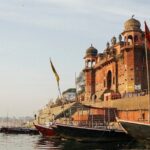


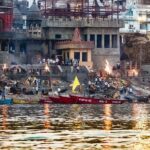

Behind the Ghats: Where Varanasi Feels Like It’s Really Lived In
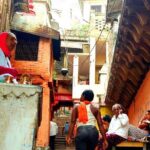
One of the most memorable parts of this experience is the walk through narrow lanes behind the ghats. This is where you see the overlap between river life and city life—small shops, temple fronts, and everyday movement that doesn’t revolve around tourists.
This section also helps you understand something important about Varanasi: the ghats are only one layer. The real texture is how people navigate between worship, commerce, and community spaces in tight corridors. You’ll notice how buildings press close to the street and how signage, food smells, and open doors create a visual map you can’t get from a river view.
A practical mindset helps here: slow down, look up, and let the guide steer you away from getting stuck. These lanes reward patience.
Breakfast in the Middle of the Story: Chai and Classic Snacks
After all that early focus, you get breakfast at a local cafe or traditional eatery. This matters more than you might think. Food breaks up the intensity of ritual sights and helps you recharge before the later ghats and lane walking.
The tour suggests you can try local choices like kachoris, jalebis, and chai. The exact lineup can vary by place, but the value is that you’re not left hunting while you’re tired.
My practical advice: eat something filling enough to last through the next stretch. And if you’re sensitive to spice, start with chai or milder items first so you don’t regret it later.
E-Rickshaw Pickup, Separate Entrance, and the Reality of an Early Start
The tour includes pickup (by e rickshaw or tuk tuk) to Assi Ghat, and it also mentions skip-the-line access through a separate entrance. Those two details are surprisingly important in Varanasi, where getting stuck in the wrong crowd can waste precious minutes.
Because the ceremony begins just before dawn, you’ll want to treat timing seriously. Bring a charged smartphone, and if you rely on maps, download offline directions ahead of time. The walking is part of the experience, but you don’t want navigation stress on top of early-morning commotion.
Duration is listed as 1 day, and starting times depend on availability. So if you’re planning your trip tightly, check what start time you’ll actually be given and adjust the rest of your day accordingly.
Price and Value: What You’re Really Paying For at $16
At around $16 per person, this tour is priced like a smart local-style experience rather than a heavy-schedule sightseeing package. What you get for the money is the key: a live guide, guided riverbank walking, visits to multiple ghats (including the most important ones), lane exploration, and breakfast.
What’s not included is also clear: a morning sunrise boat ride is not part of the package, and any other temple or monument passes aren’t included. If you were already dreaming of a boat at sunrise, you’d need to plan that separately.
When this price makes the most sense:
- You want the structure of a guide to make sense of rituals and spiritual spaces.
- You’re okay with a lot of walking and early timing.
- You’d rather pay for guidance and convenience than spend your time figuring out the route alone.
What to Bring (and What Not to): The Short List That Saves You
The essentials listed for this tour are straightforward:
- Passport and/or ID card
- Comfortable shoes
- Hat
- Camera
- Cash
- Charged smartphone
You’re also told not to bring certain items: no flash photography, no smoking, no backpacks, and no plastic bottles.
That last one matters. Since the tour also advises carrying water and snacks, you’ll want to bring water in an allowed way (for example, not as a plastic bottle). And for snacks, keep it simple—something you can eat quickly without slowing the group.
Who Should Book This Walking Tour (and Who Should Skip It)
This tour is not suitable for pregnant women, people with mobility impairments, or wheelchair users. That’s because the route involves walking between ghats and navigating uneven, step-heavy areas.
It’s also not ideal if you’re easily distressed by funeral rituals. Manikarnika is part of the itinerary, and the tour specifically emphasizes the solemnity of the area. If that’s a hard no for you, you may want a different Varanasi tour that focuses only on temples and river views.
On the positive side, it’s a strong fit if you:
- want spirituality and local life in one morning,
- like walking tours with explanation,
- value a guided route more than you need a boat ride or a packed museum day.
A useful note from guide performance: the tour is led by a live English, Spanish, Italian, or French guide. One guide name that stands out is Shivam, who has a reputation for speaking clearly and being very patient with questions, which makes a huge difference when you’re learning how to interpret what you see.
Should You Book This Varanasi Sunrise Walk?
If your goal is to understand Varanasi rather than just photograph it, I’d say yes. This tour strings together the big river moments—Aarti at Assi Ghat, the quiet contrast at Tulsi Ghat, the morning rhythm at Dashashwamedh Ghat, and the serious reality at Manikarnika Ghat—and it adds the lane walking that turns the city from a backdrop into a place.
Book it if you can handle early starts, lots of walking, and respectful attention during solemn rituals. Skip it if mobility is an issue or if Manikarnika is something you know you can’t experience calmly.
FAQ
FAQ
What’s the duration of the Varanasi Ganges River Sunrise and Morning Walking Tour?
It’s listed as a 1-day experience.
Where does the tour start, and is pickup included?
Pickup to Assi Ghat is included, using an e rickshaw or tuk tuk.
Is the morning Ganga Aarti included?
Yes. The tour includes the morning Ganga Aarti at Assi Ghat before sunrise.
Which ghats are visited during the walk?
You visit Tulsi Ghat, Dashashwamedh Ghat, and Manikarnika Ghat.
Is breakfast included, and what kind of food can I expect?
Breakfast is included at a local cafe or traditional eatery. You can try local dishes like kachoris, jalebis, or chai.
Are sunrise boat rides included?
No. A morning sunrise boat ride is not included.
What languages are the live guides available in?
The guide is available in English, Spanish, Italian, and French.
Are there any restrictions on photography?
Flash photography is not allowed, and the tour notes photography restrictions at certain locations.
Is this tour suitable for wheelchair users or people with mobility impairments?
No. The tour is not suitable for wheelchair users or people with mobility impairments.