REVIEW · VARANASI
Ultimate 2 Days in Varanasi – Fully Guided Tour – Rooftop Dinner on Ganges
Book on Viator →Operated by yattri · Bookable on Viator
Varanasi hits your senses fast. This two-day guided experience brings you to Sarnath, the Ganga Aarti, and a rooftop dinner with river views, then keeps you moving through the ghats with explanations that make the sights easier to understand. I especially like how the guide turns the rituals into real context, so you’re not just standing there watching fire and chanting. I also like the pacing between key river moments and calmer temple stops, which helps Varanasi feel less overwhelming. The only real caution is that you’ll be on your feet in crowded, narrow areas and you should expect an early-morning start on day two.
You get real people handling the practical stuff. In one recent experience, guide Ballu was praised for being informative and kind, and driver Sameer was credited with navigating heavy traffic smoothly in a clean car. That matters in Varanasi, where “getting there” can be its own mini-adventure.
For value, the package bundles in a one-night hotel stay with bed and breakfast, an evening dinner, and a sunrise boat ride, plus air-conditioned transport and daily bottled water. If you’re trying to see the highlights without constantly figuring out timing, tickets, and routes on your own, this format is a good match.
In This Review
- Key takeaways before you go
- How two days in Varanasi keeps from feeling chaotic
- Sarnath first: Buddha’s sermon setting and the Lion Capital
- Ganga Aarti and a rooftop dinner on the river
- Banaras ghats walk: from Dashashwamedh toward Manikarnika
- Assi Ghat morning: sun ritual, havan, yoga, and a boat ride
- Manikarnika Ghat visit: what the tour explains and why it feels different
- Kashi Vishwanath corridor and temple: a major visual maze, plus a passport-copy tip
- BHU and classic temple stops: Bharat Mata, Sankat Mochan, Manas Mandir
- Namo ghat for photography, then airport drop-off
- Price and value: what $100.28 includes (and what it doesn’t)
- Who should book this guided Varanasi experience
- Should you book Ultimate 2 Days in Varanasi?
- FAQ
- What time does the tour start?
- Is pickup included?
- Is this tour private?
- What’s included in the price?
- What tickets or admissions are not included?
- Can I cancel and get a refund?
Key takeaways before you go
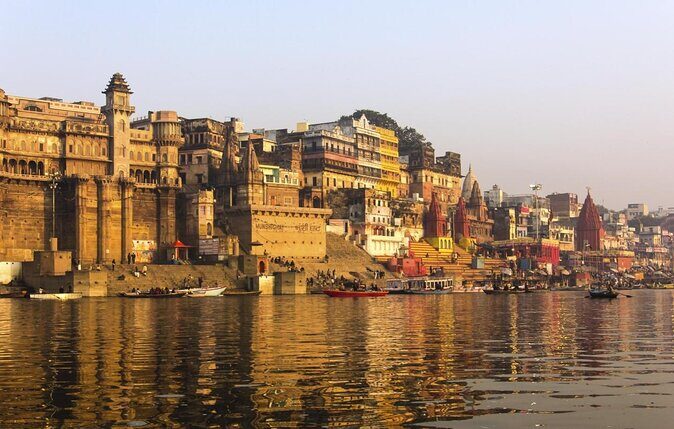
- River-focused highlights, including Ganga Aarti and ghats walking with a guide’s explanations
- Rooftop dinner after the evening Ganga Aarti, with views of river life
- Two different ghats experiences, from Assi Ghat morning rituals to Manikarnika Ghat in the early part of the day
- A sunrise boat ride on the Ganges, timed for that soft morning light
- Kashi Vishwanath area visit with a passport-copy note, which is easy to plan for if you pack ahead
How two days in Varanasi keeps from feeling chaotic
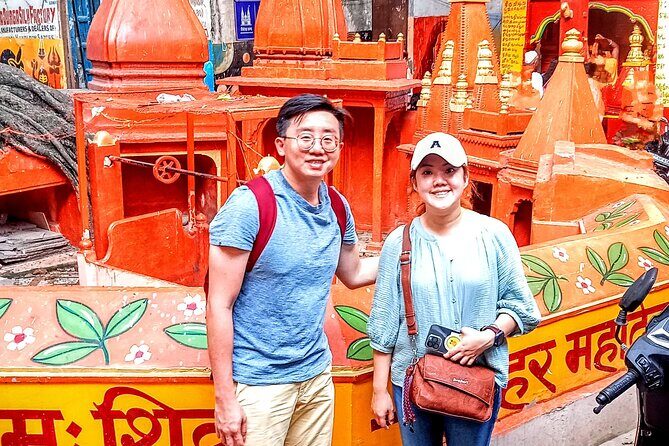
Varanasi is not a museum city where you move in a neat line and everything stays the same hour to hour. It changes with light, prayer times, and the crowd. That’s exactly why I like a guided two-day format here: you get set timing for the big rituals and you’re not trying to reverse-engineer logistics right when your senses are already overloaded.
In practice, the tour is built around the river. Day one leans into Sarnath and then swings into evening Ganga Aarti, followed by dinner with a view and an on-foot ghats walk. Day two starts with an early morning ritual at Assi Ghat, then shifts to a boat ride and continues to Manikarnika and the Kashi Vishwanath corridor area. You end with a temple-and-city day around BHU and a short stop at Namo Ghat for photos, then a drop-off at the airport.
If you’re the type who hates rushing, you’ll still find it busy. But it’s busy in a useful way, because the key moments happen only at certain times of day. This tour is built around that reality, not around a generic checklist.
You can also read our reviews of more guided tours in Varanasi

Sarnath first: Buddha’s sermon setting and the Lion Capital
The day begins with pickup from your hotel lobby and a drive out to Sarnath, about 13 km from Varanasi. This is the place where Buddha preached his first sermon to his five apostles. Even if you know the story only from school, the setting helps it land. Sarnath is calmer than the riverfront, so it gives your mind a breather before the evening crowds.
You’ll spend time at Sarnath Museum as well. The museum visit includes highlights like remaining monasteries and the Lion Capital of Ashoka. The tour description notes that the museum ticket is not included, so plan for that extra entry cost. The upside is that you’re not stuck guessing what you’re seeing; the guide ties the objects and setting back to the bigger story of early Buddhism.
What to consider: this part is less about intense sensory moments and more about understanding. If you mainly came for Varanasi’s river drama, you might wish Sarnath were shorter. Still, it helps you appreciate why the city gets written about the way it does across religions.
Ganga Aarti and a rooftop dinner on the river
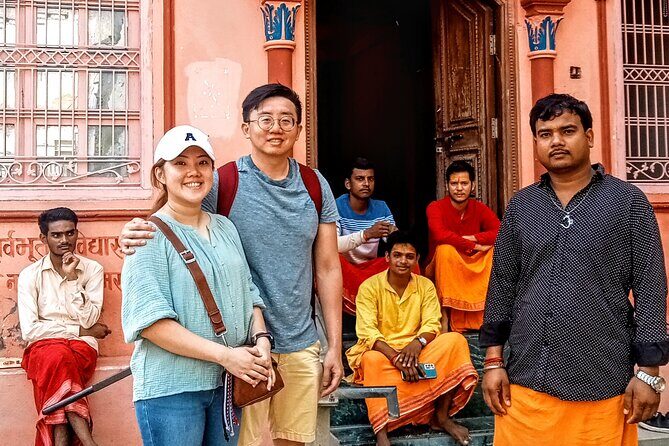
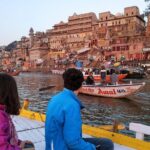
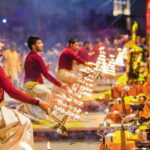
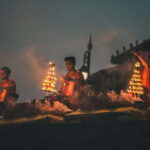
Evening is where Varanasi really turns the volume up. You’ll go to the river for Ganga Aarti, and the tour includes the ticket for this part (about one hour). This is the grand river ritual—bells, chants, flame, and a crowd that acts like a living choir. The experience is spiritual, but it’s also practical: you’ll learn what the ritual means and why people gather there.
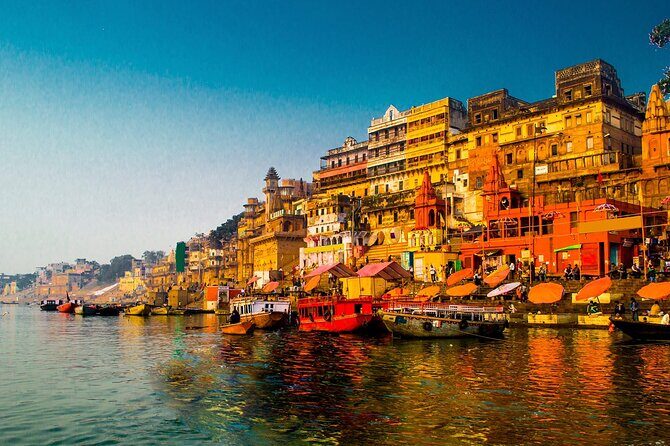
After the Aarti, you’re set up for dinner at Dolphin Rooftop Restaurant (at Rashmi Guest House). The big draw is the view—watching river activity and boats while you eat. It’s the kind of “pause” moment that you don’t get if you only do street-level ghats walking.
I also like that the tour frames the river as something more than scenery. The description points out how many Hindus view the Ganges as a goddess who flew down from heaven. When a guide explains that worldview, the Aarti doesn’t become just a show—it becomes a belief system you can physically see.
Possible drawback: evening at the river means you’ll likely deal with standing room and crowd flow. If you’re sensitive to tight spaces, go with patience and expect that the best angles often belong to the people who arrive early.
Banaras ghats walk: from Dashashwamedh toward Manikarnika
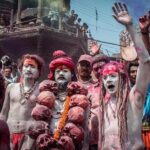
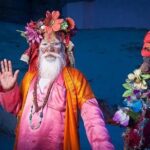
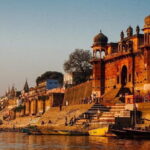
After dinner, you move into the next layer of Varanasi: walking the Banaras ghats. The walk is described as starting at Dashashwamedh Ghat and heading toward Manikarnika Ghat. This is where the city shifts from ritual spectacle to daily river life—sadhus, pilgrims, families, and the steady rhythm of the riverfront.
Walking here changes how you understand the city. From a boat, you see the river edge. From the ghats, you understand how people use the steps—bathing, gathering, praying, and living. Having a guide matters because Varanasi is full of details that look similar at first glance, but mean different things depending on where you stand.
The tour includes about an hour for this walking segment and notes ticket inclusion for the ghats portion. You’ll get the “heritage of Varanasi” in motion rather than as a static landmark.
What to consider: this is hands-on and on-foot. Comfortable shoes help. Also, when you’re walking near major ritual areas, it’s smart to keep your movements respectful and avoid treating sacred spaces like a theme-park photo op.
Assi Ghat morning: sun ritual, havan, yoga, and a boat ride
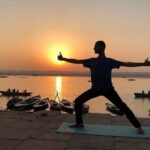
Day two begins early at Assi Ghat for a morning aarti tied to the welcoming of the sun god. The tour description says you’ll see havan, aarti, and yoga, which is a strong combination because it shows multiple layers of practice happening in the same river space.
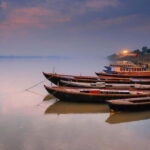
Then you head for a sunrise boat ride on the Ganges. The package lists it as “mesmerizing” and notes a sunrise boat ride of about an hour. Another part of the schedule describes a shorter boat segment, so think of it as a morning boat ride meant for the light and atmosphere rather than a sightseeing cruise.
A sunrise boat ride does two useful things. First, it gives you a calm perspective before the day’s heavier stops. Second, it helps you map the ghats visually. Later, when you hear terms like Manikarnika or Kashi Vishwanath corridor, you can actually picture where things sit along the river.
A few more Varanasi tours and experiences worth a look

Manikarnika Ghat visit: what the tour explains and why it feels different
Next comes Manikarnika Ghat. The boat drops you near there, and the tour includes a guided visit with explanations about the ghat. The description calls it the only place in the world where cremation takes place—language like that is often used in travel materials, so I’d treat it as the tour’s framing rather than a courtroom fact. Either way, you’re going to be at one of Varanasi’s most intense and meaningful ritual zones.
You’ll take a walk and listen to context from the guide, which is the difference between “watching a difficult scene” and understanding what you’re seeing. This stop is not for everyone emotionally, but it is for many people intellectually. If you’ve come to learn about Varanasi’s spiritual systems, this is central.
Consideration: you may want time to regroup afterward. If you’re prone to feeling overwhelmed by intense rituals, keep your day flexible and don’t schedule anything emotionally heavy immediately after.
Kashi Vishwanath corridor and temple: a major visual maze, plus a passport-copy tip
From Manikarnika, you head toward the Kashi Vishwanath corridor area and the Kashi Vishwanath Temple. The corridor and temple visit is a strong contrast: after Manikarnika’s severity, the corridor pulls you into a tight, high-energy spiritual zone.
The tour description includes a key historical detail: the temple was reconstructed in 1780 by the Maratha monarch Maharani Ahilyabai Holkar of Indore. That helps you see the place as layered across time, not just “old stones.”
There’s also an important practical note: carry a passport copy. The tour says to carry it for this stop, so do it. It’s one of those small things that can save you from hassle at the entry point.
What to expect: temple corridors can be crowded, and you’ll likely be guided through the flow rather than choosing your own pace. If you like slow photo stops, plan to be patient here.
BHU and classic temple stops: Bharat Mata, Sankat Mochan, Manas Mandir
After breakfast, you shift away from the river for a city tour around Banaras Hindu University (BHU) and several landmarks. The tour includes stops connected to major devotion and local identity: Bharat Mata temple, Sankat Mochan (Hanuman temple), and Manas Mandir, plus time at BHU.
This is where the tour gives you breathing room. Instead of intense river rituals, you’re seeing how religion and learning overlap in Varanasi’s modern landscape. The tour description notes that BHU is now the most religious, and even if you don’t take that as a strict label, you’ll get the sense of spiritual focus around the university grounds.
One practical note: this part of the tour is easier on the senses than the ghats and temples near the river. If day one felt like sensory overload, BHU and the surrounding stops can feel like a reset.
Namo ghat for photography, then airport drop-off
Later, you visit Namo ghat, described as the newest but also “most beautiful” for photography. The schedule lists a short visit (about 20 minutes) and notes that admission isn’t included for this stop.
Namo ghat is a good final check-in point because it’s more about the view and angles than about deep ritual participation. When your legs are tired, a short stop with good photo potential is a smart way to end the sightseeing.
The tour then finishes with a drop-off at Varanasi airport, so you can continue your travel without having to negotiate local transport on your last day.
Price and value: what $100.28 includes (and what it doesn’t)
At $100.28 per person for about two days, this tour aims to bundle the big costs: air-conditioned vehicle, English-speaking guide, daily mineral water, one night of 3-star hotel accommodation with bed and breakfast (when booked with the hotel), breakfast, dinner, and a sunrise boat ride. It also includes key ticketed experiences like Ganga Aarti and ghats walking portions.
So you’re paying for structure. For many people, the value is less about a low headline price and more about not having to coordinate timing across multiple sacred areas. In Varanasi, that coordination is hard even for confident travelers.
Not included are other meals beyond dinner and breakfast, plus optional gratuities. There’s also at least one explicitly not-included ticket: the Sarnath Museum admission. And the tour description suggests street-food tasting (chat, lassi, paan, and Blue Lassi’s famous multifalouvered lassi), but the package doesn’t clearly state that you won’t pay anything for those snacks, so keep small cash or card readiness.
Who gets the best value: people who want the highlights—Sarnath, Ganga Aarti, Manikarnika, Kashi Vishwanath, BHU—without turning the trip into a DIY logistics project.
Who should book this guided Varanasi experience
This works best if you:
- Want a two-day plan focused on Varanasi’s river rituals and major spiritual stops
- Prefer an English-speaking guide to explain what you’re seeing
- Like the idea of pairing the big moments (Aarti, ghats, Manikarnika) with calmer stops (Sarnath, museum, BHU)
- Appreciate bundled value: hotel night, meals, transport, water, boat ride
You might skip it if you:
- Hate early starts and don’t want to walk in crowded areas
- Want total freedom to roam without set timing for river rituals
- Are extremely sensitive to the emotional weight of cremation-area sites
Still, the tone from the best-mentioned guide experience is clear: when Ballu is running the show, the explanations land, and when Sameer is driving, you get through the traffic with less stress.
Should you book Ultimate 2 Days in Varanasi?
If your goal is a well-timed, guided hit of the city’s most important spiritual moments, I’d lean yes. The tour’s biggest strength is that it doesn’t treat Varanasi as a list of sights. It treats it as a living place built around the Ganges—meaning the schedule matters, the guide matters, and the river meals and boat ride matter.
If you’re willing to be flexible, stand where you’re guided, and accept that crowds are part of the experience, this kind of structure can save you time and confusion. Just remember the passport-copy note for the Kashi Vishwanath corridor area, wear comfortable shoes, and mentally budget for an intense day around Manikarnika.
FAQ
What time does the tour start?
The meeting time is listed as 9:00 am.
Is pickup included?
Yes. Pickup is offered, and you’re picked up from the hotel lobby.
Is this tour private?
Yes. It’s described as a private tour/activity, meaning only your group participates.
What’s included in the price?
Included items are dinner, breakfast, an air-conditioned vehicle, mineral water daily, an English-speaking tour guide within the tour, a one-night 3-star hotel stay with bed and breakfast (when booked with the hotel), and a sunrise boat ride.
What tickets or admissions are not included?
Some admissions are noted as not included, such as Sarnath Museum admission. The tour also notes that admission ticket for Namo ghat is not included.
Can I cancel and get a refund?
Yes. You can cancel for a full refund if you cancel at least 24 hours before the experience’s start time. If you cancel less than 24 hours before, the amount paid is not refunded.