REVIEW · NEW DELHI
Private 5-Day Golden Triangle Luxury Tour from Delhi
Book on Viator →Operated by Golden Triangle Tours Of India · Bookable on Viator
Golden Triangle without the usual chaos. In five days, this private route covers Delhi, Agra, and Jaipur with pickup, comfort transport, and hands-on guidance so you can focus on the sights instead of the logistics. I like that the car starts at your door in Delhi, Noida, or Gurugram.
I also love the small-but-smart touches, like the electric car ride to the Taj Mahal entry gate and a rickshaw ride in Old Delhi. Those moments help you move efficiently while still feeling like you’re doing something fun, not just sitting in traffic.
The trade-off to plan for: entry tickets and meals aren’t included, so you’ll want a realistic budget for monument access on top of the tour price.
In This Review
- Key highlights worth your attention
- Why this Golden Triangle feels easier than doing it piece by piece
- Price and logistics: where the $179.96 per person usually pays off
- Day 1 in Agra: a focused arrival with Taj Mahal plus Agra Fort
- Day 1 reality check
- Day 2: Fatehpur Sikri UNESCO stop en route to Jaipur
- Day 2 reality check
- Day 3 in Jaipur: Amber Fort, photo stops, and the science of Jantar Mantar
- Day 3 reality check
- Day 4: returning to Delhi for one more night
- Day 5 in Delhi: Qutub Minar, Lotus Temple, India Gate, Humayun’s Tomb
- Important date-based adjustments
- Hotels, guides, and the staff who keep the day moving
- What’s included that actually saves time (and what to budget for)
- Who this tour suits best (and who might want a different format)
- Should you book this Golden Triangle tour?
- FAQ
- What cities are included on this 5-day Golden Triangle tour?
- Do I get pickup and drop-off from my location in Delhi?
- Is accommodation included in the price?
- Is breakfast included?
- Are entrance tickets included for all monuments?
- Does the tour include transportation in a private car?
- What special rides are included during the tour?
- What happens if my day falls on a closure day?
- Can I choose between Humayun’s Tomb and another temple?
- Is the tour refundable if I cancel?
Key highlights worth your attention
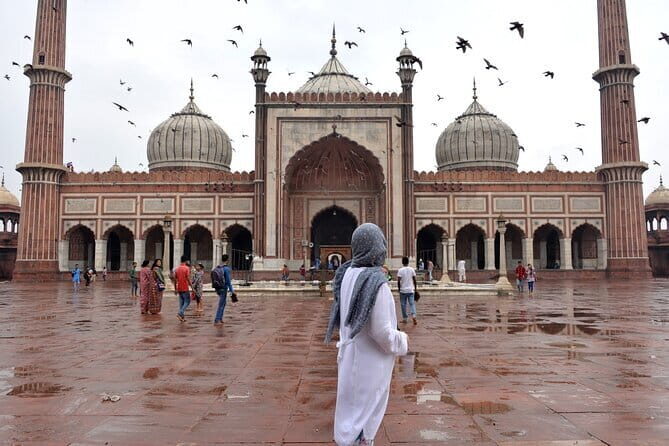
- Private air-conditioned vehicle with round-trip Delhi transport, plus pickup from airport, station, or hotel
- Electric car ride from parking to the Taj Mahal entry gate
- Rickshaw ride in Old Delhi for a contrast to the modern comfort of the car
- Private guide at the sites to help with entrance flow and timing
- Daily breakfast and hotel nights are optional, depending on the accommodation choice
Why this Golden Triangle feels easier than doing it piece by piece
Golden Triangle tours sound simple until you try to coordinate trains, drivers, hotel check-ins, and ticket lines across three cities. This one is built to reduce that mental load. You get the private-car rhythm, with a driver handling transfers between Delhi, Agra, and Jaipur, and a guide to keep your day on track.
A big practical win is that the tour isn’t locked to a rigid script inside every monument. You still get a guide for the key context and logistics, but the overall format is more about getting you from A to B smoothly and letting you spend the time you want at major stops.
And yes, the luxury label here mainly means “comfortable and handled,” not fancy extras at every corner. The value comes from avoiding downtime: less waiting around for transportation, fewer missed connections, and easier access at the busiest sites.
You can also read our reviews of more private tours in New Delhi


Price and logistics: where the $179.96 per person usually pays off
At $179.96 per person, what you’re really buying is private transportation + organized movement across three cities. The tour includes hotel or airport pickup and drop-off, and it uses a private, air-conditioned vehicle for the main transfers.
If you select accommodation, you get four nights of lodging plus daily breakfast at the hotels. That matters, because the Golden Triangle can turn expensive fast when you’re trying to book everything separately—especially if you want convenience and don’t want to gamble on last-minute availability.
What’s not included is just as important for planning. You’ll pay separately for monument entry tickets, and meals/drinks aren’t part of the package. Tips aren’t included either. In other words, this is a transportation-and-organization value deal, not an all-in price that magically covers every rupee at every doorway.
Also keep in mind the tour duration is about five days, and transfer times are approximate depending on traffic. So build in a little flexibility in your schedule mindset, especially on intercity drives.
Day 1 in Agra: a focused arrival with Taj Mahal plus Agra Fort
Day 1 starts with pickup anywhere you choose in Delhi, Noida, or Gurugram, including the airport, railway station, or your hotel. Then you’re set for an expressway drive of about three hours to Agra.
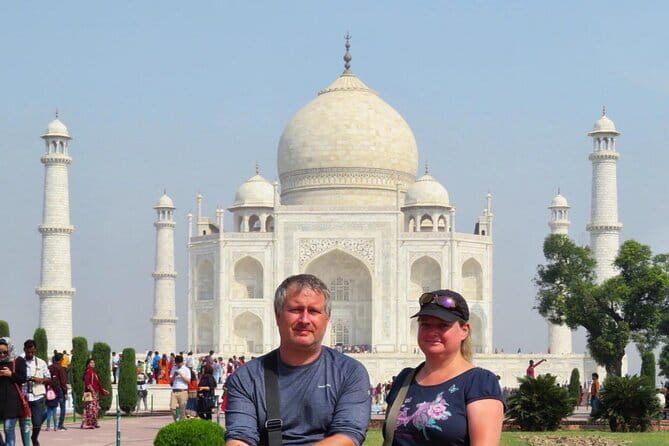
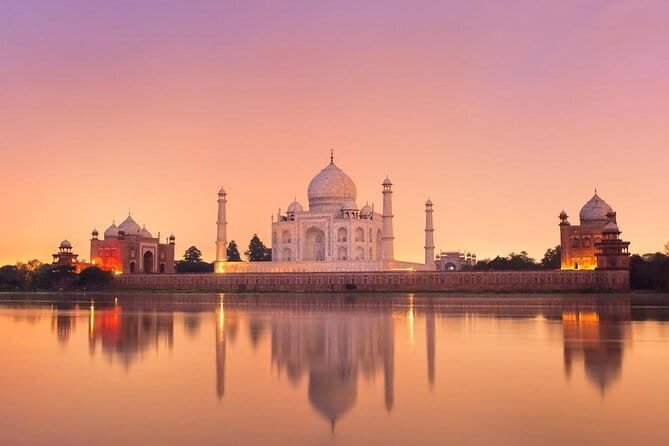
Once you arrive, you check in to your hotel before heading to the Taj Mahal. The Taj Mahal visit is the main event of the day. It’s the ivory-white marble mausoleum commissioned in 1632 by Mughal emperor Shah Jahan as the tomb for Mumtaz Mahal. That brief background helps you look beyond the postcard shape and spot the details you’d otherwise miss.
Two practical things I’d plan for on the Taj Mahal day:
- You’ll need a separate budget for the Taj Mahal entry ticket since it’s not included.
- You benefit from the electric car ride from the parking area to the entry gate, which can save time and reduce walking on a busy day.
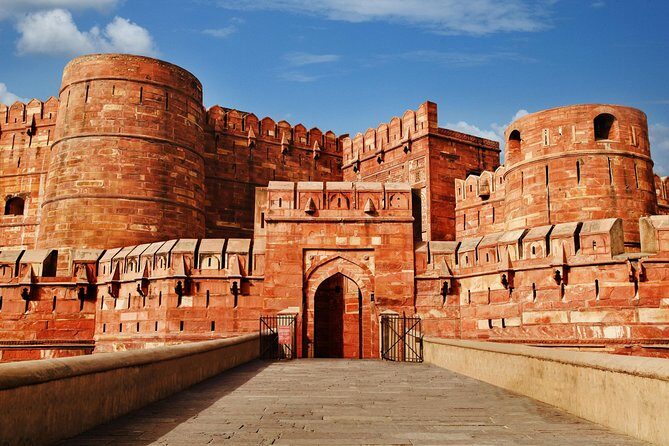
After Taj Mahal, you go to Agra Fort, another UNESCO World Heritage site. It’s a strong follow-up because it shifts you from the romance of the mausoleum to a more strategic, fortified Mughal setting. If you’re the type who likes to understand how power and design worked, Agra Fort is a great pairing.
Day 1 reality check
This is a full day built around two major sights. If you want slow travel, plan for a later evening back at the hotel and consider taking lighter breaks during the afternoon.
Day 2: Fatehpur Sikri UNESCO stop en route to Jaipur
Day 2 begins after breakfast, with checkout and the drive toward Jaipur. On the way, you stop at Fatehpur Sikri, a UNESCO World Heritage site known for its red sandstone buildings. This stop is one of those “you’ll be glad it’s included” moments because it breaks up the long transfer and adds a different style of Mughal architecture.
Your time there includes a cluster of specific highlights:
- Buland Darwaza gate
- Jama Masjid mosque
- Tomb of Salim Chishti
- Diwan-E-Khas Hall
- Jodha Bai Palace
- Panch Mahal
Since some entrance fees may apply, tickets are not listed as included for these stops. But the guide is there to help with entry flow and timing.
Then you continue to Jaipur. The tour includes hotel check-in and a chunk of downtime to unwind. I like having this breathing room because Jaipur is famous for street energy and forts, and you don’t want to arrive feeling like you’re already behind.
A few more New Delhi tours and experiences worth a look





Day 2 reality check
If you dislike early mornings, just remember breakfast comes first, and Fatehpur Sikri is scheduled before you reach Jaipur.
Day 3 in Jaipur: Amber Fort, photo stops, and the science of Jantar Mantar
Day 3 is your biggest Jaipur day, mixing forts, palaces, and iconic views.
You start with Panna Meena ka Kund, a step well near Amber Fort. It’s short on time in the schedule, but it’s visually unusual compared with the grand palaces. Even if you only spend a quick window there, it gives your day texture beyond the big-name buildings.
Next is Amber Fort, the former capital of Rajasthan. With your guide, you’ll explore its palaces, squares, and monuments, and the surroundings are part of the experience. Forts in Jaipur aren’t just “buildings you look at.” They’re places where the view and the layout help you understand why people built here.
From there you move to Jal Mahal for a photo opportunity. This palace sits on Man Sagar Lake. The visit is brief, but it’s a good pause before you tackle indoor or courtyard-heavy stops.
Then you reach City Palace of Jaipur, originally constructed in 1721 as the Maharaja’s administrative and ceremonial seat. Today, it functions as a museum and still ties to the Jaipur royal family. If you like seeing how buildings change roles over time, this one gives context without needing extra research.
After that comes Jantar Mantar, another UNESCO site. It’s a set of nineteen architectural astronomical instruments created in 1734 by Sawai Jai Singh II. It’s also a reminder that this part of the world has been doing serious science with the human body—naked-eye observation and scale measurement.
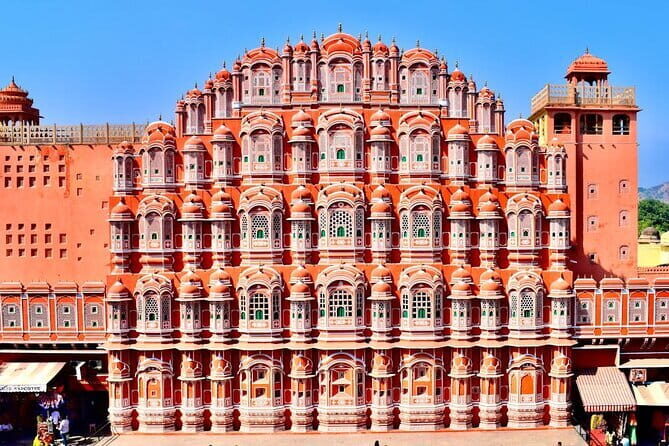
Finally, you visit Hawa Mahal, the Palace of Winds. Built in 1799, it’s the five-storey pyramidal façade that floods the postcard world with red and pink sandstone. After that, you return to the hotel.
Day 3 reality check
You’ll cover a lot, but the good news is each stop is a distinct kind of sight—fort, palace, observatory, and façade. The pacing is best for travelers who like variety more than they like lingering one place for hours.
Day 4: returning to Delhi for one more night
Day 4 shifts gears back to the capital. After breakfast, you drive to New Delhi and check in for an overnight stay.
This day can be underrated in your planning, but it’s useful. Delhi gives you the chance to reset your energy before the final sight-focused morning on Day 5. It also means you’re not ending the trip immediately after a long transfer.
If you enjoy evening walking, Delhi is a good place to do it—just keep in mind you’re still on a structured schedule and will likely want an early start for the next day.
Day 5 in Delhi: Qutub Minar, Lotus Temple, India Gate, Humayun’s Tomb
Day 5 starts with pickup from your Delhi hotel to visit several major sights, then you’re dropped back afterward at either the Delhi airport or your hotel in Noida, Gurugram, or Delhi.
First stop is Qutub Minar, a UNESCO World Heritage site. It’s a tall, five-storey minaret tower built by Qutub-ud-din Aibak in 1193. At 73 meters, it’s one of those sights where your brain keeps trying to zoom in even while you’re standing at a distance.
Next is the Lotus Temple, known for its flower-like shape and its message of welcoming people of all religions. It opened in 1986 and has received architectural awards mentioned through mainstream media coverage. Tickets aren’t included here, so plan accordingly.
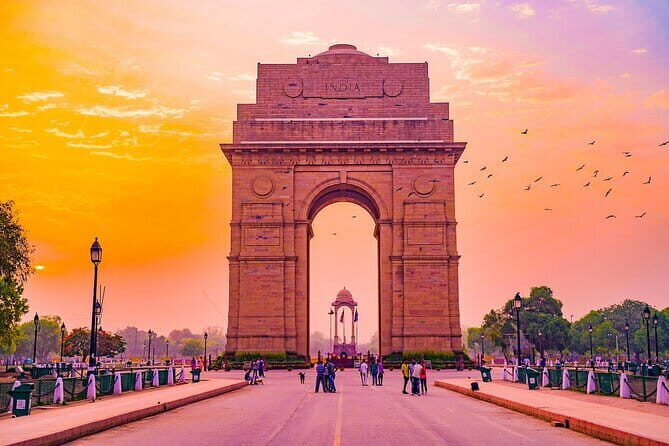
Then you visit India Gate, a war memorial near Rajpath. It’s also a casual picnic spot for families, which helps you see how the city uses its monuments in daily life. Your time here is shorter in the schedule, so aim to capture the basics and move on.
You also drive past Rashtrapati Bhavan and Parliament House (Sansad Bhavan). The circular design is inspired by the Ashoka Chakra. You’re not always going to get inside, so treat this as a streetscape moment—good for photos and orientation.
Finally comes Humayun’s Tomb, described as India’s first Garden Tomb and a UNESCO World Heritage Site. The schedule allows you to choose between visiting Humayun’s Tomb or Akshardham Temple. That choice is helpful if you’re more interested in Mughal-era tomb architecture or in a more modern spiritual complex setting.
At the end, you’re dropped off back at the airport or your Delhi-area hotel.
Important date-based adjustments
This tour also accounts for site closures:
- Taj Mahal is closed on Fridays, and the itinerary adjusts so the route won’t strand you on the wrong day.
- Red Fort and Lotus Temple are closed on Mondays, and the plan changes to include Gurdwara Bangla Sahib instead.
If your trip lands on one of those days, you’ll likely feel less stressed because the order changes rather than forcing you to cancel a key sight.
Hotels, guides, and the staff who keep the day moving
If you choose accommodation, you get four nights in Delhi, Agra, and Jaipur (based on the five-day structure). Daily breakfast is included with the hotel option. The hotels are described as clean and offering good service, and the choices are generally framed as affordable for a luxury-style private route.
Rooming is typically arranged on single, double/twin, or triple sharing. If your group wants separate rooms, there may be extra charges. That’s worth checking early so you don’t get surprised later.
A guide is included at the sites, and they assist with monument entrance fees to help you avoid long queues. This matters in the Golden Triangle because ticket lines can be the real time sink, even when you have a private vehicle.
From past customer experiences, you might meet guides such as Mr. Satish in Delhi, Mr. Ashok in Agra, Mr. Anil around Fatehpur Sikri, and Mr. Madan Singh in Jaipur. Drivers may include people like Manvendra or Raju depending on your dates. The key value isn’t any single name—it’s that the operator has shown it can coordinate guides and drivers smoothly.
Also included: unlimited bottled water, which sounds minor until you’re staring at long hot walks and don’t want to keep hunting for drinks.
What’s included that actually saves time (and what to budget for)
Included features you’ll feel day-to-day:
- Pickup and drop-off in Delhi/Noida/Gurugram and return at the end
- Private, air-conditioned vehicle for transfers
- Electric car ride to the Taj Mahal entry gate
- Rickshaw ride in Old Delhi
- Unlimited bottled water
- Private guide at the sites
- Mobile ticket support
Not included:
- Entry tickets for monuments
- Meals and drinks
- Tips
My budgeting advice is simple: treat entrance tickets and meals as your separate daily line items. This tour handles the transportation, the pacing, and the main sight routing.
Who this tour suits best (and who might want a different format)
I think this tour is a strong match if you:
- want private transport without the stress of building your own plan
- prefer a guided context but still want freedom in how long you stay inside each site
- value time-saving touches like water, electric gate access, and queue support
It might be less ideal if you:
- hate structured days with a lot of stops in a row
- want a fully guided, minute-by-minute narration inside every monument (this plan focuses more on site coverage and logistics than on choreographed museum-style guiding)
If you’re traveling with parents, a mixed-age group, or anyone who doesn’t want to negotiate drivers and tickets on their own, the private setup is the real comfort factor.
Should you book this Golden Triangle tour?
I’d book it if your priority is convenience plus priority handling across Delhi, Agra, and Jaipur. The mix of private car comfort, electric access at Taj Mahal, rickshaw time in Old Delhi, and a guide who helps with entrance flow is exactly what makes this kind of route feel manageable.
Don’t book it blindly if you’re trying to keep total costs strictly all-in, since entry tickets and meals aren’t included. But if you’re comfortable budgeting for tickets and food, you’ll likely find this is a good value way to see the big names without wasting hours on logistics.
Finally, if your travel dates hit a closure day—Friday for Taj Mahal or Monday for Red Fort/Lotus Temple—know that the itinerary adjusts. That flexibility is a real reason to feel confident pressing book.
FAQ
What cities are included on this 5-day Golden Triangle tour?
The tour covers Delhi, Agra, and Jaipur.
Do I get pickup and drop-off from my location in Delhi?
Yes. Pickup is offered from your desired location in Delhi, Noida, or Gurugram, including the airport, railway station, hotel, or another designated pickup point. You’re also dropped off at the end at either the airport or your Delhi-area hotel.
Is accommodation included in the price?
Hotel accommodation for four nights is included only if you select the accommodation option. If you don’t select it, the tour still provides transport and the sightseeing plan.
Is breakfast included?
If you book the accommodation option, daily breakfast at the hotels is included.
Are entrance tickets included for all monuments?
No. Monument entry tickets are not included (the plan notes that many sites have admission tickets not included).
Does the tour include transportation in a private car?
Yes. You get transportation in a private, air-conditioned vehicle.
What special rides are included during the tour?
You get an electric car ride from parking to the Taj Mahal entry gate, and there’s also a rickshaw ride in Old Delhi.
What happens if my day falls on a closure day?
- Taj Mahal is closed on Fridays, so the itinerary is adjusted (it may reorder the cities).
- Red Fort and Lotus Temple are closed on Mondays, and the plan includes Gurudwara Bangla Sahib instead.
Can I choose between Humayun’s Tomb and another temple?
Yes. On the final day in Delhi, you can visit Humayun’s Tomb or Akshardham Temple.
Is the tour refundable if I cancel?
No. This experience is non-refundable and cannot be changed for any reason.