REVIEW · RISHIKESH
Rishikesh: Walking Tour of Ashrams and Ghats
Book on GetYourGuide →Operated by Lets Go Far · Bookable on GetYourGuide
Ghat air, chants, and quiet answers in two hours. This walking tour threads together the Shatrughana Temple Ghat, the Divine Life Society, Gita Bhawan, Parmarth Niketan Ashram rituals, and ends at Swarg Ashram, so you get spiritual Rishikesh in a tight, walkable loop. I especially like the calm, river-focused start and the way the stops are designed to make the Bhagavad Gita feel connected to the place you’re standing. One consideration: the pace can feel quick, and cultural context can vary depending on your guide.
You’ll walk with a professional English-speaking live guide (also Hindi), capped at 10 people, so it’s easier to ask questions and move at a human speed. I also like that coffee/tea is included, which helps when you’re doing a short route in the daytime. The only drawback for some folks is that this is not a good fit if you have mobility limits, use a wheelchair, or are pregnant.
In This Review
- Key things I’d plan around
- Why this Rishikesh ashram-and-ghat route feels worth your time
- Shatrughana Temple Ghat: your calm starting line on the Ganges
- Divine Life Society (Sivananda Ashram): yoga and meditation in real form
- Gita Bhawan: experiencing the Bhagavad Gita where it belongs
- Parmarth Niketan Ashram and the river rituals: what to watch for
- Swarg Ashram finish: taking the quiet out of the walk
- Pace, guide quality, and how to get the most from 2 hours
- Practical tips: modest dressing, cameras, and what to carry
- Price and logistics value: what $13 buys you in Rishikesh
- Who this walking tour suits best (and who should skip)
- Should you book this Rishikesh tour?
- FAQ
- FAQ
- How long is the Rishikesh walking tour?
- What is the price per person?
- What is included in the tour?
- Where do we meet for the tour?
- Are there any rules about photography?
- Is the tour suitable for people with mobility impairments or pregnant women?
Key things I’d plan around
- Start at Shatrughana Temple Ghat for your first real “Rishikesh moment” with the Ganges nearby
- Divine Life Society (Sivananda Ashram) is where yoga and meditation atmosphere turns into lived routine
- Gita Bhawan gives you a structured way to experience Bhagavad Gita teachings on-site
- Parmarth Niketan Ashram is the riverbank stop where you can watch evening spirituality unfold
- Swarg Ashram helps you land the tour with a final sense of calm and continuity
- Small group of up to 10 means more Q&A and less rushing than big-bus sightseeing
Why this Rishikesh ashram-and-ghat route feels worth your time
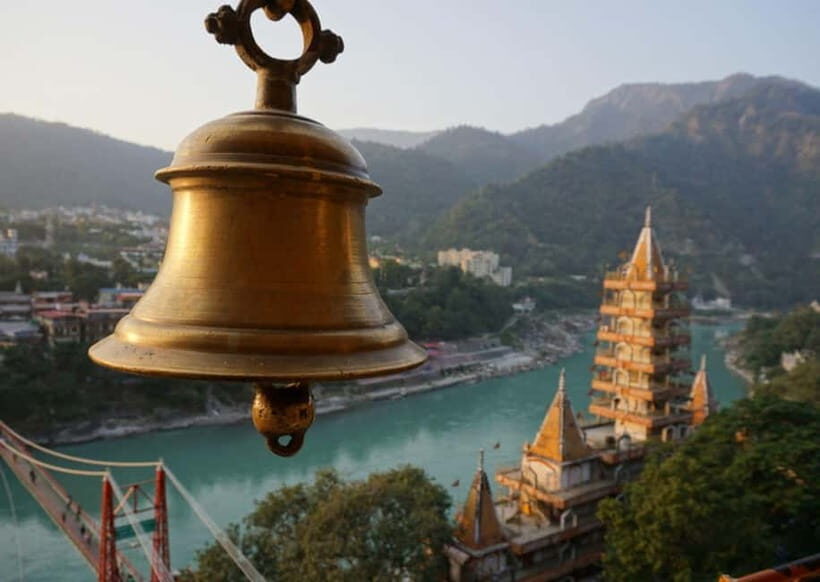
Rishikesh is famous for spirituality, but it can also feel confusing on foot. You’ll see crowds, temples, yoga spaces, and riverside steps all at once. This tour solves the messy part by giving you a short route with clear anchors: ghats first, then ashrams, then the Gita, and finally the evening rhythm at the riverbanks.
At about $13 for 2 hours with a professional English-speaking guide, the value is in organization. You’re paying for someone to translate what you’re looking at, not for transport or a long day of sightseeing. And because the group stays small, you’re less likely to get swallowed by the crowd at each stop.
If you want a “taste” of Rishikesh’s spiritual landscape without committing to a full day, this works. If you’re chasing a super detailed academic lesson at every building, you might want extra time in each location after the tour.
You can also read our reviews of more walking tours in Rishikesh



Shatrughana Temple Ghat: your calm starting line on the Ganges
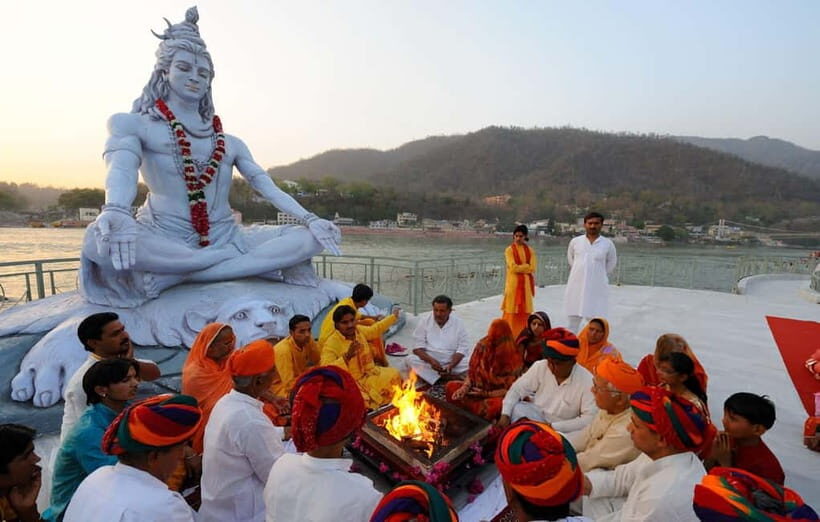
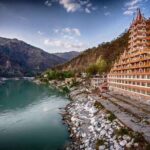
Your morning or daytime navigation begins at Shatrughana Temple Ghat, right where the Ganges flows gently past the steps. Starting here matters because it sets the tone before you move into the ashrams. You’re not just looking at buildings; you’re watching how daily life, devotion, and the river share the same space.
This is the part of the tour where you’ll likely notice small-but-important details: the river’s constant presence, how the ghat functions as a meeting point, and how the spiritual mood is less about spectacle and more about routine. I like this opening because it helps you get your bearings fast. Even if you’ve never visited Rishikesh before, you’ll quickly understand that the ghats are the city’s spiritual front porch.
Practical note: you’ll want comfortable shoes. Ghat steps and uneven stone can be a pain if you’re wearing anything delicate. Also, keep your camera handy, but remember you’re entering active spiritual spaces, not just sightseeing zones.
Divine Life Society (Sivananda Ashram): yoga and meditation in real form
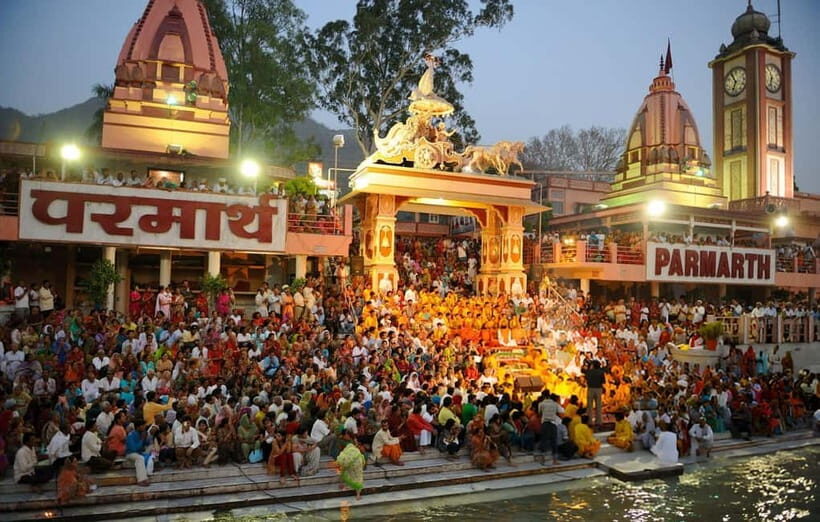
After the ghat start, the walk moves to The Divine Life Society (Sivananda Ashram). This is where the tour shifts from the river’s energy into the daily discipline of yoga, meditation, and spirituality.
What I like about this stop is that it’s not a one-off moment. An ashram like this is built around daily practice, and you can feel that difference as soon as you’re inside the complex. Instead of asking you to just look at something decorative, the atmosphere pushes you to slow down and pay attention.
Your guide’s job here is key. With the right host, you’ll get helpful explanations that connect the spiritual purpose of the place to what you’re seeing around you—movement, quiet corners, and the general sense of order. One thing I’ve seen praised is the storytelling style of guides connected with this experience (people have specifically highlighted hosts such as Adi for being informative and helpful). That kind of explanation makes a big difference when you don’t know the background terms you’re hearing.
If you’re expecting long cultural history lectures, keep expectations flexible. The tour is short, so you’ll get insights, not a semester’s worth of context.
Gita Bhawan: experiencing the Bhagavad Gita where it belongs

Next comes Gita Bhawan, a revered sanctuary associated with the wisdom of the Bhagavad Gita. This is the tour’s teaching-focused stop, and it changes the whole feeling of the walk.
Instead of treating the Gita like a book reference, you’re seeing how the ideas attach to a physical place. You’ll likely spend time exploring the complex and absorbing the cultural and spiritual ambiance. The real value here is mental: the Gita themes can feel abstract until you see how people use that text as guidance in daily life.
Guides who are strong at explanation can turn this stop from “interesting building” into “aha moment.” I’ve seen this experience described as especially effective when the guide balances spiritual context with clear, city-and-place knowledge—something highlighted with guides like Shiv, praised for being a wonderful storyteller and host.
Consideration: because this is still a 2-hour tour, the time at each stop has to be efficient. If you want to linger with reading materials or deeper discussions inside Gita Bhawan, you’ll likely want to do a bit of extra time on your own afterward.
Parmarth Niketan Ashram and the river rituals: what to watch for
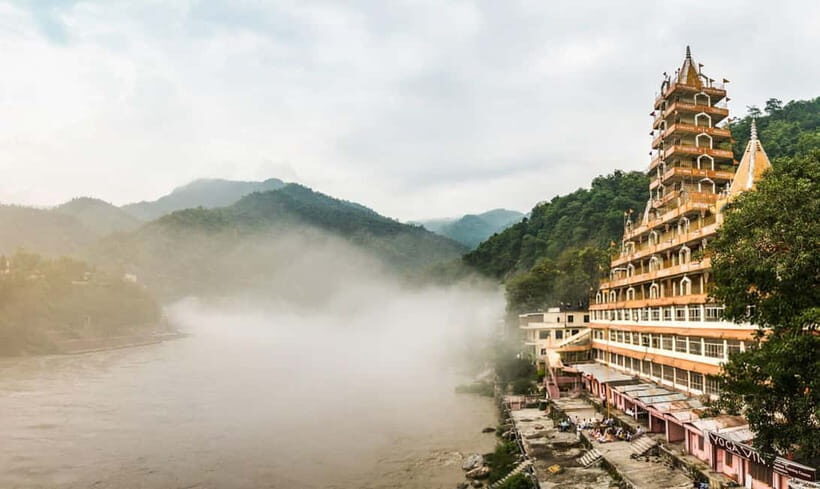
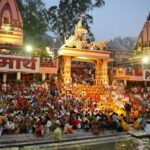
The next major stop is Parmarth Niketan Ashram, known for its tranquil vibe and sacred riverbank rituals. This is where Rishikesh’s spirit becomes visible in action, especially around evening routines.
Even if you don’t fully understand the tradition, you can still track the rhythms: people gathering, the river acting as the stage, and the atmosphere shifting into something quieter and more intentional. I like this part of the tour because it’s not just “look at a place.” You’re observing a practice.
A guide can help you pay attention to the right cues—what’s happening, why it matters, and what to be respectful about. That guidance keeps you from feeling lost, particularly if you’re watching more than one ritual moment without context.
Also, photography is allowed, but it’s important to be respectful about people’s privacy inside ashrams. Treat your camera like a tool, not a souvenir machine. If someone looks uncomfortable, step back. You’ll enjoy the experience more, and you’ll be doing the right thing.






Swarg Ashram finish: taking the quiet out of the walk
You end at Swarg Ashram, a haven for devotees and yogis with a spiritual legacy. A good tour ending should leave you with a sense of arrival, not just a final photo spot. Swarg Ashram is positioned to do that.
By the time you reach this last stop, you’ve already visited the ghats, stepped into the yoga-and-meditation world, experienced the Gita-focused sanctuary, and watched riverbank practices. So the final stop feels like a landing pad. You’re not starting from zero; you’re finishing with continuity.
What I like about ending here is that it encourages reflection. You can pause, slow down, and let the walk’s theme settle into your own thoughts. Even if you keep moving after the tour, you’ll have a calmer mental baseline for the rest of your Rishikesh day.
Pace, guide quality, and how to get the most from 2 hours
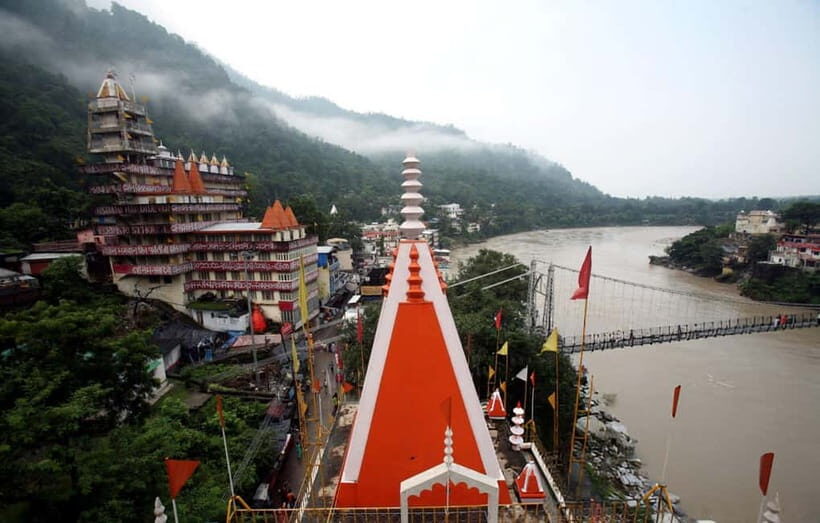
Two hours sounds short because it is. This tour is built as a compact circuit, and that’s good—short enough to fit travel plans, focused enough to avoid chaos. But the flip side is that the schedule can feel quick at each stop.
One recurring concern you should plan for is that the tour may finish earlier than expected, leaving a little less time for deeper cultural explanations. If you’re the kind of person who likes to linger, bring curiosity and be ready to ask follow-up questions.
This is also where guide quality makes a real difference. People have highlighted guides like Adi for being super informative and helpful, and Shiv for storytelling that feels balanced and grounded. If your guide is strong, you’ll leave with more than photos—you’ll leave with a clearer framework for what you saw and why.
My tip: during the walk, ask one practical question per stop. For example:
- What should I notice here?
- What’s the purpose of this space?
- What does the Gita connection mean in daily practice?
A guide can’t read your mind, but they can usually guide your attention quickly if you show you’re paying attention.
Practical tips: modest dressing, cameras, and what to carry
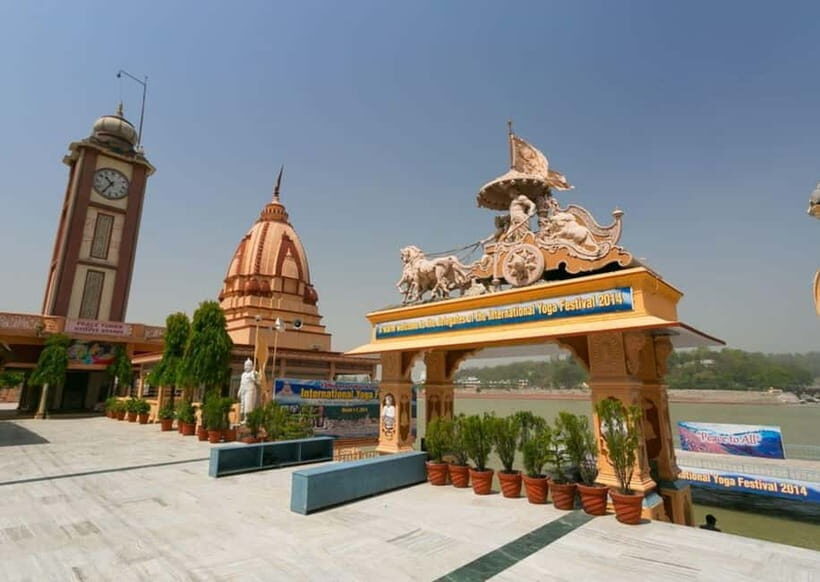
Rishikesh’s ashrams and temples are active spaces, so dress and behavior matter. Plan on modest clothing—you’ll feel better, and you’ll show respect. Loose, breathable layers are smart if you’re visiting in warmer conditions.
Photography is allowed, but it’s not a free-for-all. Be thoughtful about privacy of individuals. If you see signs, follow them. If people are engaged in prayer or quiet routines, keep your distance and don’t interrupt.
Here’s what I recommend bringing:
- Comfortable shoes for steps and uneven ground
- Camera (and charge it)
- Sunscreen and water
- A light layer if the river breeze cools things down
One more practical point: smoking is not allowed. It’s one of those rules that keeps the spiritual spaces more peaceful for everyone.
And if your schedule is uncertain, the experience includes free cancellation up to 24 hours in advance and a reserve now & pay later style option—handy when you’re still juggling travel timing.
Price and logistics value: what $13 buys you in Rishikesh
At $13 per person for a 2-hour guided walking tour, you’re paying for three main things:
- An English-speaking live guide (also Hindi)
- A tight route through specific spiritual landmarks
- Coffee/tea included, which is useful on a short walk
That’s the value equation. You’re not paying for a vehicle, a full-day program, or lots of meals. Instead, you’re buying focus and interpretation.
If you’re traveling on a budget, this is one of the more sensible ways to get structured context in Rishikesh without taking up your whole day. If you’re coming with zero curiosity and you just want photos, you may feel underwhelmed because the tour’s real purpose is understanding what you’re seeing.
Meals and drinks aren’t included beyond coffee/tea, so you’ll want a plan for your food timing before or after the walk.
Who this walking tour suits best (and who should skip)

This tour is a strong match if you:
- want a compact introduction to Rishikesh’s ghats and ashrams
- prefer walking and short guided interpretation over long museum-style visits
- like spiritual settings but don’t want to commit to a full day of study
It’s not suitable for pregnant women, people with mobility impairments, or wheelchair users. The route involves walking and visiting places that may have steps or uneven areas. If any of that is a concern for you, it’s worth choosing a different format.
Language-wise, it works whether you’re comfortable with English or prefer Hindi. The tour guide is set up to communicate in both.
Should you book this Rishikesh tour?
If you want a 2-hour orientation to Rishikesh’s spiritual core—ghats, the ashram world, the Bhagavad Gita connection, and river rituals—this is a good buy. The small-group size and English-capable guide make it feel human, not like mass sightseeing.
Book it if your goal is to understand what you’re seeing quickly and respectfully, and if you’re okay with a pace that keeps things moving. Skip it if you need lots of mobility support, want a long leisurely visit, or you’re expecting heavy, deep cultural lectures at every stop.
FAQ
FAQ
How long is the Rishikesh walking tour?
The tour lasts 2 hours.
What is the price per person?
The price is $13 per person.
What is included in the tour?
It includes a professional English-speaking live tour guide, coffee/tea, and additional information shared during the experience.
Where do we meet for the tour?
You meet outside Shatrughana Temple Ghat, and the activity starts from there.
Are there any rules about photography?
Photography is allowed, but you should respect the privacy of individuals at the ashrams.
Is the tour suitable for people with mobility impairments or pregnant women?
No. It is not suitable for pregnant women, people with mobility impairments, or wheelchair users.