REVIEW · RISHIKESH
Private Walking Tour in Rishikesh
Book on Viator →Operated by India Easy Trip Pvt Ltd · Bookable on Viator
Rishikesh is a spiritual maze, and this walk helps. This private tour strings together the sights that define the town: Ram Jhula over the Ganges and ashrams that explain how daily devotion works. What I like most is the freedom to linger at each stop, instead of being herded through. You also get serious time near the Ganga Aarti action, without forcing an agenda that ignores crowds.
Two highlights stand out for me. First, you focus on the “why” behind each place, so Sivananda Ashram, Gita Bhawan, and Swarg Ashram feel connected instead of random. Second, it’s a true private format, so the pace can match your energy level and how long you want at the riverfront. If your goal is to get your bearings fast, this works well.
One consideration: Rishikesh religious sites have clear dress expectations. No shorts or sleeveless tops means you’ll want light layers that still cover knees and shoulders, even in warm weather. Also, the walk isn’t for everyone if you’re dealing with back problems, heart issues, pregnancy, or similar medical limitations.
In This Review
- Key Things That Make This Private Rishikesh Walk Worth It
- Why This Private Walking Format Works in Rishikesh
- The 2:00 pm Start, the 4-Hour Window, and Weather Reality
- Starting at Yog Niketan by Sanskriti Near Ram Jhula
- Sivananda Ashram: Where the Day Gets Its Spiritual Map
- Ram Jhula: The Iconic Suspension Bridge Moment
- Gita Bhawan: Ashram Life With Plenty of Rooms and Devotion
- Swarg Ashram: An Older Stop With a Different Feel
- Parmarth Niketan Ashram and the Evening Ganga Aarti
- Price and Value: What $18 Per Person Really Buys
- How the Guides Turn a Walk Into a Story
- Dress Code, Comfort, and Who Should Skip This One
- Getting Your Bearings for Later Days
- Should You Book This Private Walking Tour?
- FAQ
- How long is the private walking tour?
- What time does the tour start?
- Where do I meet the guide?
- Is this tour private or shared?
- What stops are included on the walk?
- Are admission tickets included?
- Is the Ganga Aarti part of the experience?
- What’s included in the tour price?
- What should I wear?
- Can I cancel for a full refund?
Key Things That Make This Private Rishikesh Walk Worth It
- Private, not generic: only your group, with a professional guide steering the day
- Ashrams with context: stops like Sivananda Ashram, Gita Bhawan, Swarg Ashram, and more
- Ram Jhula as your anchor point: a key crossing that links neighborhoods and river views
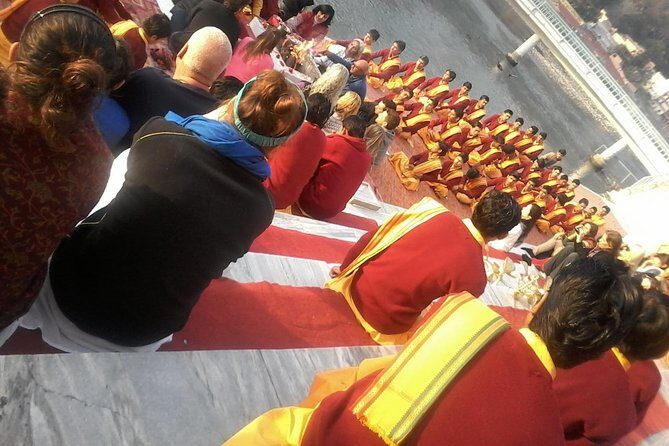
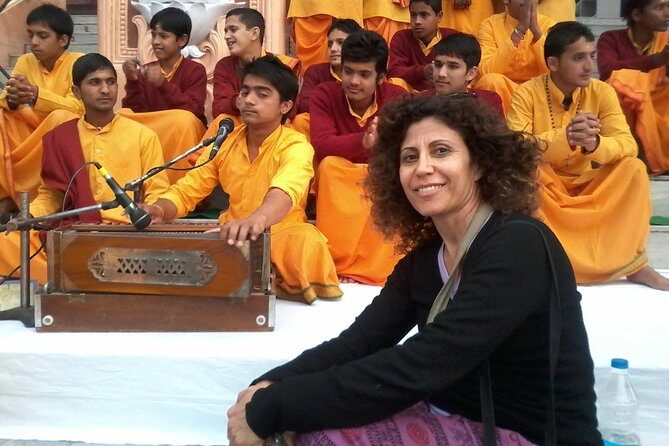
- Evening Ganga Aarti access: Parmarth Niketan runs the evening ceremony daily
- Flexible timing for reality: crowds can slow you down, but the schedule adjusts
- Simple value: bottled water plus GST included in the price
Why This Private Walking Format Works in Rishikesh
Rishikesh is small on a map, but it can feel big when you’re trying to figure out where to go next. Temples and ashrams cluster around the river, lanes, and ghats, and the place runs on foot traffic and footpaths. This tour makes that manageable by turning the day into a guided sequence of walkable landmarks.
You’ll also notice that Rishikesh isn’t only about photo spots. Ashrams sit alongside markets and everyday routines. A good guide helps you see the logic: what the site is teaching, who it serves, and how the river ties it all together.
This is also the kind of tour where “private” matters. In shared group tours, you often lose time when someone stops to ask a question and the rest of the group keeps moving. Here, your guide can slow down, explain, and pace the walk so you don’t feel rushed at the places that matter to you most.
You can also read our reviews of more walking tours in Rishikesh



The 2:00 pm Start, the 4-Hour Window, and Weather Reality
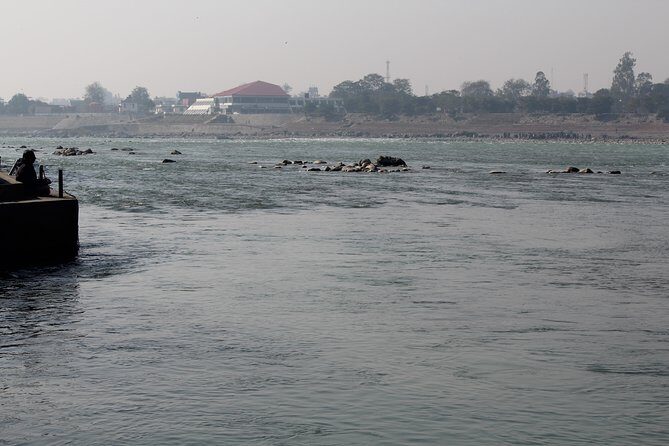
The tour starts at 2:00 pm and runs for about 4 hours, ending back at the same meeting point. That timing is practical because you can cover several ashrams before evening, then still have time near the river during the nightfall rhythm of the Ganga Aarti.
You’ll also want to plan around crowds. Sometimes it takes longer to visit places, and you should expect a little schedule flexibility. The tour is designed for that: if there’s slower traffic or more people at a temple entrance, you’ll get extra time to see the market area or hear more detailed explanations.
On the weather side, it runs in all conditions. Dress for the day you get, not the day you hope for. Comfortable walking shoes help, since the experience is built around moving through lanes and temple approaches.
Starting at Yog Niketan by Sanskriti Near Ram Jhula
Your day begins at a clear local landmark: Yog Niketan By Sanskriti – A Riverside Boutique Resort parking near Ram Jhula (Ganga Vatika area, NH52, Badrinath Rd). Since you start close to the Ram Jhula zone, the entire walk stays centered on one of Rishikesh’s most connected river neighborhoods.
You won’t need hotel pickup. That can be a relief if you’re already near the main river crossings. It also means you can control how early you arrive, grab water, and settle before the walk starts.
The tour end returns you to the meeting point. That’s useful when you’re figuring out dinner plans afterward. You’re not stuck hunting for a ride far away from where you started.
Sivananda Ashram: Where the Day Gets Its Spiritual Map
The first stop is Sivananda Ashram, a famous Rishikesh site that gives you a foundation for how an ashram lifestyle works. The time here is short, about 15 minutes, and that’s a good length for a first orientation stop.
Instead of turning it into a long lecture, you get the basics that make the next ashrams easier to understand. You’ll learn what life inside an ashram is generally about, and why these institutions became magnets for spiritual seekers in the Himalayas.
Even if you’ve never visited an ashram before, this stop helps you avoid the common trap: looking at buildings and incense without understanding what you’re seeing.
Ram Jhula: The Iconic Suspension Bridge Moment
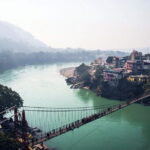
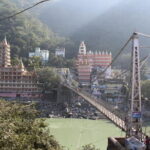
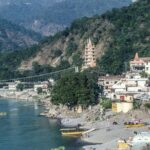
Next comes Ram Jhula, a suspension bridge linking the Swarg Ashram area to Muni Ki Reti. This is one of those Rishikesh landmarks where the river view does half the explaining for you.
The bridge stop is brief, around 5 minutes, but it’s strategically placed. It helps you connect neighborhoods and understand how the Ganges shapes movement through the city. If you’re thinking about photos, this is a good moment to pause and look both ways.
It’s also a low-pressure stop. You get the landmark without turning the tour into a photo marathon.
You can also read our reviews of more private tours in Rishikesh



Gita Bhawan: Ashram Life With Plenty of Rooms and Devotion
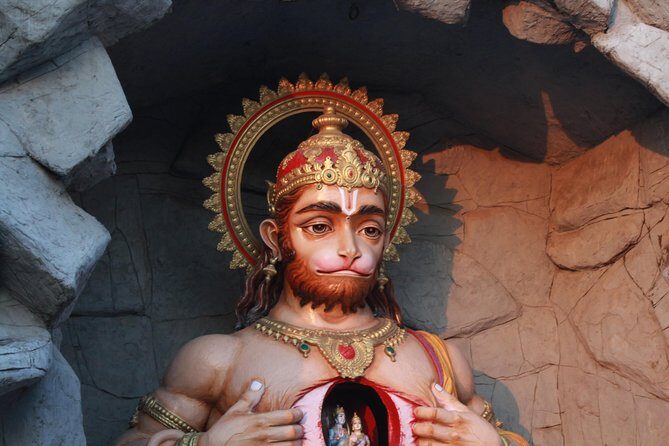
After the bridge, the tour moves to Gita Bhawan, a very well-known ashram that sees a lot of domestic visitors. The visit is about 15 minutes.
What makes Gita Bhawan interesting is the scale. The stop time may be short, but the information helps you understand what it means for a place to host hundreds of rooms. In practical terms, it gives you a sense of how Rishikesh can handle both long-term spiritual practice and shorter stays by pilgrims.
This is one of those stops where the guide’s explanations matter more than the architecture. You’re not just passing through. You’re learning how the place functions as a community.
Swarg Ashram: An Older Stop With a Different Feel
Then it’s Swarg Ashram, described as one of the oldest ashrams in the Ram Jhula area. The visit is around 10 minutes.
The “older” element matters because it changes how you interpret the space. Newer sites often feel like they’re built for visitors. Older sites can feel more like they grew into their role over time. Even if you can’t date every structure, a guide can help you read the site in that context.
This is a good stop if you like variety. You’ll see a shift from one ashram identity to another, all while staying in the same Ram Jhula corridor.
Parmarth Niketan Ashram and the Evening Ganga Aarti
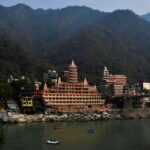
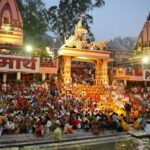
The biggest emotional moment of the walk is at Parmarth Niketan Ashram, where the evening Ganga Aarti is organized every day. This is the longest stop, about 1 hour.
If you’re hoping for a real look at how the ceremony works, this timing matters. You’re not just squeezing in a quick peek. You get a solid window for watching the rituals and understanding what people are participating in.
One practical tip: the guide can influence what kind of view you get and how comfortably you handle the crowd flow. In past experiences with guides like Raj, people found that staying flexible helped them see the Aarti at a time they preferred. In one case, a guide even stayed longer than planned so the group could catch the ceremony later in the evening.
Even if you’re not trying to change the schedule, the fact that the tour has this extended stop means you’re less likely to miss the main event because of a surprise delay earlier in the day.
Price and Value: What $18 Per Person Really Buys
At $18 per person, this tour sits in the budget-to-mid range for a private guided experience in India, especially one that includes a professional guide, bottled water, and GST. The value isn’t only in what’s included. It’s in what you avoid.
You avoid:
- wasting time figuring out routes and entrances
- paying for a bunch of separate tickets or getting stuck without context
- trying to line up the Aarti on your own while you’re still learning the city
A big clue that people see the value: it’s commonly booked about 40 days in advance on average. That doesn’t mean you can’t book later, but it does suggest this is one of those “plan it early” experiences when your schedule is tight.
Also, this is a mobile-ticket style experience. That’s convenient if you prefer less paperwork and more time walking.
How the Guides Turn a Walk Into a Story
The tour quality depends on the guide, and the guide names that show up in real-world experiences are a strong signal. People have praised guides such as Sunny, Raj, and Alpesh for being passionate, patient, and strong at explaining what you’re seeing.
Sunny gets highlighted for broad knowledge and a fun, energetic approach. Raj stands out for being patient, especially with families, and for adapting when timing mattered. Alpesh is praised for knowing street shortcuts, which is huge in a place where lanes twist and signage can be unclear if you’re new to the area.
If you want the experience to feel personal, private works best when your guide talks in plain language and answers questions on the spot. This tour’s structure supports that because you’re not stuck waiting for a large group to catch up.
Dress Code, Comfort, and Who Should Skip This One
Rishikesh expects respect at religious sites. For this tour, the rule is simple: no shorts or sleeveless tops. Knees and shoulders must be covered for both men and women. Plan for this before you leave your hotel or hostel.
Comfort matters too. This is a walking tour, so choose shoes you can trust. The description also notes it isn’t recommended for pregnant travelers or anyone with back problems, heart complaints, or other serious medical conditions. If that includes you, it’s worth considering a different style of tour with less walking.
The good news: most travelers can participate, and children must be accompanied by an adult. If your group includes kids, the flexibility of a private format can help keep the day from turning into a long, slow slog.
The tour operates in all weather conditions, so bring what you need for the forecast.
Getting Your Bearings for Later Days
A smart way to use this tour is as a first or second-day activity. When you finish, you’ll better understand how the ashram cluster and the riverfront rhythm work. That makes it easier to return on your own, whether you want more time at a particular ghats area or you’d like to shop in the market with less confusion.
It’s also a good choice if you care about the meaning behind rituals. The stops aren’t just “look and move on.” You’re meant to walk away with context you can use as you keep exploring.
Should You Book This Private Walking Tour?
Book it if you want:
- a guided, respectful introduction to Rishikesh’s key ashrams and river crossings
- time near the Ganga Aarti without feeling rushed
- a pace that can flex around crowds and what you want to see
- a private guide who can explain instead of just pointing
Skip it or swap plans if:
- you can’t meet the dress requirement (covered knees and shoulders)
- walking is tough for you due to medical limitations noted for pregnancy, back problems, or heart issues
- you only have mornings available, since this one starts at 2:00 pm
One final decision tip: if catching the evening Aarti is a must for your trip, this tour’s structure is built to support that goal.
FAQ
How long is the private walking tour?
It runs for about 4 hours.
What time does the tour start?
The start time is 2:00 pm.
Where do I meet the guide?
You meet at the Yog Niketan By Sanskriti – A Riverside Boutique Resort parking near Ram Jhula, Ganga Vatika, Rishikesh (NH52, Badrinath Rd).
Is this tour private or shared?
It’s private. Only your group participates.
What stops are included on the walk?
Key stops include Sivananda Ashram, Ram Jhula, Gita Bhawan, Swarg Ashram, and Parmarth Niketan Ashram.
Are admission tickets included?
Admission is free for Sivananda Ashram, Ram Jhula, and Parmarth Niketan Ashram. Admission ticket is included for Gita Bhawan and Swarg Ashram.
Is the Ganga Aarti part of the experience?
Parmarth Niketan Ashram hosts the evening Ganga Aarti every day, and the tour includes time at this location.
What’s included in the tour price?
A professional guide, bottled water, and GST are included.
What should I wear?
No shorts or sleeveless tops. Knees and shoulders must be covered for both men and women.
Can I cancel for a full refund?
Yes. You can cancel up to 24 hours before the experience for a full refund. If you cancel less than 24 hours before, the amount paid is not refunded.