REVIEW · RISHIKESH
Benog Tibba Day Hike – Mussoorie
Book on Viator →Operated by Easy Prime Holidays · Bookable on Viator
Benog Tibba hikes feel like a reset button. You get the professional guide support on a forest trail that swings from tree cover to open views, plus big panoramic moments over Mussoorie and the Himalayas. My favorite part is the mix of calm forest walking and lookout payoff, with a real shot at wildlife sightings. One thing to plan for: the hike length can vary (about 9 km roundtrip up to about 15 km point-to-point), so your stamina matters.
This is a half-day style outing, usually 4 to 4.5 hours, with a time window of 8:30 AM to 5:00 PM. You’ll meet in Mussoorie and end back there unless your group plan turns into a point-to-point route that needs a cab. Bring good walking shoes and expect the route to be weather-dependent.
In This Review
- Key things I’d bet on before you go
- Why Benog Tibba fits a half-day in Mussoorie
- Entering Benog Sanctuary: the forest-to-views rhythm
- The highest point moment: Mussoorie and Himalayan peaks
- Jwala Devi Temple as a route landmark
- Trail length: 9 km roundtrip vs 15 km point-to-point
- Guide-led walking: personal attention in a small group
- Water, snacks, and keeping your energy steady
- Transfers and how you’ll actually get there
- Price and value: what your $33.56 is really buying
- Who should book this hike, and who should skip it
- Should you book the Benog Tibba Day Hike?
- FAQ
- How long is the Benog Tibba day hike?
- Where do I meet, and where does the hike end?
- What trail lengths should I expect?
- Is a professional guide included?
- What food and drinks are included?
- Are hotel transfers included?
- Are entry tickets included?
- What if the weather is poor?
- What’s the cancellation window?
Key things I’d bet on before you go
- Small groups (max 15): easier guidance and less trail chaos.
- Benog Sanctuary trail time: lots of tree cover plus open-view breaks.
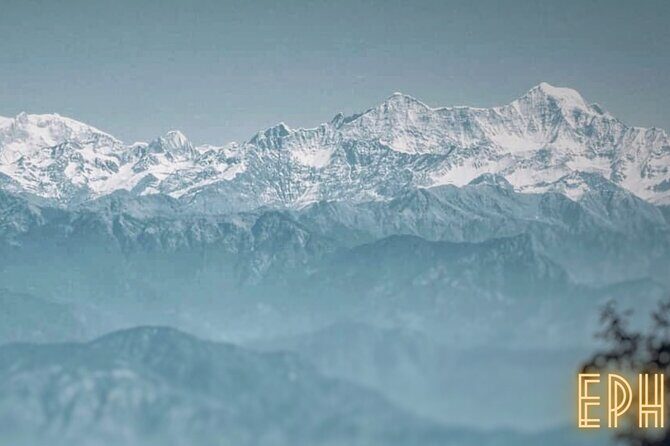
- View payoff at the highest point: Mussoorie town + snow-capped Himalayan peaks when skies cooperate.
- Wildlife sightings are possible, not promised: barking deer, eagles, pheasants, primates, and more may appear.
- Snacks and bottled water included: enough for a 4–4.5 hour hike, without hunting around.
- Long trek options exist: plan for 9 km roundtrip or up to 15 km point-to-point.
Why Benog Tibba fits a half-day in Mussoorie
If you’re in Mussoorie and you want a nature outing that doesn’t eat your whole day, Benog Tibba is a strong match. It’s built around a guided walk through Benog Sanctuary, with time for the views without turning into a full trekking expedition.
What I like for practical travel planning is the structure. You’re out for about 4 to 4.5 hours, not all-day hiking that forces you to rearrange everything. And because it’s guide-led in a small group, you’re not just walking from point A to point B hoping something interesting happens.
The possible drawback is also pretty practical: the distance isn’t always identical. Some groups do a shorter 9 km roundtrip, while others may follow a longer point-to-point route around 15 km that requires a cab. If you’re tight on energy or schedule, you’ll want to be honest with yourself about walking time.
You can also read our reviews of more hiking tours in Rishikesh
Entering Benog Sanctuary: the forest-to-views rhythm
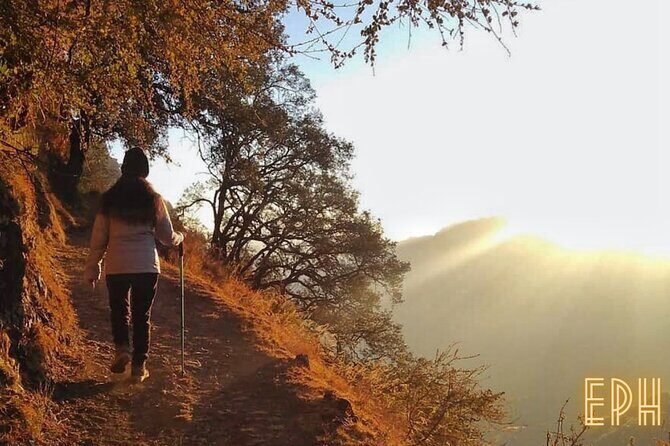
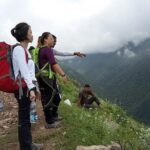
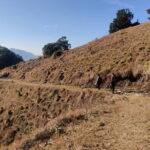
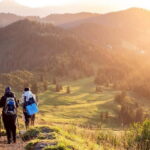
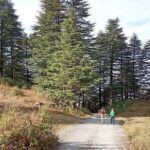
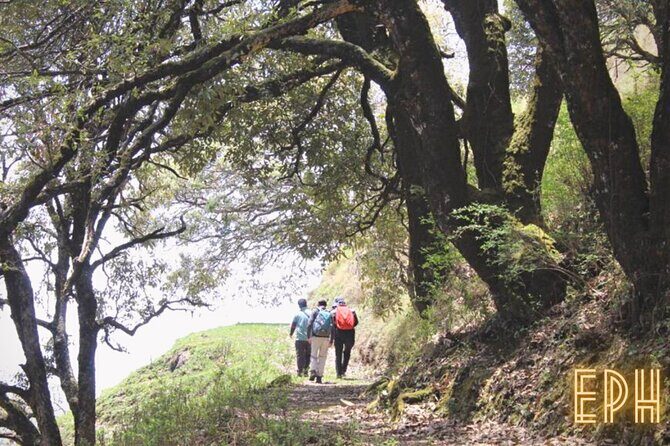
The heart of this experience is the trail feel. You spend a lot of time under tree cover, so the hike has that cool, green jungle ambiance nature lovers usually want in the hills. Then, as the route climbs, you get open views that make you slow down for photos and just stare for a minute.
This isn’t a trail that stays equally scenic every single minute, but that’s part of the charm. The forest section gives you quiet attention—birdsong, rustling, and the occasional flash of motion—while the open sections reward the climb with wider sightlines toward valleys below.
About wildlife: spotting can happen, but it’s never guaranteed. The area is home to animals and birds like barking deer, red foxes, jungle martins, Kalij pheasants, langoors, eagles, and vultures. If you spot something, your best chance is to keep your pace steady, listen for your guide’s callouts, and avoid big sudden stops that throw off the group.
The highest point moment: Mussoorie and Himalayan peaks
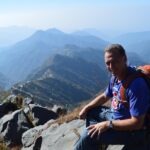
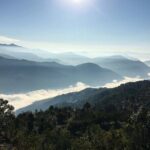
The climb is designed to reach a payoff point with panoramic views. At the highest point, you’re looking out over the valley and down toward Mussoorie township, with the possibility of seeing major snow-capped Himalayan peaks depending on conditions.
This is one of those places where the guide’s role matters. Even if you don’t know the geography right away, a good guide helps you make sense of what you’re seeing—what direction the view likely stretches, and what features to look for at a glance.
One thing to keep expectations realistic: views depend on weather. The experience is described as requiring good weather, and if it gets canceled due to poor conditions, you’ll be offered another date or a full refund. So if you’re planning around this, treat a clear day as your priority.
Jwala Devi Temple as a route landmark
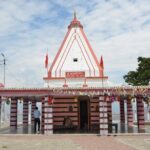
Along the hike, you’ll pass through or reach the area near Jwala Devi Temple—a notable stop many people associate with the Benog Tibba trek. Think of it as a mental milestone: you’ve been steadily climbing through the forest, and now you’re at a point where the route feels more complete.
Even if you’re not traveling specifically for temples, this sort of landmark can help you track progress. It also breaks the hike into a more human rhythm: forest walking, gradual lift, then a recognizable point where you can pause, regroup, and refocus on the remaining climb or viewpoint segment.
The drawback here is simple: it’s still a hike day, not a slow sightseeing crawl. If you want lots of time to linger, plan on pacing adjustments. The outing is still roughly 4 to 4.5 hours total, so your best move is to take quick rests, drink water, and keep the group timing workable.
Trail length: 9 km roundtrip vs 15 km point-to-point
Not every day runs the exact same distance. You might do the shorter option—about 9 km roundtrip—which is straightforward: you go out and come back. Or you might do the longer option, about 15 km point-to-point, where a cab is required.
This difference is more than math. A longer point-to-point route can change how you feel at the end of the day. You might arrive back at the start area via cab rather than walking the same trail, which can feel less tiring on the return leg, but it also means the day’s effort is spread differently.
If you’re the type who likes to know your day’s effort level before you commit, ask yourself:
- Do you feel comfortable with a long, steady climb and descent?
- Do you want your return to be as simple as possible?
- Are you okay with the plan shifting “as per groups”?
If you’re unsure, lean toward the shorter roundtrip option when you can.




Guide-led walking: personal attention in a small group
The biggest quality-of-life feature here is the small group size, capped at 15 travelers. With fewer people, your guide can actually manage the hike, point out details, and respond if someone needs a slower pace.
You’ll also get professional guidance focused on nature and the forest setting. One highlight from guide experiences in this region is how engaged the hike can feel. In particular, a guide named Yash was noted for keeping people informed and engaged throughout the climb, which is the whole point: you should leave understanding a bit more about what you saw, not just that you walked uphill.
Even if wildlife doesn’t appear, a good guide turns the walk into something more than scenery. You end up paying attention to the smaller stuff: bird calls, tree cover changes, and the subtle shifts that happen as you gain elevation.
Water, snacks, and keeping your energy steady
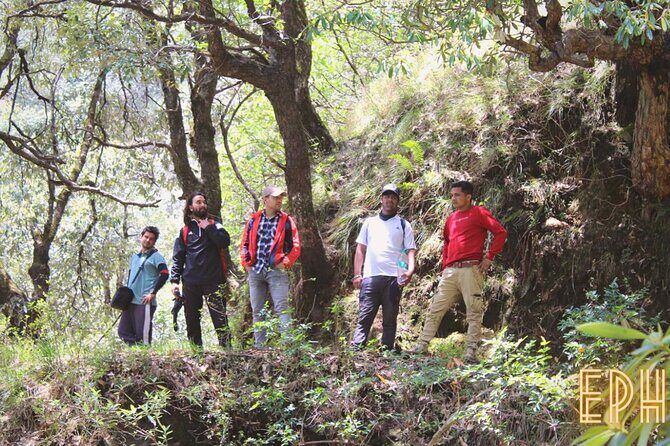
You’re not sent out empty-handed. Bottled water is included, along with extra/surplus water, plus snacks such as fruit and items like wafers or chocolate.
That matters because it keeps the hike from becoming a “buy-as-you-go” situation in a rural setting. You can focus on the pace and the views instead of spending mental energy tracking supplies.
Still, I’d treat this as a hiking day where you may want to ration. The snacks are there to support you, but you’ll enjoy the best experience if you sip water steadily and don’t wait until you feel drained. If you tend to get hungry on climbs, eat a small amount earlier rather than trying to save it for the hardest stretch.
Transfers and how you’ll actually get there
Hotel transfers are available for an additional fee, but they’re not included by default. Private transportation also isn’t included, so you’ll likely handle the approach to the meeting area in Mussoorie on your own unless you add the transfer.
For the longer point-to-point route, a cab is required. That’s an important detail because it affects your sense of where you’re ending up and how you return. The activity ends back at the meeting point, but the longer option’s “point-to-point” structure means you may not walk the full return segment in the same way as the shorter out-and-back.
If you’re sensitive to logistics, plan around the fact that the trail plan can vary by group.
Price and value: what your $33.56 is really buying
At about $33.56 per person, this hike lands in the “affordable guided nature day” category. The value isn’t only the guide—it’s the package feel: water, snacks, and the guided forest experience that lasts about half a day.
Here’s how the costs stack up based on what’s included and what can require extra payment:
Included:
- Bottled water and extra/surplus water
- Snacks (fruit and items like wafers/chocolate)
- Entry tickets for domestic tourists included
Not fully included for foreign visitors:
- Entry ticket requirements can differ for foreign nationals
- A Benog Tibba admission fee is listed as ₹400 per person
- Foreign nationals may need to pay an INR 400 per person entry fee directly (as part of the foreign entry requirements)
So the “true” cost can depend on your passport and on-site fees. If you’re traveling from outside India, budget for the on-site payments mentioned above so you don’t get surprised at the start. If you’re traveling domestically, the entry is listed as included, which makes the pricing feel simpler.
Who should book this hike, and who should skip it
This hike is a good fit if you want:
- A guided nature walk in Benog Sanctuary
- A manageable half-day plan in Mussoorie
- A chance at wildlife sightings, with a guide handling interpretation
- Real viewpoints over Mussoorie and possible snow-capped peaks
It may not be the best fit if:
- You hate walking uphill for long stretches. Even the shorter option is still a serious trek.
- You’re very schedule-locked. Weather can affect whether the hike runs, and rerouting can happen by group trail plan.
- You’re expecting guaranteed wildlife. It’s possible, not guaranteed, and the experience focus stays on the guided nature walk and views.
Also, it’s described as suitable for most travelers, which is helpful. If you’re generally comfortable with moderate hiking days, you’re likely in the right zone.
Should you book the Benog Tibba Day Hike?
I think you should book if your ideal Mussoorie day includes forest time, a guided experience, and a strong chance of big Himalayan views on a clear day. The combination of small group size, included water and snacks, and the nature-focused guide makes it feel like good value rather than just paying for access.
I’d hesitate only if you’re worried about distance, because the hike can run 9 km roundtrip or up to 15 km point-to-point. And if your travel window has uncertain weather, keep a flexible mindset since the hike needs good conditions.
If you’re the “I want an honest nature day in the hills” type, this is a solid choice.
FAQ
How long is the Benog Tibba day hike?
It runs for about 4 to 4.5 hours.
Where do I meet, and where does the hike end?
You start in Mussoorie, Uttarakhand, India, and the activity ends back at the meeting point.
What trail lengths should I expect?
The shortest option is about 9 km roundtrip. The longest option is about 15 km point-to-point, and a cab is required for that longer route.
Is a professional guide included?
Yes. The hike is guided by a professional guide, and the group size is kept small for personal attention.
What food and drinks are included?
Bottled water is included, along with extra/surplus water. Snacks are also provided, such as fruits and items like wafers and chocolates.
Are hotel transfers included?
Hotel transfers are available for an additional fee, but they are not included by default.
Are entry tickets included?
Entry tickets for domestic tourists are included. Foreign tourists may have different on-site entry requirements, including payments mentioned for foreign entry and Benog Tibba admission.
What if the weather is poor?
The experience requires good weather. If it’s canceled due to poor weather, you’ll be offered a different date or a full refund.
What’s the cancellation window?
Free cancellation is available. You can cancel up to 24 hours in advance for a full refund, but cancellations within 24 hours are not refunded.