Kedarkantha turns the dial on quiet. This easy-moderate 5-day trek to 3810m in the Govind wildlife sanctuary mixes snowy winter drama with summer meadows, all with camping logistics handled for you. You’ll also start with a scenic road drive toward Sankri, then spend your days walking a 20 km route through forests, open grasslands, and lake country (often frozen when the season is right).
Two things I’d put at the top: first, the trip takes care of the stuff that usually bogs you down—tents, sleeping bags, kitchen gear, permits, and all meals on trek. Second, the human touch matters here, with guides like Mr. Manish who focus on history and geography, so the mountains feel more than just views.
One consideration: the experience depends heavily on weather, and insurance or claims from natural disruptions like landslides or road blocks are not included. If you’re the type who hates uncertainty, plan with buffer time and keep your expectations realistic.
In This Review
- Key highlights to know before you go
- Kedarkantha in Uttarakhand: why the 3810m summit feels meaningful
- Getting to Sankri: the drive that sets your mood before you hike
- The five-day trekking rhythm: forests, meadows, and one big goal
- Snow in winter or green in summer: how season changes the trek
- Campsite comfort that actually matters: tents, sleeping bags, and meals
- Guide-led history with Mr. Manish: more than just a route
- Price and what you get for $156.02 per person
- Who this Kedarkantha trek suits best (and who should think twice)
- Weather reality, cancellations, and what insurance doesn’t cover here
- Should you book Kedarkantha with Yeti Outdoors?
- FAQ
- Where is the Kedarkantha trek located?
- How long is the trek?
- What is the highest altitude reached?
- What is the total trek distance?
- What starting point and time does the trek use?
- Is pickup offered?
- What is included in the tour price?
- What is not included?
- What is the difficulty level and who can join?
- What happens if weather is bad?
- Can I cancel for a full refund?
Key highlights to know before you go
- Kedarkantha summit at 3810m in the Govind sanctuary area, with big Himalayan views.
- 20 km total trek distance over 5 days, paced as easy-moderate with shorter day segments.
- All-in trekking setup: tents, sleeping bags, kitchen/technical gear, plus guides and porters/mules.
- Seasonal transformation: thick snow in winter, lush meadows in summer, plus frozen lakes at times.
- Guide-led context from Mr. Manish, including history and geography that adds meaning to the hike.
Kedarkantha in Uttarakhand: why the 3810m summit feels meaningful
Kedarkantha (3810m) sits within the Govind wildlife sanctuary and national park area in Uttarakhand. That matters, because you’re not just walking through a random mountain trail—you’re inside a protected region where the ecosystem changes with the season. It’s an around-the-year trek except during monsoons, so you can pick a month that matches your vibe: snow spectacle or green calm.
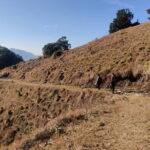
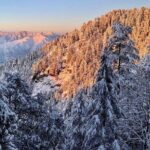
What you’ll experience depends on timing. In winter, the trail can wear a thick snow coat, and lakes may be frozen, turning quiet spots into photo-worthy stillness. In warmer months, you shift into lush green meadows and active flora and fauna. You get the same “Kedarkantha feeling,” but with completely different visual weather.
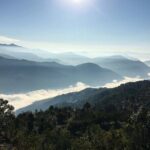
The summit push is the main goal, and this is where the trek earns its keep. Reaching 3810m means thin-air vibes and a big shift in how the sky looks—clearer, wider, and sharper. Even when you don’t chase a super-technical climb, the altitude gives you a genuine sense of achievement.
You can also read our reviews of more hiking tours in Rishikesh
Getting to Sankri: the drive that sets your mood before you hike
Most people focus only on the walking. I get it. But the first real taste of the trek happens on the road.
From the Rishikesh area, the plan uses pickups (when offered) and then moves toward Sankri, the trek road head. The drive is described as scenic and passes through hill towns like Mussoorie, Purola, Mori, and Natwar, with the route running along the banks of the Tons river. Even if you’re not a road-trip person, this part is valuable: it helps you acclimate mentally, not just physically. You’re already surrounded by changing elevations and mountain towns before your boots even get dirty.
Timing-wise, the experience starts at 9:00 am with the meeting point at Yeti Outdoors, and it returns you back to that same meeting point at the end. One practical point: you’ll likely spend some hours in transit on both ends, so think of the trek days as the core event, with travel as the warm-up.
Also note: the experience is listed as a private tour/activity, meaning only your group participates. If you prefer less crowd energy, this is a plus.
The five-day trekking rhythm: forests, meadows, and one big goal
You’re looking at about 5 days with a total trek distance of 20 km. That’s not long on paper, which is exactly why this works as easy-moderate. The key is pacing across altitude, not speed. You’ll feel the mountain more than you’ll feel the mileage.
Here’s the structure you can expect, based on what the trek includes and what the route is described to offer:
Day 1: Arrive, settle, and begin easy trail time
Your first walking hours are about getting your rhythm: forests and gradual movement toward the higher trail life. This is where you learn how your group moves, how camping works day-to-day, and how your body responds to elevation.
Middle days: Forest-to-meadow walking with changing scenery
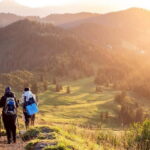
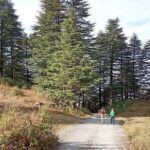
The route is described as passing through lush forests and vast meadows. That “in-between” terrain is a gift. Forest trails can feel cooler and quieter when snow is around, while meadows open up the sky and make the trek feel like a rolling horizon project. You’ll also be in a zone where local flora and fauna are part of the scenery, not a distant concept.
Higher push: building toward Kedarkantha at 3810m
As you climb, the view factor rises fast. This is when summit day stops being a headline and becomes a physical plan. Expect the hardest part to feel more about stamina and breath than pure technical difficulty.
Final summit moment and return
The itinerary is designed around reaching Kedarkantha, then working your way back down. You’ll transition from summit satisfaction into practical trekking mode: protect your legs, keep steady footing, and enjoy the descent views.
One small but important detail: the trek is described as working well apart from monsoons. If you go in the wetter months, conditions can get messy in mountain areas. If you go in the recommended windows, you’re more likely to get that classic seasonal “wow.”
Snow in winter or green in summer: how season changes the trek
Kedarkantha is one of those treks that doesn’t just look different—it feels different. Winter is all about snow cover and colder air. That snow can create a thicker, more dramatic trail environment, especially around winter months where snow is described as thick.
Sept to Nov and Nov to June are called out as great times to go, which suggests the provider is targeting periods when conditions are most workable for this route design. In those months you get either the shift into snow or the stable winter setup.
In summer, you’re trading snow drama for green meadows and lush growth. That can mean warmer trekking days and different lighting for photos. Also, frozen lakes mentioned in winter are a seasonal bonus—if the timing hits right, you’ll see that still, icy “off-season geography” look that you simply can’t replicate in summer.
If you’re planning, think of it like choosing a film with the same plot but a totally different visual style.
Campsite comfort that actually matters: tents, sleeping bags, and meals
Camping treks are only fun if you don’t spend the night fighting your setup. Here, the trip includes tents and sleeping bags, plus all technical and kitchen/central equipment. That takes away a big chunk of decision fatigue.
You also get all meals on trek. For a 5-day program, this is a major value point. Meal planning on a trek is where budgets get messy fast if you’re arranging everything yourself. With meals included, you can focus on hiking and rest.
Another plus: the trip runs with guides, cooks, helpers, and porters/mules. That staffing is not just ceremonial. It’s what helps keep the camp function smooth and prevents your trek from turning into a logistics scavenger hunt.
From the experience feedback, the vibe at camp can be social and cozy, with things like bonfires mentioned as part of the overall feel. You get that classic mountain-camping moment: warm light after a cold day, conversations that feel easy because everyone survived the same trail section.


Guide-led history with Mr. Manish: more than just a route
A good guide turns “I walked there” into “I understand what I’m seeing.” In this trek, Mr. Manish is singled out for explaining history and geography in a way that makes the area feel clearer and more meaningful.
That kind of context is especially useful in a protected zone like the Govind sanctuary area. When you know what you’re moving through—how the region connects, how the terrain formed, and why the ecosystem matters—the trek feels less like scenery consumption and more like understanding.
This also helps if you’re going solo or prefer quieter travel. You still get personal attention, plus the comfort of knowing you won’t be stuck asking basic questions in the middle of cold, windy conditions.
Price and what you get for $156.02 per person
At $156.02 per person for about 5 days, the first thing I look for is whether the price covers the costly hidden stuff. Here it does.
What’s included:
- Tents and sleeping bags and the rest of the central/technical gear
- Permits and entry fees
- All meals on trek
- Guides, cooks, helpers, and porters/mules
- Fees and taxes
What’s not included:
- Insurance and claims related to natural calamities like landslide/road blockage
- Personal expenses
- Stay and food in Mussoorie and food during transit
- Transportation can be arranged, but not included by default (extra charge)
So the value story is pretty clear: you’re paying for guided trekking with organized camping and food, plus the permissions that you’d otherwise have to sort out. If you tried to DIY this, the cost and effort could easily balloon due to gear, permits, meal logistics, and staffing.
That said, your real total spend depends on your pre-trek and transit needs—especially where you sleep and what you eat before you’re fully on the trekking schedule.
Who this Kedarkantha trek suits best (and who should think twice)
This is a strong choice if you:
- Want an easy-moderate trek with shorter daily walking compared with hardcore long-distance programs
- Prefer organized camping where tents and sleeping bags are already taken care of
- Like learning something on the way, especially with a guide such as Mr. Manish
- Are open to winter snow conditions (if you travel in season) or green summer meadows (if you go later)
You might want to think twice if you:
- Need a fully predictable experience regardless of weather
- Hate camping logistics, even when tents and sleeping bags are included
- Don’t plan to budget for extra food/stay during transit and any optional transportation
This is not presented as a luxury trek. It’s presented as a functional, nature-focused, guided mountain experience. If that fits your style, you’ll probably enjoy it a lot.
Weather reality, cancellations, and what insurance doesn’t cover here
The experience description clearly flags that it requires good weather. If the trek can’t run due to poor weather, you’re offered either a different date or a full refund.
What’s not included is also clear: insurance and claims due to natural calamity like landslide or road blockage are not covered within the tour terms. That’s a key reason to consider travel insurance even if you don’t love the paperwork. You’re paying for the trek logistics, but you’re still operating in mountain country where road access can be affected.
Practical mindset tip: aim to travel during the recommended windows (Sept to Nov or Nov to June) rather than trying to force it in questionable weather periods.
Should you book Kedarkantha with Yeti Outdoors?
If you want a guided Kedarkantha trek that’s organized end-to-end on the trail—permits, meals, tents, sleeping bags, and staff—this looks like good value for the price. The fact that it’s paced as easy-moderate with a total 20 km route over 5 days is exactly what makes it accessible without being a “sit on a bus, see a mountain” trip.
Book it if you’re excited by the idea of summiting Kedarkantha at 3810m and spending nights camping in a season-matched environment—snow in winter, meadows in summer. Think twice if you’re worried about weather-driven changes or if you want food and lodging fully included even before the trek starts.
If you’re okay with the mountain’s rules and want an experience that feels cared for (especially with a guide like Mr. Manish providing context), this is a smart choice.
FAQ
Where is the Kedarkantha trek located?
It’s in Uttarakhand, India, in the Govind wildlife sanctuary and national park area near the Kedarkantha summit.
How long is the trek?
The duration is listed as 5 days (approx.).
What is the highest altitude reached?
The maximum altitude reached is 3810m (12500 feet).
What is the total trek distance?
The total trek distance is about 20 km.
What starting point and time does the trek use?
The start meeting point is Yeti Outdoors, and the start time is 9:00 am. The activity ends back at the meeting point.
Is pickup offered?
Pickup is mentioned as offered.
What is included in the tour price?
Included items are tents and sleeping bags (plus technical/kitchen/central equipment), entry fees and permits, all meals on trek, and services of guides, cooks, helpers, and porters/mules, along with fees and taxes.
What is not included?
Not included are all insurance and claims due to natural calamity, personal expenses, stay and food in Mussoorie, food during transit, and transportation (unless arranged on request for an additional charge).
What is the difficulty level and who can join?
The level is easy-moderate, and most travelers can participate.
What happens if weather is bad?
If the trek is canceled due to poor weather, you’ll be offered a different date or a full refund.
Can I cancel for a full refund?
Yes, you can cancel up to 24 hours in advance for a full refund. If you cancel less than 24 hours before the experience’s start time, the amount paid is not refunded.