REVIEW · RISHIKESH
Benog Trek into the Wild
Book on Viator →Operated by walking tour · Bookable on Viator
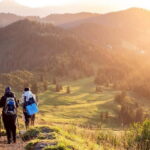
One step into the Benog forests feels like you left the crowd behind. This guided trek in and around the Benog Wildlife Sanctuary pairs oak and pine woodland walking with Himalayan viewpoints (including Chaukhamba and Bandarpoonch) and a gentle cultural stop at Jwala Devi Temple.
I especially like the guide-led wandering: you’re not just moving along a trail, you’re learning what to watch for—birds, wildlife signs, and the meaning behind the temple. The main thing to weigh is that wildlife sanctuary entry fees aren’t included, so factor that cost into your day.
In This Review
- Key highlights you’ll actually feel on the walk
- Benog Trek in plain terms: what you’re signing up for
- Meet-up at Cloud End Forest Resort and how the day starts
- Benog Wildlife Sanctuary: the guided forest that makes birds easier
- Jwala Devi Temple: a cultural reset above the trees
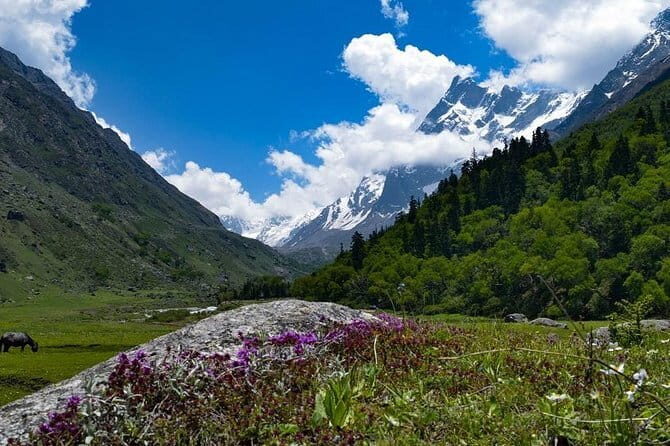
- Views toward Chaukhamba and Bandarpoonch: how to enjoy the panoramas
- Price and value: why about $15.87 can make sense here
- What the included snacks do (and don’t) solve
- The biggest decision: is moderate fitness really you?
- Who this trek is best for
- Tips to make the most of your Benog morning
- Should you book Benog Trek Into the Wild?
Key highlights you’ll actually feel on the walk
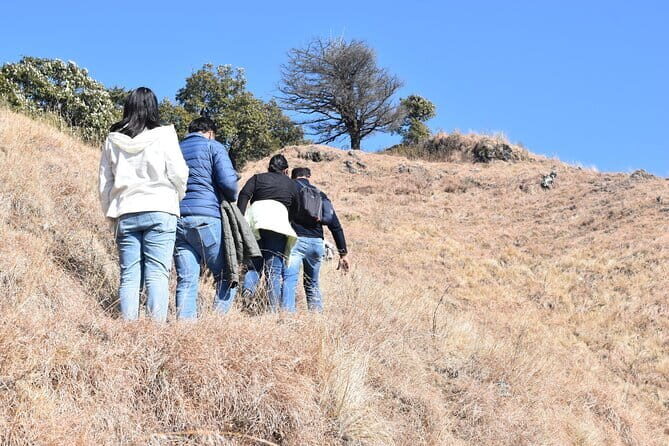
- Benog Wildlife Sanctuary guidance that helps you spot what’s around you, not just what’s on the map
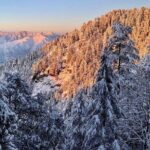
- Himalayan panorama chances with views toward Chaukhamba and Bandarpoonch
- Bird-spotting energy aimed at Himalayan birds and other wildlife sightings
- Jwala Devi Temple stop with a guide explaining what you’re seeing up top
- Snacks included for a comfort boost during the 3–4 hour round trip
Benog Trek in plain terms: what you’re signing up for
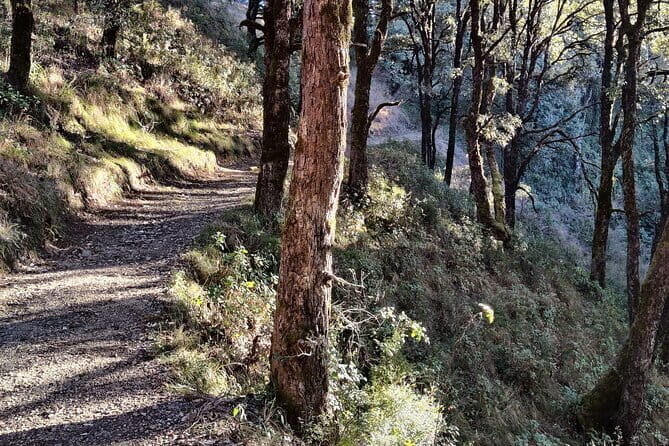
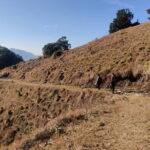
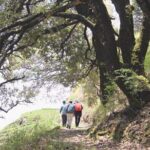
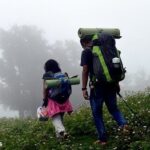
The Benog Trek into the Wild is built for people who want nature time without doing a full-day ordeal. Expect a 3 to 4 hour round-trip walk that stays mostly in the forest—dense oak and pine, cool shade, and the kind of quiet where you start listening harder than looking.
The big idea is simple: you walk through Benog Wildlife Sanctuary with a guide who helps you notice wildlife, then you end with a human-scale cultural moment at Jwala Devi Temple. Along the way, you’ll have chances for panoramic Himalayan views. If you enjoy slow travel—where your reward comes from atmosphere and attention, not just ticking boxes—you’ll probably like this.
It’s also described as moderate, suitable for beginners with moderate fitness. That matches the feel of a forest trek: the challenge is more about steady footing, gentle effort, and being comfortable outdoors than about extreme steepness (though you should still wear solid shoes).
You can also read our reviews of more hiking tours in Rishikesh
Meet-up at Cloud End Forest Resort and how the day starts
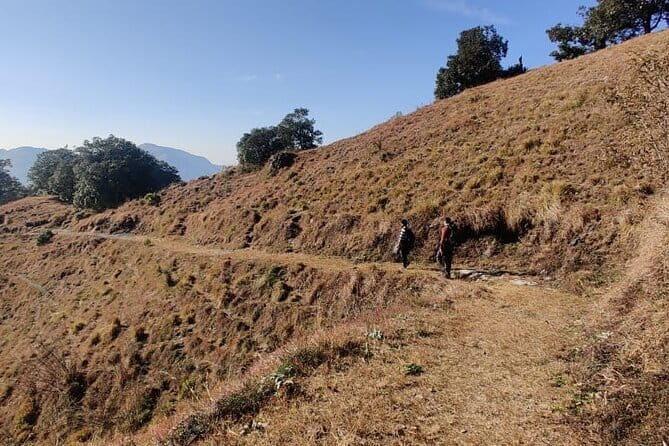
This tour starts at Cloud End Forest Resort, in the Hathipaon area of Mussoorie (248179). The start time is 8:30 am, which is a smart choice here. Morning light tends to be kinder for forest walking, and wildlife and bird activity are often better earlier in the day.
Pickup is offered, and the tour uses a mobile ticket, so it’s designed to be fairly smooth once you’re in Mussoorie. It’s also a private tour/activity, meaning only your group participates. That matters more than it sounds. With fewer people around, it’s easier for your guide to slow down, answer questions, and keep you together on narrower sections of trail.
Benog Wildlife Sanctuary: the guided forest that makes birds easier
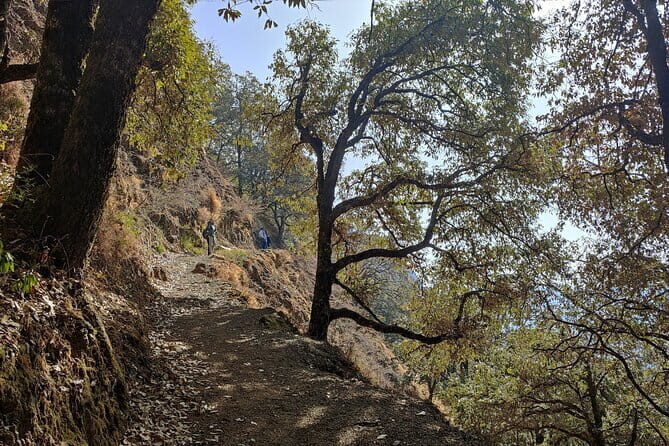
The first stop is inside Benog Wildlife Sanctuary, with your guide accompanying you and explaining what you’ll see. This segment runs about 30 minutes, and the catch is that wildlife sanctuary entry fees are not included. In other words: you’ll likely pay something extra once you arrive, so don’t assume the advertised price covers everything on-site.
Why this stop is worth your time
- A guide changes the whole birding game. When someone points out likely spots and explains what to look for, birds become more than random flitting. You’re more likely to actually notice movement and calls.
- The forest itself is the show. Dense oak and pine isn’t just scenery—it’s the living system that supports birds and other wildlife. Even if you don’t spot a dramatic animal, you still get the “why” behind the place when your guide talks through what’s happening in the habitat.
- It sets a calm tone. Starting with the sanctuary makes the entire trek feel less like a checklist walk and more like a guided nature session.
What you can realistically expect
You’re aiming for Himalayan birds and other wildlife sightings, plus general nature awareness. The sanctuary is where you’ll spend your attention, so don’t plan on treating this like a hurried photo sprint. The best part is the slow noticing: watching tree lines, listening for calls, and pausing when your guide tells you to.
Practical consideration
Because this is a short first segment, your guide has limited time to cover a lot. Come with a curious mindset and don’t expect an endless lecture—this is a moving-and-watching style of tour.
Jwala Devi Temple: a cultural reset above the trees
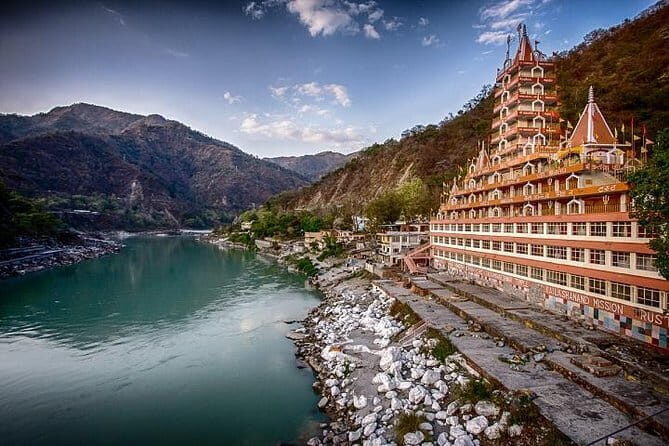
The second stop is Jwala Devi Temple, again about 30 minutes. The good news: the temple ticket is free. Your guide accompanies you to the top and shares the temple’s history.
This stop works well as a contrast to the sanctuary walking. After a forest section focused on birds and wildlife cues, the temple adds a different kind of attention—story, place, and a bit of altitude that often goes with better views.
What to expect at the temple
- A guided walk up and around the temple area
- Explanations about the temple and its history (the point is context, not just location)
- A chance to take in the broader surroundings from up top
One review detail that really fits the vibe
Some guides for this experience are described as doing more than basic walking. In particular, Sagar comes up in feedback as a guide who mixes local sites with anecdotes and historical knowledge, and who also helps you find nice viewpoints—like a hilltop moment for sunset when timing and conditions work. So if your guide leans into that storytelling style, the temple stop can feel less routine and more like a satisfying turning point.
Views toward Chaukhamba and Bandarpoonch: how to enjoy the panoramas
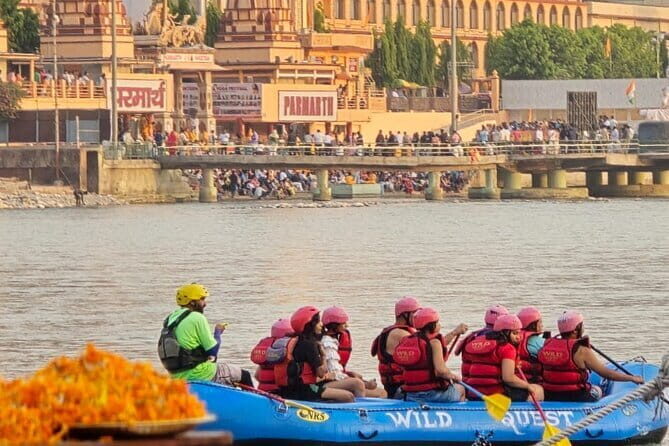
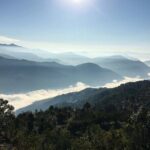
The overview promises panoramic Himalaya views, including Chaukhamba and Bandarpoonch peaks. That’s the kind of detail that sounds great on paper, but here’s how to make it real for you on the ground:
- Be ready to pause. Views often show up in brief windows when the path opens or the guide reaches a viewpoint.
- Keep your expectations flexible. Mountains are famously weather-dependent. If visibility is hazy, focus on what you can see—tree lines, layers of ridges, and the sense of distance.
- Use your ears too. In forest country, bird calls and wind through pine can be as memorable as the skyline.
Even when peak identification isn’t perfect, the experience goal is still there: the trek brings you away from Mussoorie crowds into a calmer setting where wide angles and fresh air feel like a reward.





Price and value: why about $15.87 can make sense here
At roughly $15.87 per person, this trek is priced in the budget zone for a guided morning activity. For that price, you typically get:
- A guide
- Snacks
- A private format (your group only)
- Access to two main segments (sanctuary + temple)
What you don’t get:
- Wildlife sanctuary entry fees (separate)
- Any extra spending for personal items
So is it good value? In my book, it’s fair to strong if you care about getting a local guide’s help. A forest trek without a guide can become “walk and hope.” With a guide, you get better odds of meaningful birding and better understanding of what you’re seeing at the temple.
Also, the time matters. A 3 to 4 hour outing is easier to fit into a Mussoorie itinerary than half-day or full-day treks, especially if you’ve already planned other hill-station stops.
What the included snacks do (and don’t) solve

You’ll get snacks, which is helpful because a morning trek can get you hungry faster than you expect—especially if you’re also taking breaks for bird spotting and photos.
But snacks don’t replace basic trekking needs. If you’re sensitive to altitude-adjacent sun, keep yourself comfortable with water and a light plan for the weather. The tour is short, yet the setting is outdoor and exposed enough that you’ll still want to manage comfort.
The biggest decision: is moderate fitness really you?
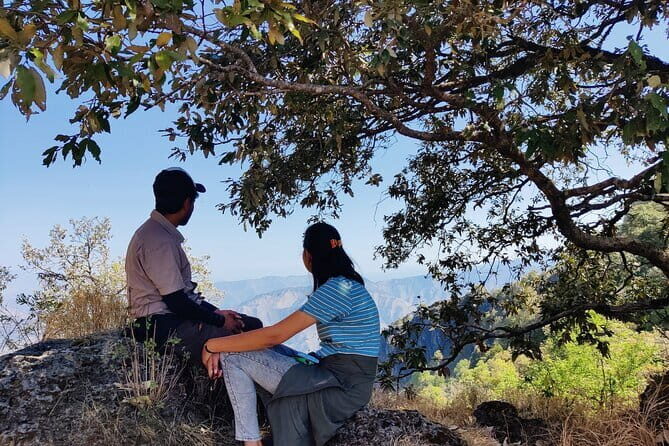
The tour calls for moderate physical fitness and says it’s suitable for beginners with moderate fitness. Here’s how to interpret that practically.
You should probably be fine if:
- You can walk for a few hours on uneven ground
- You’re comfortable with forest paths and short uphill sections
- You can keep a steady pace and don’t need long rests
You might reconsider if:
- You have knee or balance issues that struggle with natural uneven footing
- You don’t handle outdoor walking well even at moderate distances
Because it’s private and guided, your guide can usually pace you, but physics still applies: you’ll be walking.
Who this trek is best for
This is a great pick if you:
- Want a quiet nature experience without committing to a long trek
- Like bird activity and wildlife awareness (even if you’re not a hardcore birder)
- Enjoy local stories—especially temple history and Mussoorie-area context
- Prefer a morning start and a “get outside, get back, still enjoy the rest of the day” schedule
It’s also a good option for couples or small groups who want something calmer than the busiest tourist routes.
Tips to make the most of your Benog morning
You’ll get more out of the experience if you come prepared for a guided walk that rewards attention.
- Wear sturdy shoes with grip for forest paths.
- Bring sun protection (light, hat, and sunscreen). Morning can still feel strong on open stretches.
- Pack a light layer. Forest mornings can feel cooler, and you’ll be moving steadily but not in a sweat-heavy workout.
- Ask questions early. Your guide is there to help you see what matters—use that time instead of waiting until the end.
- Stay flexible about sightings. Birds and wildlife are never guaranteed. The real win is learning how to look and what patterns to watch for.
If your guide happens to be someone like Sagar, based on past feedback, you’ll likely enjoy the extra dimension of his anecdotes and local knowledge. Still, the tour’s structure already supports a rewarding walk even if you’re not a “nature expert.”
Should you book Benog Trek Into the Wild?
Yes—if you want a short, guided nature outing with forest calm, a temple story, and a real chance to see Himalayan birds. The price is reasonable for what you’re getting, and the private format makes it feel more personal than a crowded group walk.
Hold off or adjust expectations if you’re mainly chasing big landmarks or long hike distances. This is about the experience quality—quiet, watching, learning—more than about conquering tough terrain. Also remember the one practical cost: wildlife sanctuary entry fees aren’t included, so budget for that.
If you’re in Mussoorie for a few days and you’d like one morning to feel more wild and less touristy, this is a strong pick.