REVIEW · RISHIKESH
Ashram Tour By Walk in Rishikesh (Private Tour)
Book on Viator →Operated by India Easy Trip Pvt Ltd · Bookable on Viator
Spiritual Rishikesh starts with a simple walk. This private ashram tour helps you get your bearings fast, with a local guide pointing out what matters at several of Rishikesh’s most visited spiritual spots, including the old Maharishi Ashram area tied to The Beatles in 1968. I like that it’s built for questions and real conversation, not just sightseeing. I also like that the route is concentrated around Ram Jhula, so you aren’t burning your time crossing the whole city.
One thing to plan for: most stops have free entry, but The Beatles Ashram has a separate admission fee for foreign visitors, and it is not included in the tour price.
In This Review
- Key takeaways before you go
- Ashram hopping on foot in Rishikesh: why this route works
- The price: what you’re really paying for (and what’s extra)
- Where the tour starts: meeting point and easy access
- Stop-by-stop breakdown: what you’ll see and what to watch for
- Stop 1: Sivananda Ashram (about 30 minutes, free entry)
- Stop 2: Ram Jhula suspension bridge (about 10 minutes, free entry)
- Stop 3: Swarg Ashram (about 20 minutes, free entry)
- Stop 4: Gita Bhawan (about 20 minutes, free entry)
- Stop 5: Parmarth Niketan Ashram (about 15 minutes, free entry)
- Stop 6: The Beatles Ashram area (about 1 hour, entry not included)
- Stop 7: Janki Bridge (about 5 minutes, free entry)
- Your guide matters more than you think
- Timing and weather: small planning, big payoff
- What kind of traveler will love this most?
- Things to keep your expectations realistic
- Should you book this private ashram walking tour?
- FAQ
- How long is the Ashram Tour By Walk in Rishikesh?
- Is this tour private?
- Does the tour include hotel pickup and drop-off?
- Are meals included?
- Is the Beatles Ashram entry fee included?
- Does the tour include Ganga Aarti?
- What is the cancellation policy?
Key takeaways before you go
- Private walking format keeps the pace flexible and makes it easier to ask questions.
- A local English-speaking guide helps you understand what you’re seeing (and what to skip).
- Mostly free entry stops keep the experience good value, except for the Beatles site.
- A route centered near Ram Jhula makes logistics easier for most visitors.
- Optional evening tour may include the popular Ganga Aarti at sunset time without extra cost.
Ashram hopping on foot in Rishikesh: why this route works
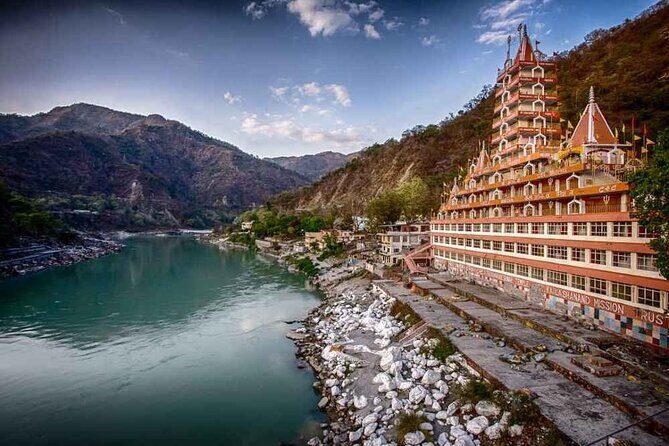
Rishikesh has a way of overwhelming you. One road leads to multiple ashrams, yet it’s not obvious which ones are active, historical, educational, or simply part of the cultural fabric. This tour is useful because it gives you a guided thread through the area instead of forcing you to guess.
You’ll walk a short loop-style route over about 3 to 4 hours, with stops that are close enough to feel manageable. The pacing matters here. Ashrams aren’t like temples you just sprint through. They often reward slow looking: a doorway, a courtyard, a teaching hall, the feel of the grounds. Having a guide means you get the meaning behind what you see, and you can ask practical questions along the way.
You also get a true private tour setup. That usually means you won’t feel like a number in a queue. And since the guide is described as professional and English-speaking, you’re not stuck working off guesswork with a language barrier.
You can also read our reviews of more walking tours in Rishikesh



The price: what you’re really paying for (and what’s extra)
At $12.42 per person, the price is low enough that you should treat it like “the guide + the walking plan” more than like a full package that covers every ticket. The itinerary includes several stops with admission marked free, which helps the value.
The main exception is the star stop most people think of first: The Beatles Ashram. Entry is not included, and the price differs depending on whether you are a foreign visitor (₹1,200 per person) or a domestic Indian visitor (₹200 per person). So your total cost will depend on how you plan around that one ticket.
No meals or drinks are included either. That’s not a dealbreaker for a short tour, but it does mean you should plan to have water and maybe a small snack before you start. You’ll be walking and looking, and in this kind of environment, energy dips can happen faster than you expect.
Where the tour starts: meeting point and easy access
The tour starts at Yog Niketan By Sanskriti – A Riverside Boutique Resort parking near Ram Jhula, on NH52, Badrinath Rd, close to Ganga Vatika in Rishikesh. It ends back at the meeting point. That loop-back matters. You don’t need to worry about getting stranded somewhere far from your hotel afterward.
Pickup and drop-off from your hotel are not included. The good news is that an auto rickshaw is available at the pick-up and drop point, and the meeting area is described as near public transportation. In practice, that usually means you can keep the rest of your day simple: go to the meeting point, walk the route, and then return to the same area.
Stop-by-stop breakdown: what you’ll see and what to watch for
Stop 1: Sivananda Ashram (about 30 minutes, free entry)
This is one of the most famous ashrams in the area, founded by Guru Sivananda. Even if you don’t know the details yet, you’ll feel the significance quickly. The guide’s job here is to help you separate “important because it’s historic” from “important because it’s part of how people live today.”
What I’d focus on: ask your guide what makes this ashram’s approach distinctive compared with others on the list. Sivananda’s influence is big in yoga and Vedanta traditions, so the explanation you get can help connect the rest of the stops.
Potential drawback: this stop is short for something with deep roots. If you’re the type who likes to sit quietly and absorb, you may wish the time were longer.
You can also read our reviews of more private tours in Rishikesh

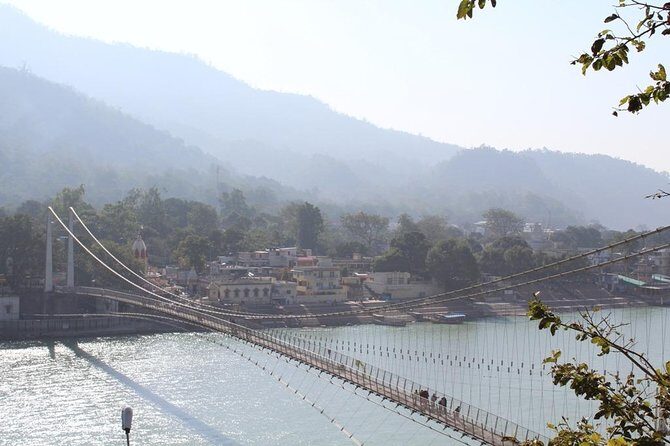
Stop 2: Ram Jhula suspension bridge (about 10 minutes, free entry)
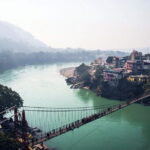
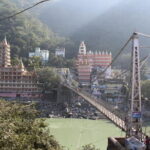
This is more than a photo stop. Ram Jhula is a suspension bridge named after Lord Ram, and it anchors the whole geography of central Rishikesh. Walking across briefly gives you orientation for the day.
What to watch for: the bridge area is active. Think of it as “movement and atmosphere” between ashram stops, not as a place to linger like a museum.
Tip for your comfort: if it’s warm or crowded, keep your head up, move with purpose, and use your guide to point out calmer viewpoints nearby rather than trying to stop everywhere.
Stop 3: Swarg Ashram (about 20 minutes, free entry)
Swarg Ashram is described as a leading ashram in early 19th century. That time marker helps you understand why these places are not just spiritual labels; they’re part of a long-running cultural landscape.
This is a stop where your guide’s context makes a difference. Without explanation, you might see a courtyard and a few buildings. With explanation, you start to understand why people came, what they studied, and how the ashram model functioned.
Possible drawback: if you’re only interested in the most famous names, this can feel like a “second tier” stop at first. But it’s often the quieter ones that give the best sense of how ashrams operate day to day.
Stop 4: Gita Bhawan (about 20 minutes, free entry)
Gita Bhawan is described as one of the biggest ashrams in Rishikesh, with hundreds of rooms. That scale is the point. It’s not a small retreat you can imagine as private. It’s a serious campus-like place.
What I’d ask your guide: how a place with so many rooms functions in terms of learning, daily routine, and community. Even a basic explanation can change your perspective from “tourist stops” to “actual systems of practice.”
What you’ll likely notice: the density. When a site is big, details can blur unless someone walks you through what you should pay attention to.
Stop 5: Parmarth Niketan Ashram (about 15 minutes, free entry)
Parmarth Niketan is described as very famous and run by Swami Chidananda now. The short time here makes sense in the overall schedule, but it also means you should focus on quality over quantity.
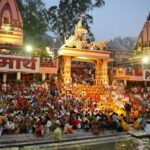
If you choose an evening tour, you may also experience the Ganga Aarti (Sunset Time) without extra cost. That’s a meaningful upgrade, because it turns your tour from history and architecture into a live cultural moment tied to the river.
Potential drawback: the shorter duration means you won’t get a deep, sit-down experience at this stop unless you plan your questions well.
Stop 6: The Beatles Ashram area (about 1 hour, entry not included)
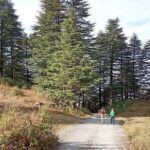
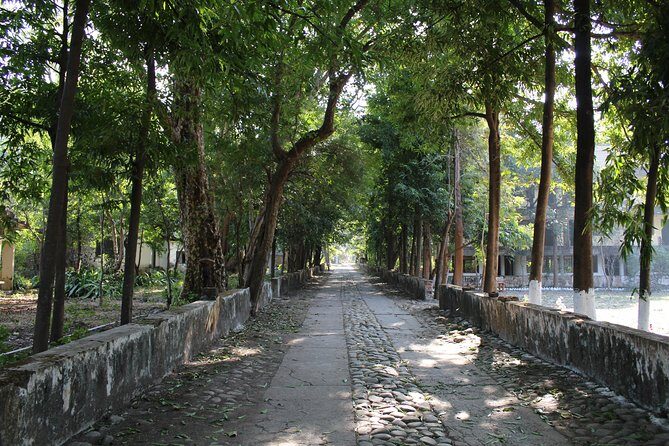
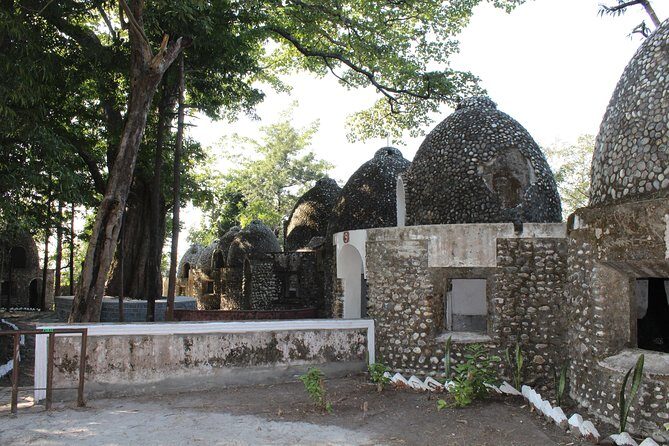
Here’s the headline stop: the area connected to the Beatles who studied yoga in 1968. It’s described as surrounded by forest, and it’s not active as an ashram in the way the others are; instead, it offers views and a peaceful walk in the past.
What you’ll probably do with this hour: wander, look for context, and let the guide explain why this location matters in the global story of yoga’s spread. The forest setting makes it feel different from the other stops, and that contrast is worth the extra time.
What to know before you go: this is where cost and expectations collide. The tour ticket doesn’t include admission, and the fee is ₹1,200 for foreign visitors and ₹200 for domestic Indian visitors.
Possible drawback: if you’re expecting a fully active ashram experience here, you might feel the difference. The description points you toward “views + peaceful walk,” not full-on current-day retreat life.
Stop 7: Janki Bridge (about 5 minutes, free entry)
Janki Bridge is the quick finisher. It’s short, but it reinforces the river setting and helps you complete the loop back toward the meeting point.
What to watch for: keep your pace steady. This is a “wrap the day up” stop, not a lengthy photo excursion.
Your guide matters more than you think
The tour emphasizes a professional English-speaking local guide. In ashram country, that isn’t a small detail. You’ll get more out of places faster because the guide helps you translate what you’re seeing into something meaningful.
From guide names that come up often in strong feedback, you might meet people like Ashish, Raj, or Michelle. The standout theme is that they’re friendly and organized, and they’re willing to tailor the tour to your pace and interests. One guide even helped adjust the tour for personal preferences, which is exactly what you want from a private format.
If you care about asking questions, this is the kind of tour where you’ll benefit from speaking up early. Tell your guide what you want out of the day: culture explanations, history context, or simply finding the best quiet spots to look around.
Timing and weather: small planning, big payoff
The tour runs 3 to 4 hours and requires good weather. If the conditions are poor, the experience can be canceled and you’ll be offered another date or a full refund. That’s important because walking tours depend on visibility and comfort.
If you’re choosing between a morning and evening style, think about your energy and your priorities:
- Morning tends to fit people who want a calmer start and less heat.
- Evening can add the Ganga Aarti at sunset time if you select that option.
Either way, it’s smart to dress for walking and bring water. The route is short on paper, but the stops involve time in open courtyards and outdoor spaces.
What kind of traveler will love this most?
This tour is a strong match if you:
- Want an easy introduction to Rishikesh’s ashram culture without needing to research each site first.
- Prefer a guided walking route over reading signs alone.
- Enjoy asking questions and learning what makes each place different.
- Want the Beatles connection without trying to piece together transport and tickets on your own.
It may not be the best fit if you’re looking for a long sit-down spiritual program or a deep study session. The format is short stops plus walking, so it’s about orientation and context rather than a multi-hour retreat experience.
Things to keep your expectations realistic
A walking tour can’t give you everything. Here are the two expectation traps I’d avoid:
- Don’t assume every stop is an active meditation center. Some are historical, some are educational hubs, and one is especially about the past connection with the Beatles.
- Don’t assume entry fees are all included. The Beatles site has a separate admission fee that changes your final cost.
If you go in with those basics clear, you’ll feel satisfied instead of surprised.
Should you book this private ashram walking tour?
Yes, I think it’s a smart booking for most first-timers who want structure and context. The value works because many stops are free, the guide is English-speaking and locally experienced, and the route is concentrated around key areas near Ram Jhula. The private format also makes it easier to tailor the day to how curious you are.
Book it if you want a guided “map with meaning” through Rishikesh’s ashrams, plus the Beatles connection. Skip it or plan your budget carefully if the Beatles ticket will be a deal-breaker for you or if you prefer longer, quieter, sit-down spiritual time.
If you do book, arrive with one or two questions you actually care about. It makes the tour feel personal instead of just scenic.
FAQ
How long is the Ashram Tour By Walk in Rishikesh?
It’s approximately 3 to 4 hours.
Is this tour private?
Yes. It’s a private tour/activity, and only your group participates.
Does the tour include hotel pickup and drop-off?
No. Pick up and drop from hotel are not included. Auto rickshaw is available at the pick up and drop point.
Are meals included?
No. Any meals or drinks are not included.
Is the Beatles Ashram entry fee included?
No. The Beatles Ashram entry fee is not included. It’s ₹1,200 for foreign visitors and ₹200 for domestic Indian visitors.
Does the tour include Ganga Aarti?
If you select an evening tour, you can also experience Ganga Aarti at sunset time without any extra cost.
What is the cancellation policy?
You can cancel for a full refund up to 24 hours in advance. The experience can also be canceled due to poor weather, and you’ll be offered a different date or a full refund.