REVIEW · RISHIKESH
Rishikesh Private Guided Sightseeing Tour by Car
Book on Viator →Operated by India Easy Trip Pvt Ltd · Bookable on Viator
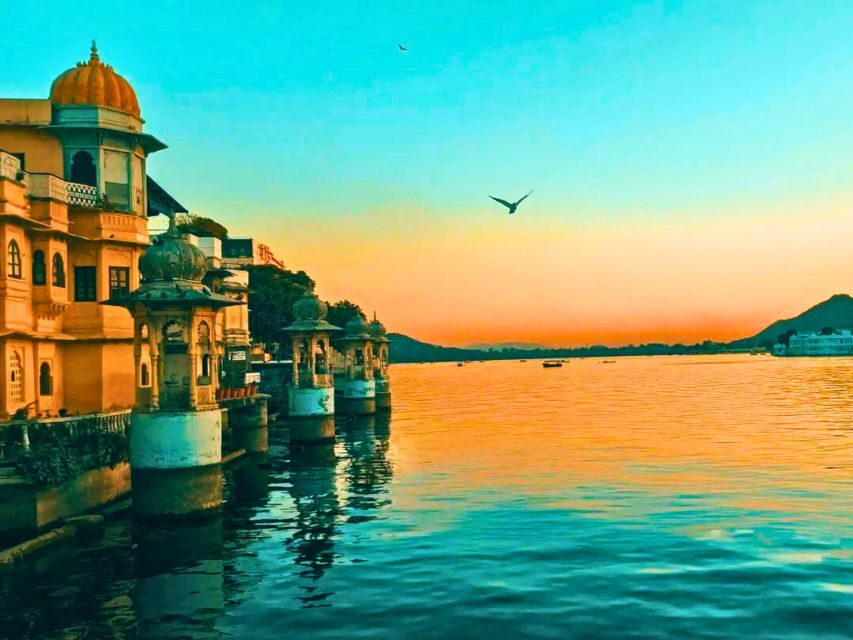
One car ride in Rishikesh, then Ganga at dusk. This private sightseeing tour uses an air-conditioned vehicle with hotel pickup and a professional guide, so you can focus on the places instead of the logistics. You’ll bounce between key bridges, ashrams, and temples, then end at the evening prayer on the Ganges at Parmarth Niketan.
Two things I really liked: the pacing is built for a full day without feeling frantic, and the big payoff is the evening Ganga aarti rather than just photos at the river. One thing to consider is that you’ll cover a moderate amount of walking, and the religious sites require a strict dress code (no shorts or sleeveless tops; knees and shoulders must be covered), plus timing can shift a bit with traffic.
In This Review
- Key things to know before you go
- How a 10:00 am start pays off in Rishikesh
- Price and logistics: what you’re really paying for
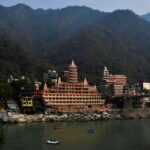
- Stop-by-stop: bridges, ashrams, and the Rishikesh temple belt
- Stop 1: Lakshman Jhula Bridge
- Stop 2: Sivananda Ashram
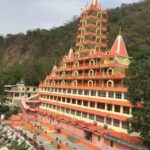
- Stop 3: Ram Jhula
- Stop 4: Swarg Ashram
- Stop 5: Gita Bhawan
- Stop 6: Parmarth Niketan Ashram
- Stop 7: Janki Bridge
- Stop 8: Rishikesh market time
- Stop 9: Triveni Ghat and the evening Ganga Aarti
- What makes the evening prayer worth planning around
- Lunch break, local snacks, and what to bring
- Who this tour fits best (and who should skip it)
- Should you book the Rishikesh Private Guided Sightseeing Tour by Car?
- FAQ
- What is the start time and length of this Rishikesh tour?
- Is pickup and drop-off included?
- What are the main stops on the tour?
- Is lunch or food included in the price?
- What should I wear to visit the ashrams and temples?
- Is this tour suitable for pregnant women?
Key things to know before you go
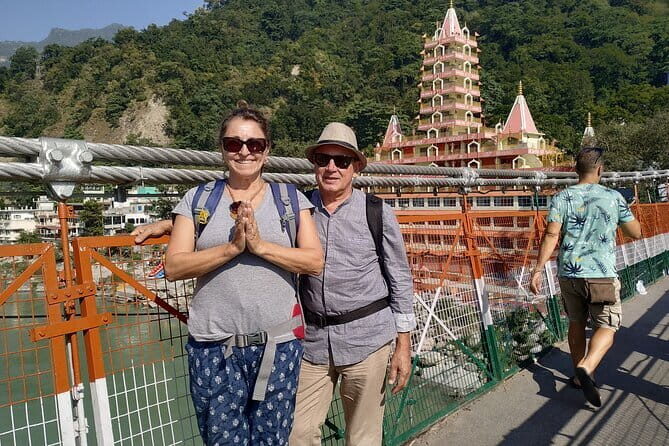
- Private guide, private car: You’re not sharing the day with strangers in the vehicle.
- AC round-trip hotel transport: Pickup and drop-off are included for hotels within the city.
- Ashram-and-temple focus: You visit major spots near the river belt, including Parmarth Niketan.
- Evening prayers are the highlight: You’ll be at the Ganges for aarti at Triveni Ghat and again connected to Parmarth Niketan.
- Market time fits real life: There’s time to browse, plus you can hunt for local snacks on your own.
- Dress code matters: Plan ahead so you don’t get turned away.
How a 10:00 am start pays off in Rishikesh
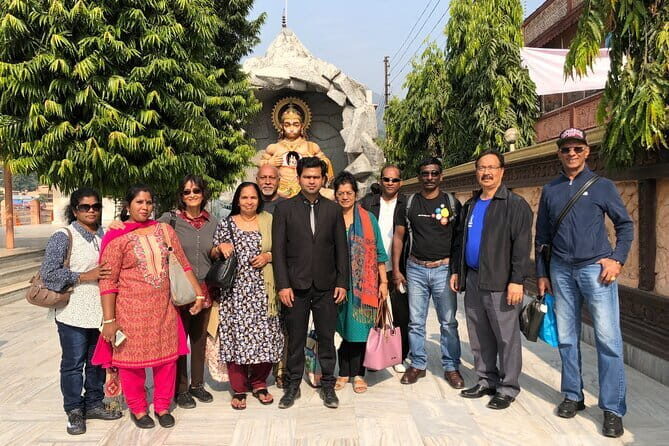
Rishikesh has a way of turning a schedule into a story. Starting at 10:00 am means you get the day’s energy in the morning and still have enough time to reach the evening prayer moments without rushing.
The total time is about 6 to 7 hours, and there’s flexibility written into the plan. Traffic can slow things down, and you may need extra time at one stop while another gets shortened. That flexibility matters in Rishikesh because the important sites are close together, but the movement of people and cars still affects your clock.
You should also expect a natural rhythm: bridge views and asram grounds earlier, then a lunch stop and some browsing time in town, and finally the river-side prayer. If you’ve got your heart set on the evening aarti, that order is a smart way to do it.
You can also read our reviews of more guided tours in Rishikesh
Price and logistics: what you’re really paying for
At $40 per person, this tour isn’t trying to be the cheapest option. It’s priced for the stuff that usually costs time and headaches on your own: a guide, hotel pickup, and an air-conditioned private vehicle.
Here’s what’s included that makes the price feel more fair:
- Hotel pickup and drop-off within the city
- A private air-conditioned vehicle with a driver, plus toll and parking costs
- Mineral water (1 liter per person)
- All taxes
- A professional guide
- Mobile ticket
- The tour is private, so it’s only your group in the vehicle
What’s not included is also important: food and drinks. The schedule includes a lunch break, but you’ll pay for what you eat. The good news is you’ll have time to pick something that matches your pace, not just accept whatever is offered.
One practical tip: since the average booking lead time is around 18 days, if your dates are fixed, don’t wait until the last minute.
Stop-by-stop: bridges, ashrams, and the Rishikesh temple belt
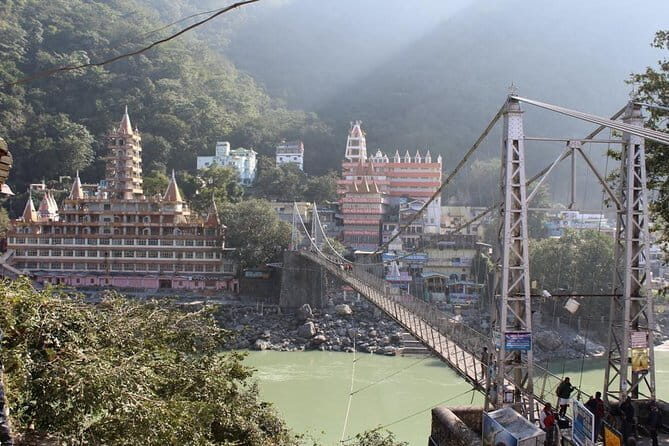
This tour is designed around walking-light sightseeing from a car, with short visits at each spot. You’re mainly moving between major landmarks near the river, with time to look around and take in the feel of each place.
Stop 1: Lakshman Jhula Bridge
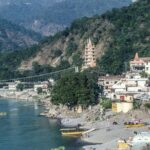
Lakshman Jhula is one of the best “get your bearings” stops. Even though it’s not open for you to walk on the bridge right now, it’s still worth the stop for the views and the nearby market scene.
What I’d do with your time here: use the short visit to get oriented—where the river runs, where the ghats are, and how the bridges connect that temple belt. Then you’ll understand the rest of the day faster.
Stop 2: Sivananda Ashram
Next comes Sivananda Ashram, described as traditional and led by Great Swami Sivananda (founder). This stop is shorter, but it’s the kind of place where the guide can help you read what you’re seeing instead of treating it like another photo stop.
The big value: ashrams in Rishikesh are not just buildings. You’re stepping into a spiritual setting that helps explain why this city has that reputation as the yoga center of the world.
You can also read our reviews of more private tours in Rishikesh


Stop 3: Ram Jhula
Then you cross over to Ram Jhula, the second suspension bridge. It’s surrounded by ashrams and temples, and a lot of historic-feeling spots are nearby.
Why it matters: two bridges, two angles. You’ll see the river corridor differently, and the temples-as-you-go effect becomes clearer.
Stop 4: Swarg Ashram
Right near Ram Jhula, you’ll visit Swarg Ashram, including a view of the Swargashram Temple. This is another “look, absorb, move on” stop.
Potential drawback: since each stop is around half an hour, if you’re the type who wants long quiet time inside every place, you’ll have to accept a lighter visit style.
Stop 5: Gita Bhawan
Gita Bhawan is one of the bigger ashrams by number of rooms. It’s named after the Hindu religious text “Gita,” and the stop is tied to learning about Krishna.
How to use this time: don’t rush. Use your guide’s explanations to connect the name to what you see here. A short stop can still be meaningful when someone helps you understand the purpose behind the space.
Stop 6: Parmarth Niketan Ashram
By the time you reach Parmarth Niketan Ashram, the day starts turning toward the spiritual payoff. Parmarth Niketan is famous in Rishikesh, and the current leader is noted as Swami Chidananda.
This stop is also connected to statues and learning about Hindu gods—so it’s not just a building check. It’s a chance to slow down before the evening ceremony.
Stop 7: Janki Bridge
Janki Bridge is the latest suspension bridge mentioned on this route. The visit is short, but it gives you fresh views of the nearby area and the ghats.
Why I like putting this later: after earlier temples and ashrams, a viewpoint bridge stop helps reset your eyes. It’s like turning a page.
Stop 8: Rishikesh market time
After the bridges and ashrams, you’ll have time in Rishikesh itself—about 1 hour 30 minutes is allocated to cover major sightseeing places plus time to browse.
This is where you can shape the day. If you enjoy street life, use this stretch to wander at your own pace. If you’re shopping for small gifts or want a snack stop, this is your window.
One fun idea from real-world experience: if you’re into the Beatles theme in Rishikesh, keep it on your radar during this flexible town time. The phrase Beatles Temples comes up for a reason, and your guide can help you figure out whether it fits with the remaining schedule.
Stop 9: Triveni Ghat and the evening Ganga Aarti
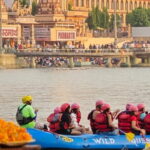
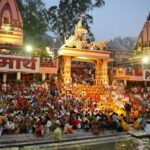
You end at Triveni Ghat, where you’ll learn more about Ganga and then participate in the evening Ganga aarti. The ceremony is described as organized well, with music that helps connect people from different backgrounds.
This is the moment where the “why people come here” part becomes real. Earlier stops give context. The river-side aarti is where the whole day starts to click.
Practical note: even though your walk time earlier is moderate, the river-side atmosphere can be crowded. Move calmly, follow your guide’s direction, and keep your shoulders and knees covered so you don’t run into entry issues.
What makes the evening prayer worth planning around
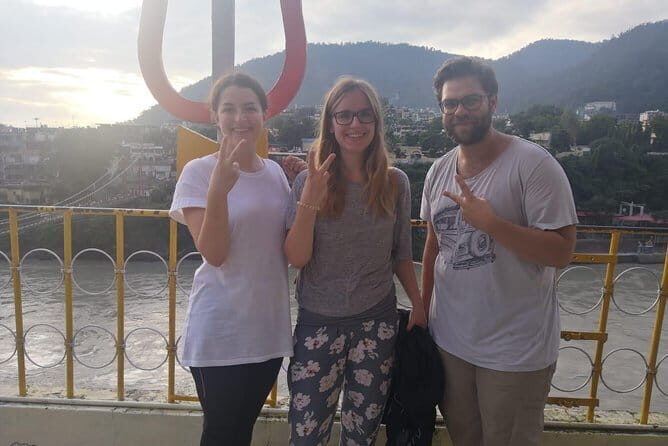
Aarti at the Ganges isn’t just something you watch. It’s a communal rhythm. The tour’s plan puts you at Triveni Ghat for the evening ceremony, and the earlier inclusion of Parmarth Niketan builds momentum so the ending doesn’t feel sudden.
The setting is on the river banks, and music is part of how the event connects people. If you’re arriving with low expectations—thinking it’s only a ritual for locals—you’ll probably be surprised by how quickly it becomes a shared experience.
Also, being on a private guided day helps here. You’re not guessing where to stand or when to move. You’re following a human who’s already used this route and understands what to prioritize.
Lunch break, local snacks, and what to bring
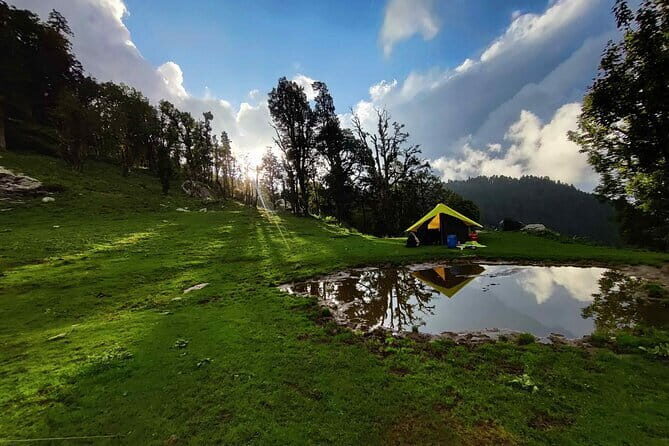
Food is not included, but you do get a lunch stop and market time. So you can eat without turning the day into a hunt.
If you want local items to chase, here are two that come up in a very specific way: bamboo eater is suggested as a must-try, and sugar cane water is another favorite to look for. Since drinks and snacks aren’t included, treat these as pay-as-you-go finds during the market window.
What to pack is mostly about comfort and rules:
- Wear layers you can adjust for all-weather operation.
- Plan for sun or drizzle, because the tour operates in all weather conditions.
- Bring something that keeps your shoulders and knees covered. This is non-negotiable for both men and women on these stops.
If you’re sensitive to religious-site etiquette, it’s worth remembering that your presence matters. Speak softly, move with care, and let your guide handle where you’re allowed to stand.
Who this tour fits best (and who should skip it)
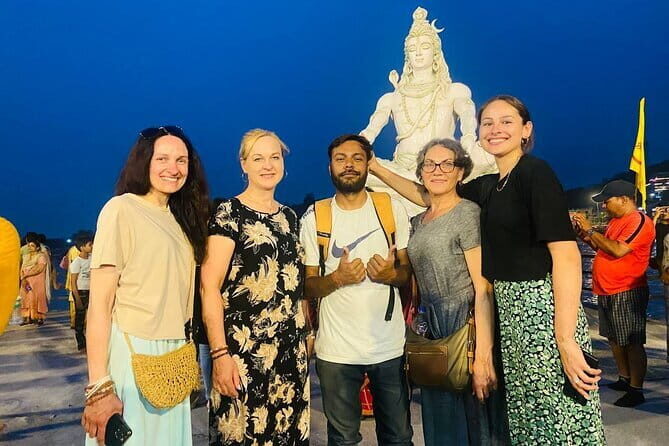
This tour says most people can participate, but it has clear boundaries.
It’s a strong fit if you:
- Want a structured day without figuring out transport between scattered spiritual sites
- Prefer short, efficient stops with a guide’s explanations
- Care about ending the day at the Ganges for aarti
It may not be ideal if you:
- Don’t handle moderate walking well
- Are pregnant (it’s not recommended)
- Want a purely open-ended itinerary with no schedule pressure—because this is a planned route with set stops
For families: children must be accompanied by an adult.
Should you book the Rishikesh Private Guided Sightseeing Tour by Car?
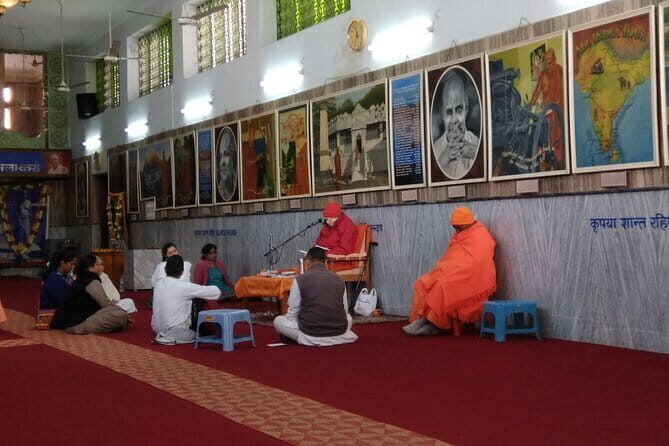
If you want the Rishikesh “greatest hits” without the stress of timing transport, this is a solid choice. The combination of hotel pickup, an air-conditioned private car, and an actual guide makes the $40 per person feel like you’re paying for your time and clarity, not just a ride.
Book it especially if the evening ceremony is your priority. The route is built to land you at the river-side aarti after a day of bridges, ashrams, and temple stops.
Skip it if your needs don’t match the rules—like if you can’t do the dress code, you’d rather avoid any walking at all, or if pregnancy safety is part of your planning.
FAQ
What is the start time and length of this Rishikesh tour?
It starts at 10:00 am and runs about 6 to 7 hours (approx.).
Is pickup and drop-off included?
Yes. You get hotel pickup and drop-off within the city, using a private air-conditioned vehicle.
What are the main stops on the tour?
The route includes Lakshman Jhula Bridge, Sivananda Ashram, Ram Jhula, Swarg Ashram, Gita Bhawan, Parmarth Niketan Ashram, Janki Bridge, Rishikesh sightseeing/market time, and Triveni Ghat with the evening Ganga Aarti.
Is lunch or food included in the price?
No. Food and drinks are not included. A lunch stop is part of the day, but you’ll pay for what you eat.
What should I wear to visit the ashrams and temples?
No shorts or sleeveless tops are allowed. Knees and shoulders must be covered for both men and women.
Is this tour suitable for pregnant women?
No. It is not recommended for pregnant women.