REVIEW · RISHIKESH
Benog Tibba Nature Trail
Book on Viator →Operated by TrailHikers · Bookable on Viator
A temple, a peak, and forests. This guided day trek around Benog Tibba gives you 360-degree Himalayan views plus the kind of on-trail context that makes the forest feel personal.
I like the hands-on trekking lead support, especially if you’re new to hills. A guide named Raman Anurag is the sort who explains what you’re seeing and what to watch for as you go.
There is one practical catch: it’s weather-dependent, and the trail time is tentative in the mountains. If clouds roll in or temps dip, plan for a slower pace—and dress like you’re going into cooler air as you climb.
In This Review
- Key things I’d circle before you go
- Mussourie’s cooler side: what this Benog Tibba day hike is really like
- Timing, distance, and why your pace matters on this trail
- Stop 1 at Benog Wildlife Sanctuary: where the views do the talking
- Reaching Benog Tibba (2,250 m): the summit payoff without the drama
- Jwala Devi temple: mixing faith, views, and a break from the climb
- Forest time in the middle of the day: how the guide turns a walk into learning
- What’s included (and what you’ll need to budget for)
- Where you start and end: Clouds End makes logistics simple
- Group format: private, but not exactly solo
- What to pack and how to show up ready (so the day feels easy)
- Price check: is $26 fair for what you get?
- Should you book Benog Tibba Nature Trail?
- FAQ
- How long does the Benog Tibba Nature Trail take?
- What time does the tour start and end?
- Where do I meet the trekking leader?
- How far will I hike?
- Is the hike suitable for beginners and all ages?
- What is included in the price?
- Are forest permits included for foreign nationals?
- What should I do if weather is poor?
- What is the cancellation policy?
Key things I’d circle before you go
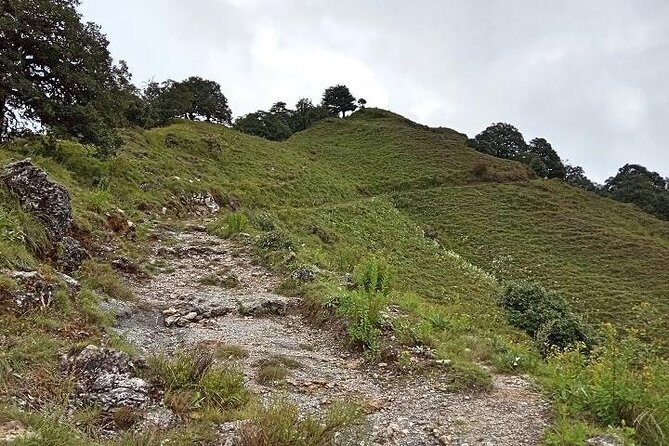
- 360-degree Himalayan viewpoints at Benog Wildlife Sanctuary—great for photos when the sky is clear
- Summit hike to Benog Tibba (2,250 m) with a guided pace that suits beginners
- Jwala Devi temple visit on the hilltop, adding a cultural stop to the hike
- A guided nature walk feel in the forest, with explanations about flora and fauna
- Lunch, snacks, and bottled water included so you’re not rationing mid-hike
- You’ll cover about 10–11 km in roughly 5–6 hours, so bring solid footwear
Mussourie’s cooler side: what this Benog Tibba day hike is really like
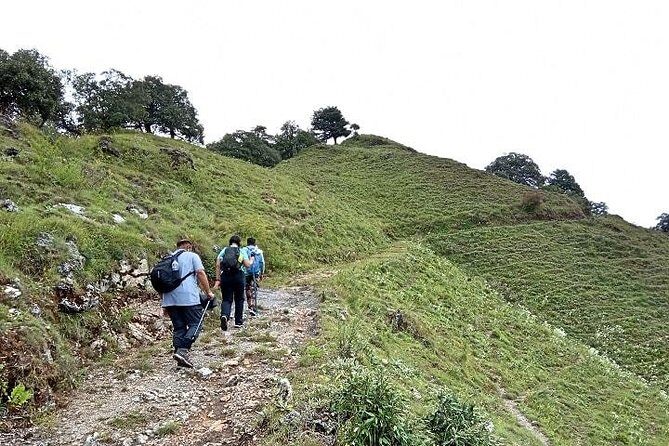
This is a guided day hike starting from Clouds End (west of Mussoorie) and looping back to the same spot. The whole outing runs 9:30 am to about 3:30 pm, depending on mountain conditions, fitness, and age mix. You’ll walk roughly 10–11 km and climb up toward the Benog Tibba peak at 2,250 m, with a stop focused on big viewing angles.
What makes this trek feel different from a plain walk is the structure. You’re not just handed a trail and told good luck. You get a trekking lead who supports you through the changing terrain and helps you notice what you’d otherwise miss—plants, birdlife, and the rhythms of the sanctuary area. It’s the kind of guidance that’s especially helpful if you’re on your first real trek in the hills.
Also, you get the best “mountain payoff” without needing a multi-day commitment. You’re in the Himalayan foothills, but the format is compact: one guided day, meals covered, and views that can stop you mid-sentence.
You can also read our reviews of more tours and experiences in Rishikesh.

Timing, distance, and why your pace matters on this trail
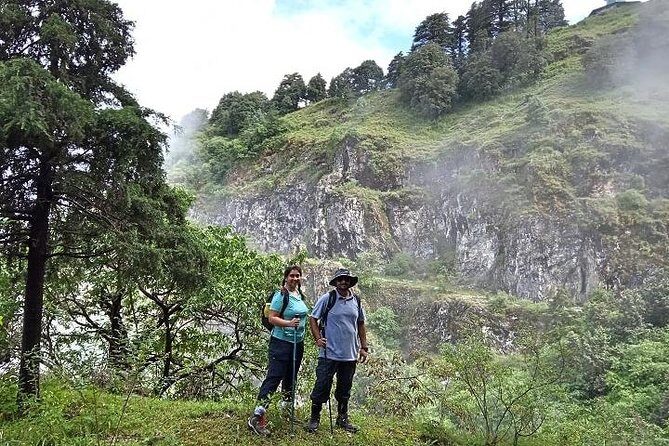
The scheduled time is about 5–6 hours, but the key word is tentative once you’re in the mountains. Trails don’t run on city clocks. If you’re walking with kids, taking more photo stops, or weather turns cooler and misty, the same route can feel longer.
That said, the hike is built for mixed experience levels, including beginners. It’s not advertised as technical climbing. Still, you should treat it as a real hike: 10–11 km isn’t a casual stroll, and the summit altitude means you may feel wind and temperature shifts even if the morning starts comfortable.
My practical advice: move smart, not fast. When the trail tilts up, keep a steady rhythm, sip water early, and don’t wait until you feel wiped out. Your guide will set the pace for the group, but how you manage your effort makes the difference between a relaxed summit moment and a painful finish.
Stop 1 at Benog Wildlife Sanctuary: where the views do the talking
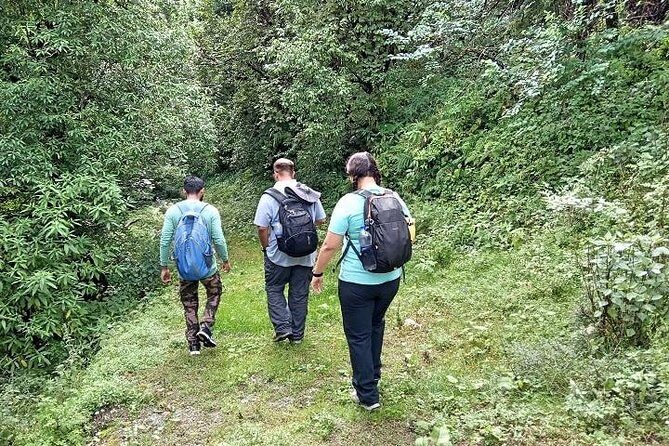
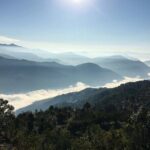
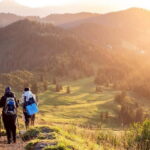
Your day’s first highlight centers on the Benog Wildlife Sanctuary. This is where you catch 360-degree Himalayan views, which is a big part of why people choose this trek in the first place. If the sky is clear, you get that wide, layered “foothills-to-ridges” effect that makes you understand why the hills here are so famous.
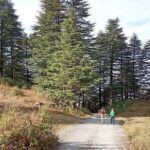
The sanctuary stop isn’t just scenic packaging. It’s also a chance to slow down and learn. The guidance on this trek focuses on what’s around you—flora and fauna and the basics of staying safe and comfortable in a forest environment. If you’re a first-timer, this is where the trip can feel like a real introduction instead of just a workout.
Once you’ve taken in the views and settled your footing, you continue toward the Benog Tibba peak (2,250 m). The shift from open viewing angles back into wooded segments is normal here, and it’s worth dressing for both sun and shade.
Photo tip: For the best chances at crisp panoramic views, expect the quality to depend on weather that day—cloud cover can turn the horizon into a soft wall of gray. If the morning starts cloudy, don’t panic. Your schedule has time buffers built in, and conditions can clear.
Reaching Benog Tibba (2,250 m): the summit payoff without the drama
The main climbing goal is the Benog Tibba peak at 2,250 m. On paper, it’s a single day. In practice, it’s where the whole trek’s effort “clicks.”
What helps is the guided nature of the climb. The trekking lead keeps the group moving in a way that’s appropriate for different fitness levels. If you’ve never hiked uphill for hours, this kind of pacing matters—slow enough to stay together and safe, steady enough to keep momentum.
At the summit, you’re set up for that satisfying mountain feeling: wide sightlines, cooler air, and the sense that you earned what you’re seeing. One thing people specifically call out is the view of the river Tons (also linked with Yamuna in local references) flowing below. Even if you can’t identify every bend, it adds a living, moving element to the stillness of the hills.
Also, don’t underestimate how “mountain altitude vibes” can affect you. You might feel it in your breathing even if the trek doesn’t feel extreme. Keep it calm and focus on small wins: steady steps, water sips, and taking in the view when your guide stops the group.
Jwala Devi temple: mixing faith, views, and a break from the climb
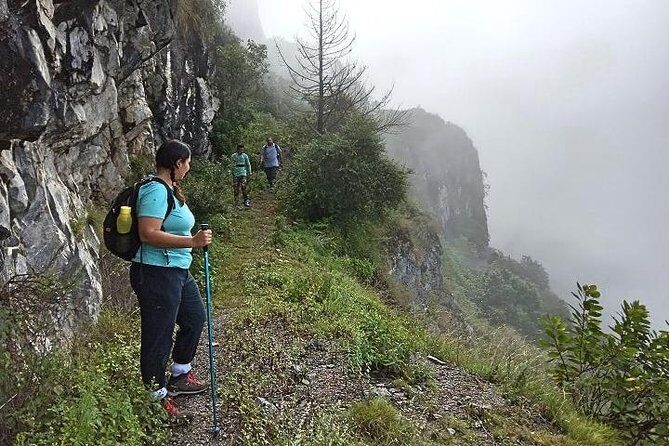
This trek includes a visit to the hilltop Hindu sanctuary of Jwala Devi temple. Having a temple stop on a day hike does two useful things.
First, it gives you a clear reason to pause. That matters because mountain hikes can blur together if you don’t have structured breaks. Second, it changes the vibe from purely nature-focused to cultural-and-scenic, with the temple positioned where you can see the hills around you.
As you approach, keep your pace respectful and follow your guide’s lead. Temple areas often have their own flow—who goes where, how people sit or stand, and when it’s best to move on. Your trekking lead will help the group handle it smoothly.



Forest time in the middle of the day: how the guide turns a walk into learning
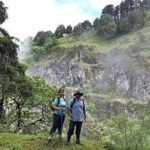
One of the most praised parts of this hike is the guide talk. In particular, Raman Anurag is described as sharing stories and practical info—things that are useful when you’re new to trekking. That includes explanations around flora and fauna and precautions for first-timers.
This matters because a forest walk becomes memorable when you understand what you’re seeing. Instead of just thinking, “Pretty trees,” you start noticing patterns: different plant types, how the sanctuary feels, and why certain parts of the trail are handled with care.
Even if you’re not a hardcore nature nerd, this kind of guided interpretation makes the hike feel longer in a good way. You stop less time because you’re lost, and more time because you’re curious.
What’s included (and what you’ll need to budget for)
For around $26, you get a lot of the day taken care of. The included items are:
- Snacks
- Lunch
- Bottled water
- Forest permits (Indians only)
- A guided trek experience with a designated trekking lead
- Mobile ticket, plus the chance of group discounts
Not included:
- Private transportation
- GST
- Forest permits for foreign nationals at Rs800 per person
So the value isn’t just the hike itself. It’s the meals and the permits piece, which can add up quickly if you were organizing everything on your own. If you’re an Indian national, the permit is handled for you. If you’re a foreign national, you’ll want to factor in that Rs800 per person forest permit cost before you compare prices with other local day hikes.
Where you start and end: Clouds End makes logistics simple
You meet at Clouds End in Mussourie—specifically the Cloud End Forest Resort, Hathipaon Area. The trek also ends back at the same meeting point. That simple “out and back to base” style reduces hassle. You don’t have to worry about arranging a second transport pickup after you’re tired and hungry.
Your start time is 9:30 am, and the activity runs within that same window in the day. You’ll coordinate with the trek leader using a mobile number provided after booking.
It’s also noted as near public transportation, which is helpful if you’re staying in Mussoorie and don’t want to lock yourself into a private vehicle for one half-day of walking.
Group format: private, but not exactly solo
This is described as a private tour/activity, meaning only your group participates. In practice, that still means you should expect a group dynamic. The guide has to keep everyone together, and that’s usually a good thing on a first trek: you move at a safe pace and don’t have to navigate.
If you’re the type who likes having space to linger at viewpoints, keep an eye on group energy. Your guide can often handle short photo stops, but weather and trail conditions will always take priority.
What to pack and how to show up ready (so the day feels easy)
The trip info doesn’t list gear, so I’m going to keep this practical and general—because in the hills, comfort is everything.
I’d bring:
- Good grip shoes (trail footing matters on a 10–11 km hike)
- A light layer for cooler mountain air
- Sunscreen + a hat, since open view points can be bright
- A small snack buffer if you tend to get hungry, even though snacks and lunch are included
- Your mobile ticket and anything you need for permits
If you’re a first-timer, ask your trekking lead about pacing early. It’s fine to admit you’re new. Guides on this route are used to helping people settle into a rhythm.
Price check: is $26 fair for what you get?
At roughly $26 for a 5–6 hour guided hike with lunch, snacks, water, and (for Indians) forest permits, this is strong value. The biggest “hidden cost” on similar hikes is food and coordination. Here, your day is planned end-to-end, and you don’t have to chase meals mid-trail.
The main price variable is permits for foreign nationals. If you’re paying the Rs800 per person forest permit, your total is higher—but you still get meals and guided support included.
So here’s how I’d frame it: if you want a guided day hike with real viewing moments and you prefer not to spend time figuring out transport and permits, this price usually makes sense.
Should you book Benog Tibba Nature Trail?
Book it if you:
- Want a day hike near Mussoorie that includes real scenic stops, not just trail time
- Like the idea of a guide who explains what you’re seeing, not only where to step next
- Want summit views and a cultural stop with Jwala Devi temple
- Prefer a guided format that works for beginners and mixed ages
Skip it (or at least rethink) if you:
- Hate uncertainty in mountain weather and schedules
- Are expecting a short, easy walk—this is still 10–11 km and a trek up to 2,250 m
- Don’t want to handle extra Rs800 foreign permit cost if it applies to you
If you want a meaningful Himalayan foothills day without making it complicated, this is a solid pick.
FAQ
How long does the Benog Tibba Nature Trail take?
The trek runs for about 5 to 6 hours (timings are tentative in the mountains).
What time does the tour start and end?
The schedule is 9:30 am to 3:30 pm, with exact time depending on trail conditions like weather, fitness level, and age group.
Where do I meet the trekking leader?
You meet at Clouds End / Cloud End Forest Resort, Hathipaon Area, Mussorie. The trek also ends back at the same meeting point.
How far will I hike?
You cover approximately 10–11 km during the hike.
Is the hike suitable for beginners and all ages?
Yes. It’s described as appropriate for all ages and experience levels, including beginners.
What is included in the price?
Included are snacks, lunch, bottled water, and forest permits (for Indians only), plus a guided trek with a trekking lead.
Are forest permits included for foreign nationals?
No. Forest permits for foreign nationals are Rs800 per person and are not included.
What should I do if weather is poor?
This experience requires good weather. If it’s canceled due to poor weather, you’ll be offered a different date or a full refund.
What is the cancellation policy?
You can cancel for a full refund up to 24 hours in advance. Canceling less than 24 hours before the start time doesn’t get a refund.