Naag Tibba scratches the adventure itch fast. You get a qualified trek leader guiding the hike, and I like that tents and camping gear are handled so you’re not hauling supplies up a mountain. One drawback to consider: you’ll need good stamina for an early summit start and a full day of hiking before you’re back down.
This trek also has a nice “real mountains” feel. You start in the Himalayan village area of Pantwari, camp at the base, and then push for the top of Nag Tibba with the kind of structure that helps first-timers feel steady.
In This Review
- Key points that make this trek worth your time
- How Naag Tibba works as a beginner-friendly summit goal
- Day 1 from Pantwari to the base: the calm before the summit push
- Day 2: early summit to Nag Tibba, back to camp by lunch
- What’s truly included: guides, permits, camping gear, and meals
- Price and value: why $53.93 can work (and when it might not)
- The route vibe: villages, forests, meadows, and summit views
- Who should book this Naag Tibba trek (and who should rethink)
- Practical tips to make your two days feel smoother
- Should you book Naag Tibba with Yeti Outdoors?
- FAQ
- How long is the Naag Tibba trek?
- Where does the trek start, and where does it end?
- Is pickup included?
- What food and camping gear are included?
- Do I hike with a guide?
- What if the trek is canceled or I need to cancel?
Key points that make this trek worth your time
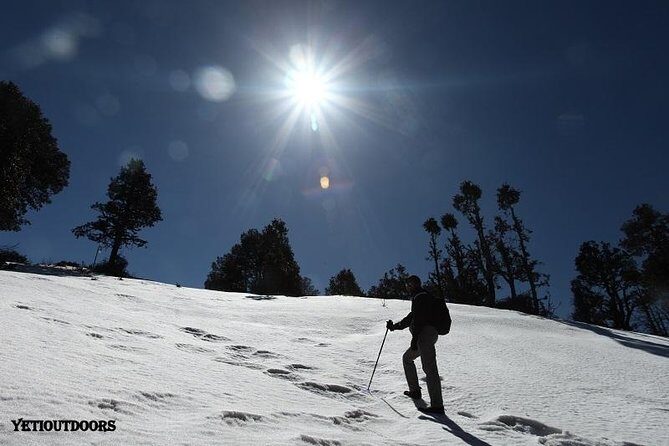
- Qualified guide support: expert trek leader with basic/advanced mountaineering courses
- Camping gear and tents included: plus technical and common trekking equipment
- Meals are included: breakfast, dinner, and two lunches
- Pantwari-to-summit timing: a gradual Day 1 walk, then an early Day 2 climb
- You’re not navigating alone: your guide helps you stay on track and focused
- Private tour feel: it’s your group only, with guides, cooks, and helpers working behind the scenes
How Naag Tibba works as a beginner-friendly summit goal
Naag Tibba is the kind of trek that feels realistic without losing the thrill. The big win is how the experience is structured for safety: you’re not just handed a trail map. You travel with an expert trek leader, and the support team includes cooks, helpers, and porters/mules. That means you can focus on walking, breathing, and enjoying the climb.
Another reason I like this style is that it’s short. Two days in the mountains is enough time to feel like you’ve actually gone somewhere, yet it’s not so long that logistics take over your trip. You camp at the base on Day 1, then summit early on Day 2—so the hardest effort is concentrated in one clear push.
One more practical detail: it’s a private tour, so your group isn’t dealing with a mixed pace and unpredictable gaps. In trekking, that matters. Slow hikers need room; fast hikers need patience. Private guiding keeps things smoother.
You can also read our reviews of more hiking tours in Rishikesh
Day 1 from Pantwari to the base: the calm before the summit push
You start from the Himalayan village of Pantwari. The walk to the base is gradual, about 3 hours, which is a great way to warm up before you camp. This pacing matters if you’re coming from the plains or you’re not used to mountain footing.
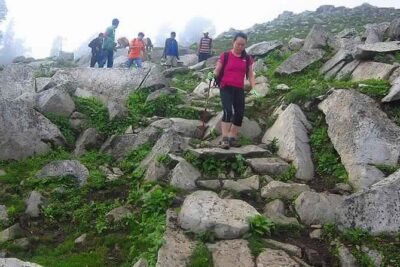
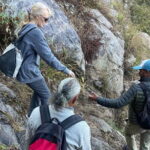
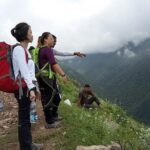
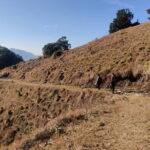
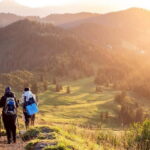
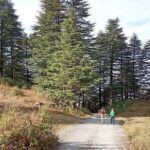
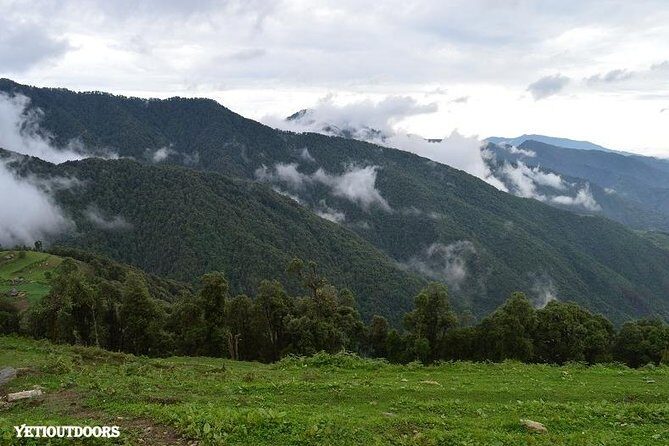
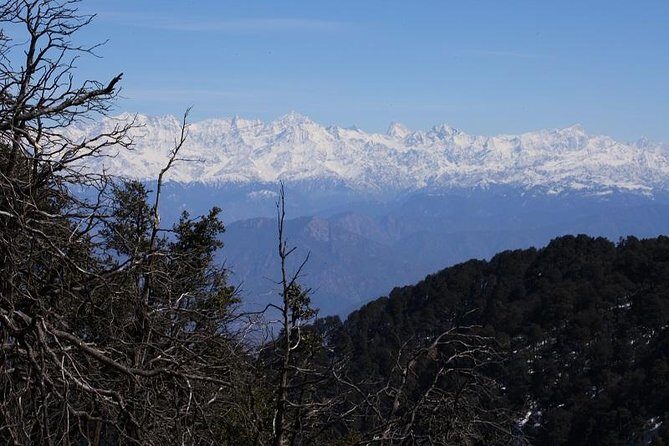
As you move, you’ll pass through a mix of forest and open stretches. Past trekkers describe time in dense oak and rhododendron forest, plus open meadows and chances to see snow-capped peaks. Even if the weather is partly cloudy, that forest-to-meadow change is usually what keeps the hike interesting.
By the time you reach the camping area at the base, the day shifts from effort to recovery. You set up your camp setup there, and then the evening is free to explore the surrounding forest area. That free time is underrated. It’s when you can loosen up, take photos without rushing, and let your legs cool down properly.
Day 2: early summit to Nag Tibba, back to camp by lunch
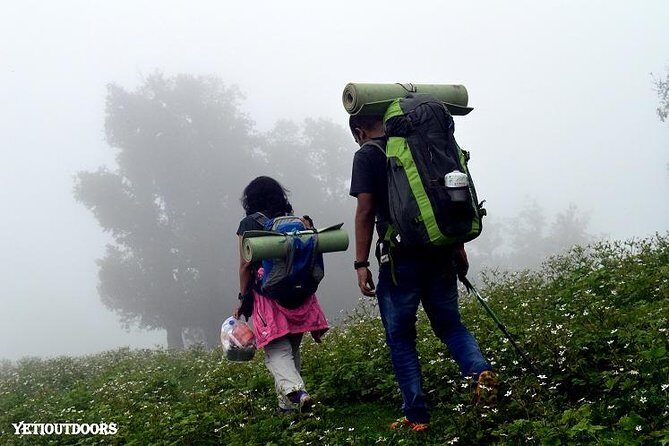
Day 2 starts early. The point is simple: Nag Tibba is a summit day, and the earlier timing gives you better odds for clearer views and stable trekking conditions.
You hike up to Nag Tibba, spend time admiring the summit, and then head back toward the camp for lunch. The day is listed as around 6 hours with an admission ticket included, which tells you the schedule is designed to be intense but not endless. You’re working within a defined window: summit, admire, return, eat, then move on.
After lunch, you start the journey back toward Pantwari and then onward to Mussoorie. The trek itself ends back at the meeting point, but the bigger travel flow is part of the experience. Just be ready for transit to be part of your day, not a separate thing you can fully control.
If you dislike early alarms, this is the one moment you should think twice about. The guide-driven early start is the reason the trek stays so efficient.
What’s truly included: guides, permits, camping gear, and meals
This trek is built to remove the most annoying problems: figuring out equipment, carrying heavy items, and timing meals while you’re trying to hike.
Here’s what you can count on being included:
- Tents and camping gear, plus all technical and common trekking equipment
- Permits
- Breakfast, dinner, and two lunches
- Expert trek leader plus guides, cooks, helpers, and porters/mules
That package is the core value. If you’ve ever tried to do a mountain trip where you end up renting gear at the last minute or paying extra for basic support, you’ll appreciate why this arrangement feels easier.
From the reviews, there’s also a real emphasis on team support. Several people highlight guides like Manish and assistants such as Rishabh and Ashish—with praise for feeling safe and confident. There are also mentions of strong on-the-ground organization, friendly guidance, and even chai and food provided during the day along the way. Even if details vary by season, the tone from past hikers is consistent: you’re not just buying a trail ticket, you’re buying a team.
Price and value: why $53.93 can work (and when it might not)
At $53.93 per person for an about-2-day experience, the price sits in an area that can feel surprisingly good—especially because the trek covers items that usually cost extra on short hikes.
You’re paying for:
- trek leadership and support staff
- permits
- camping equipment (including tents)
- meals (breakfast, dinner, and two lunches)
What’s not included is also clear: private transportation isn’t included, and you also need to cover insurance, plus your stay and food in Mussoorie and food during transit.
So here’s how I’d think about value:
- If you already have your local transportation sorted and you’re okay handling Mussoorie meals/stay yourself, this is a strong deal.
- If you need to add a lot of extra transit costs and pre/post-night lodging, then the real total can climb faster than the base trek price suggests.
One more nuance: the trek requires good weather. If conditions are poor, you’ll be offered a different date or a full refund. That’s not a small detail when you’re planning around holidays.


The route vibe: villages, forests, meadows, and summit views
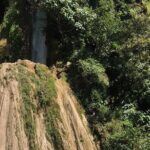
Even with only two days, the trek has variety. You don’t just repeat one type of terrain. You start with a gradual approach from Pantwari, then you camp and rest, then you summit early and come back down for lunch.
The common thread in people’s descriptions is how the trail moves through:
- dense oak and rhododendron forest
- open meadows
- and the thrill of snow-capped views when the sky cooperates
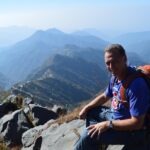
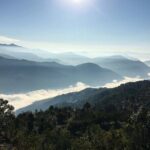
That mix is what keeps Naag Tibba from feeling like a single-note walk. Forest trails give you shade and rhythm. Open areas let you feel the altitude and see more. Then the summit is your payoff moment, the part you can point to in your photos and say, we did that.
Who should book this Naag Tibba trek (and who should rethink)
I’d point this trek at people who want:
- a guided, safe experience without map-and-mistake stress
- a short mountain trip that still includes camping
- a team-led setup with meals and gear handled
It’s also a good fit if you prefer a private group pace. Solo trekkers often like the structure, and groups of friends or couples like that everyone stays together.
On the flip side, rethink it if:
- you’re looking for a relaxed schedule with no early start
- you dislike hiking in cold/altitude conditions (even if “most travelers can participate,” you’ll still be outside for long stretches)
- you don’t have a plan for Mussoorie lodging and food after the hike
A useful practical note: service animals are allowed, and most people can participate, but this is still real trekking. Bring patience and pace yourself on Day 1 so Day 2 doesn’t feel like a surprise punishment.
Practical tips to make your two days feel smoother
You don’t need a ton of trekking experience to enjoy this trek, but you do need to show up ready.
Here’s what I’d do to keep the trip comfortable:
- Sleep early before Day 2. The summit requires an early start, and tired legs make the climb feel longer.
- Plan your mindset around the schedule. You’re hiking, then eating, then moving on. Don’t treat Mussoorie as a separate vacation; treat it like the next stop.
- Pack for mountain basics (warm layers, a way to protect from wind). The trek’s short, but mountain weather can still shift quickly.
- Follow your guide’s pace on the summit push. The goal is to arrive with energy, not sprint early and stall halfway.
Also, since pickup is offered but private transportation isn’t included, confirm what your plan is for getting between Rishikesh area, the meeting point, and any onward travel. The trek’s focus is the hike and camp; you’ll want transportation to match that plan.
Should you book Naag Tibba with Yeti Outdoors?
If you want a 2-day Naag Tibba trek that feels organized, safe, and fairly low on logistics headaches, I think this is a smart booking. The combination of expert guidance, tents and gear included, and meals covered makes it easier to spend your energy on the hike instead of worrying about supplies.
I’d book it especially if you’re okay with:
- an early Day 2 summit start
- handling your own Mussoorie stay and meals
- keeping weather conditions in mind since the trek needs good conditions to run
If you’re the type who loves clear plans and a supportive team, this trip matches that vibe. And if you’re chasing summit views without turning it into a gear-rental project, this is exactly the kind of trip that saves time and stress.
FAQ
How long is the Naag Tibba trek?
It’s listed as about 2 days.
Where does the trek start, and where does it end?
The start point is at Yeti Outdoors, and the activity ends back at the meeting point.
Is pickup included?
Pickup is offered, but private transportation is not listed as included, so it’s worth confirming exactly how you’ll get to the meeting point.
What food and camping gear are included?
You get breakfast, dinner, and lunch (2). Camping equipment is included, including tents and other technical/common equipment.
Do I hike with a guide?
Yes. You’ll have an expert trek leader qualified in basic/advanced mountaineering courses, plus guides, cooks, helpers, and porters/mules.
What if the trek is canceled or I need to cancel?
There is free cancellation: you can cancel up to 24 hours in advance for a full refund, and cancellations due to poor weather are handled with an alternate date or a full refund.