REVIEW · RISHIKESH
Guided Ashram Walk Tour in Rishikesh with a local
Book on GetYourGuide →Operated by Yo Tours · Bookable on GetYourGuide
Rishikesh has a way of slowing your mind. This short guided walk puts you face-to-face with major ashrams, then pulls you to the river for Ganga Aarti—all while a local guide helps you connect the dots. I especially like the mix of iconic spiritual sites (including Parmarth Niketan) and everyday street-level glimpses that make the town feel lived-in, not staged. One drawback to keep in mind: the experience can depend on the guide’s language ability and the exact meeting details on the day.
You’ll also see how Western seekers and Indian traditions overlap in Rishikesh, from the Beatles-era spiritual legend to today’s meditation culture. I like how the guide’s storytelling turns random buildings into places with names, roles, and meaning. Still, plan for possible extra entrance fees at specific sites and don’t expect drinks or food to be included.
If you want a quick spiritual sweep with context—this works. If you need tight, fully standardized logistics every minute, do a bit of homework before you go.
In This Review
- Key highlights worth your time
- Ashram Walks in Rishikesh: Why this route makes sense
- Your 2-hour path: Beatles Ashram, Parmarth Niketan, Sivananda
- Beatles Ashram: the international spirituality chapter
- Parmarth Niketan: where scale meets devotion
- Sivananda Ashram: calmer breathing room
- The Ganga Aarti finish: what you’re really watching for
- Beatles-to-river storytelling: how the guide turns stops into meaning
- Walking through Rishikesh streets: markets, food stalls, and local artisans
- Private car transportation: comfort vs. meeting-point surprises
- Price and value: is $18 worth a 2-hour ashram sweep?
- What to bring (and what to plan mentally)
- Who this tour fits best
- Should you book this guided Ashram Walk?
- FAQ
- Where does this tour take place?
- How long is the guided asharm walk tour?
- How much does it cost?
- Is the group private?
- What languages does the guide speak?
- Does the tour include entrance fees to historical sites?
- Is food or drinks included?
- What should I bring?
- Can I cancel for a full refund?
- Is there a way to book without paying upfront?
Key highlights worth your time
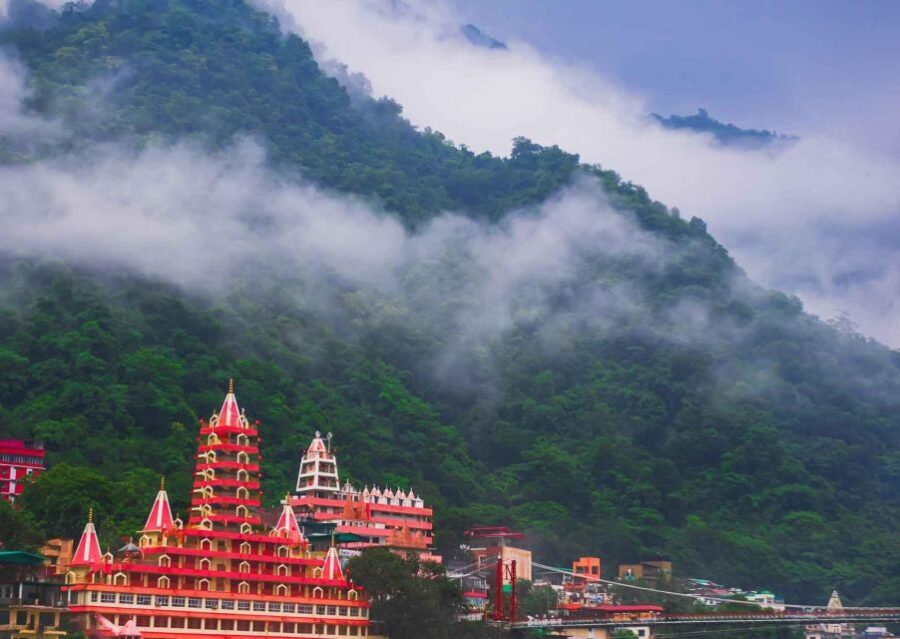
- Parmarth Niketan Ashram visits: one of Rishikesh’s most important spiritual centers
- Ganga Aarti by the Ganges: the ceremony is the emotional payoff of the route
- Beatles Ashram stop: a useful marker for the city’s global spirituality story
- Sivananda Ashram atmosphere: a calmer contrast after larger sites
- Local guide explanations (English/Hindi): you get context, not just photo ops
- Private-group pace: you move with less crowd pressure in a short 2-hour window
Ashram Walks in Rishikesh: Why this route makes sense
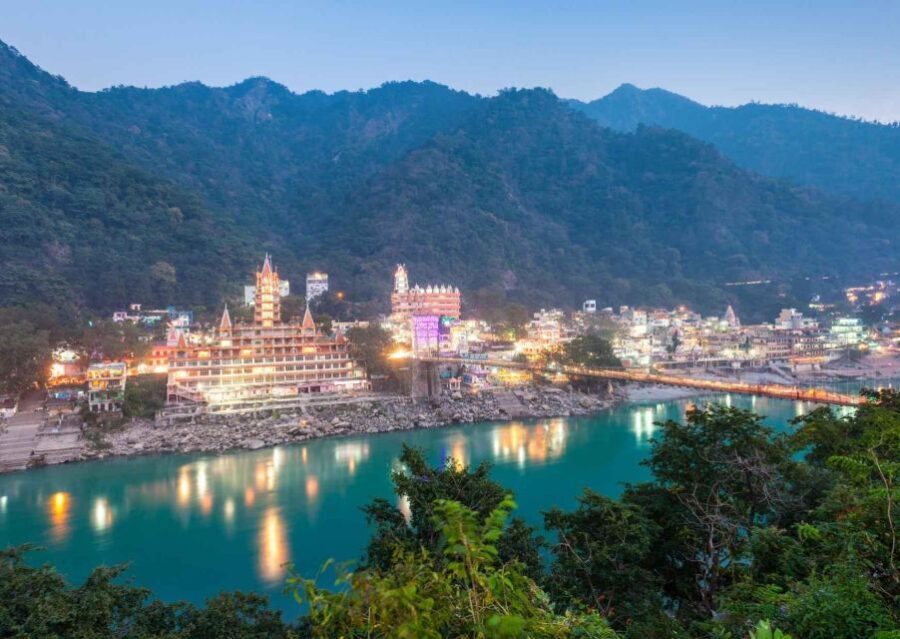
Rishikesh is often sold as the Yoga Capital of the World, and that’s not just marketing. The town is packed with ashrams, temples, meditation spaces, and small classes that spill into daily life. But if you show up without context, it can feel like you’re collecting names. This kind of guided walk helps you turn those names into understanding—fast.
What makes this route especially appealing is that it balances big spiritual landmarks with the feel of regular streets. You’re not only looking at gates and prayer halls; you’re also getting a sense of how people actually live around the river and the ashrams. In practical terms, that’s what makes a short tour worth it. Two hours in Rishikesh can vanish quickly if you’re just wandering.
You can also read our reviews of more walking tours in Rishikesh



Your 2-hour path: Beatles Ashram, Parmarth Niketan, Sivananda
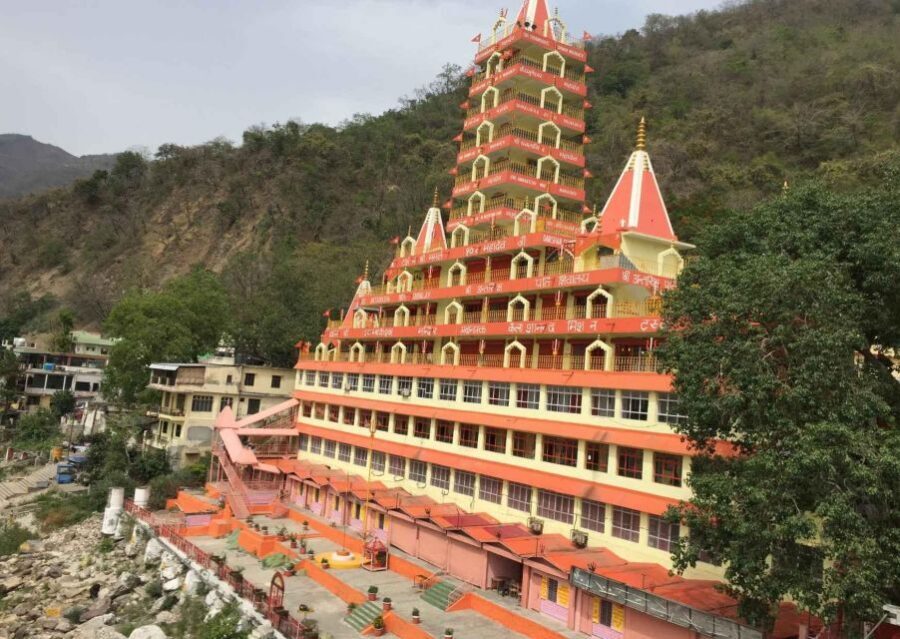
The tour is built for a tight timeline: in about two hours, you hit multiple spiritual anchors rather than spending the whole day in one place. Here’s how each stop tends to land.
Beatles Ashram: the international spirituality chapter
You’ll visit the Beatles Ashram, the spot made famous by the Fab Four’s search for spiritual grounding in the 1960s. Even if you’re not a Beatles fan, this stop is useful because it explains why Rishikesh became part of global pop culture in the first place. That matters here because modern Rishikesh is a meeting point: Indian tradition, foreign yoga culture, and lots of personal quests.
One practical note: entrance fees may apply at the Beatles Ashram. The tour data says entrance fees aren’t included, so if you’re budgeting tightly, expect you might pay there (or at other sites).
Parmarth Niketan: where scale meets devotion
Next up is Parmarth Niketan Ashram, described as one of India’s largest and most revered spiritual centers. This is the stop where you’ll notice scale. Bigger ashrams often mean a stronger sense of routine—prayer schedules, congregational moments, and a clearer daily rhythm.
This is also where a good guide earns their keep. Without explanation, you might just see a lot of buildings and people doing things you can’t fully interpret. With help, you start understanding how the spiritual center functions and why visitors come back again and again.
Sivananda Ashram: calmer breathing room
Then you get a contrast with Sivananda Ashram, known for its quieter, peaceful feel in the heart of Rishikesh. After a larger site, this kind of stop gives your brain a break. It’s the moment where you stop chasing big sights and start noticing smaller details—how space feels, how people move, and how the tone changes between ashrams.
In a short tour, that contrast matters. It keeps the experience from turning into a checklist.
You can also read our reviews of more guided tours in Rishikesh


The Ganga Aarti finish: what you’re really watching for

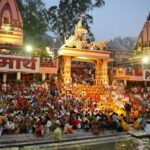
The centerpiece of this tour is Ganga Aarti along the sacred Ganga. This ceremony isn’t only pretty—it’s the emotional gear-change of the entire experience. The moment you’re on the riverbank, your senses shift. You start paying attention to rhythm: voices, movement, light, water.
Aarti is also a reminder that Rishikesh spirituality isn’t theoretical. It’s public. It’s done in real time, with real people, and it connects the river to belief in a direct, visible way. Even if you’re skeptical, it’s hard not to feel something watching the ritual unfold.
Practical advice: bring your patience and your phone settings. You’ll likely want photos, but don’t let that fully take over. Watch for the flow of the ceremony itself. If you can, position yourself so you can see the activity without craning too much. You’re aiming for participation in the moment, not just documentation.
Beatles-to-river storytelling: how the guide turns stops into meaning
A two-hour guided walk lives or dies by the guide. This tour includes a local storyteller/guide who can speak English and Hindi, and the experience is designed around local explanations and conversation.
That said, one thing I’d plan for: English may not always be equally strong for every guide. Some experiences can come through mostly in Hindi with less detail in English. If you want specific kinds of context—like how yoga traditions relate to today’s ashram life—say so early. Ask one or two pointed questions in the first 10 minutes and see how the guide responds.
What you’re looking for during the walk:
- short stories that explain what you’re seeing
- cultural context behind why these places matter today
- practical “here’s what to notice” guidance
This is where the tour can outperform a standard photo tour. When the guide gives you the storyline, you walk away with understanding you can carry. You’re not just collecting temples—you’re learning the logic of the place.
Walking through Rishikesh streets: markets, food stalls, and local artisans
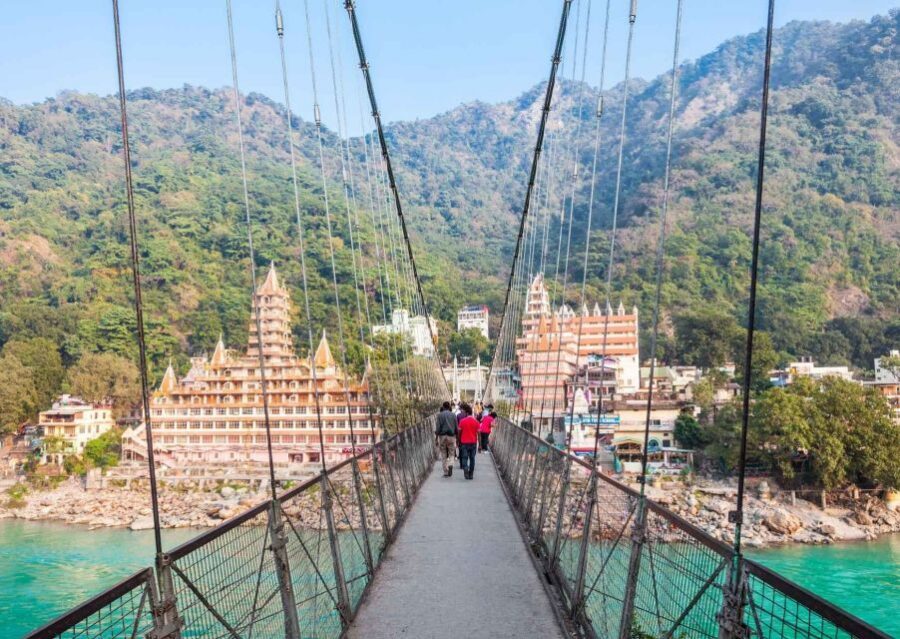
You’ll also wander through everyday Rishikesh—streets with shops, markets, and street food stalls—plus chances to see local artisans. That part sounds casual, but it’s actually what keeps the spiritual stops grounded.
If you spend the whole tour only inside temple spaces, it’s easy to feel like you visited a museum. Street time tells a different story: the ashrams are connected to local commerce, family life, and daily routines. Even if you skip buying things, you get a feel for how the town works.
If you’re the kind of traveler who loves to nibble your way through a place, this is where you’ll want to stay open-minded. Just remember: drinks and food beyond what’s mentioned aren’t included, so budget for your own snacks.
Private car transportation: comfort vs. meeting-point surprises
One major selling point is private car transportation for a comfortable trip, which matters a lot in a short tour. In Rishikesh, walking longer distances than expected can eat into your time. A car transfer keeps the focus on the stops.
Still, meeting point accuracy is critical. Some past experiences have reported guide pickup confusion—like arriving at the wrong hotel, needing a later meeting location, or having the guide missing at first contact. I can’t predict what you’ll face, but I strongly recommend you confirm:
- the exact meeting location details
- a clear contact method for the day
- the plan if you’re running late
If the company is using a specific “designated meeting point,” treat it like a real address—not a suggestion. In short tours, small confusion becomes a big time problem.
Price and value: is $18 worth a 2-hour ashram sweep?
At $18 per person for a 2-hour guided experience, the value depends on what you want from the day.
You’re paying for:
- a local guide who speaks English and Hindi
- structured stops across major ashrams
- a guided experience that ends with Ganga Aarti
- private-group attention (not a big cattle-car feeling)
What you should not expect for that price:
- entrance fees, since they’re not included
- drinks and food beyond what’s mentioned
- a fully rigid experience that never needs adjustment on the day
So is it worth it? For many visitors, yes—especially if you’re short on time and want the right order of highlights (Beatles Ashram → Parmarth Niketan → Sivananda → river ceremony). If you already know the ashrams well and you’re happy to wander, you could spend less by going solo. But if you want context delivered while you walk, this price can feel fair.
My simple rule: if you’re the type who likes to ask questions and understand what you’re seeing, $18 is a good deal.
What to bring (and what to plan mentally)
This tour is simple: comfortable shoes is the big requirement. Rishikesh streets are uneven in places, and you’ll likely do some walking between stops and around ashrams.
Mental planning matters too:
- Expect a mix of spiritual spaces and normal town life.
- Expect that ceremonies can feel busy or crowded at certain moments.
- Keep your schedule flexible for a short walk—two hours feels brief, but ceremonies are what they are.
If you get overwhelmed easily, tell yourself you’re not trying to master everything. Your goal is to take in a sequence and leave with a stronger sense of Rishikesh than you arrived with.
Who this tour fits best
This experience is a strong match if you:
- have only a short time in Rishikesh
- want to hit multiple top ashrams without planning them yourself
- like guided context and story-based explanations
- want to end with a meaningful river ceremony
It may not be ideal if you:
- need zero uncertainty on meeting logistics
- expect entrance fees to be covered everywhere
- want guaranteed, high-detail English explanations in every stop
If you’re flexible and curious, you’ll likely find it satisfying. If you’re rigid about schedules and inclusions, you’ll want to confirm details carefully before you start.
Should you book this guided Ashram Walk?
I’d book it if you want a focused, human-scale introduction to Rishikesh: ashrams with context and a real ending at Ganga Aarti. The combination of major sites plus local street atmosphere is what makes the two-hour format work.
Before you go, do two things that will protect your day:
- Confirm the meeting point clearly the day of the tour, so you’re not chasing directions mid-experience.
- Budget a bit extra for entrance fees at specific sites, since those costs aren’t included.
If you like learning as you walk, this is the kind of tour that leaves you feeling like you understood the place—not just visited it.
FAQ
Where does this tour take place?
It takes place in Rishikesh, in the Uttarakhand region of India.
How long is the guided asharm walk tour?
The duration is 2 hours.
How much does it cost?
The price is $18 per person.
Is the group private?
Yes, it’s a private group.
What languages does the guide speak?
The guide can speak English and Hindi.
Does the tour include entrance fees to historical sites?
No. Entrance fees to any historical site are not included.
Is food or drinks included?
No. Drinks and food other than what’s mentioned are not included.
What should I bring?
Wear comfortable shoes.
Can I cancel for a full refund?
Yes. You can cancel up to 24 hours in advance for a full refund.
Is there a way to book without paying upfront?
Yes. You can reserve now and pay later, with an option to pay nothing today.