REVIEW · RISHIKESH
Rishikesh Guided Walking Tour: Laxman Jhula, Ganga Aarti
Book on GetYourGuide →Operated by Rishikesh tour · Bookable on GetYourGuide
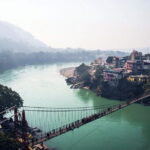
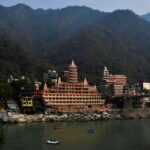
A suspension bridge sets the tone for Rishikesh. I loved how this tour pairs Laxman Jhula with the evening Ganga Aarti, giving you both big landmarks and a real feel for the spiritual rhythm of the city, and I also liked the way the day mixes temple stops with practical food time for chaat, pakoras, and sweets. One possible drawback: it’s a long full-day route, so wear shoes you can trust and expect steady walking.
Rohit, a guide with about three years of experience, runs the storytelling with a warm, careful style that works well if you’re traveling solo. The tour is built for a small group, and the vibe is that you get enough attention to take good photos and keep moving at a comfortable pace. If you’re picky about crowds or hate guided schedules, this one might feel a bit structured, even though it’s friendly.
In This Review
- Key highlights to look for
- Getting started in Rishikesh: pickup, pacing, and what you’re really paying for
- Laxman Jhula: the suspension-bridge start that keeps your eyes busy
- Temples close together: Trayambakeshwar and Neelkanth Mahadev
- Beatles Ashram (Chaurasi Kutia): art, murals, and why the story sticks
- Ram Jhula and the river loop: seeing the crossings as a system
- Food that fits the day: lunch plus street tastings you’ll remember
- Evening Ganga Aarti: the river ritual moment that ties it all together
- How the day actually feels: logistics, group size, and your best gear
- Price and value: is $37 a fair deal?
- Who should book (and who should skip it)
- Should you book this Rishikesh guided walking tour?
- FAQ
- Where does the pickup happen?
- How long is the tour?
- Is breakfast included?
- What is included for food?
- Which main sights are part of the route?
- Where does Ganga Aarti take place?
- Is the tour only walking?
- What languages will the guide speak?
- What should I bring with me?
- Who is the tour not suitable for?
Key highlights to look for
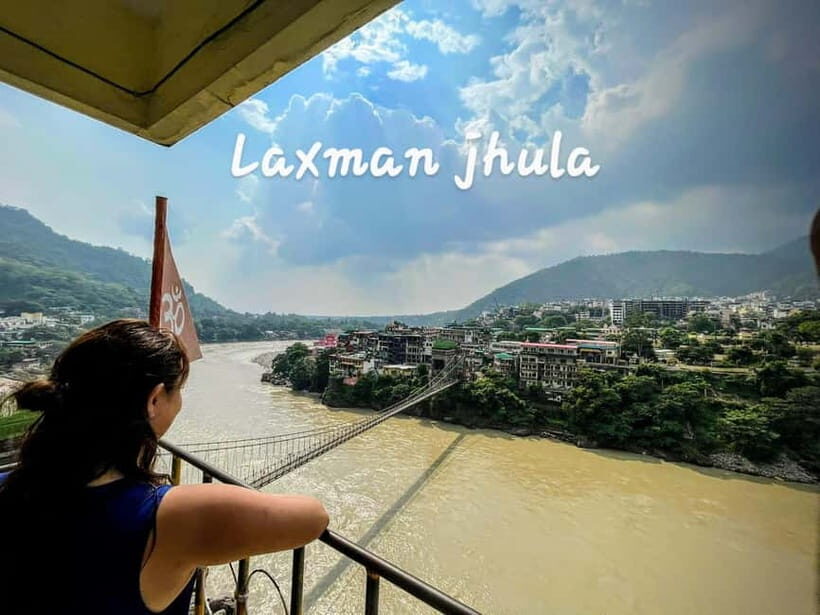
- Laxman Jhula photo stop with a guided walk and plenty of chances to slow down and look around
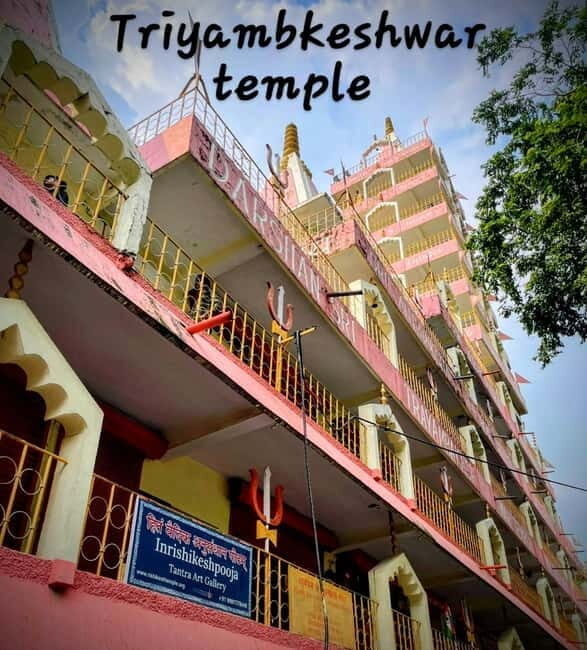
- Temple circuit that includes Trayambakeshwar Temple and Neelkanth Mahadev Temple
- Beatles Ashram (Chaurasi Kutia) as an arts-and-murals stop tied to the 1960s era
- Street-food timing built into the day, so you’re not wandering hungry
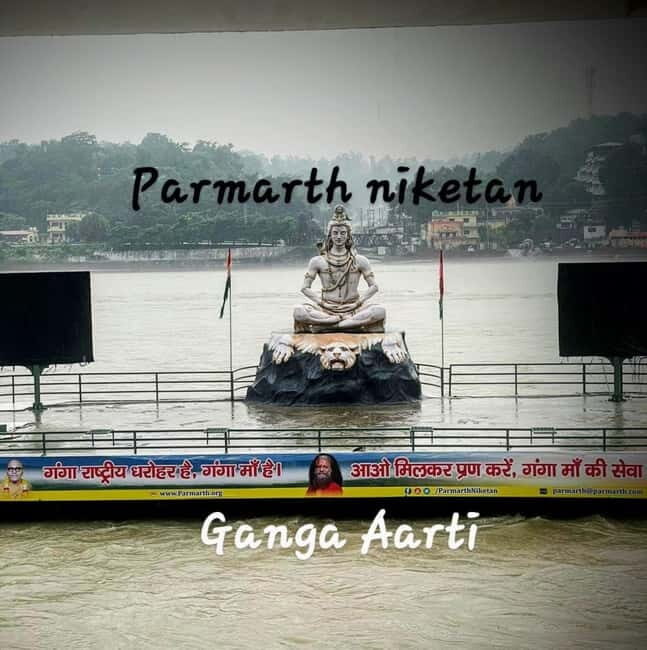
- Ganga Aarti at Triveni Ghat or Parmarth Niketan in the evening for a major spiritual moment
- Ram Jhula suspension bridge added to the route to round out the river crossings
Getting started in Rishikesh: pickup, pacing, and what you’re really paying for
This tour is designed as a day plan, not just a checklist. You’re picked up in Rishikesh and then taken around to see the main sights without wasting time in local traffic, which matters when you’re on a short trip and don’t want to figure everything out alone.
For roughly a full day (the route is listed as an 11-hour experience), you’ll be on your feet more than you might expect for a “walking tour.” You also get a mix of walking plus a ride and even a bike-tour component, so the day stays active without feeling like you’re marching nonstop. That balance is part of the value: you’re spending money on time saved and someone steering the order of where to go.
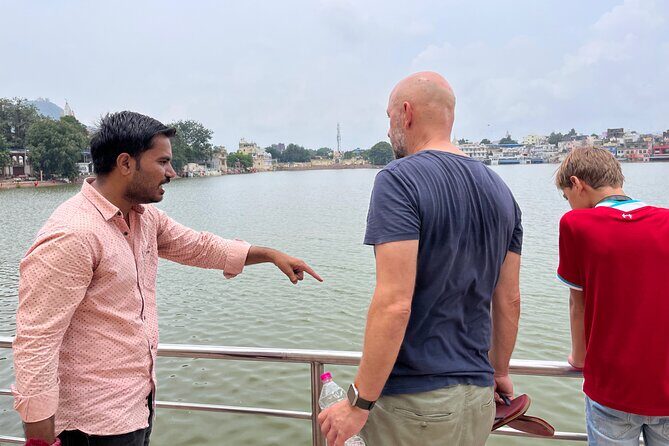
And because the group is extremely small, it’s the kind of day where your guide can slow down when you need it—especially if you’re stopping for photos or asking questions mid-walk. In the reviews, Rohit’s photography/videography skill is a big plus, which is great if you’re solo and don’t want to rely on strangers to take pictures.
You can also read our reviews of more walking tours in Rishikesh


Laxman Jhula: the suspension-bridge start that keeps your eyes busy
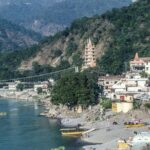
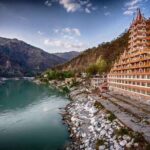
Most days in Rishikesh have that “river first” feeling, and Laxman Jhula is a perfect opening. The tour includes a photo stop and guided time there, which is smart because this is where you quickly learn what direction to look in—toward the river, toward the temples nearby, and toward the old-town energy that runs along the water.
A suspension bridge also works as a mental warm-up. You get an instant sense of the scale of the Ganges corridor and how the city is organized around crossings. Even if you’re not a history person, the bridge gives context fast: you’ll understand why later stops matter, especially when you reach the evening ceremony by the river.
Practical tip: bring a charged smartphone and expect to use it. The guide’s strong camera eye is highlighted in the feedback, so if you want clear shots—especially for solo photos—this is where you’ll benefit from his know-how right away.
Temples close together: Trayambakeshwar and Neelkanth Mahadev

After the bridge, the day shifts into a temple circuit, including Trayambakeshwar Temple and Neelkanth Mahadev Temple. The point here isn’t just ticking off religious sites. You’re also learning how these places shape daily life in Rishikesh—where people pause, what locals value, and how the city’s spirituality shows up in the middle of regular streets.
These temples are also ideal “walking-tour” stops because they’re built for lingering. You can take in architectural details at a comfortable pace, and you can listen to stories that connect the sites to local culture and people. If you’ve been worried that a guided walk will feel like a lecture, this is where the storytelling format helps: it’s more like city orientation than classroom time.
One consideration: temple visits can mean standing and walking around uneven areas. Stick with comfortable shoes and give yourself a little buffer for photos and looking up close.
Beatles Ashram (Chaurasi Kutia): art, murals, and why the story sticks
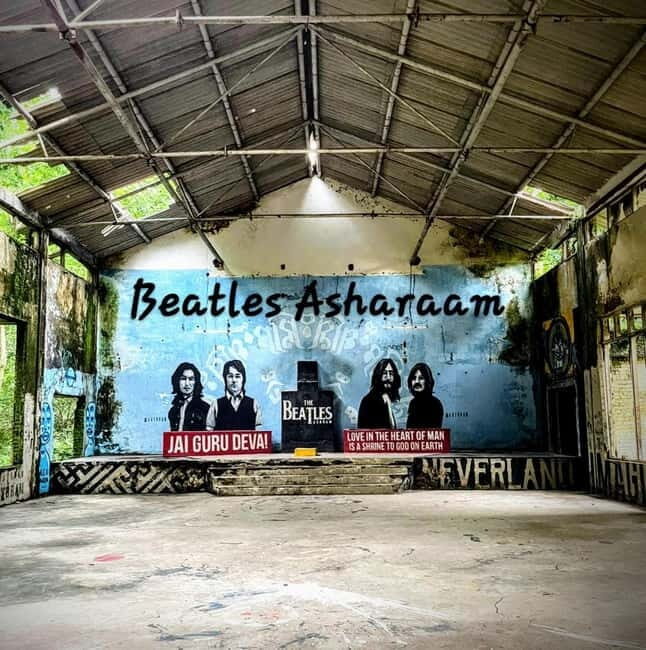
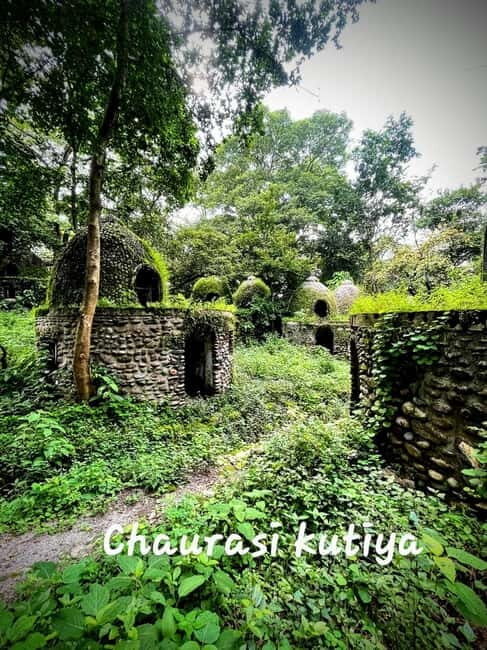
Next comes an unexpected pivot: Beatles Ashram (Chaurasi Kutia). This stop is tied to the 1960s era—when the Beatles stayed here—and today it’s more of an artistic hub, covered in graffiti and murals. That blend of past and present is what makes it a memorable change of pace.
Instead of treating it like a museum, the tour keeps it human and visual. You’re walking through an atmosphere that feels creative and layered, and your guide ties it to the wider story of Rishikesh as a place artists and seekers have returned to. It’s the kind of stop that works even if you’re only mildly interested in music history, because the murals and street art do the speaking for you.
If you care about photos, this is another good moment to ask the guide how to frame shots. In feedback, Rohit’s photography skill comes up repeatedly, and this is exactly the sort of location that rewards a good eye.
Ram Jhula and the river loop: seeing the crossings as a system
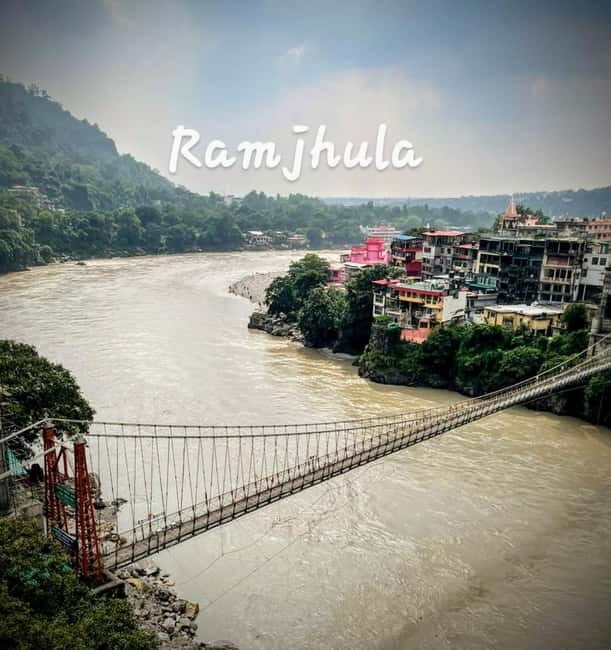
The tour also includes Ram Jhula suspension bridge, which helps you see the river crossings as part of a bigger network rather than two disconnected landmarks. Once you’ve already visited Laxman Jhula, Ram Jhula feels like a “compare and contrast” moment—another angle on how people move, where viewpoints open up, and how the river anchors the city’s layout.
This is also where the guided route pays off. Without someone coordinating the sequence, it’s easy to bounce around inefficiently and end up rushed. Here, the flow feels like it’s built to keep you moving in the right order: bridge views, then temples and the arts stop, then the evening river ritual.
You can also read our reviews of more guided tours in Rishikesh

Food that fits the day: lunch plus street tastings you’ll remember
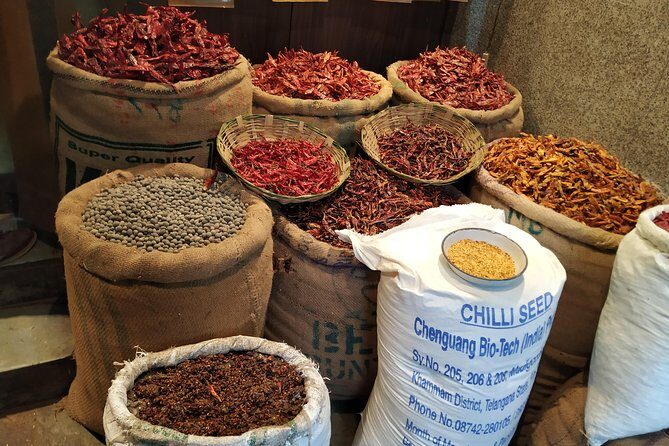
One of the smartest parts of this tour is that food isn’t treated as an afterthought. Lunch is included, and you’ll also get time for local eateries and street-food tasting. The menu style isn’t generic either—you’re encouraged to try favorites like chaat, pakoras, and sweets.
For me, this is the practical value: a guided day like this can otherwise leave you hungry and cranky. When meals are built into the route, you’re not forced to gamble on where to eat while you’re tired from walking.
A heads-up: street food can be spicy and busy. If you have sensitivity or you’re not used to local spice levels, tell your guide what you prefer so you don’t end up stuck with a plate you can’t finish. The guide’s friendly, attentive approach is part of why people rate the tour highly.
Evening Ganga Aarti: the river ritual moment that ties it all together
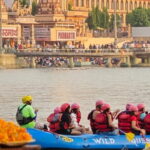
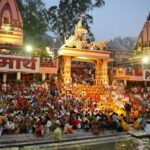
The evening highlight is Ganga Aarti, attended by the banks of the Ganges at either Triveni Ghat or Parmarth Niketan. That’s a big deal in a day that starts with bridges and temples, because it’s where the city’s spiritual theme becomes visible in one focused moment.
This stop also works as a perfect wrap-up. The day has already shown you important places along the river. Now you’re there when the atmosphere shifts, and you can understand why this kind of ceremony matters to local life.
What to expect practically: it’s an evening event, so dress for cooler night air and bring your patience for standing and watching the flow of people. You’re not given a “no photos” vibe in the info, but with a charged smartphone and the guide’s camera experience, you’ll likely want to capture the moment responsibly.
After the ceremony, you’re dropped back to your hotel, so you don’t have to solve the “how do we get back” problem while you’re tired.
How the day actually feels: logistics, group size, and your best gear
This is one of those tours where logistics can make or break the experience. Here, the structure is clear:
- pickup from your hotel in Rishikesh (guide waits outside your gate or reception)
- transport to reduce traffic delays
- guided walking plus a ride and a bike-tour component
- lunch included
- evening Ganga Aarti and then drop-off
Group size is listed as very small, limited to 1 participant, which effectively makes it close to a private tour. That matters because it reduces the wait time and makes it easier to ask questions without feeling rushed.
What to bring is very straightforward, and I’d take it seriously:
- comfortable shoes (you’ll be moving a lot)
- water
- cash
- charged smartphone
- passport (a copy is accepted)
What’s not allowed also matters for planning your clothing:
- alcohol and drugs
- skirts
- slippers
If you don’t want wardrobe stress, wear pants or something easy to move in, and choose shoes that won’t flop off your feet when you’re stepping over uneven ground near river areas.
And if you’re the type who likes to know before you go: the info doesn’t list anything else you must prepare, so the main risk is simply underestimating walking time.
Price and value: is $37 a fair deal?
At $37 per person for a 1-day loop, the value comes from what’s included and how the day is stitched together. You get hotel pickup, guided sightseeing across multiple key sights (bridges, temples, Beatles Ashram), lunch, street-food tasting time, and an evening Ganga Aarti experience. For a short stay in Rishikesh, that combination can be cheaper than doing the same route on your own once you factor in transport, time, and the hassle of finding your way.
The biggest “hidden value” is the guide’s role. Rohit’s photography/videography skill is highlighted in the feedback, and when you’re paying for a guide who can also help with photos, you’re essentially buying better memories with less effort. The other value is storytelling: the tour is described as fun and entertaining, which helps a lot when you’re packing many sights into one day.
Is it expensive? Not for what you’re getting, especially if you’re traveling solo and want a guided plan that moves efficiently.
Who should book (and who should skip it)
This tour fits best if you want:
- a guided overview of Rishikesh without planning every transfer yourself
- a mix of temples, bridges, arts, and food
- an evening Ganga Aarti visit tied into your sightseeing day
- a guide who’s friendly, careful, and good at photos
It’s also a strong pick for solo travelers, because the small-group setup and the attention to picture-taking make it less lonely.
Skip it if:
- you have issues with altitude sickness (it’s listed as not suitable)
- you’re over 70 years old (also listed as not suitable)
- you dislike structured days and prefer to roam freely with no schedule
Should you book this Rishikesh guided walking tour?
I think you should book it if you only have one day and you want the meaningful highlights: Laxman Jhula, temple time, the Beatles-era arts stop at Chaurasi Kutia, local food breaks, and an evening Ganga Aarti by the river.
You shouldn’t book it if you want a slow, relaxed stroll where nothing is timed, because this day is built to cover several sites and keep moving. If you’re comfortable with a long outing and you like guided storytelling, this is a good-value way to understand Rishikesh in one pass.
FAQ
Where does the pickup happen?
Pickup is included in Rishikesh. The guide waits outside your gate or reception.
How long is the tour?
It’s a 1-day experience, and the route is listed as about 11 hours.
Is breakfast included?
No. Breakfast is not included.
What is included for food?
Lunch is included, and you’ll also have local eateries and street-food tasting time (like chaat, pakoras, and sweets).
Which main sights are part of the route?
You’ll visit Laxman Jhula, temples such as Trayambakeshwar Temple and Neelkanth Mahadev Temple, Beatles Ashram (Chaurasi Kutia), and you’ll also include Parmarth Niketan and Ram Jhula. You’ll attend Ganga Aarti as well.
Where does Ganga Aarti take place?
Ganga Aarti is by the banks of the Ganges at either Triveni Ghat or Parmarth Niketan.
Is the tour only walking?
No. It includes walking plus a ride and a bike tour component.
What languages will the guide speak?
The live tour guide speaks English and Hindi.
What should I bring with me?
Bring your passport (a copy is accepted), comfortable shoes, water, cash, and a charged smartphone.
Who is the tour not suitable for?
It’s not suitable for people with altitude sickness, and it’s also listed as not suitable for people over 70 years old. Alcohol, drugs, skirts, and slippers are not allowed.