A short trek can still feel big. This Ladakh Gyamtsa to Phyang walk starts just outside Leh and climbs toward Gyamtsa La for wide-open views over the Indus Valley and the Ladakh Range. You’ll go at your own pace with a guide and a private setup, so you’re not stuck matching someone else’s rhythm.
One thing I really like is the pacing. This is a 5–6 hour outing overall, but the hiking feels manageable because it’s built around breaks at the pass and a steady rise through a valley. The one drawback: the trail is described as uplift and rocky, and the trek can feel tough depending on temperature and weather, so plan like you’re going out for a real workout, not a stroll.
In This Review
- Lunch, poles, and a guide who keeps things moving
- Key points to know before you go
- Why Gyamtsa to Phyang works so well for a one-day trek
- Getting to Stok and starting right at 8:00 am
- From Gyamtsa (3,900m) to Gyamtsa La (4,800m): the main climb
- Murubrok and the descent into Phyang Village
- Views, wildlife spotting, and the weather reality check
- Price and what $99 really covers (and why it’s decent value)
- What to pack and how to pace yourself for a rocky, high pass
- Who this trek is best for (and who might want an easier plan)
- Should you book this one-day Ladakh trek?
- FAQ
- What time does the trek start?
- How long is the overall experience?
- Is this trek private?
- What’s included for the hike itself?
- Where does the trek start and end?
- What if the weather is poor or I need to cancel?
Lunch, poles, and a guide who keeps things moving
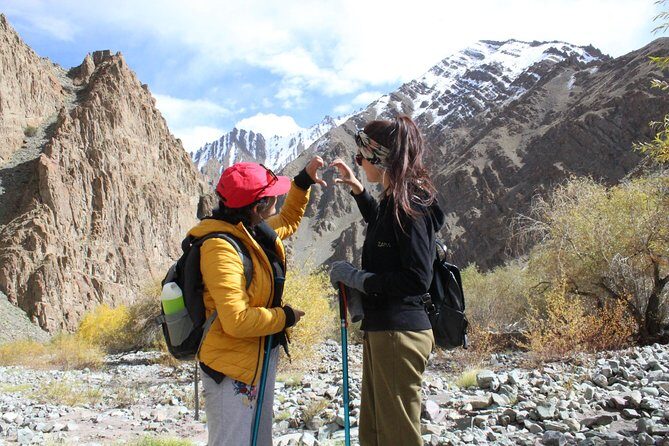
I also like that the basics are handled for you. You get walking sticks to help on the rocky parts, plus a provided packed lunch so you can keep energy up on the climb and descent. In the same spirit, the guides I’ve come across for this route are strong at keeping you on track—one guide named Aijaz was noted for clear English and supportive leadership, and another named Padma was praised for helping a solo trekker finish on time and with enough energy when weather made things harder.
Key points to know before you go
- Private pacing: you hike with only your group, so you can stop for photos and stretch without feeling rushed
- Big views for a short day: the climb brings you to Gyamtsa La (4,800m) with panoramic Indus Valley and Ladakh Range outlooks
- Rocky uphill is real: expect steep sections and uneven footing, especially on the way up
- Smart support included: walking sticks and a provided packed lunch cut down on what you must carry
- Wildlife and fauna spotting: the route through the valley gives chances to look for animals along the trail
- A clean finish: after reaching Phyang Village, you’re picked up by vehicle and returned to Leh
You can also read our reviews of more hiking tours in Leh
Why Gyamtsa to Phyang works so well for a one-day trek
This trek is built for the kind of visitor who wants a real Ladakh hiking day but doesn’t want to commit to a multi-day itinerary. You get the full formula: altitude, a pass, a long-ish climb, a descent, and sweeping views—without the logistical load of camping and extra transfers.
What makes it practical is the starting point. Gyamtsa sits at about 3,900m, roughly 3 km north of the Leh city center. That proximity matters. You’re not spending half your day just getting to trailhead. Instead, your day starts early, you’re in the mountains soon, and you still end with a vehicle back to Leh.
Also, Ladakh at this altitude changes fast. Even in a short window, light, wind, and temperature can shift. The route gives you a built-in rhythm: valley walking, a steady rise to the pass, a break, then a long descent toward Murubrok and down to Phyang Village.
Getting to Stok and starting right at 8:00 am
Your day begins with a pickup arrangement from your accommodation in Leh, and you’re pointed toward the Ladakh Backpackers Office meeting point near Changspa Road. The start time is 8:00 am, which is a smart choice here. Early light usually means steadier conditions, and you’re more likely to enjoy the views around the pass before the day heats up or wind picks up.
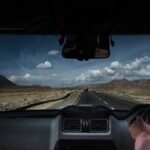
Once you’re in the vehicle, you head toward Stok village, where the hiking starts. You’re not thrown into the trek immediately. There’s time to settle, get oriented, and let the guide explain the plan. That small lead-in can make a difference, especially if you’re still adjusting to altitude.
This is also set up as a private tour/activity, meaning it’s just your group. If your group has different walking speeds—one person who wants to move fast and another who likes photo stops—that matters. You won’t have to constantly renegotiate pace mid-trek.
From Gyamtsa (3,900m) to Gyamtsa La (4,800m): the main climb
Here’s the core of the day. You begin at Gyamtsa (3,900m) and start walking through a valley. The route is described as taking about 2–3 hours through this valley scenery, which is useful because it gives you time to settle into the effort before the steepest push.
During this phase, you’ll be looking out for diverse flora and fauna. That matters because it changes the trek from a pure grind into something more observational. The best way to enjoy this part is to treat it like a slow drive with legs: pause when you spot motion, scan the slope lines, and keep your eyes up for animals rather than only staring at the ground.
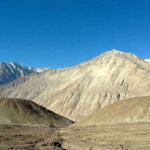
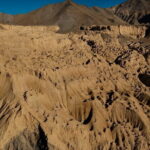
Then the trail gradually ascends toward Gyamtsa La (4,800m). At the pass, you get the big payoff: panoramic views of the Indus Valley and the Ladakh Range. You’ll also see the main route leading to Lasermo La, which gives you that cool sense of how these Ladakh trails connect across valleys and passes. It’s a reminder that you’re not just hiking in one isolated patch—you’re walking within a network of routes carved by geography and weather.
There’s a break at the pass. Use that time wisely. If you rush the stop, you miss the whole point. Take a few photos, but also take a few minutes to breathe, hydrate, and check how your body feels at altitude. If you start feeling lightheaded or overly winded, slow down more for the descent.
Murubrok and the descent into Phyang Village
After the pass break, the trek turns downhill. The plan describes a descent toward Murubrok (around 3,900m), then continuing until you reach Phyang Village.
This is where your technique counts. Going down is often harder than it looks because your knees and feet absorb more impact on rocky trail. The provided walking sticks are especially useful here. They help you keep balance on uneven ground and reduce strain when the slope steepens.
Mentally, I recommend treating the descent like a separate trek. Don’t keep the same pace as the climb. Focus on steady steps and controlled breathing. When you get lower, the air may feel easier, but rocky footing stays rocky.
When you arrive in Phyang, the day wraps cleanly. A vehicle is waiting to drive you back to Leh. That matters because it prevents the classic one-day-trek problem: you arrive spent and still have to solve transport. Here, the finish is planned.
Views, wildlife spotting, and the weather reality check
This route earns its reputation for scenery, but I want to be clear about the real Ladakh variable: weather. The trek requires good weather, and the nature of the region means wind and temperature can shift. One guide-led experience noted that the trek was tough because of temperature and weather, but that the guide support made it manageable.
So what should you watch for?
- Sun and wind: high altitude plus open views can mean fast temperature swings
- Rocky footing: plan for uneven ground, not smooth paths
- Energy management: eat and drink before you feel hungry or thirsty
The good news is that you’re not alone out there. A guide is included, and the hiking format—private group, paced at your speed—helps you avoid the stress of keeping up. If you’re prone to pushing through too hard, this setup can actually protect you. You can stop when you need, not when the group does.
Wildlife spotting adds another layer of fun. The trail through the valley and the wider open areas near the route give opportunities to look for animals. You won’t get a guarantee, but the trek design encourages it. Bring your attention, not just your camera.
Price and what $99 really covers (and why it’s decent value)
The listed price is $99 per person for an approximate 6-hour experience. On its face, it’s not a huge expense, but the real value comes from what’s included.
You get:
- Private transportation
- A trek guide
- A packed lunch
- Walking sticks
For a one-day hike in Ladakh, those inclusions matter. Trail days often cost you twice: first in gear you didn’t plan to rent, then again in last-minute logistics. Here, you’re covered with poles and lunch, and you don’t have to figure out the transport puzzle to the trailhead and back.
Also, a private setup usually means less hassle in practice. You can move at your speed and spend more time where you want, like the views around the pass. That’s part of the value you can feel during the day, not just something listed on paper.
If you’re traveling with friends or family, check whether group discounts apply to your booking. Even without details on how they scale, the fact that discounts exist means you might be able to keep the cost reasonable when you fill a small group.
What to pack and how to pace yourself for a rocky, high pass
The trek is described as moderately challenging, and it includes a significant altitude gain to 4,800m. That combination means you should pack like you’ll be outside for a long morning and early afternoon, not like you’ll be out for an hour or two.
The essentials you should bring are:
- Plenty of water (the route notes you should carry it)
- Layers for temperature changes at altitude
- Something warm for wind near the pass
- Footwear with good grip for rocky sections
Pacing tips that help on this route:
- Go slow on the rise to the pass. The rocky trail is easier when you don’t sprint your breathing.
- Take your break at the pass seriously. Hydrate and eat, don’t just stand for photos.
- On the descent, shorten your stride. Let your sticks take some of the load.
And if you’re worried about stamina, you’re not alone. The guide can shape the day to how you feel. One experience highlighted that a guide helped a solo trekker finish in proper time and with proper energy, which is exactly what you want when weather or temperature pushes harder than expected.
Who this trek is best for (and who might want an easier plan)
This one-day hike fits best if you’re active and can handle 5–6 hours of walking with uphill and rocky trail sections. It also helps if you like structured days with a clear start and finish—because you’re picked up, hike, lunch, pass, descent, then back to Leh by vehicle.
You’ll probably enjoy it most if:
- You want Ladakh hiking without multi-day commitment
- You’re comfortable with altitude and want a day that includes a pass
- You appreciate a guide-led plan and included support like sticks and lunch
- You like the idea of a private group pace
If you’re looking for something extremely gentle or mostly flat, this probably won’t feel right. The uphill and uneven footing are part of the experience. In that case, you might want a different type of day trip.
Should you book this one-day Ladakh trek?
I think you should book it if you want a high-altitude Ladakh hiking day that’s efficient, supported, and built around great views. The combination of private transportation, walking sticks, and a packed lunch makes the trek feel practical, not complicated. And with a guide included, you’re more likely to finish feeling proud rather than scraped up and stressed.
You might skip it if you know you struggle with rocky downhill, or if you’re highly sensitive to temperature and weather changes at elevation. The trek does depend on good conditions, and the climb can feel tough when the day turns.
If you’re an active traveler who wants Gyamtsa to Phyang for the right reasons—views, a pass, and a real hiking morning—this is a strong fit.
FAQ
What time does the trek start?
It starts at 8:00 am.
How long is the overall experience?
The duration is listed as about 6 hours (approx.), including hiking and the return drive.
Is this trek private?
Yes. It’s a private tour/activity, and only your group will participate.
What’s included for the hike itself?
Included items are private transportation, a packed lunch, walking sticks, and a trek guide.
Where does the trek start and end?
The hike starts near Gyamtsa (at the Stok village starting point for the trek), and it ends back at the meeting point in Leh after a vehicle drive from Phyang Village.
What if the weather is poor or I need to cancel?
The experience requires good weather. If it’s canceled due to poor weather, you’ll be offered a different date or a full refund. Cancellation is free up to 24 hours in advance for a full refund.