REVIEW · MUMBAI
Private Maharashtrian Cooking Class in Mumbai with a Local Family
Book on Viator →Operated by Traveling Spoon · Bookable on Viator
Mumbai smells like spices and home cooking. In a private Maharashtrian cooking class in Mumbai, you get hands-on lessons inside a local home, not around a tourist counter. You’ll learn two regional dishes, meet the ingredients up close (if you pick the market option), and finish with a full sit-down meal that feels like dinner with friends.
What I like most is the focus on home methods: you’re shown how spices get used, how textures are judged, and how thecha and sides fit together. I also love that the host is the star of the show. Rupa has been hosting friends, family, and strangers for over 2 decades, and other cooks named Reshma and Shilpa are described as warm teachers who explain the steps clearly. One thing to consider: there’s no hotel pickup, so you’ll need to plan your own way to the meeting point near Kurla.
In This Review
- Key Things That Make This Cooking Class Worth It
- A Mumbai Home Kitchen, Not a Cooking Show
- How the Timing Works: 3 Hours in a Real Rhythm
- Chembur Fish Market Option: Shopping Like Locals
- Your Two Dish Plan: What You’ll Actually Cook
- Thecha, Gravies, and How Maharashtrian Flavor Gets Built
- Drinks and Desserts: Ending on Sweet and Cool
- Vegetarian Option: What You Need to Tell Them
- Where You Meet and How You’ll Get There
- Price and Value: Why $64 Can Make Sense
- The Best Fit: Who Should Book This
- Should You Book This Maharashtrian Cooking Class in Mumbai?
- FAQ
- How long is the cooking class?
- Is this a private experience?
- What dishes will I learn to cook?
- Is the Chembur market visit included?
- Where do we meet?
- Do you provide hotel pickup and drop-off?
- Can the host accommodate a vegetarian diet?
- What should I expect to eat?
- When will I get confirmation?
- What is the cancellation policy?
Key Things That Make This Cooking Class Worth It
- Two regional Maharashtrian dishes cooked hands-on, with a clear 1.5-hour teaching block
- Optional Chembur fish market visit to shop for the day’s ingredients before cooking
- Homemade spices and family recipes, explained with real cooking logic, not generic tips
- Seasonal menu choices, so you’re cooking what locals actually make at that time of year
- Thecha and local sides that turn simple ingredients into proper Maharashtrian comfort food
- A host approach that’s about conversation and care, with cooks like Rupa, Reshma, and Shilpa highlighted in experiences
A Mumbai Home Kitchen, Not a Cooking Show
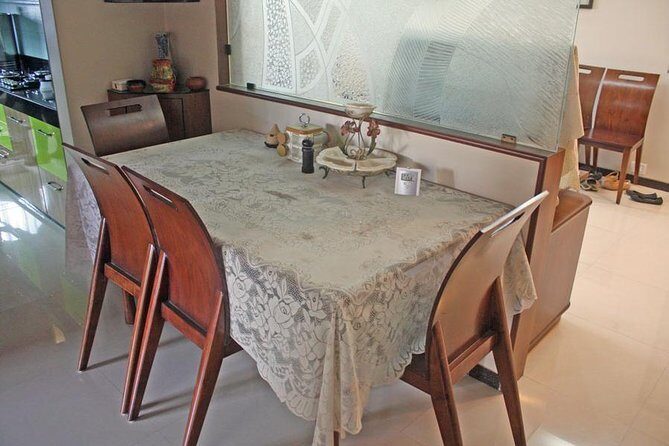
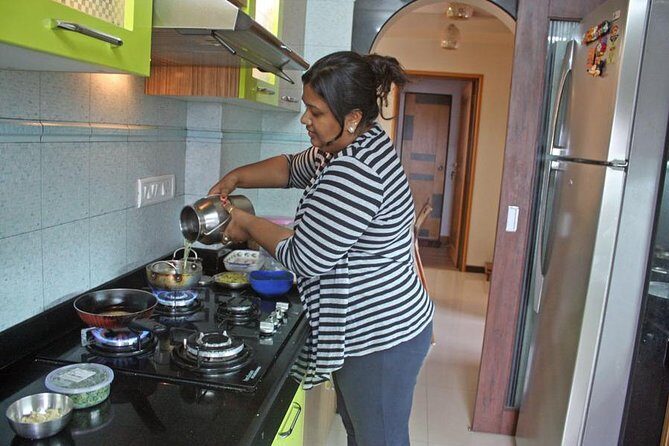
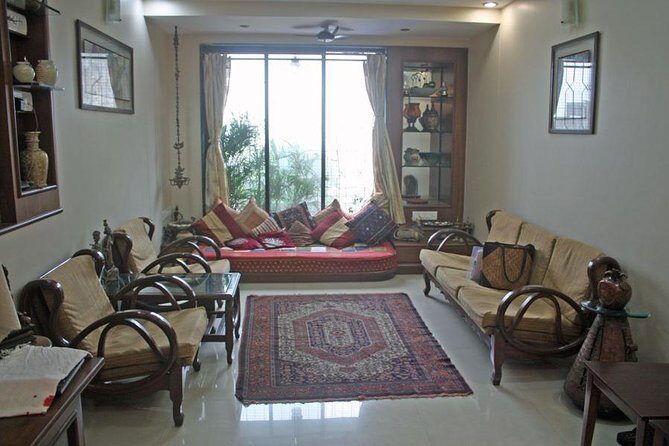
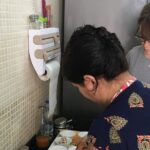
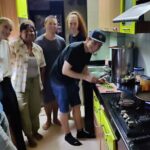
This experience is built around the idea that food is learned at home. You’re welcomed into a beautifully designed house kitchen, then taken step by step as you cook two Maharashtrian dishes. The goal isn’t flash. It’s flavor control: how to build taste with spices, how to manage heat, and how to judge when something is ready by smell and texture.
The best part for you, especially if you’ve ever cooked Indian food from recipes that don’t match what you taste in restaurants, is that this is grounded in household routines. You’ll be working with local ingredients and homemade spice mixes, which means the end result usually tastes like what you expect from Maharashtra rather than a simplified tourist version.
You’ll also get a sense of how Mumbai homes eat. The meal isn’t just the dishes you cooked. You might get drinks like piyush (thickened yogurt with buttermilk-style tang) or kokum sharbat (a cooling drink), plus sides and chutneys that make the whole table feel complete.
You can also read our reviews of more private tours in Mumbai


How the Timing Works: 3 Hours in a Real Rhythm
The class runs about 3 hours total, with around 1.5 hours of hands-on cooking. That’s a sweet spot. Long enough that you can actually learn technique and not just watch. Short enough that you don’t feel wrecked by the end.
Expect the flow to look like this:
- You arrive and settle in.
- You get oriented to the kitchen, ingredients, and spice approach.
- You cook your two dishes with direct help.
- You eat the home-cooked meal afterward, often with local drinks, sides, and dessert.
If you select the market option, add time for the drive and the guided shopping stop at the Chembur fish market. The rest of your day still stays anchored in cooking and eating, not museum-style wandering.
Chembur Fish Market Option: Shopping Like Locals
If you want the extra context, choose the market visit. You meet the host at her apartment, then you drive together to the Chembur fish market for a guided tour. You’ll be introduced to the fresh catch of the day and brought to favorites for ingredient shopping.
Why this matters: Mumbai food isn’t just about spices. It’s also about ingredient quality. In many homes, the day’s menu starts with what looks and smells best that morning. When you shop the market with someone who already knows which vendors are reliable, you end up understanding the choices behind the meal.
One practical consideration: fish markets are busy and can be smelly. If you’re sensitive to strong odors, go in expecting that. Still, if you want the full picture of how everyday Indian cooking starts, this is the part that makes everything click.
Your Two Dish Plan: What You’ll Actually Cook
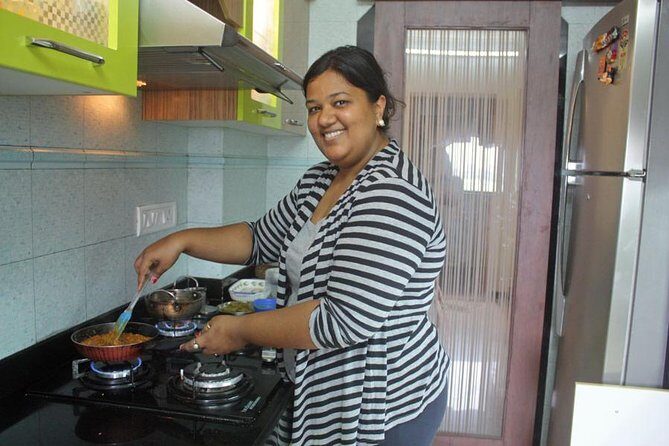
The menu can vary by season, but the structure stays consistent: you learn to make a seasonal vegetable dish and a main protein dish. That may be fish, chicken, or another option depending on what’s available.
Depending on the day and season, your class may include combinations like:
- A vegetable fry or stir-fry such as suran kaap (yam fry)
- A spiced leaf dish like alu vadi (colocasia/taro root leaves, spiced and prepared)
- A hearty meat curry such as mutton keema che muthe (spiced minced mutton) or a gravy with mutton/chicken/fish/crab
- A condiment-style add-on that brings heat and crunch, often something like thecha (green chillies, peanuts, garlic)
You’ll also likely see sides that balance the meal:
- Rice or roti
- A cucumber salad such as khamang kakdi
- The kinds of cooling drinks that help tame spice on a warm Mumbai day
What makes this useful for you after the tour: once you know the logic behind a vegetable + protein pairing and the role of condiments like thecha, you can recreate the style at home even if you’re swapping ingredients.
Thecha, Gravies, and How Maharashtrian Flavor Gets Built
A lot of people think of Indian food as a single flavor profile: spicy. This class shows you the bigger picture. Maharashtrian cooking often layers flavors in ways that feel balanced, not just hot.
For example, you might work with:
- A gravy that’s spice-forward but not one-note
- A protein dish that depends on correct spice timing
- A vegetable dish where texture matters as much as taste
Then there’s thecha, which often shows up as a condiment made with green chillies, peanuts, and garlic. It’s the kind of item that makes you understand why people don’t eat everything the same way. You don’t just add salt and heat; you add aroma, crunch, and freshness.
If you like to cook, you’ll probably leave with a stronger sense of how to adjust. When a dish needs more punch, it’s often chillies or acid or aromatics—not just more spice powder.
You can also read our reviews of more cooking classes in Mumbai


Drinks and Desserts: Ending on Sweet and Cool
One big reason this is more than a cooking workshop is the way the meal finishes. You’re not rushing through dessert because you should catch a bus. You’re eating like someone planned the day.
You might start or break during the meal with:
- Piyush, a drink made with thickened yogurt and buttermilk-style flavors
- Kokum sharbat, a cooling drink often used to beat the heat and calm the palate
And then dessert could be:
- Bhoplyachi kheer (pumpkin pudding)
- Sago kheer (a pudding with sago texture)
- Paan, a traditional mouth freshener
For you, this is practical tasting education. You’ll notice how the meal balances heat with cooling drinks and ends with sweet comfort. That matters if you ever want to recreate the dining rhythm at home.
Vegetarian Option: What You Need to Tell Them
You can request a vegetarian diet. The key is timing: mention restrictions and preferences at booking so the menu can be adjusted.
Here’s the helpful part for you to know: because the core structure is vegetable + protein, a vegetarian version will focus on seasonal vegetables and likely swap out seafood or meat dishes. Since the menu is seasonal, it’s better to plan for variety rather than expecting one fixed list.
If you’re vegetarian and also have allergies, you’ll want to clearly share them when you book. The hosts can only work with what they know in advance.
Where You Meet and How You’ll Get There
The meeting point is Shell Colony, Sahakar Nagar, Kurla, Mumbai. The activity ends back at the meeting point. There’s no hotel pickup and drop-off, so you should plan your own transport.
Good news: it’s near public transportation, and it’s close to NMACC Mumbai (about 20 minutes by car/auto). For travelers who are staying around Kurla or planning to visit NMACC, this location can fit neatly into your day.
If you’re trying to time it perfectly with other plans, build in extra buffer. Mumbai traffic can stretch travel times, especially during peak hours.
Price and Value: Why $64 Can Make Sense
At $64 per person, this isn’t a cheap snack tour. But it also isn’t overpriced if you compare it to what you’re buying.
You’re getting:
- A private cooking lesson with a local family host
- A guided (optional) trip to the Chembur fish market
- A home-cooked meal and local drinks
- Ingredient and cooking guidance, including homemade spice use
For many people, the value comes from learning the how. It’s not just eating. You’re watching how dishes are built, and you’re making them with support. That’s hard to replicate with a standard restaurant dinner where you only get flavor, not technique.
If you’re traveling as a couple or small group, private formats tend to feel more worth it. You get more attention, and you can ask questions without feeling rushed.
The Best Fit: Who Should Book This
This is a great match if you:
- Want real Maharashtrian home cooking, not a watered-down version
- Love learning spices and technique, not just collecting recipes
- Prefer a private, calm setting over a loud group class
- Like the idea of shopping ingredients with a guide before cooking (market option)
It may be less perfect if you:
- Need hotel pickup or very simple door-to-door logistics
- Don’t enjoy markets, strong smells, or busy public spaces (especially on the fish market visit)
- Have complex dietary needs and haven’t shared them in advance
Should You Book This Maharashtrian Cooking Class in Mumbai?
If your goal is to eat well in Mumbai and also take something practical home, I think this booking can be a smart use of time. The class gives you hands-on learning, a full meal, and a local-home setting where food isn’t treated like a product.
Pick the market option if you want the extra layer: it turns the cooking lesson into a story that starts with ingredient freshness. Skip it if you just want the comfort of cooking and eating without the added market atmosphere.
With a private format and seasonal menu flexibility, this experience fits travelers who want honest flavor and a real connection to how Mumbai households cook.
FAQ
How long is the cooking class?
It runs for about 3 hours in total, with around 1.5 hours of hands-on cooking.
Is this a private experience?
Yes. It’s private and personalized, with only your group participating.
What dishes will I learn to cook?
You’ll learn to make two regional Maharashtrian dishes. The specific menu can vary by season, but you may cook a seasonal vegetable dish and a fish or chicken dish. Examples listed include suran kaap, alu vadi, and mutton keema che muthe, plus various gravies.
Is the Chembur market visit included?
The market visit is optional. If you choose it, you drive to the Chembur fish market for a guided tour to pick up fresh ingredients.
Where do we meet?
You meet at Shell Colony, Sahakar Nagar, Kurla, Mumbai, Maharashtra, India. The activity ends back at the meeting point.
Do you provide hotel pickup and drop-off?
No. Hotel pickup and drop-off are not included.
Can the host accommodate a vegetarian diet?
Yes, vegetarian diets can be accommodated on request. You should inform the host in advance about dietary restrictions or allergies.
What should I expect to eat?
After cooking, you’ll enjoy a homecooked meal that can include items like rice or roti, thecha, khamang kakdi, and dishes such as fish or chicken or mutton gravies. Dessert may include bhoplyachi kheer or sago kheer, and paan may be served.
When will I get confirmation?
Confirmation is received within 48 hours of booking, subject to availability.
What is the cancellation policy?
You can cancel for a full refund up to 24 hours before the experience’s start time. After that window, refunds aren’t available.