REVIEW · DARJEELING
Darjeeling Tea Garden Tour
Book on Viator →Operated by IMPRESSION TOURISM SERVICES (INDIA) PVT. LTD. · Bookable on Viator
Tea gardens in Darjeeling sit closer than you think. This day tour leads you to a tea garden view at about 6,400 ft, so you get mountain air and big scenery without needing a complicated escape from town. I like that the garden is practically in the middle of Darjeeling life, with the zoo nearby, plus the day is built around calm walking time and wildlife-spotting moments.
My second favorite part is the tea processing tour, where you get to follow how leaves are withered, rolled, dried, sorted, and packaged. It’s the kind of explanation that helps you understand why two Darjeeling teas can taste so different. One watch-out: the price covers transport and admission, but it does not include lunch or tea/coffee, so you’ll want to budget time and snacks for the long 7-hour stretch.
In This Review
- Key highlights you’ll notice fast
- Central Darjeeling tea gardens at 6,400 ft
- What happens in the tea factory (and why it changes how you taste)
- The 7-hour flow: a morning start with enough time to enjoy
- Makaibari / Ambootia: higher elevation, higher expectations
- Price and logistics: what you’re paying for at $53.91
- Wildlife time: a quiet bonus on the tea routes
- Tea shopping reality check (and how to avoid buyer’s remorse)
- Who should book this tea garden day
- Quick tips to make the day feel easy
- Should you book the Darjeeling Tea Garden Tour?
- FAQ
- What time does the Darjeeling Tea Garden Tour start?
- How long is the tea garden experience in Darjeeling?
- Is pickup included in the tour?
- What’s included in the price?
- Are lunch or drinks included?
- What tea processing steps will I see?
- Is this tour private?
Key highlights you’ll notice fast
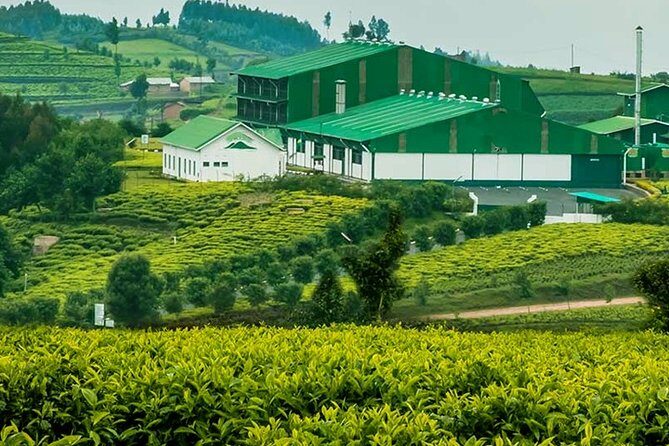
- Central Darjeeling tea garden at roughly 179.36 hectares, high on the hills and close to town sights
- Full tea workflow you can visually connect to the flavor later: withering → rolling → drying → sorting → packaging
- Makaibari / Ambootia focus as a top regional estate, produced at the highest elevation in the area
- A real morning start around 8:30am, with a full day of countryside views
- Private group feel where your group stays together during the day’s route
- Wildlife-friendly walking time, not just a quick photo stop
Central Darjeeling tea gardens at 6,400 ft
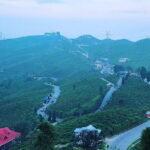
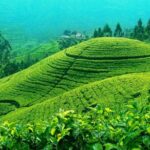
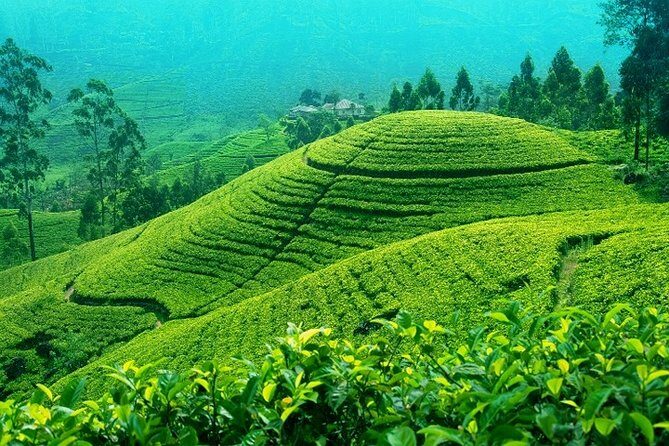
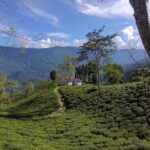
Darjeeling’s tea world can feel hard to pin down until you’re standing in it. What I like here is how this tour puts you in a tea garden that’s specifically described as being in the heart of Darjeeling town. The garden sits at about 6,400 ft, and it spans 179.36 hectares—big enough that you’re not just hopping between a couple of photo angles.
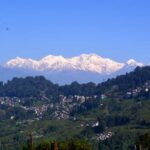
Elevation matters. At this height, the air tends to feel different from the lower parts of town, and that makes the visit feel like a mini escape even when you’re not traveling far. You also don’t need to treat this as an intense trek. It’s more of a “see, learn, and enjoy the grounds” kind of day.
The location detail is also practical. This tea garden is described as being a stone’s throw from the zoo. That means the day doesn’t require you to build your whole schedule around the garden. You can fit it smoothly into a Darjeeling stay, especially if you’re trying to avoid over-stacking early-morning plans.
You can also read our reviews of more tours and experiences in Darjeeling.
What happens in the tea factory (and why it changes how you taste)
The tour’s hook is the processing view, and it’s worth paying attention because tea is not magic. It’s steps—each one shaping the leaf and the final cup.
You’re invited to watch the factory process where the leaves are:
- Withering
- Rolling
- Drying
- Sorting
- Packaging
Even without getting lost in technical terms, you can walk away with a clearer mental picture of what you’re tasting. For example, if you’ve ever wondered why some teas feel more delicate while others taste stronger or more brisk, processing is one of the biggest reasons.
This is also where the tour feels most “tourism,” in a good way. You’re not only looking at tea bushes from afar. You’re seeing how the product gets made. That turns the visit from scenery into understanding, and it makes photos more meaningful because you’re capturing the plant and then the transformation.
The 7-hour flow: a morning start with enough time to enjoy
The day runs about 7 hours and starts around 8:30am, which is ideal in Darjeeling. You get daylight before crowds build, and you’re not rushing through the process part in the heat of the afternoon.
Your day typically follows this rhythm:
- You’re collected with an air-conditioned vehicle (pickup is offered), so you’re not piecing together public transport.
- You arrive for the main tea-garden viewing time, positioned as a stop that gives you a glimpse into how tea fits into the local landscape.
- You spend time around the processing/factory learning segment—where the steps of withering, rolling, drying, sorting, and packing are part of the experience.
- You stay in the area long enough for a relaxed pace, including time to watch for wildlife in the grounds.
Because lunch isn’t included, I recommend treating this like a full-day plan with breaks you’ll need to manage yourself. If you rely on snacks later, the lack of included food can feel more stressful than the price suggests.
Makaibari / Ambootia: higher elevation, higher expectations
The tour information specifically highlights Makaibari / Ambootia Tea Estate and factory and notes that it is the highest in the region. It’s also described as producing the finest quality Darjeeling tea.
You don’t need to take that as a marketing slogan alone. In tea-growing, elevation affects growing conditions, and those conditions often influence flavor and aroma. So when your day is framed around a “highest in the region” estate, it sets up a logical narrative: you’re seeing a tea garden environment and then learning how it’s processed.
Even if you’re not a tea nerd, this detail helps you notice what’s different. Higher gardens often mean cooler, steadier conditions and a slower rhythm to the plants. Combine that with factory processing and you start to connect the dots between where the leaf grew and what ends up in the cup.
Price and logistics: what you’re paying for at $53.91
At $53.91 per person, the value depends on what you want from the day.
Here’s what you do get:
- Air-conditioned vehicle
- Admission ticket included
- A day centered on a tea garden view plus the processing experience
- Mobile ticket
- Private tour/activity, meaning it’s only your group
Here’s what you should remember is not covered:
- Lunch
- Coffee and/or tea
- GST
- Parking fees
- Airport/departure tax
- WiFi on board
For many visitors, transport plus admission is the biggest chunk of the fee. The factory/process learning component is what makes it feel more complete than a simple garden photo stop.
The one place the price can surprise you is food. Since lunch and tea/coffee aren’t included, your total day cost can climb a bit if you end up buying meals in Darjeeling after a long morning. If you’re traveling with kids or you know you get hungry easily, that matters.
Also note the basics: you’ll want to plan for being offline if you rely on WiFi. The tour also lists the experience as near public transportation, which can help as a backup if pickup changes—but pickup is offered, so you likely won’t need that.

Wildlife time: a quiet bonus on the tea routes
One detail that makes this tour feel more “Darjeeling” than “just tea” is the invitation to spend time with family and friends while watching wildlife. Tea estates sit on slopes and edges of forests, and that often means animals show up where you’d least expect—especially in the early part of the day.
This isn’t presented as a dedicated wildlife safari, so keep expectations practical. Think of it as: you’re walking around a working tea landscape, and sometimes the landscape shares the stage.
If you want better odds of seeing something, wear shoes you can walk in comfortably and keep your eyes up when the road turns or you reach a viewing point.
Tea shopping reality check (and how to avoid buyer’s remorse)
A strong theme in one of the comments you shared is skepticism around buying tea on the spot—specifically a warning that what’s sold or presented may not match what you expect. I can’t confirm what any seller is doing, but I can tell you this: on tea tours, it’s common to see tea sales.
So here’s the practical approach I’d take if you want to bring something home:
- Treat any purchase as optional, not automatic.
- If you buy, ask what you’re getting and consider tasting logic over promises.
- If the goal is learning and scenery, you can leave with photos and knowledge and skip the shopping pressure altogether.
Also, since coffee and tea are not included in the price, don’t assume you’ll be served a cup as part of the tour. If tasting is important to your plan, decide ahead of time how you’ll handle refreshments.
Who should book this tea garden day
This works well if you fit one of these profiles:
- You want a tea processing explanation, not only scenic photos
- You like slow sightseeing days with time for views and a bit of wildlife watching
- You’re visiting Darjeeling and want a focused day centered on tea culture
- You’re traveling as a small group who wants the feel of a private outing
It also says that most travelers can participate, so this is not described as an ultra-technical hike. If you have mobility limitations, you’d still want to ask about walking time in the garden areas, since the exact ground conditions aren’t spelled out.
Quick tips to make the day feel easy
This is a high-altitude tea experience, so a few basics go a long way:
- Bring layers. Cool mornings at 6,400 ft can turn into mild afternoons.
- Wear shoes for uneven ground. Tea garden paths can be rocky or sloped.
- Plan for food. Because lunch isn’t included, pack a light snack or plan where you’ll eat before the end of the day.
- Keep a camera ready, but also keep time for looking. The factory part is more interesting when you slow down and connect it to the plants.
Finally, start with a clear goal: are you there to learn, to photograph, or to shop? If you decide upfront, you’ll enjoy the day more and feel less pulled by sales.
Should you book the Darjeeling Tea Garden Tour?
Book it if you want a single, well-structured tea day that combines garden viewing with a hands-on look at processing steps like withering and rolling. The included admission and air-conditioned transport make it simpler than building your own route, and the morning start gives you time to enjoy the grounds instead of rushing.
Skip or rethink it if you’re hoping the tour price covers all meals and free tastings. With lunch and tea/coffee not included, you’ll likely spend a bit extra to keep your day comfortable. And if tea buying pressures make you uncomfortable, go in with a calm plan: treat shopping as optional, and focus on the learning first.
If you’re excited by altitude views and you like seeing how products are actually made, this is an easy “yes” for many Darjeeling trips.
FAQ
What time does the Darjeeling Tea Garden Tour start?
The tour start time is 8:30 am.
How long is the tea garden experience in Darjeeling?
The duration is about 7 hours.
Is pickup included in the tour?
Pickup is offered, and the tour includes an air-conditioned vehicle.
What’s included in the price?
The admission ticket and air-conditioned vehicle are included. You’ll also receive a mobile ticket.
Are lunch or drinks included?
No. Lunch and coffee and/or tea are not included.
What tea processing steps will I see?
You’ll be invited to look at the process steps including withering, rolling, drying, sorting, and packaging.
Is this tour private?
Yes, it’s a private tour/activity, so only your group participates.