REVIEW · MUMBAI
Mumbai heritage walk- Story of Gothic and Art Deco buildings
Book on Viator →Operated by 5 Senses Walks, Mumbai · Bookable on Viator
A few buildings in Mumbai feel like they grew out of the skyline, not the ground. This Gothic-and–Art Deco walk strings them together with practical context on how the city developed, and it keeps it fun with snacks and storytelling.
I love the way the tour blends Victorian Gothic Revival details with the later shift to Art Deco forms you can spot fast once someone points them out. The group stays small (max 15), so you get a real sense of what you are seeing, not just a recitation of dates.
One heads-up: most stops are viewed from the outside, and even places with indoor spaces may be limited to seeing the lobby or exterior areas, so if you want heavy interior time, you will need to plan other add-ons.
In This Review
- Key highlights to look for
- A 3-hour walk through Mumbai’s Gothic and Art Deco skyline
- Why Gothic and Art Deco matter in Mumbai (not just style)
- Stop 1: Chhatrapati Shivaji Terminus (CST) and the Gothic blend
- Stop 2: Eros Cinema’s tiered Art Deco drama
- Stop 3: Empress Court and what Art Deco meant for living
- Stop 4: Bombay High Court and the meaning of Justice and Mercy
- Stop 5: Rajabai Clock Tower, Big Ben energy, and a human story
- Stop 6: David Sassoon Library and the limits of access
- Stop 7: Elphinstone College and Gothic learning
- Stop 8: Prince of Wales Museum building (now Chhatrapati Shivaji Maharaj Vastu Sangrahalaya)
- What you’ll notice during the walk (and how to prepare your eyes)
- Value check: is $35 a good deal?
- Best for who? Great matches and who may want something else
- Should you book this Mumbai Gothic and Art Deco heritage walk?
- FAQ
- How long is the Mumbai heritage walk?
- What does the tour cost?
- Where does the tour start and end?
- How big is the group?
- Is admission included to all buildings?
- Will we go inside any buildings?
- What architectural styles does the walk focus on?
- Are snacks provided?
- Is the tour affected by weather?
- Can I cancel for a full refund?
Key highlights to look for
- Chhatrapati Shivaji Terminus (CST): Victorian Gothic Revival with Indian design influences, plus UNESCO-level wow.
- Eros Cinema’s Art Deco tiers: the wedding-cake look, topped with a semi-circular tower.
- Empress Court’s status signal: learn how Art Deco apartments became a wealth marker.
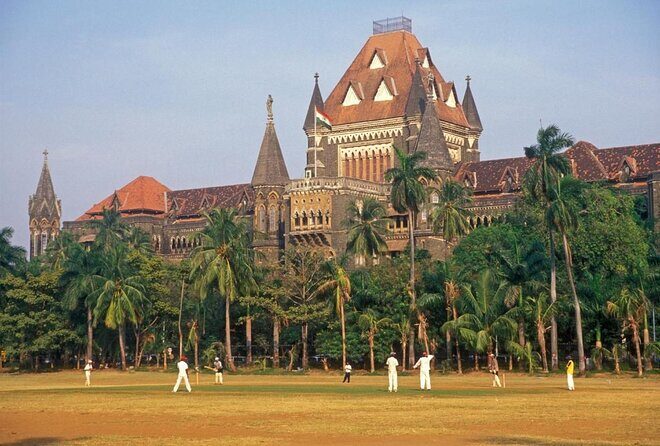
- Bombay High Court symbols: statues of Justice and Mercy on the façade.
- Rajabai Clock Tower’s story: how it was financed to support a visually challenged mother’s listening and fast-keeping.
- David Sassoon Library from the lobby: Gothic form, with limited interior access by membership rules.
A 3-hour walk through Mumbai’s Gothic and Art Deco skyline
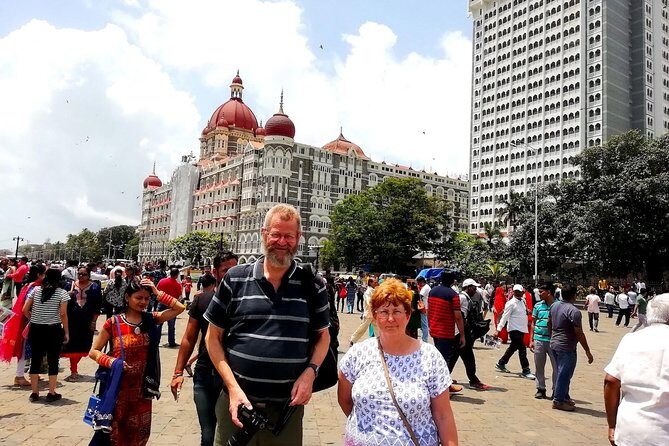
This is a compact, well-paced heritage walk that’s built for people who want more than a checklist. In about 3 hours, you move through a cluster of famous buildings around Fort, and you learn how those architectural choices connect to Mumbai’s shift into a major trading center.
The price, at $35 per person, is actually easier to justify once you think about what you get: a guided route with interpretation, snacks included, and a small group size that helps you see details instead of rushing past them. Also, CST is the one stop where an admission ticket is included, which helps offset the cost.
When the guide is strong, the whole walk clicks. In the best moments, your guide does what great guides do: points out a façade detail, then explains why it matters in the city’s story. If you are lucky enough to get Pankaj, you will likely appreciate how he keeps the facts moving and answers questions without turning it into a lecture.
You can also read our reviews of more walking tours in Mumbai



Why Gothic and Art Deco matter in Mumbai (not just style)
Architecture here is not only decoration. In this part of Mumbai, buildings are like public announcements: we have arrived, we have money, we have institutions, and we want to be seen.
The Gothic phase (especially Victorian Gothic Revival) shows up as pointed arches, spires, and sculpted ornamentation. But in Mumbai, those shapes are not copied blindly. At CST, for example, you get Gothic ideas blended with design themes drawn from Indian traditions. That mix is a huge part of why CST feels so distinctive rather than generic.
Then comes Art Deco—cleaner lines, stepped silhouettes, and a look that feels modern for its era. You can spot it at Eros Cinema with its tiered, cake-like rise. And at Empress Court, the Art Deco style is tied to a social idea: living there used to be a status marker.
Stop 1: Chhatrapati Shivaji Terminus (CST) and the Gothic blend
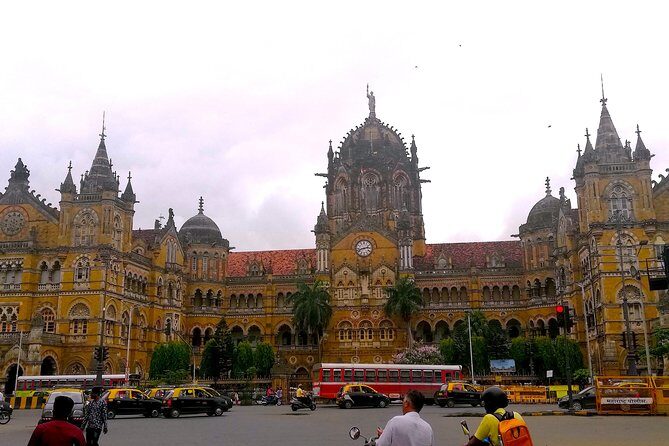
Your walk starts at Chhatrapati Shivaji Maharaj Terminus area (often still referred to as CST). This is a UNESCO heritage building and one of the best examples of Victorian Gothic Revival architecture in India.
What I like about this opening stop is that it sets the rules for the rest of the walk. You learn what to look for: the Gothic vocabulary, the way ornamentation is used, and how the building references Indian themes rather than staying purely European. Even if you have seen grand stations before, CST has enough visual tension—Gothic forms plus Indian influences—that it feels specific to Mumbai.
Admission is included here, and the timing is about 30 minutes, which is long enough to take in the façade and still get the story behind it without feeling rushed.
Stop 2: Eros Cinema’s tiered Art Deco drama
Next you head to Eros Cinema. You will see it from the outside, and it is an easy building to remember because it looks like it has been arranged in layers. The Art Deco design rises in tiers, and it is capped with a semi-circular tower.
The tour’s interpretation helps you read the building like a clock face: the structure is arranged to create rhythm and height, and those design choices match the era’s taste for streamlined glamour. If you only glance, it can look like a pretty theater. If you glance with the right cues, it becomes an example of how Art Deco communicated modern confidence.
This stop is around 30 minutes. There is no admission ticket included, since you are focused on the exterior view and design features.
Stop 3: Empress Court and what Art Deco meant for living
From Eros Cinema, the walk continues to Empress Court, another Art Deco landmark you view from outside. The key point here is social, not just architectural. Art Deco apartments like this were once a symbol of status and wealth.
That’s a useful lesson for your eyes. When you understand that the style was tied to prestige, details like the polished façade and the sense of orderly height stop being random decoration. You start to see them as part of the message the building was built to send.
Time is shorter here—about 15 minutes—which works well because you are learning to recognize a style, not writing a dissertation.
You can also read our reviews of more historical tours in Mumbai




Stop 4: Bombay High Court and the meaning of Justice and Mercy
After Empress Court, you reach Bombay High Court. Again, you mainly see the building from the outside, but this is one of the most symbol-heavy stops.
This is described as a splendid specimen of Gothic architecture, and the guide will have you look for the statues of Justice and Mercy on top of the structure. Those figures matter because they turn the building into a public moral statement. It is not only a courthouse; it is a visual argument about the role of law.
This stop runs about 30 minutes, which is enough time to get oriented, spot the key façade elements, and understand why Gothic language was used for an institution like this.
Stop 5: Rajabai Clock Tower, Big Ben energy, and a human story
If you want a stop that feels both iconic and oddly personal, this is it. The walk takes you to the Rajabai Clock Tower, often called the Big Ben of Mumbai because of its clock-tower presence.
But the story is what makes it memorable. You learn how the tower was financed in a way that connected to a patron’s mother, described as visually challenged, so she could listen to the chimes and keep her fasts punctually. That detail gives the tower a heartbeat. It is architecture with a purpose that stretches beyond aesthetics and into daily life.
This is another 30-minute stop and no admission ticket is included. The focus stays on the exterior experience and the meaning behind the timing and sound.
Stop 6: David Sassoon Library and the limits of access

Next comes the David Sassoon Library and Reading Room. The building is Gothic in style, and the story centers on David Sassoon, a Jewish banker who built the structure as a reading room and library.
Here’s the practical part: only members are allowed inside, so you will not get full access. Instead, you typically see it from the lobby. That means you should adjust your expectations. You are there for the architecture and the context, not a quiet hour inside stacks and reading tables.
Time is about 20 minutes. If you are the type who loves institutions and how they grew, this stop often becomes a highlight because it connects a name, a community role, and a building form all at once.
Stop 7: Elphinstone College and Gothic learning
You finish this mid-walk cluster at Elphinstone College, a Gothic structure associated with notable alumni such as Bal Gangadhar Tilak, Dr BR Ambedkar, and Jamshedji Tata.
Even with only about 15 minutes, the tour gives you the basics of what to notice: the institutional Gothic approach and how a place of learning gets expressed in stone and form. If you care about how education shaped modern India, the alumni names anchor the architecture to real people.
Again, no admission ticket is included, and the stop is short. Treat it as a fast style check plus a chance to connect the building to influential histories.
Stop 8: Prince of Wales Museum building (now Chhatrapati Shivaji Maharaj Vastu Sangrahalaya)
The walk ends at Chhatrapati Shivaji Maharaj Vastu Sangrahalaya, also known as the Prince of Wales Museum building. You see it as the final punctuation mark to the route.
This heritage building has a layered past. It was earlier used as a military hospital for the Children’s Welfare Exhibitions, so you are not only ending with architecture—you’re ending with a reminder that these buildings have been reused and repurposed over time.
Time at this last stop is short, about 10 minutes, and no admission ticket is included. The goal is to wrap the story and get your bearings for what to do next in the area.
What you’ll notice during the walk (and how to prepare your eyes)
This tour works best when you help yourself look for patterns. After the guide points out the cues a few times, you start recognizing them on your own.
Here are a few things to keep in mind while you walk:
- Gothic cues at CST and the High Court: pointed forms, layered ornamentation, and the way the building uses vertical emphasis to feel authoritative.
- Art Deco cues at Eros Cinema and Empress Court: stepped geometry, clean surfaces, and a style that feels designed to communicate modern status.
- Symbolic cues: Justice and Mercy on the High Court; the clock tower’s human story; the educational and library legacy behind David Sassoon and Elphinstone.
Wear comfortable shoes. You are moving between several major landmarks in a limited time window, and sidewalks in busy areas can be uneven.
Also, bring a light layer if the day turns cooler. Mumbai weather can change, and this experience is stated to require good weather. If conditions are poor, the tour may be canceled and you should expect an alternative date or a full refund.
Value check: is $35 a good deal?
For $35, you are paying for three things that matter in real life:
- A focused route through famous architecture rather than wandering on your own.
- Interpretation that turns façades into meaning (trade growth, institutions, status).
- Extras that reduce hassle, like snacks during the walk and a mobile ticket.
The standout value boost is that admission is included for CST, while other stops are handled as outside-view points. In other words, you are not paying full entry fees for every building. You are paying to understand what you are seeing.
Group discounts are also available, and the maximum group size of 15 helps the experience feel more personal.
Best for who? Great matches and who may want something else
I think this walk is ideal if you:
- like architecture and want to learn to spot different styles fast
- enjoy history that is tied to real buildings (not only dates)
- want a short, structured way to get your bearings in Mumbai’s Fort area
- appreciate a guide who can answer questions while keeping the route moving
If you are the type who wants long interior visits—multiple museums, guided rooms, lots of time inside—this might feel a bit limited. The format leans on exterior viewing and a few constrained-access moments, like seeing the library areas from the lobby due to membership rules.
Should you book this Mumbai Gothic and Art Deco heritage walk?
Book it if you want a smart, efficient way to connect Mumbai’s architectural styles to the city’s development. The small group size, the snack breaks, and the fact that you cover major landmarks in about three hours make it a good first or second-day activity in Fort.
Skip it or pair it with other stops if your top priority is interior access. Here, many of the best-known buildings are mainly about what they look like from outside, and that is by design.
If you come curious and ready to look closely, you will leave with a clear mental map: CST anchors the Gothic Revival story, Eros and Empress teach you Art Deco cues, and the clock tower and institutions add the human side.
FAQ
How long is the Mumbai heritage walk?
It runs for about 3 hours.
What does the tour cost?
The price is $35.00 per person.
Where does the tour start and end?
It starts at Chhatrapati Shivaji Maharaj Terminus area in Fort and ends at Chhatrapati Shivaji Maharaj Vastu Sangrahalaya on Mahatma Gandhi Road, Lion Gate, Fort.
How big is the group?
The maximum group size is 15 travelers.
Is admission included to all buildings?
Admission is included for Chhatrapati Shivaji Terminus. For other stops such as Eros Cinema, Empress Court, the Bombay High Court outside viewing points, and others, admission is not included.
Will we go inside any buildings?
You mostly see buildings from outside. At the David Sassoon Library and Reading Room, you can see it from the lobby because only members are allowed inside.
What architectural styles does the walk focus on?
The tour focuses on Gothic and Art Deco architecture, especially Gothic Revival and Victorian Gothic Revival.
Are snacks provided?
Yes, snacks are provided during the walk.
Is the tour affected by weather?
Yes. The experience requires good weather. If it is canceled due to poor weather, you will be offered a different date or a full refund.
Can I cancel for a full refund?
Yes. Free cancellation is available up to 24 hours in advance for a full refund. If you cancel less than 24 hours before the start time, the amount paid is not refunded.