REVIEW · VARANASI
Plan Your Varanasi Tour the Way You Like
Book on Viator →Operated by S.A.M Tours & Travels · Bookable on Viator
Sunrise in Varanasi is a full-body experience. This private tour puts you in the middle of it with a customizable plan that can include the Ganga Aarti and a classic river view from the water. I like that you can set the pacing with your guide instead of following a rigid script, and I really like the built-in mix of spiritual stops plus downtime to walk the ghats. One thing to consider: it starts early, around 6:00 am, and you’ll be out for roughly 10 hours.
The best part is how the day stays in your control. Your guide meets you at your hotel lobby with a car and driver, helps you map a strategy, and then you steer what you want to see—whether that’s sunrise Aarti on the ghats, a boat-based view, temples, or an add-on like Sarnath. As a bonus, the operator side includes Mr. Sujeet Singh Sengar, and guide Vikas has been highlighted as especially helpful in making the plan feel smooth and personal.
In This Review
- Key points that make this Varanasi day work
- A private 6:00 am plan with real flexibility
- Ganga Aarti at dawn: where you can stand (and how)
- Sankat Mochan Hanuman Temple by the Assi river
- Sarnath in two hours: Ashoka’s deer park story
- Manikarnika Ghat: understanding the riverfront meaning
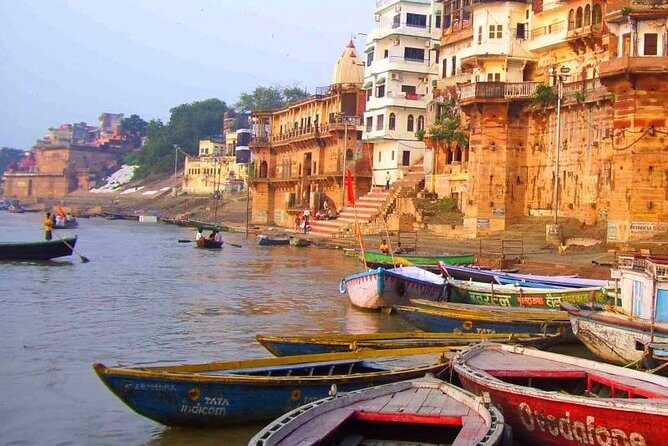
- The 1-hour Ganga boat ride: Varanasi from the water
- Price and value: why $108.34 can be fair for a full day
- Who this tour suits best (and where it might feel too much)
- Should you book this Varanasi day?
- FAQ
- What time does the tour start?
- How long is the tour?
- Where does the tour start and end?
- Is this tour private?
- What’s included in the price?
- What is not included?
- Can I cancel for a full refund?
Key points that make this Varanasi day work
- Private guide + private vehicle means the schedule can bend to your interests without slowing the group down
- Ganga Aarti timed for sunrise or a requested time gives you real choice in how you experience it
- Assi river temple stop at Sankat Mochan adds a local, non-rushed taste of Varanasi devotion
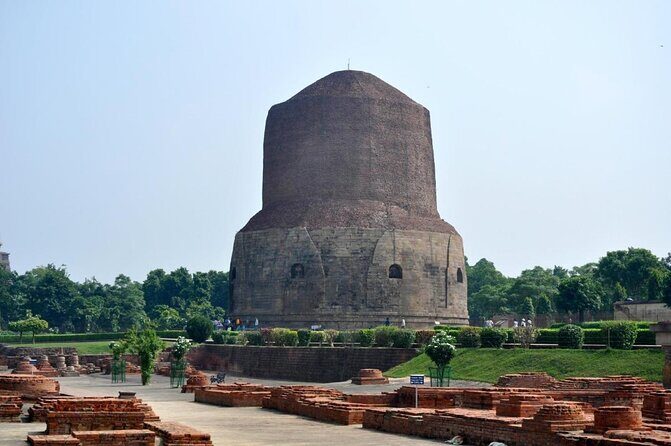
- Sarnath included as a focused 2-hour visit connects the Hindu city to Buddhism’s early story
- Manikarnika Ghat stop gives you context for the river’s spiritual meaning in Hindu tradition
- 1-hour boat ride ticket included lets you see the city from the Ganga, not just from the street
A private 6:00 am plan with real flexibility
This tour is designed for one simple idea: you shouldn’t have to rush Varanasi. The day begins early, around 6:00 am (or at the time you request at booking). Your guide meets you at the hotel lobby, and you travel by private vehicle with a driver—so you’re not stuck waiting on transfers or juggling a big shared group.
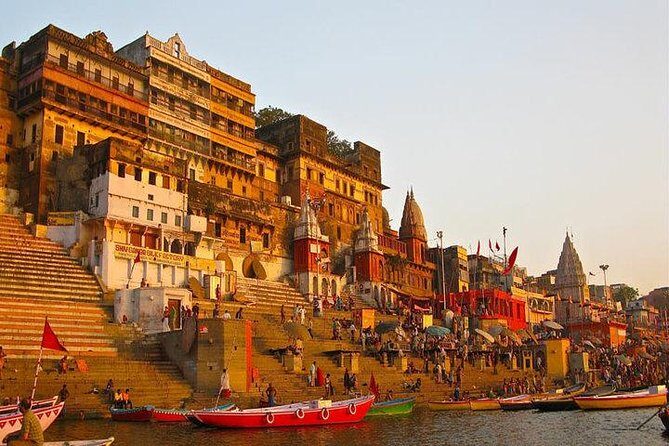
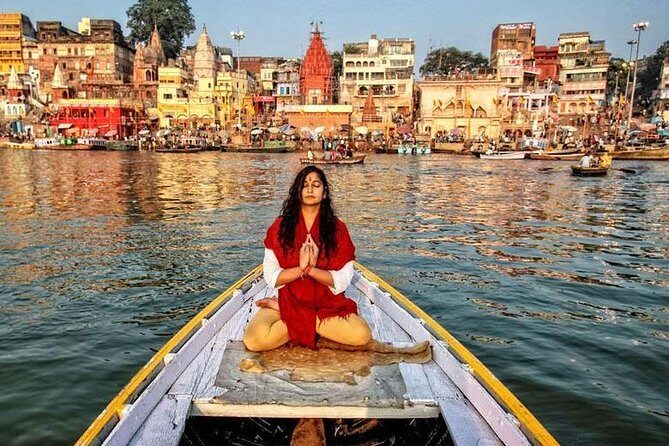
From there, your guide helps you set a strategy, but you’re not boxed in. If you want the sunrise feeling and the Aarti close to the action, you can plan for walking the ghats. If you’d rather watch from the river, you can plan to see the Aarti from a boat. That choice matters because Varanasi is sensory: sound, crowds, light, and movement. You’ll enjoy the day more if you decide early what kind of experience you’re after.
Also, it’s a private tour, so the pacing is yours. The stops are structured, but the rhythm is flexible. That’s a big deal in a city where streets can be narrow, busy, and slow-going—having a guide who can keep your day practical helps.
You can also read our reviews of more tours and experiences in Varanasi.


Ganga Aarti at dawn: where you can stand (and how)
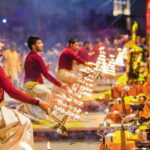
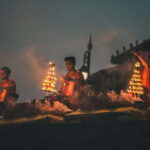
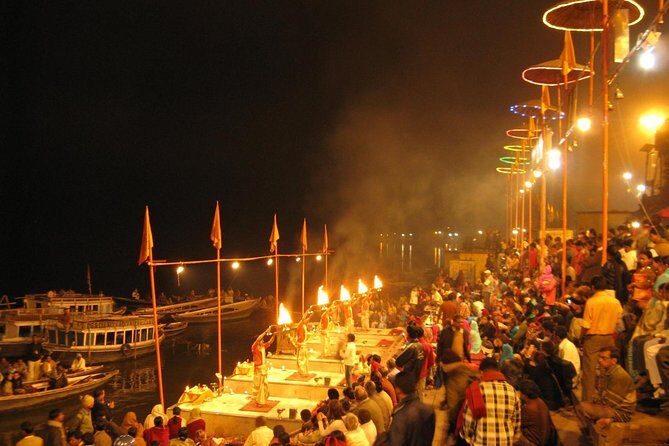
Ganga Aarti is the headline moment, and this tour builds around it. You’ll head out for the ceremony for about 2 hours at the start of the day, with the timing set for 6:00 am or the time you request.
What you get here isn’t just the ceremony. It’s the framework to decide how you want to watch.
- Watch from the ghats by foot: you’ll be closer to the riverfront rhythm and the crowd energy.
- Watch from a boat (if you prefer): you’ll get a calmer, more “moving viewpoint” while still seeing the ritual lighting up the water.
Your guide’s role is practical. They’ll suggest what makes sense for your plan and help you avoid dead-end choices when you’re trying to sync the Aarti with the rest of your day. Names matter here: Mr. Sujeet Singh Sengar (operator) and guide Vikas have been called out as helpful in getting the day organized and making the flexibility feel real, not just theoretical.
Two quick considerations before you choose your viewing style:
- The early start means you’ll want to treat the day like a morning-first outing, not a late-afternoon stroll.
- If you’re sensitive to crowds and noise near the riverfront, plan for where you’ll stand and how long you’ll stay.
Sankat Mochan Hanuman Temple by the Assi river
After Aarti, the route shifts from the riverfront spectacle to a more local spiritual stop: Sankat Mochan Hanuman Temple, dedicated to Hanuman.
This temple was established in the early 16th century by the well-known Hindu preacher and poet Sri Goswami Tulsidas. It also sits on the banks of the Assi river, which gives the stop a different feel from the Ganga ghats—more grounded, more neighborhood, and less like a single, global attraction.
You’ll spend about 30 minutes here, and admission is listed as free. That short time window is smart: it gives you context and a meaningful break without turning the day into a never-ending checklist.
What to look for at Sankat Mochan is the devotion. You’re seeing how faith lives outside of ceremonies that are primarily designed for visitors. It’s also a nice “breather stop” after the intensity of Aarti.
Sarnath in two hours: Ashoka’s deer park story
Next comes Sarnath, one of the most important Buddhist sites connected to the early life of the Buddha.
Sarnath is described as being built in 640 AD by Emperor Ashoka. It’s tied to the Buddha’s first sermon, called Dharma Chakra Pravartana—often explained as setting in motion the wheels of the law—given to disciples in the nearby deer park.
You’ll have about 2 hours here, and admission is not included in the tour price. That’s not a deal-breaker, but it does mean you should budget a bit for entry. The payoff is that this stop turns the day into more than just Hindu landmarks. It’s a reminder that Varanasi is a crossroads of spiritual threads, not one single tradition.
This is also the kind of site where timing helps. If you arrive when your mind is still fresh from the morning ritual, the meaning tends to land better. If you wait too long, it can become just another set of temples and ruins. Here, Sarnath is paced like a story beat.
Manikarnika Ghat: understanding the riverfront meaning
Later, you’ll visit Manikarnika Ghat, considered one of the holiest riverfronts along the Ganga in Varanasi.
This stop lasts about 30 minutes, and admission is listed as free. In Hindu tradition, death is often treated as a gateway to another life, shaped by karma. That idea isn’t just philosophy; it’s part of why the ghats matter so much. You’re not only looking at a scenic riverside. You’re seeing a place where ritual, belief, and daily life intersect.
Because this stop is short, it works best if you approach it with respect and patience. The area is intensely meaningful, and it can be emotionally heavy even when you’re just watching quietly from the edges.
A practical note: Manikarnika is not the place to rush for photos. Use your guide’s timing and stay aware of your surroundings. This is one of those stops where listening is just as important as looking.


The 1-hour Ganga boat ride: Varanasi from the water
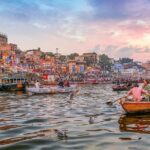
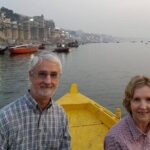
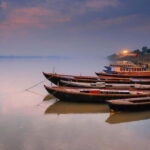
One of the most enjoyable parts of this day is the Varanasi boat ride and cruise. The tour includes 1 hour on the water, and the admission ticket is listed as included.
This is the moment that ties the whole day together. You’ve seen the river as a spiritual stage at Aarti, you’ve walked along its significance with ghat stops, and now you get to understand how the city lines up from the Ganga itself.
If you planned Aarti from a boat, this ride can feel like the second chapter of that same viewpoint. If you watched Aarti from the ghats, this ride gives you the comparison: river-level perspective vs. riverfront perspective.
Why that’s valuable: Varanasi changes with angle. Streets can feel tight and confusing, but from the water you get a clearer sense of how the ghats, temples, and riverfront zones connect.
Price and value: why $108.34 can be fair for a full day
The price is $108.34 per person for a tour that runs about 10 hours. On average, people tend to book around 39 days in advance, which hints that this is a popular way to see Varanasi in one day without stress.
Here’s where the value comes from, beyond the headline sites:
- Private guide: you’re paying for interpretation and pacing control, not just transport
- Hotel pickup and drop-off: you’re not coordinating separate rides before and after a long morning
- Private vehicle with a driver: that’s huge in a city where movement and time can get messy
- Bottled water plus local taxes and GST: small, but it removes a few “surprise” items
- Boat ride ticket included: this can easily be the most expensive standalone piece once you add it on later
- Aarti time + multiple sacred stops: the day is packed, but structured
Food and drinks are not included, so plan on buying or budgeting for meals separately. That’s the main “missing” piece. If you’re the type who wants a break to eat somewhere good, decide that in advance so the day stays comfortable.
Also, the tour lists group discounts as a feature. If you’re traveling with friends, that can improve the math, since a private day can otherwise feel pricey compared to big-group tours.
Who this tour suits best (and where it might feel too much)
This tour fits best if you like a full, meaningful day with minimal planning. It’s ideal for people who:
- want a structured day but still want control over pace
- are interested in the mix of Ganga Aarti, temples, and Sarnath
- prefer private guidance over trying to figure out timing on your own
- like the idea of seeing Varanasi from both land (ghats and temples) and water (boat ride)
One consideration: it’s built around early morning. If you’re not a fan of rising early for cultural reasons, you may find the schedule demanding even though the tour is private.
It’s also a city where religious sites can mean watching in close quarters. If you like calm, wide-open sightseeing, you might find the riverfront segments intense. A private guide helps you manage that intensity by guiding your sequence and timing.
Should you book this Varanasi day?
If you want a one-day Varanasi plan that doesn’t lock you into someone else’s pace, I think this is a smart booking. The strongest reason to choose it is the combination: Ganga Aarti plus temples, then Sarnath, then the ghats again, capped with a 1-hour boat ride. That mix gives you multiple angles on what Varanasi feels like.
Book it if you value:
- flexibility with your guide
- private transport and hotel pickup
- an early start done in a structured, helpful way (with guides like Sujeet Singh Sengar and Vikas noted for being supportive)
Skip it or consider an alternative if you strongly dislike early mornings or you want long, slow wandering with no scheduled moments.
FAQ
What time does the tour start?
It starts at 6:00 am.
How long is the tour?
The duration is about 10 hours (approx.).
Where does the tour start and end?
The tour starts in Varanasi cantonment, Varanasi, Uttar Pradesh, India, and it ends back at the meeting point.
Is this tour private?
Yes. It’s listed as a private tour/activity, with only your group participating.
What’s included in the price?
Included items are GST and local taxes, bottled water, a professional guide, hotel pickup and drop-off, a private tour, and transport by private vehicle. The boat ride admission ticket is also included.
What is not included?
Food and drinks are not included. Also, Sarnath admission is not included.
Can I cancel for a full refund?
Yes, you can cancel for a full refund if you cancel at least 24 hours before the experience’s start time (local time).