REVIEW · MUMBAI
Mumbai: Early Morning Bicycle Tour
Book on GetYourGuide →Operated by Mumbai Excursions · Bookable on GetYourGuide
Mumbai wakes up fast, and you get front-row seats. This early morning bicycle tour threads together Dhobi Ghat, Sassoon dock, a local train ride, and a guided look at Dharavi—so you’re not just sightseeing, you’re moving with the city while it’s still calm enough to take it all in. It’s the kind of route that makes the big landmarks feel human-sized.
I especially like how the tour pairs street-level sights with real daily life. The Dhobi Ghat laundry scenes are one of those moments you remember because you can’t fake them—massive open-air washing and drying, all day’s work happening in plain view. I also love that you’ll ride a bike early, then switch to the Mumbai local train, so you see two sides of mobility in one trip.
One thing to keep in mind: food & drinks aren’t included, so plan on grabbing water/snacks before you go or budgeting time to buy something on your own. And since it’s an early start, wear clothes you can move comfortably in.
In This Review
- Key highlights you’ll actually feel
- Getting moving: hotel pickup, bikes, and a morning start
- Dhobi Ghat at sunrise: watching laundry work at massive scale
- Sassoon Dock fish market: trading energy you can see
- Riding the Mumbai local train: how the city moves in real time
- Dharavi on foot: community life, narrow alleys, and real context
- Price and value: why $40 can work if you plan smart
- What it feels like in practice (and what to bring)
- Photography, pacing, and how to get better shots
- Is this the right tour for you?
- Should you book the Early Morning Bicycle Tour?
- FAQ
- What is the price of the Mumbai Early Morning Bicycle Tour?
- What’s included in the tour?
- Is food included?
- What should I bring?
- Where does the tour start?
- Which attractions are part of the tour?
- Do I ride a bicycle the whole time?
- Is the guide English-speaking?
- Can I reserve without paying right away?
- How late can I cancel for a full refund?
Key highlights you’ll actually feel
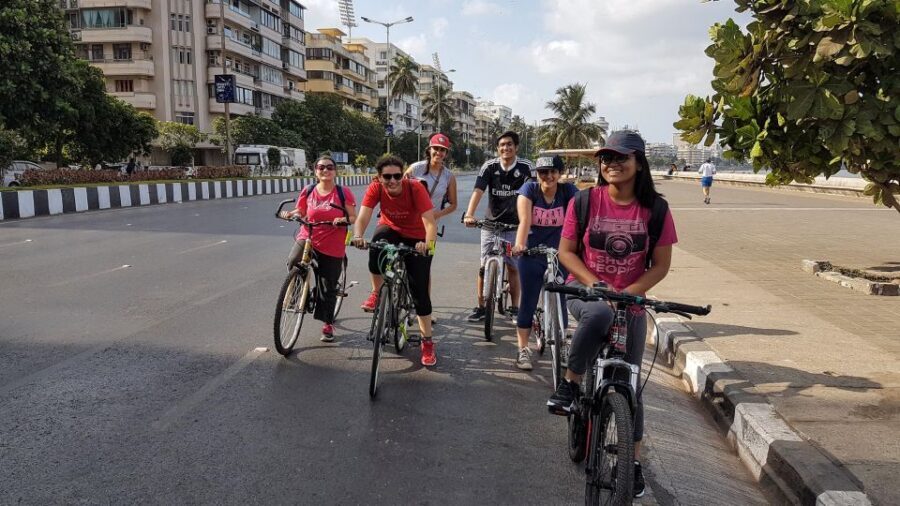
- Dhobi Ghat at first light: open-air laundry operations you can watch up close, not just read about
- Sassoon Dock fish market: an on-the-ground look at Mumbai’s seafood trade right as the day begins
- English-speaking guide: clear explanations that help you connect dots between neighborhoods and daily routines
- Local train ride: a fast way to understand commuter energy and how the city flows
- Guided Dharavi walk: a focused, human-scale tour through tight alleys and community life
Getting moving: hotel pickup, bikes, and a morning start
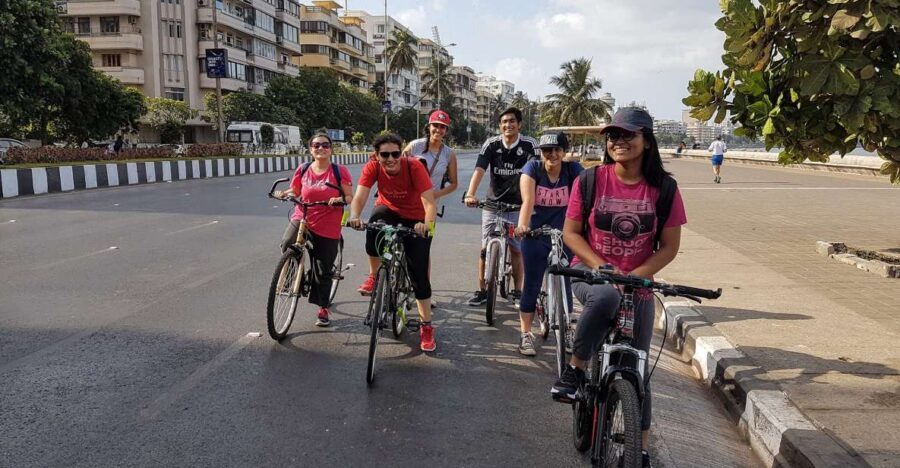
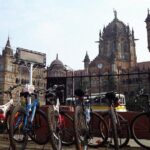
The easiest part of this tour is that you’re not left figuring out transport. You get hotel pickup & drop-off, then you’re taken to the bike area where you’ll use the bicycles and gears provided. That matters because Mumbai morning traffic can be intense, and early timing is part of the point here.
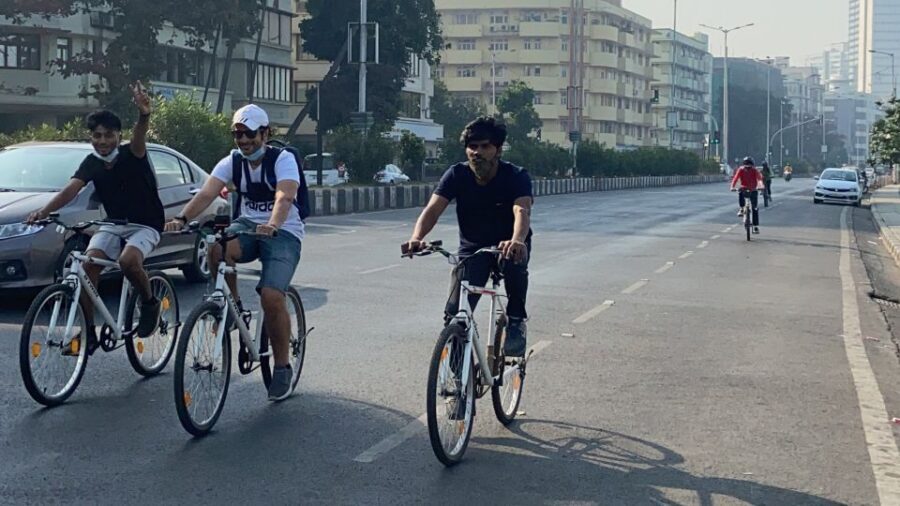
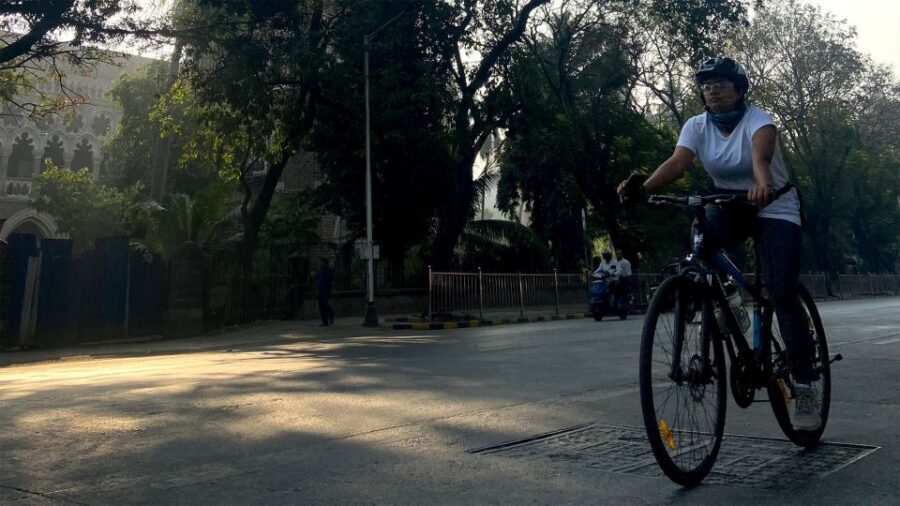
Once you’re on the bike, the “why” becomes clear. In the first hour or two, you can actually read the city—street corners, building textures, and the way people are already starting their routines. A bike is a practical choice too: you cover ground without the feeling of being stuck inside a vehicle.
From the reviews, one name pops up again and again: Sahil. Multiple guests praise his English and his willingness to stop regularly to explain what you’re seeing. That makes a big difference on a short morning loop, because you’re not just collecting photos—you’re understanding the places as you pass them.
A few more Mumbai tours and experiences worth a look

Dhobi Ghat at sunrise: watching laundry work at massive scale
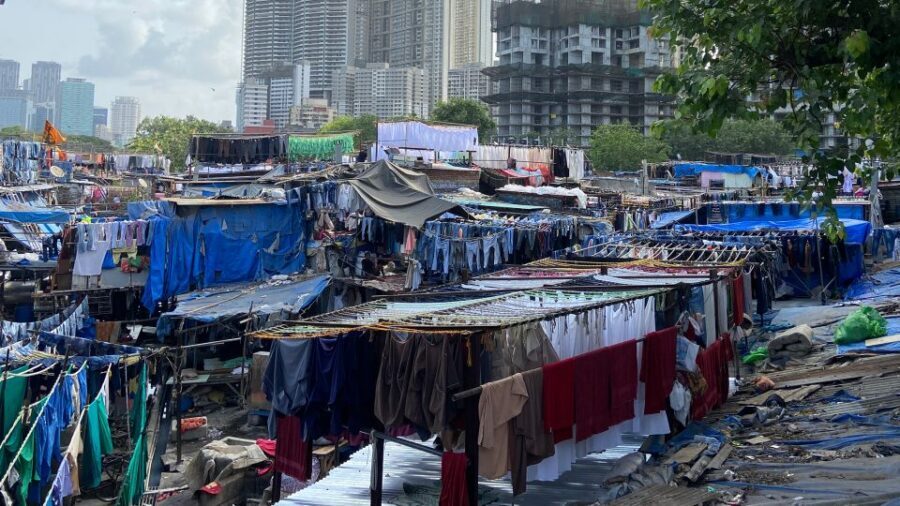
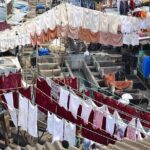
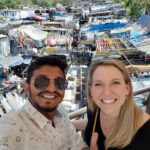
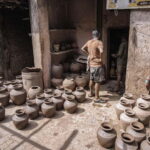
Dhobi Ghat is the star stop for many people, and it’s easy to see why. This is Asia’s largest open-air washing laundry, and the tour brings you there during early hours when you can observe the workflow without the crowding that can happen later. You’ll see clothes being washed and dried on a large, organized scale—an everyday system that runs on routine and skill.
What I like about this stop is the contrast. Dhobi Ghat isn’t a museum scene. It’s working life. You’re not watching a performance—you’re witnessing labor, tools, water use, and the rhythm of people doing their jobs. That’s why the visuals stick: the scale is huge, but the action is detailed and personal.
It’s also one of those places where your guide’s explanations really help. Sahil and other guides on this route are specifically praised for architecture, buildings, monuments, and culture, and that kind of context turns what could be just “a laundry place” into a window on how Mumbai functions.
If you’re the kind of traveler who likes clear takeaways, this is a strong one. You leave with a concrete idea of what thousands of workers are doing every day—plus a new way to notice how cities organize ordinary needs at scale.
Sassoon Dock fish market: trading energy you can see
After Dhobi Ghat, the tour heads to the Sassoon dock area, home to Mumbai’s biggest fish market. If you want the city’s soundscape and motion, this is where it shows up. Fish markets move quickly—baskets, sorting, vendors, boats’ influence on supply, and the constant activity around the docks.
The value here is in the timing. In the early morning, the market feels more grounded and readable. You’re not trying to catch it after the rush—you’re seeing it as it begins. That makes it easier to connect what you’re seeing with how Mumbai feeds itself and how seafood moves through the day.
Also, a bike tour works well for this type of stop. You can approach the area without getting trapped in the “sit-and-watch” feeling you sometimes get with longer urban drives. You’re close enough to absorb details, but still moving through the neighborhood as intended.
And yes, you’ll likely want to take photos. The reviews mention picture opportunities and plenty of information for understanding architecture and culture, which helps you frame shots with meaning, not just angles.
Riding the Mumbai local train: how the city moves in real time
A highlight that separates this tour from many “bike-only” options is the inclusion of a local train ride. You’ll take Mumbai’s commuter train as part of the route, which is a bold and practical way to experience how people travel across the city.
Here’s the key: the train ride adds perspective. Cycling shows you street life at a human pace, but the local train shows you the city at scale—how crowds move, how routines repeat, and how transport stitches neighborhoods together. Even if you’re not a rail enthusiast, this section tends to give travelers an instant understanding of Mumbai’s daily rhythm.
If you’re someone who worries about getting overwhelmed in big cities, this is also a useful balancing act. The tour doesn’t leave you alone to figure things out. With an English-speaking guide and a planned route, you can watch, learn, and absorb without feeling lost.
From the reviews, guests repeatedly mention efficiency—seeing famous areas by bicycle and using early timing to cover more. The train segment supports that idea: you gain distance and perspective quickly, then return to the walk-and-look approach.
Dharavi on foot: community life, narrow alleys, and real context
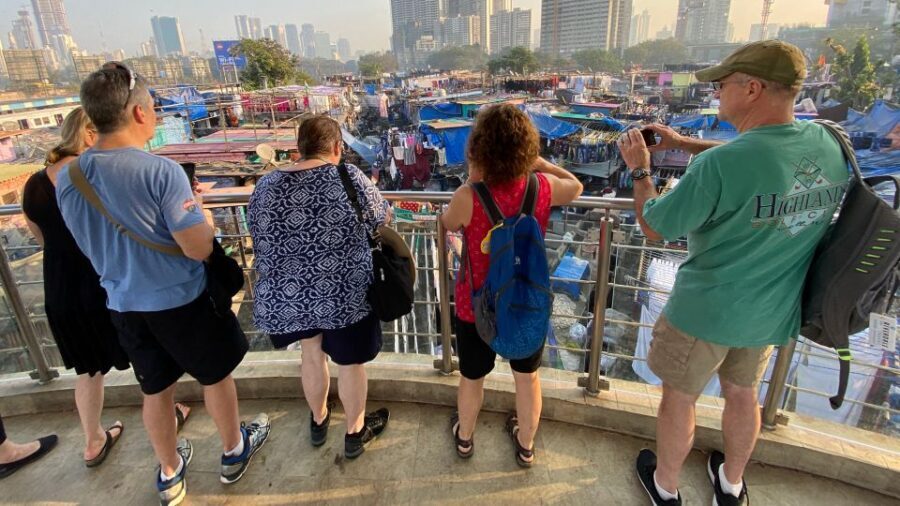
The tour’s last big cultural stop is Dharavi, described as Asia’s largest slum. You’ll join a guided walkthrough through narrow alleys where you can see resilience, resourcefulness, and community spirit up close.
It’s important to approach Dharavi with the right mindset. The tour isn’t framed as entertainment, and it shouldn’t be. The value is in how a guide helps you see beyond headlines—how people live, organize daily needs, and solve problems in very small spaces. That’s the difference between a surface visit and a meaningful one.
I also appreciate that this section is guided. When you walk tight alleys and pass community spaces, it’s easy to miss what matters unless someone explains it. The tour’s emphasis is on understanding the human side of the area—its routines, its neighborhood logic, and the sense of community that keeps life working day to day.
From the experience description, this section is also described as eye-opening and humbling. That sounds like a generic phrase, but here it’s tied to a concrete approach: you’re not just looking at conditions, you’re learning how people keep functioning and building community in tough circumstances.


Price and value: why $40 can work if you plan smart
At $40 per person, this tour is priced for a full morning of guided culture plus transport tools. You’re getting hotel pickup and drop-off, an English-speaking guide, and the bicycles with gears. Those elements alone usually add up in many cities, especially when they save you from figuring out logistics early in the day.
Food and drinks are not included, which is the main cost tradeoff. If you go in hungry, you’ll feel it fast—especially because you’ll be moving between stops and spending time outdoors. The smart move is simple: treat this as a “ride + see + learn” morning, and plan your meals around it.
So who gets the best value?
- People who want more than one neighborhood in one morning
- Travelers who like guided explanations (Sahil’s English gets repeated praise)
- Visitors who want a practical mix of bike + local train, not just a sightseeing loop
Who should think twice? If you strongly prefer a relaxed pace with lots of time sitting in cafes, you’ll likely want to add your own food breaks. This is more “active city morning” than “slow wander.”
What it feels like in practice (and what to bring)
This is an early start, and you’ll be outdoors moving between parts of the city. The only “official” packing note is to bring comfortable clothes, which is the right baseline for a cycling morning.
I’d also plan mentally for a mix of environments:
- A working laundry zone (Dhobi Ghat)
- A dockside market area (Sassoon Dock)
- A public transit experience (local train)
- A local neighborhood walk (Dharavi)
You’ll want clothing that works for walking and pedaling, and that lets you stay comfortable while you watch things up close. Keep it simple, keep it wearable.
On the “how good is it?” side: the guides are repeatedly praised for friendliness and for stopping regularly with explanations. That suggests a tour style that’s not just rushing from photo spot to photo spot. It’s the kind of structure that makes your time feel efficient, while still giving you moments to process.
Photography, pacing, and how to get better shots
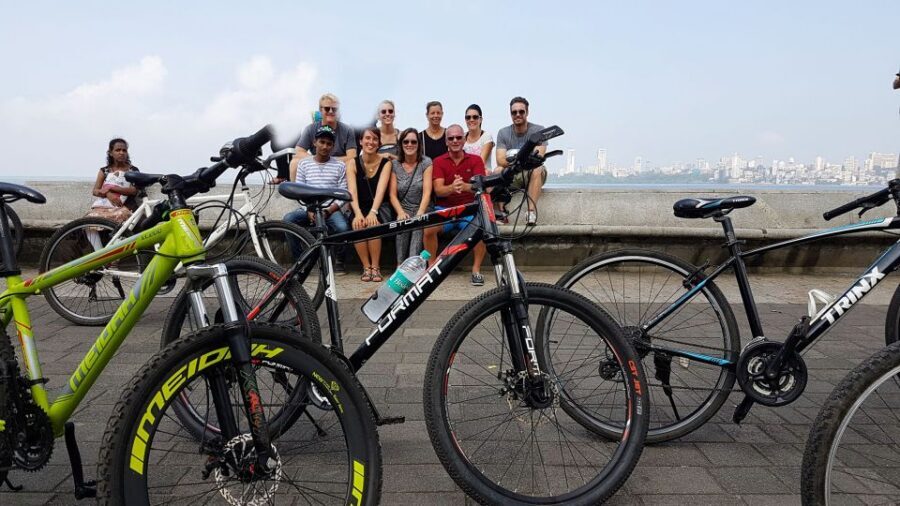
This tour is built for cameras, but the best photos come from listening first. When you understand what you’re looking at, your pictures show more than random corners—they show meaning.
A few practical habits help:
- Use the guide stops for photos, not for sprinting ahead on your own
- When you hear explanations about buildings and culture, use that to frame your shots
- After the train ride, take a minute to reset your eyes before the next walk—your brain needs a quick switch from “views” to “street detail”
The reviews specifically mention the ability to take amazing pictures and that Sahil gave a lot of useful information. That combination is ideal: you’re not just pointing a camera, you’re building context as you go.
Is this the right tour for you?
This early morning bike tour fits best if you want:
- A Mumbai bicycle tour that mixes daily life with major stops
- Clear guidance in English (Sahil is highlighted for strong English)
- A route that includes Dhobi Ghat and Sassoon Dock plus a local train ride and Dharavi
It’s also a good choice if you like learning from places that are actually in use. Dhobi Ghat and the fish market are working scenes. Dharavi is a real neighborhood walk. The local train connects it all with commuter reality.
I’d steer you away only if you know you dislike transit crowds or you want a purely “sightseeing from a comfortable seat” format. This is active. You’ll ride, walk, and stay outdoors.
Should you book the Early Morning Bicycle Tour?
If you want a smart, value-heavy way to see multiple parts of Mumbai in one morning, I think this is a solid booking. The guide experience matters a lot here: guests keep praising Sahil (and the similar spellings you might see), and that feedback lines up with what you need for stops like Dhobi Ghat and Dharavi—context, not just movement.
Book it if you can handle an early start and you’re ready to bring your own food solution since food & drinks aren’t included. Skip it if you prefer a slower day with fewer transitions between very different city scenes.
FAQ
What is the price of the Mumbai Early Morning Bicycle Tour?
The price is $40 per person.
What’s included in the tour?
Included: an English-speaking tour guide, hotel pickup & drop-off, and bicycles & gears.
Is food included?
No. Food and drinks are not included.
What should I bring?
Bring comfortable clothes.
Where does the tour start?
You meet at a designated meeting point, and hotel pickup & drop-off are provided.
Which attractions are part of the tour?
The tour includes Dhobi Ghat (open-air laundry), the Sassoon dock fish market, a local train ride, and a guided tour through Dharavi.
Do I ride a bicycle the whole time?
You’ll use bicycles as part of the tour, and the route also includes a ride on the Mumbai local train.
Is the guide English-speaking?
Yes, the tour includes an English-speaking tour guide.
Can I reserve without paying right away?
Yes. You can reserve and pay later, with no payment today.
How late can I cancel for a full refund?
You can cancel up to 24 hours in advance for a full refund.