REVIEW · AGRA
Day Trip to an Elephant Conservation and Care Center near Agra
Book on Viator →Operated by GeTS Holidays · Bookable on Viator
Elephants, without the showmanship. This day trip to the Elephant Conservation and Care Centre near Agra is a straightforward way to learn about elephant rescue while you’re actually doing something supportive. I like that it’s built around observation and care—rescue stories, then time to see elephants living in large enclosures. I also like the private round-trip transport from your hotel, because it keeps your day from turning into a taxi scavenger hunt.
My main caution: it’s a compact outing. You’re looking at about 3 to 4 hours total, and the center visit itself is around 2 hours, so you’ll want to arrive ready to focus (and not plan on an all-day elephant marathon).
In This Review
- Key Points I’d Highlight Before You Go
- Why This Wildlife SOS Elephant Trip Feels Purpose-Driven
- Hotel Pickup and Private Transfers: Less Hassle, More Day
- Wildlife SOS Elephant Conservation: What You’ll Actually See
- The English-Speaking Guide: The Difference Between Watching and Understanding
- A Realistic Itinerary Walkthrough (and Where Time Goes)
- 9:00 am – Hotel Pickup and Drive Out
- Center Visit (~2 hours) – Wildlife SOS Elephants
- End of Activity – Return to Your Starting Point
- Price and Value: What You’re Paying For at $112
- Who This Trip Fits Best (and Who Should Think Twice)
- Smart Tips to Get More Out of Your Visit
- Should You Book This Agra Elephant Conservation Day Trip?
- FAQ
- How long is the Elephant Conservation and Care Centre day trip?
- What time does the tour start?
- Is hotel pickup included?
- Is there an English-speaking guide?
- What’s included in the price?
- How many elephants are at the center?
- What happens if the weather is poor?
- Can I change or get a refund if I cancel?
Key Points I’d Highlight Before You Go
- Wildlife SOS created the Elephant Conservation and Care Centre in 2010 with the state government, so this isn’t a casual side project.
- You’ll see about 20 elephants there now (around 12 females and 8 males), housed in large, enclosure-style spaces meant to mimic natural conditions.
- Your guide is English-speaking, and that matters because the context behind the rescue stories is the whole point.
- Private hotel pickup and drop-off means just your party rides, not a crowded “everyone out at the wrong hotel” situation.
- Admission and mineral water are included, so you avoid extra stops and small surprise costs.
Why This Wildlife SOS Elephant Trip Feels Purpose-Driven
If your Agra plan is all monuments, this is a nice change of pace. The tone here is different: you’re not coming for entertainment. You’re coming to understand what life looks like when a rescued elephant is no longer forced into unsafe work or neglect.
What I like most is how the visit connects two things that are easy to keep separate when you’re just passing through: learning and support. The center is focused on rehabilitation and care, and the whole experience is structured around that mission. You’ll get staff-led explanations in English, then you’ll spend time watching the elephants in their enclosures—roaming, resting, moving at their own rhythm.
I also appreciate the practicality of a short day trip. Three to four hours fits neatly between sightseeing days, and you don’t lose half your trip to logistics.
One possible drawback is emotional. The rescue backstories can be upsetting. The good news is that the visit doesn’t stop at sadness. You also get to see the “after” side—elephants living under close care.
A few more Agra tours and experiences worth a look



Hotel Pickup and Private Transfers: Less Hassle, More Day
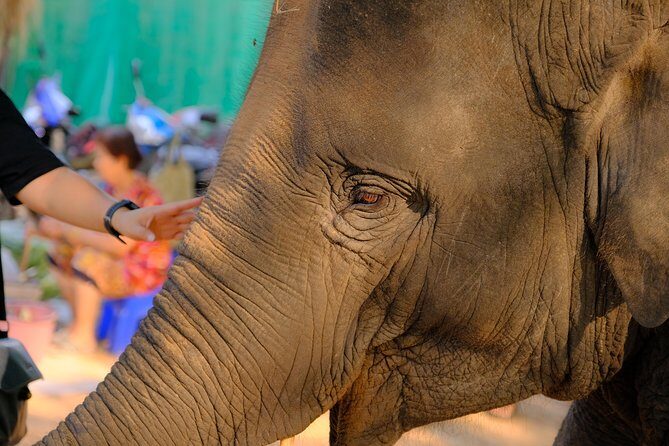
This is one of the most valuable parts of the booking. You start with pickup from your Agra hotel, and transfers are private, meaning it’s just your group. There’s no waiting around for other tours to finish, no scrambling through multiple drop-offs, and no awkward pacing while everyone tries to find the right meeting spot.
Your tour starts at 9:00 am, and the total time is roughly 3 to 4 hours. That timing matters because the center visit is only about 2 hours, so you want the drive to be predictable—and it is, since the transport is included and planned.
You also get mineral water during the experience, which sounds small, but it helps on a warm morning. And since the tour includes taxes and an admission ticket for the center, you’re less likely to run into extra costs mid-visit.
Wildlife SOS Elephant Conservation: What You’ll Actually See
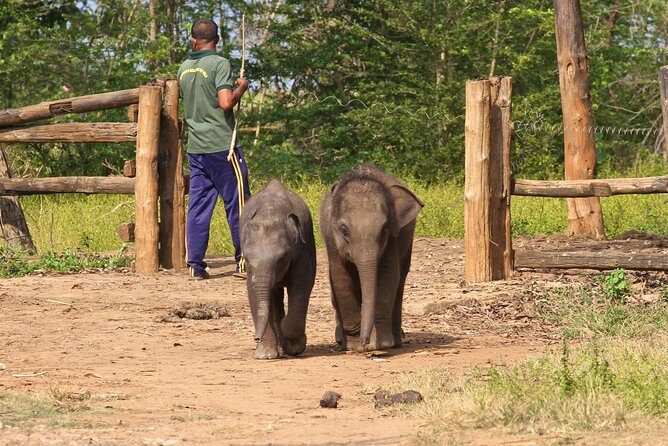
The heart of your trip is the Wildlife SOS Elephant Conservation and Care Centre. The center houses around 20 elephants—about 12 females and 8 males—and that gives your visit enough variety. You’re not staring at one lone animal for the full two hours. You’ll likely be able to watch multiple elephants in different parts of the enclosure areas.
The enclosures are designed to mimic aspects of natural environments. That’s important because it changes what your “view” means. Instead of feeling like you’re looking at animals in a bare, staged setting, the layout and space are meant to let elephants express natural behaviors as they recover and live in care.
You’ll learn that these elephants were rescued from harmful situations. Some were forced into hard work under harsh conditions, without the safety and care elephants should have. That rescue history is not offered as shock value. It’s there to explain why the care center exists—and why ongoing rehabilitation work matters.
A big plus: your time isn’t just about facts on a sign. You’ll be able to observe elephants roaming freely in their areas. Even without “hands-on” activities (and you shouldn’t expect that kind of interaction on a care-focused visit), watching body language and movement can be genuinely moving.
The English-Speaking Guide: The Difference Between Watching and Understanding
A common problem with short animal visits is that people come away with photos, but not much context. Here, you’re getting an English-speaking guide, and that’s what turns a quick viewing into real learning.
Because the center has a mission—rescue, rehabilitation, and care—the guide’s role is to connect what you see with what happened before. You’ll hear about the project’s origins (it was created in 2010 in collaboration with the state government) and what the center is trying to accomplish for elephants rescued from poor conditions.
That context is especially useful because elephants can seem calm even when they’ve had a rough start. A guide helps you understand what recovery may look like and why the center’s approach matters.
Also, the tone from the experience tends to encourage respect for the animals. In my reading of the spirit behind this kind of visit, you can tell it’s meant to steer people away from treating elephants as props. The emotional center of the experience is compassion mixed with practical education: you learn, you look, you leave with a clearer idea of what good care looks like.
A Realistic Itinerary Walkthrough (and Where Time Goes)
Here’s how the flow typically lands once you’re picked up:






9:00 am – Hotel Pickup and Drive Out
You’ll start in Agra with pickup and then head toward the Elephant Conservation and Care Centre. Because it’s private transportation, the drive usually feels smoother. You don’t spend your morning coordinating with strangers or figuring out last-minute meeting details.
Center Visit (~2 hours) – Wildlife SOS Elephants
This is the main block. The admission ticket is included, and you’ll spend about two hours at the Elephant Conservation and Care Centre. Expect the time to include guided explanation plus observation.
The best way to “use” this time is to stay present. Don’t rush the guide. If you hear something that explains the enclosures or the rescue background, it will make what you’re seeing afterward snap into focus.
I’d also keep your expectations honest: with only two hours, you won’t see every single elephant every minute. The point is to experience the care setup and understand the mission, not to “complete” a checklist.
End of Activity – Return to Your Starting Point
After the center visit, you head back. The tour is designed to end back at the meeting point, and it’s short enough that you can still plan other Agra sightseeing later in the day.
Price and Value: What You’re Paying For at $112
At $112 per person, you’re not paying for a long day. You’re paying for structure, transport, and guided education packed into a compact window.
Here’s what makes it feel like solid value rather than a random add-on:
- Private round-trip transport from your hotel: this alone can cost plenty if you try to arrange it yourself.
- English-speaking guide: context is what turns the visit into something meaningful.
- Admission included: no ticket-buying in the middle of your day.
- Mineral water and taxes included: fewer extra expenses.
- Group discounts and mobile ticket: helpful if you’re booking as more than one person.
So yes, it’s not the cheapest way to spend a few hours. But if you add up the convenience and the guided care focus, it’s closer to “pay for a well-run day” than “pay for a random look at animals.”
Who This Trip Fits Best (and Who Should Think Twice)
This is a strong fit if you:
- Want a purpose-driven day trip from Agra.
- Prefer private transport over group shuttles.
- Appreciate an animal-focused visit that’s more about care and learning than performance.
- Have limited time and still want something with real meaning.
It might not be ideal if you:
- Want a full-day immersive experience. Two hours at the center is the anchor, and the entire outing is still about 3 to 4 hours total.
- Get thrown off by emotional rescue stories. You’ll learn about harmful conditions in the past. The experience balances it by showing care in the present, but it’s still a real-world topic.
Smart Tips to Get More Out of Your Visit
Without turning this into a strict checklist, these are practical ways to make the most of your time:
- Be ready for walking and waiting. Even if you don’t roam far, you’ll likely move between viewing areas during the guided explanation.
- Listen closely during the rescue context. The enclosures and elephant behavior will make more sense afterward.
- Bring a calm, respectful mindset. This is a care center. Your best contribution is quiet attention and appropriate behavior.
- Dress for the weather. The tour requires good weather, so plan for heat and sun if you’re traveling during warm months.
If you’re the type who likes to learn on the spot, this visit will reward you. If you’re the type who hates rules, you’ll still be fine—you just need to understand the focus is on rehabilitation, not interaction.
Should You Book This Agra Elephant Conservation Day Trip?
If you’re choosing one short conservation-style experience near Agra, I’d put this on your shortlist—mainly because it combines private convenience, English guidance, and a serious care mission in a tight time window.
Book it if you want a meaningful break from monument-heavy days and you’ll appreciate what rescue and rehabilitation actually require. Skip it only if you need an all-day, super-long itinerary, or if you know emotional animal-rescue stories will spoil your mood.
Overall, this is the kind of trip that leaves you with more than photos: it leaves you with a clearer sense of what responsible care looks like for elephants—and what your visit supports.
FAQ
How long is the Elephant Conservation and Care Centre day trip?
The experience lasts about 3 to 4 hours total, with roughly 2 hours spent at the center.
What time does the tour start?
Pickup starts at 9:00 am in Agra.
Is hotel pickup included?
Yes. Round-trip transportation is provided from your Agra hotel, and transfers are private for just your group.
Is there an English-speaking guide?
Yes, the tour includes an English-speaking guide.
What’s included in the price?
Included items are private transport, an English-speaking guide, a visit to the elephant rescue center, mineral water, and taxes.
How many elephants are at the center?
The center currently inhabits around 20 elephants (about 12 females and 8 males).
What happens if the weather is poor?
This experience requires good weather. If it’s canceled due to poor weather, you’ll be offered a different date or a full refund.
Can I change or get a refund if I cancel?
No. The experience is non-refundable and cannot be changed for any reason.