REVIEW · MUMBAI
Mumbai City At Dawn, Visit the Unexplored Spots.
Book on GetYourGuide →Operated by Mumbai Experiences · Bookable on GetYourGuide
Mumbai at dawn feels like you’ve skipped the line. This morning route strings together working markets, temples, a working laundry, and iconic waterfront landmarks. You’ll get a street-level Mumbai story, not just postcard stops.
I love the order of the day: start with scents and color at Dadar, then move toward the harbor, then into quieter spiritual spots. I also like the human touches people talk about most—guides such as Mr. Balaji explaining what you’re seeing, plus photo help from Mr. Saajid and Mr. Shivam, and a steady drive from Mr. Pawan.
The main drawback is simple: it’s an early start, and you’ll be doing a good amount of walking and viewing in public areas. It’s also not suitable for wheelchair users, so plan accordingly.
In This Review
- Key moments you’ll remember from a Mumbai dawn drive
- Why this Mumbai at dawn plan works (and why it feels different)
- Dadar Flower & Vegetable Market: where the day smells like marigold and routine
- Sassoon Dock and the oldest fishing harbor vibe
- Victoria Terminus and Banganga Tank: from grand stone to quiet water
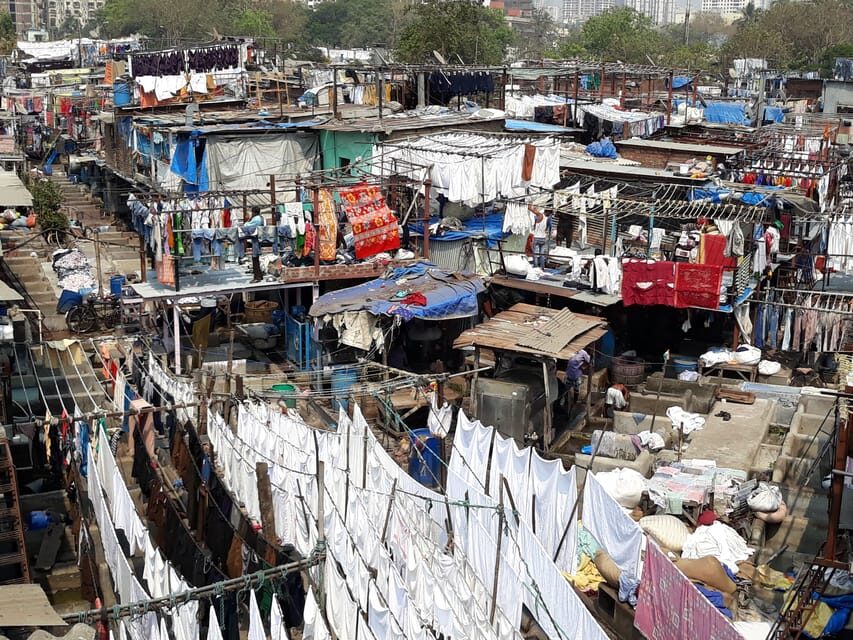
- Dhobi Ghat: the world’s largest open-air laundry, up close
- Sunrise at Gateway of India, Taj Hotel, and Marine Drive
- Price and logistics: $27 worth it for this kind of morning?
- Who should book, and who should skip this dawn schedule
- Should you book Mumbai City At Dawn, Visit the Unexplored Spots?
- FAQ
- What sites are included in the Mumbai dawn tour?
- What’s included in the price?
- Is the tour in English?
- Is there a wheelchair option?
- Are personal expenses included?
- Can I reserve and pay later?
Key moments you’ll remember from a Mumbai dawn drive
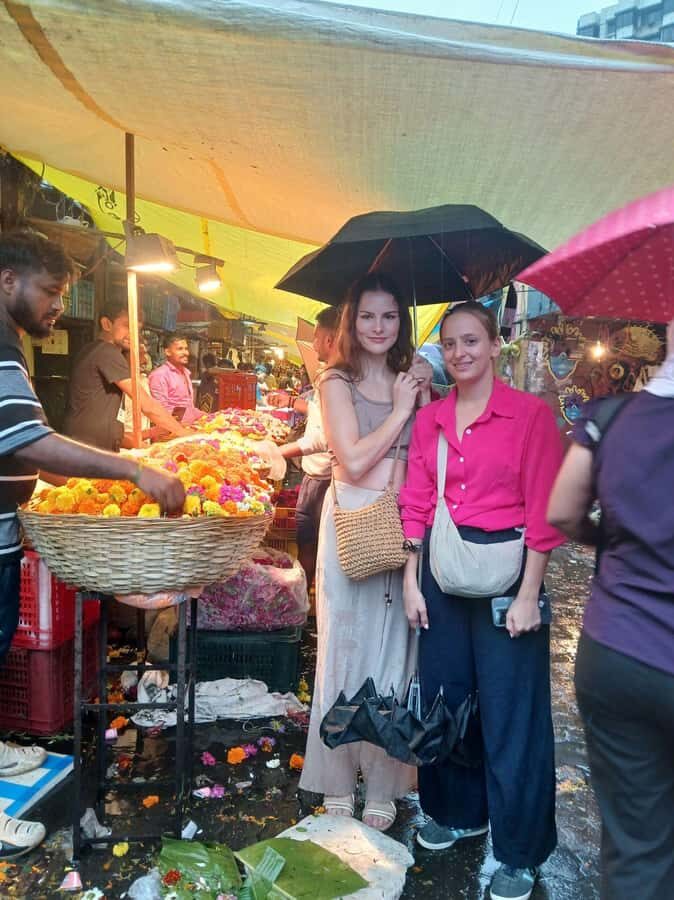
- Dadar Flower & Vegetable Market: early shopping lanes, strong smells, and close-up color from marigolds and roses
- Sassoon Dock fish auctions: Mumbai’s oldest fishing harbor energy, before the city fully wakes up
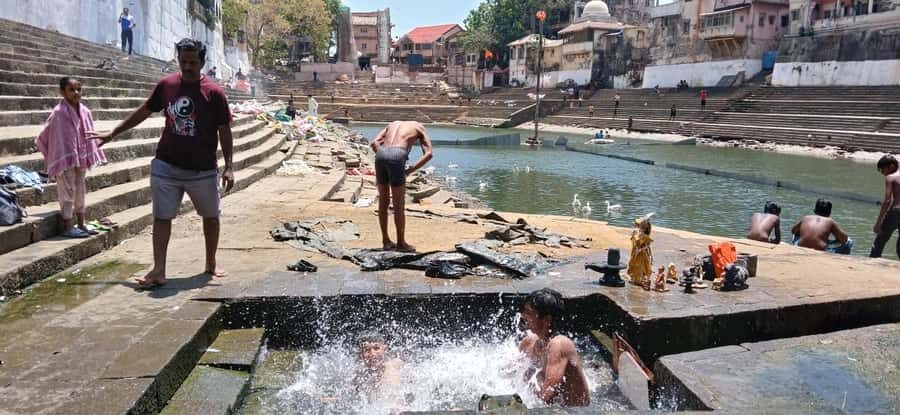
- Banganga Tank temples: a calm break from street noise around an old sacred tank
- Dhobi Ghat: watching the world’s largest open-air laundry work like a morning routine
- Sunrise at Gateway, Taj, and Marine Drive: a classic viewpoint lineup timed for the first light
- English guide support: helpful storytelling from guides like Mr. Balaji, plus practical photo coaching
Why this Mumbai at dawn plan works (and why it feels different)
Most Mumbai tours start when the city is already loud. Starting at dawn changes everything. The light is softer for photos, crowds are thinner, and you see the rhythm of daily life rather than the rush for entertainment.
This route also gives you a smart mix: working places (markets, dock, laundry) alongside symbolic landmarks (Gateway of India, Taj Hotel, Marine Drive). That balance matters because Mumbai isn’t only monuments—it’s people handling business. Even when you’re watching something chaotic on the outside, you’ll understand the purpose behind it.
One practical benefit: you travel in an AC private vehicle with an experienced driver, which makes the early start feel manageable instead of stressful. You’ll still walk and stand for views, but the “moving between worlds” part stays under control.
You can also read our reviews of more city tours in Mumbai


Dadar Flower & Vegetable Market: where the day smells like marigold and routine
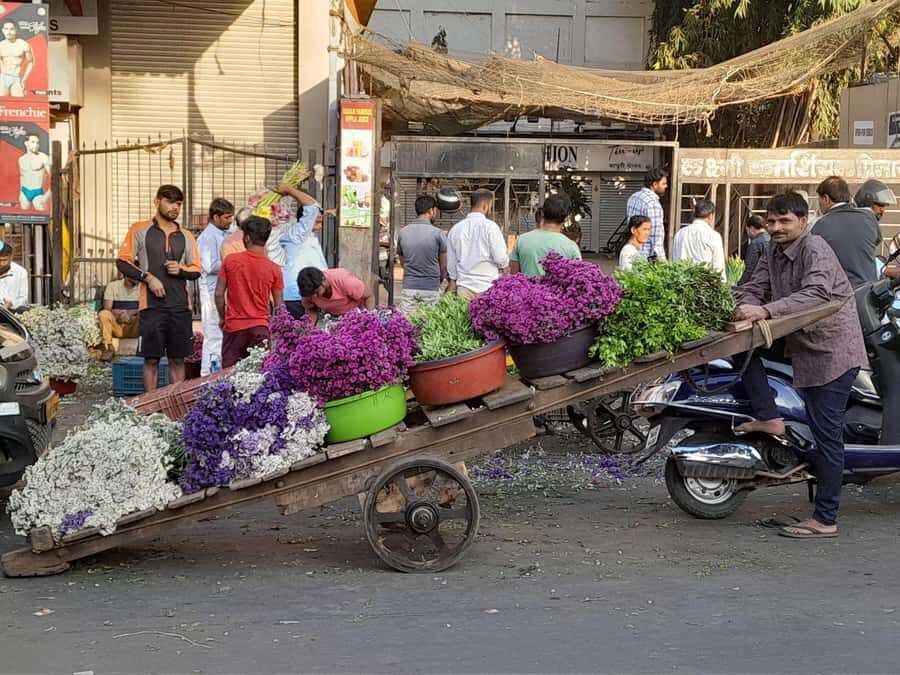
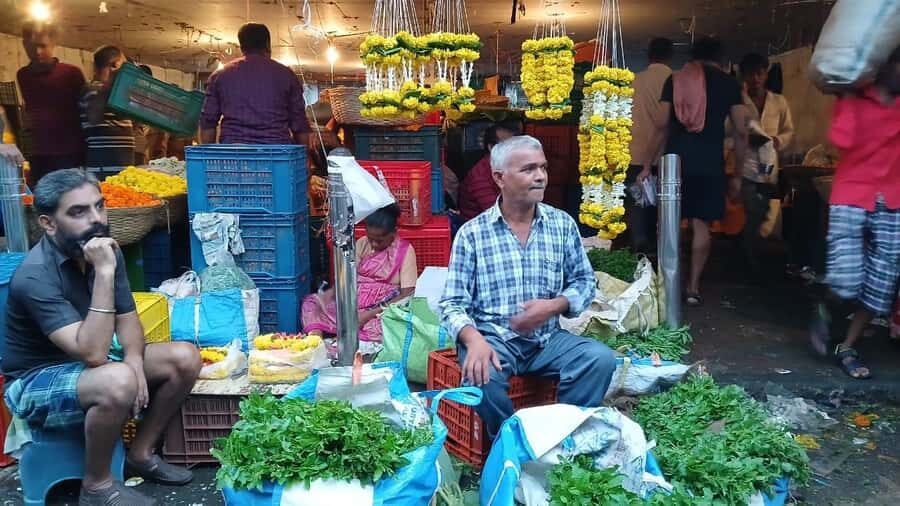
Dadar Flower & Vegetable Market is one of those places you can’t really fake with a photo alone. The first thing you notice is the scent—flowers stacked in small mountains—and the second is motion. People are buying, arranging, bargaining, and carrying. You’re seeing commerce in action, before the rest of Mumbai catches up.
What I like about starting here is that it trains your eyes. You begin the morning close up: layers of petals, crates of vegetables, and vendor logic that makes sense only in the moment. If you pay attention, you’ll realize how much of Mumbai’s culture is tied to daily ritual—religion, cooking, festivals, even gifts—moving through ordinary shopping.
What to watch for
- Flower piles and flower hands: how petals get chosen and grouped
- Vegetable displays: you’ll spot vendors working with speed and familiarity
- The tiny lanes: they force you to slow down and look, not just pass through
A heads-up: this is a public market environment, so expect noise and close quarters. Wear comfortable shoes and keep your phone handy, but be ready for motion around you.
Sassoon Dock and the oldest fishing harbor vibe
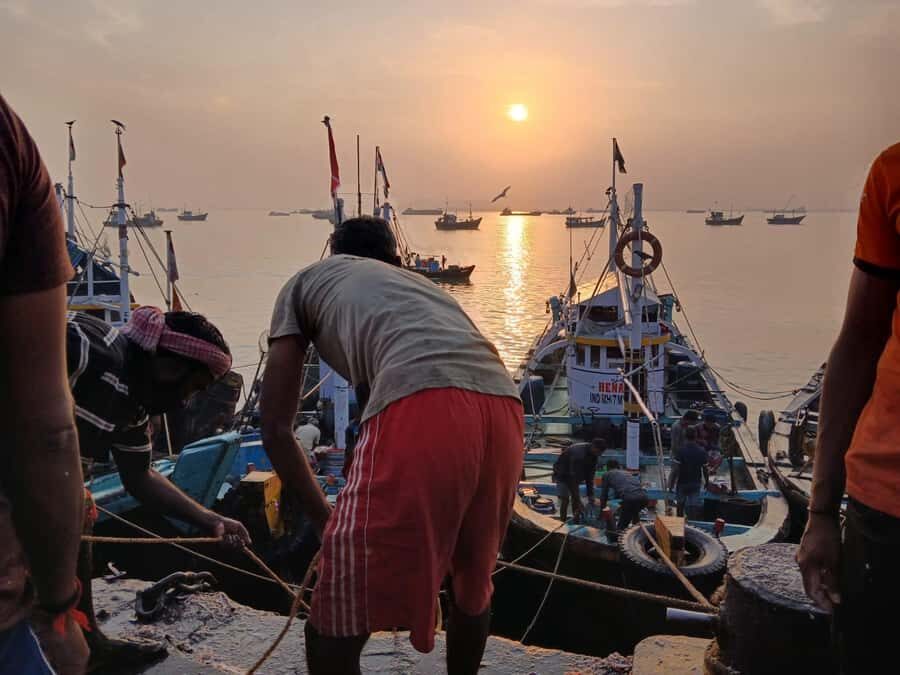
Sassoon Dock feels like Mumbai’s heartbeat in a more physical way than most sightseeing stops. You’re walking into a working harbor where fishermen bring in their catch and a lively auction happens. It’s not a staged performance. The place runs on timing, and dawn is when the action is sharp.
This stop is valuable because it shows the city’s “behind-the-scenes” economy. You see where food and livelihoods begin, not just where people go to eat. The perspective is practical too: you understand why waterfront Mumbai looks the way it does—busy roads, tight spaces, quick transactions.
How to make the most of it
- Keep your attention on the handoff moments: boat to dock, dock to auction
- Watch the flow: people moving fast because the work has deadlines
- If you want photos, ask your guide for the best angles; photo help from the team can make a difference
Sassoon Dock can be intense. Don’t try to photograph everything. Pick a few scenes and let your eyes rest between shots.
Victoria Terminus and Banganga Tank: from grand stone to quiet water
After the harbor work, you need a palate cleanser. That’s where the route’s temple stop helps.
Banganga Tank is a peaceful oasis with ancient temples. Even though you’re in a major city, the tank area gives you a sense of stillness that contrasts with the morning’s busier scenes. This is where you shift from “what are people doing?” to “why do people gather here?” You’ll likely notice how the setting supports routine—prayer, pause, and community space.
This is also where the morning layout earns its keep. Victoria Terminus fits into the story as a nearby landmark stop, and its grand, historic presence helps you see Mumbai as layered: industry and empire-era architecture, commerce and ceremony, all sharing the same urban canvas.
What to expect in practice
- You’ll move from open street activity into more contemplative spaces
- Keep your voice at a lower volume near religious areas
- Use your guide’s explanations to connect the sights rather than treating each stop as a separate photo mission
Dhobi Ghat: the world’s largest open-air laundry, up close
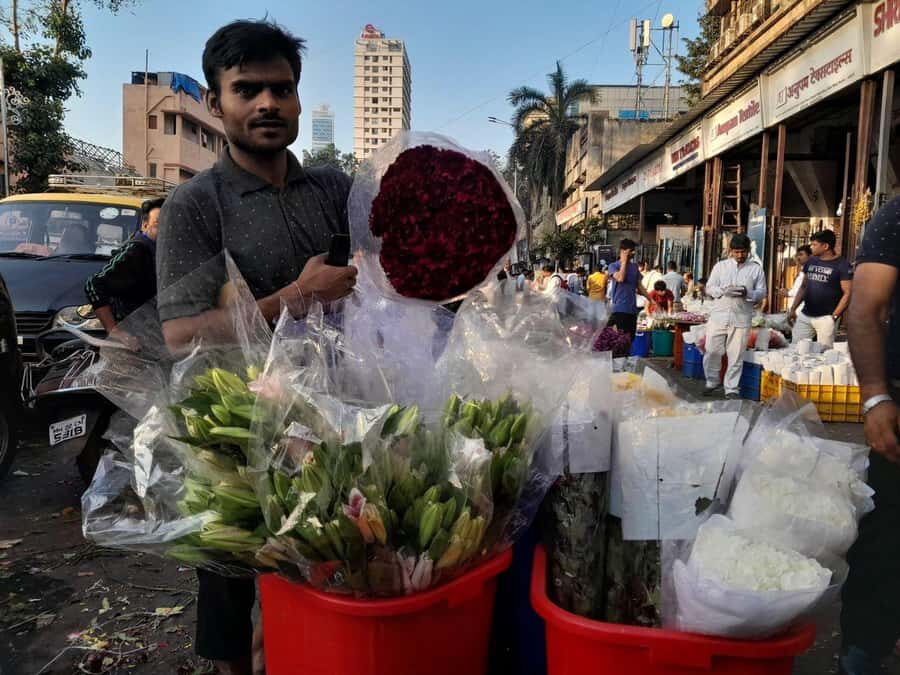
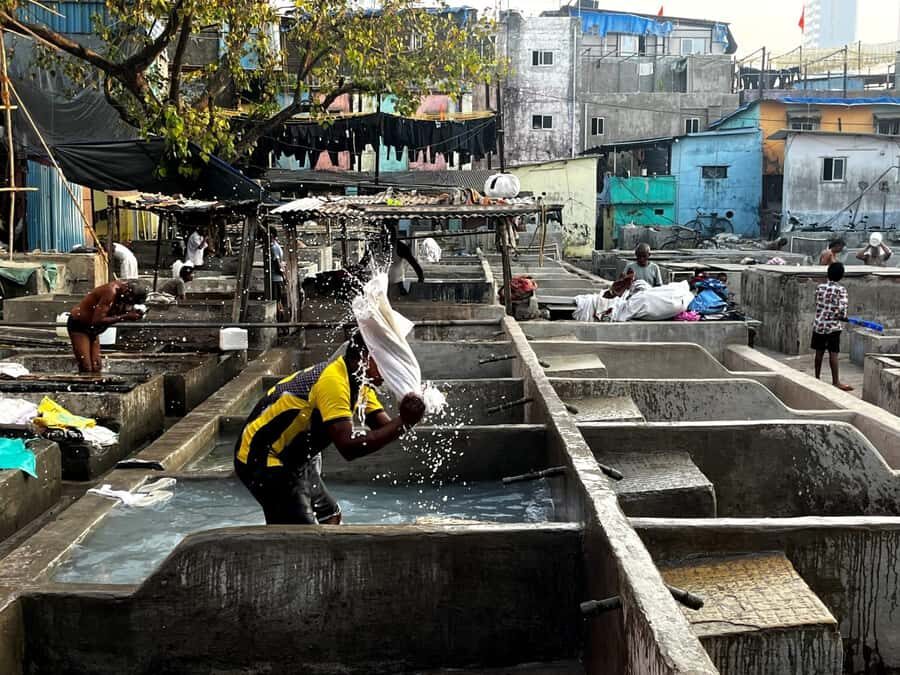
Dhobi Ghat is one of the most striking stops on this kind of Mumbai dawn route because it’s active. Laundry isn’t a museum display here—it’s a working system. You’ll hear the rhythm of washing and see people doing their jobs with the focus of routine.
I like this stop because it’s honest. It doesn’t ask you to pretend you’re a spectator. You’re watching labor, technique, and daily life that keeps moving regardless of whether tourists show up.
How to approach it respectfully
- Don’t block the workflow for better angles
- Keep your focus on the process: water, washing, rinsing, sorting
- If you want photos, use small steps to avoid crowding
This is also where dawn is useful again. In softer morning light, the laundry scenes feel clearer and less hectic than later in the day. Plus, your brain isn’t fried yet—you can absorb the details.




Sunrise at Gateway of India, Taj Hotel, and Marine Drive
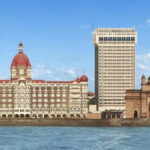
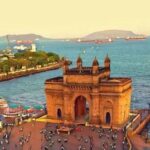
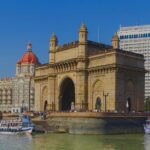
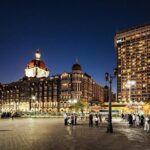
The finale is the reason many people book: sunrise viewpoints around the waterfront. Gateway of India gives you a classic Mumbai landmark silhouette. Near it, the Taj Hotel adds instant glamour to the morning canvas. Then you shift along toward Marine Drive, where the long seafront views help you read the city’s shape against the water.
The big value here isn’t just the skyline. It’s timing and pacing. After markets, docks, and Dhobi Ghat, you’ve spent the morning seeing Mumbai’s everyday machinery. Now you get the city as a single frame—history and modern life layered together by the ocean light.
What to do when you arrive
- Stand where you can face the water without constantly twisting for photos
- Take a minute before shooting to watch the light change across buildings
- Let your guide help you choose where to stand if you want the best sunrise angle
If you’re a photographer, this is the part you’ll feel most satisfied about—especially because the morning has built momentum. You’re not starting cold with skyline photos; you’re ending with them, after understanding the city’s working pulse.
Price and logistics: $27 worth it for this kind of morning?
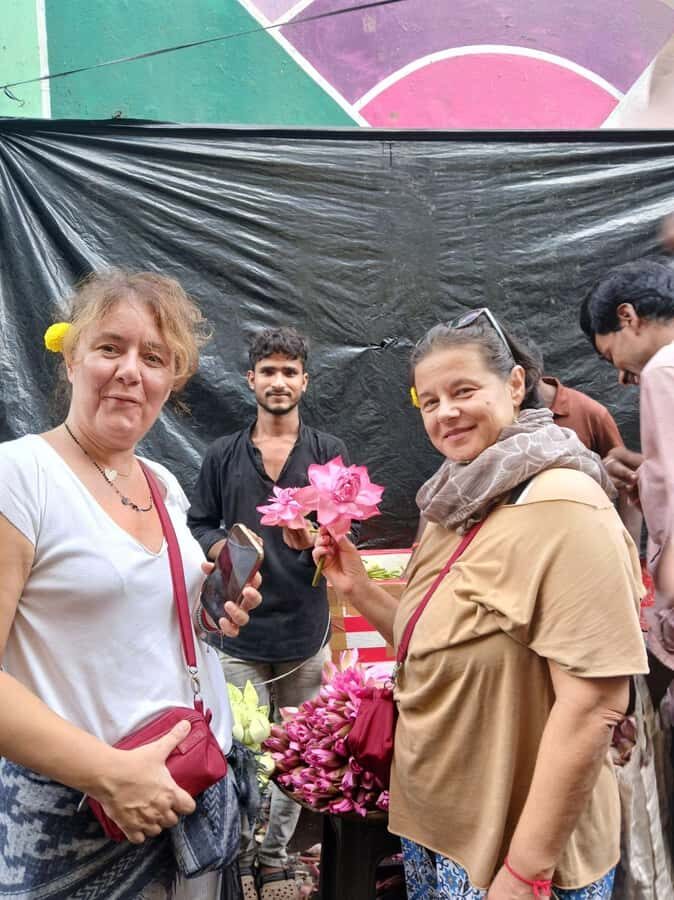
At $27 per person, the price is mainly about three things: transportation, guide time, and packing multiple distinct areas into one run. This isn’t a simple point-to-point ride. It’s a structured morning that moves you through markets, harbor, temples, laundry, and waterfront viewpoints—places that would be harder (and slower) to organize solo.
You get:
- An AC private vehicle for the duration of the tour
- An experienced driver to handle Mumbai streets and close-by movement
- Pick-up and drop-off at your hotel or a specified location within Mumbai
- An English-speaking guide for context at each stop
For a one-morning experience, that’s good value—especially if you want the sunrise payoff without worrying about routing or timing.
If you’re on a tight budget and love independence, you could try mixing these spots yourself. But you’d likely lose the benefit of a guide connecting the dots and the convenience of one vehicle handling the jump between neighborhoods.
Who should book, and who should skip this dawn schedule
This tour is best for you if:
- You want to see Mumbai’s real morning life—markets, working dock scenes, and laundry—then end with landmark views
- You like guided context more than solo wandering
- You prefer an organized route with an English-speaking guide and an experienced driver
You might want to skip it if:
- You don’t handle early mornings well
- You need wheelchair-friendly access (the tour is not suitable for wheelchair users)
- You prefer a relaxed pace with minimal walking and standing
Should you book Mumbai City At Dawn, Visit the Unexplored Spots?
If your ideal Mumbai is part street-level work and part sunrise glamour, I’d book this. The mix is what makes it click: Dadar gives you sensory color, Sassoon Dock adds livelihood, Banganga Tank slows your thoughts, Dhobi Ghat shows living labor, and then the waterfront wraps the morning into one clean visual finale.
One more practical reason: the combination of an AC private vehicle and an English-speaking guide keeps the day from turning into logistics homework. You’re free to focus on the sights.
FAQ
What sites are included in the Mumbai dawn tour?
The tour includes Dadar Flower & Vegetable Market, Sassoon Dock, Dhobi Ghat, Victoria Terminus, Banganga Tank, and sunrise views at Gateway of India, Taj Hotel, and Marine Drive.
What’s included in the price?
Price includes an air-conditioned private vehicle for the tour, an experienced driver, pick-up from and drop-off at your hotel or a specified location in Mumbai, and an English-speaking guide.
Is the tour in English?
Yes. The tour language is English.
Is there a wheelchair option?
No. This tour is not suitable for wheelchair users.
Are personal expenses included?
No. Personal expenses such as shopping and souvenirs are not included.
Can I reserve and pay later?
Yes. The listing offers Reserve & Pay Later, meaning you can book your spot and pay nothing today.