REVIEW · VARANASI
Guide francophone à varanasi – Rakesh
Book on GetYourGuide →Operated by Guide francophone à varanasi - Rakesh · Bookable on GetYourGuide
Banaras makes sense fast with a local guide. With Rakesh, a French-speaking guide born and raised in Varanasi, you get a guided walk built around family knowledge and the city’s little-known corners. I love how he keeps the experience personal and easy to follow, even when Varanasi feels chaotic from the outside.
I especially like the way Rakesh explains what you’re seeing—religion, daily life, and spirituality—without turning it into a lecture. His clear French (and English) helps you understand temple spaces and the meaning behind ceremonies, including what happens around Manikarnika.
One consideration: this is a walking experience through tight areas, so it’s not suitable for wheelchair users, and it may be tiring for people over 80 or too much for kids under 10.
In This Review
- Key highlights you should know
- Why Rakesh’s French Tour Feels Like Real Varanasi
- Meeting at Manmanidr Observatory on Dashashwamedh Road
- Walking Varanasi’s Old Lanes Like a Local
- Nepali Temple: Entry Included, Context Delivered
- Vishalakshi Temple: Understanding Sacred Architecture
- Manikarnika: Cremation Ghats Explained Without the Confusion
- What Makes the 3 Hours Work (and Not Drag)
- Value Check: About $24 for a Small, Focused Tour
- Who Should Book This Tour (and Who Might Skip It)
- Practical Tips for a Respectful, Comfortable Walk
- Should You Book Rakesh’s French Guide Tour of Varanasi?
- FAQ
- How long is the Varanasi tour with Rakesh?
- Where does the tour start?
- What languages are available during the tour?
- How many people are in the group?
- What is included in the price?
- Who is the tour not suitable for?
- Can I get a refund if my plans change?
Key highlights you should know
- French (and English) guide: explanations you can actually follow.
- Small group (max 8): less waiting, more Q&A.
- Hidden temples in Varanasi: you’ll see places most people miss.
- Entry fees included: Nepali temple, Vishalakshi temple, and Manikarnika.
- Ritual context for Manikarnika: cremations and ceremonies put into words.
- Starts near Dashashwamedh Road: you begin in the heart of old Varanasi.
Why Rakesh’s French Tour Feels Like Real Varanasi
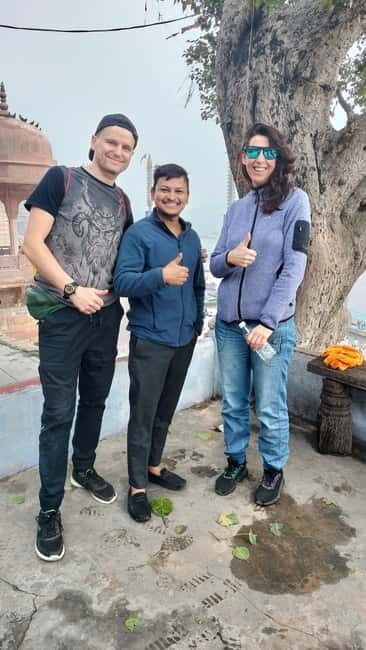
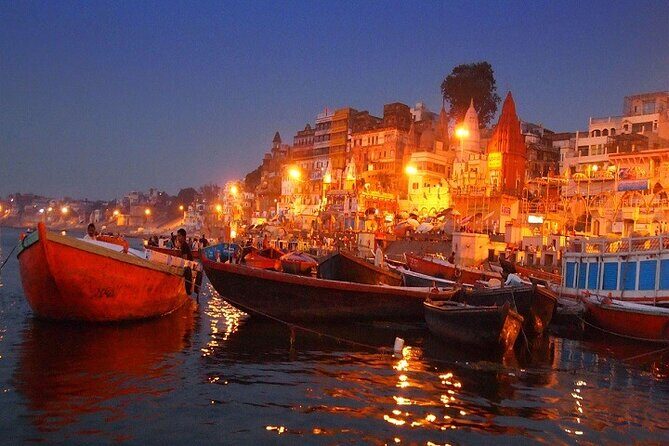
Varanasi, or Banaras, has a way of pulling you in—then confusing you. Streets twist, temples appear where you didn’t expect them, and the Ganges ghats are always doing something. What makes this tour work is not just the fact that it’s guided. It’s that Rakesh knows the city like a second language.
Rakesh is francophone and uses that advantage well. You don’t need to catch every word in a crowd. When he explains a tradition or points out what makes a temple different, you’re not translating in your head. That matters in Varanasi, where the meaning behind a sight is often the whole point.
I also like the calm, patient tone that comes through in the group experience. Even when the city is intense, the tour stays organized. You get a sense of where you are, why you’re there, and what you should look for next. That’s a huge gift in an old city built on layers—religious, architectural, and everyday.
You can also read our reviews of more guided tours in Varanasi
Meeting at Manmanidr Observatory on Dashashwamedh Road
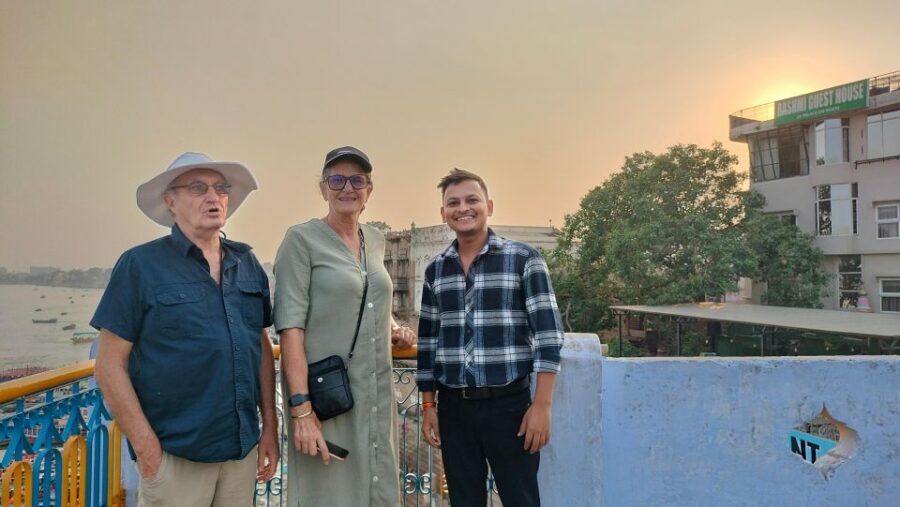
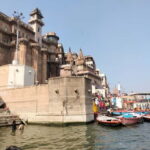
You’ll meet at Manmanidr observatory on Dashashwamedh Road. That location is practical because it keeps you close to the old-city energy without requiring you to arrive at some remote corner and then figure out how to connect.
The tour runs for about 3 hours, and the small group size (limited to 8 participants) keeps it manageable. In practical terms, that means you can move at a human pace and still cover key areas that help you understand Varanasi’s rhythm.
If you’re used to big, loud group tours, expect a different feel here. The tour style is more “walk and talk” than “hop out, take photo, move on.” That’s a better match for Varanasi because the details matter. A single alley can change the atmosphere completely, and a good guide knows when to slow down so you notice.
Walking Varanasi’s Old Lanes Like a Local
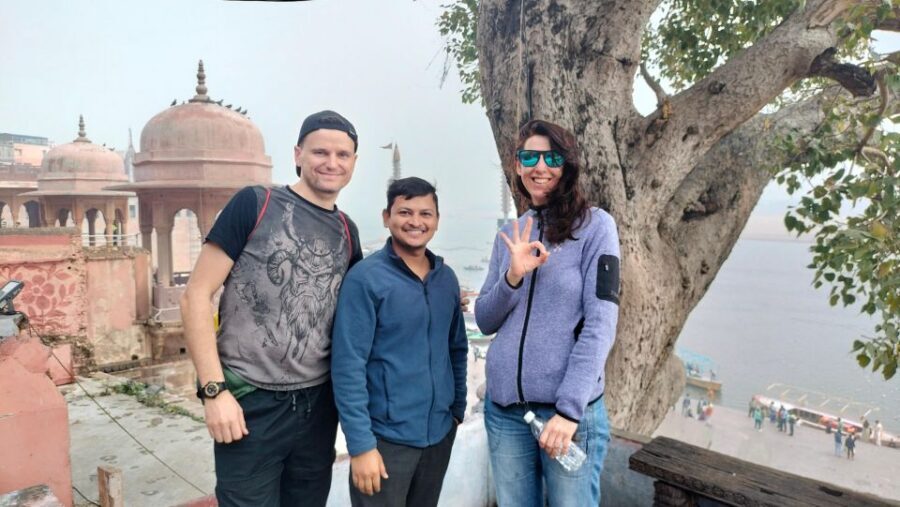
The heart of this experience is the walk through the old city. The goal isn’t just sightseeing—it’s learning how to read the place.
Rakesh leads you through small ruelles (narrow lanes) and shows you routes that help you avoid the dead ends and confusion that first-timers often hit. You’ll feel the logic of the city: where people gather, where a temple feels quiet even in the middle of activity, and how the streets connect religious spaces to daily life.
This is also where the “hidden” part shows up. You’re not only seeing obvious temples at obvious angles. You’re getting pointed toward calmer corners and quieter spots, including temples tucked away where you’d likely pass without noticing the significance.
A respectful walk here is part navigation, part education. In Varanasi, you’ll often be surrounded by strong sights and strong smells. A local guide helps you process it—what you’re witnessing, what it means, and how to approach the moment in a way that doesn’t feel intrusive.
Nepali Temple: Entry Included, Context Delivered
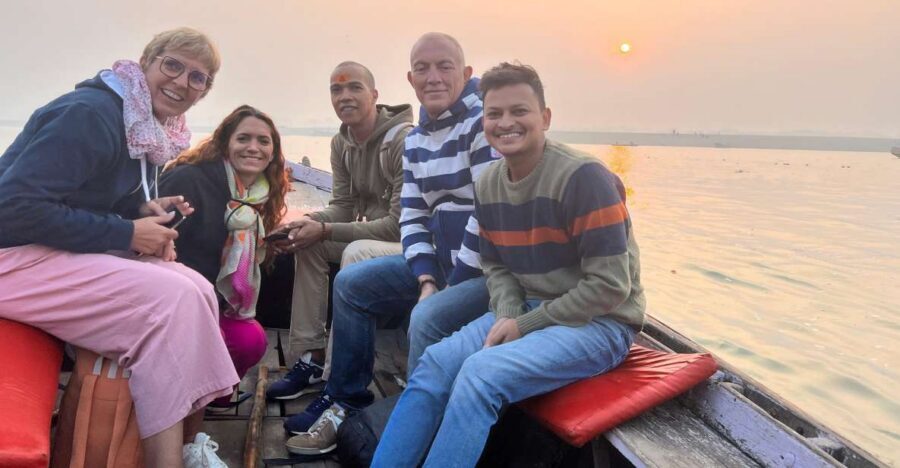
One stop includes an entry fee for the Nepali temple. That’s a small detail, but it’s a big deal for value and flow. You’re not stopping to negotiate tickets or figure out costs while your group is waiting.
In a temple like this, what you get from a guide is usually the difference between looking at decorations and understanding what they’re doing there. Rakesh’s explanations focus on why things exist: religious purpose, tradition, and how worship practices translate into what you see in the space.
And because the guide is French-speaking, the learning sticks more easily. You can ask follow-up questions without feeling like you need to “save” your vocabulary for later. That makes temple visits far more satisfying—especially if you’re not already familiar with Hinduism’s basic framework.
Vishalakshi Temple: Understanding Sacred Architecture
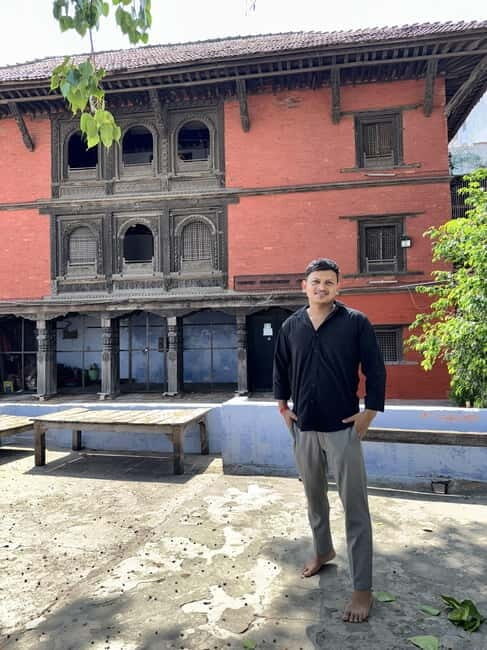
Another included stop is the Vishalakshi temple. Like the Nepali temple, you benefit from built-in entry, which keeps the tour on track and keeps your attention where it belongs: on the experience.
A temple visit is never only about what’s inside. It’s also about what the building communicates—shape, iconography, and spatial design. Rakesh helps connect those visual cues to the religious ideas behind them.
If you’ve ever visited a sacred building and felt that the guide was racing past the meaning, you’ll appreciate the tone here. The explanations are designed to give you the basic keys to understanding what you’re seeing. That’s especially helpful for a place like Varanasi, where architecture and symbolism can feel dense even when you’re looking at something right in front of you.

Manikarnika: Cremation Ghats Explained Without the Confusion
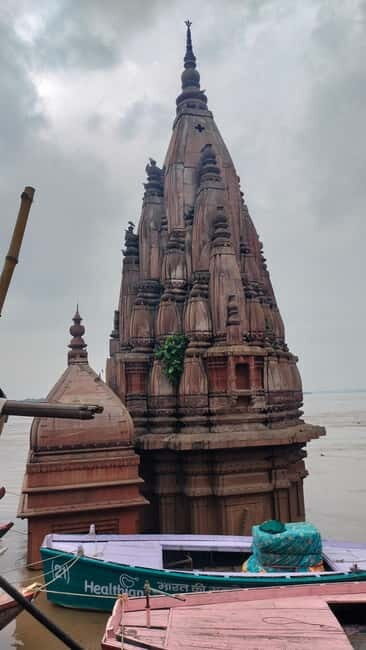
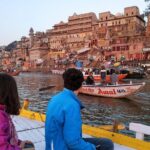
The most intense and meaningful area on this route is Manikarnika. The tour includes entry fees in Manikarnika, which matters because you’ll spend less time figuring out what’s allowed and more time learning what you’re witnessing.
Rakesh talks about the process and the reasons behind ceremonies connected to cremations. He also explains the logic of the spaces where these rituals take place. In a city like Varanasi, where rituals happen in public and meanings are layered, that guidance helps you avoid the common first-timer problem: seeing a powerful event but not understanding the system around it.
You should go into Manikarnika prepared for emotional weight. This isn’t a show. It’s a religious practice embedded in the city’s daily life. Having a guide who can explain the “why and how” gives you something you can’t get from photos: clarity.
Also, don’t expect the tour to be purely documentary. The value is in interpretation. When Rakesh explains ceremonies and architecture in the same breath, you start seeing how the physical place and the spiritual purpose reinforce each other.
What Makes the 3 Hours Work (and Not Drag)
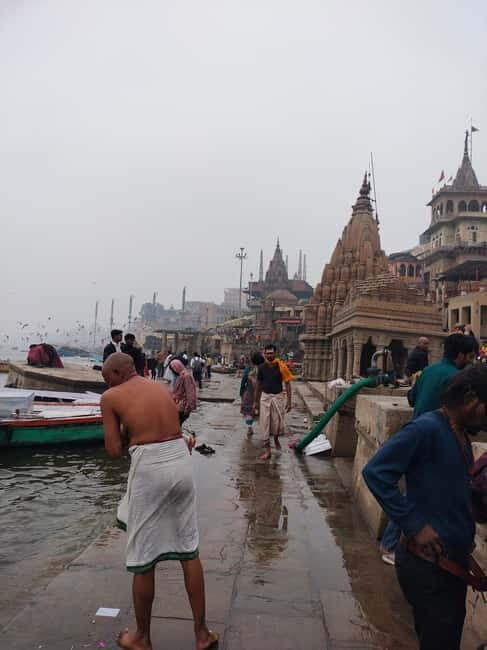
Three hours in Varanasi can be either perfect or overwhelming, depending on pacing and clarity. Here, the structure is tight enough to keep you engaged, but not so rushed that you miss what matters.
A small group (max 8) helps you avoid the classic problem of old-city tours: one slower person turns the whole experience into a traffic jam. With fewer people, the guide can adjust pace based on questions, pauses, and how you’re reacting to what you see.
Language support also improves the pacing. If you’re choosing this specifically because you want French (or English), you’ll feel that effort in how the tour flows. Explanations come before confusion spreads, so you can keep up without constantly stopping to “catch up.”
And with included one bottle of water, you don’t have to keep checking for basics while you’re trying to concentrate on the sights.
Value Check: About $24 for a Small, Focused Tour
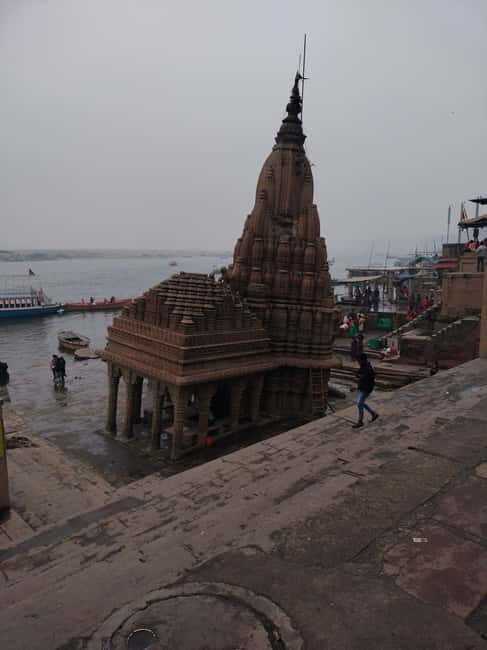
At $24 per person for a 3-hour guided walk, the value comes from more than the price tag.
First, you’re getting a live guide in French or English, not just a self-guided route. That’s key here. Varanasi isn’t just a set of landmarks; it’s a place where context determines whether the visit feels meaningful.
Second, the price includes entry fees for multiple sacred sites: Nepali temple, Vishalakshi temple, and Manikarnika. That reduces hassle and protects the tour’s timing. You’re paying once and moving through the experience without constant add-ons.
Third, the group size is capped at 8. That’s an underrated value factor. In old cities, small groups typically mean fewer delays, better answers, and more personalized attention. You can ask a question and actually get time to process the answer.
If you’re trying to see Varanasi through a lens of understanding—spiritual meaning, traditions, and how the city functions—this is priced like a practical learning experience rather than a rushed sightseeing package.
Who Should Book This Tour (and Who Might Skip It)
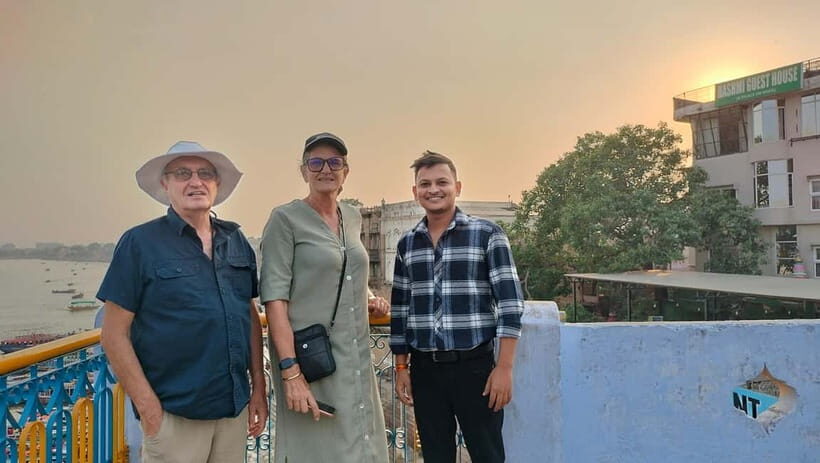
This is a good match if you want:
- A French-speaking guide (Rakesh) to explain Hinduism and the sites you visit
- A small group walk with time for questions
- A route that includes major sacred areas like Manikarnika, with explanation to reduce confusion
It’s not a good match if:
- You need wheelchair accessibility (it’s not suitable for wheelchair users)
- You’re traveling with children under 10
- You’re over 80 and expect lots of walking and tight areas
If you’re in the middle—adult traveler, comfortable walking, open to cultural and religious context—this tour is one of the more sensible ways to get clarity in a city that can otherwise feel like sensory overload.
Practical Tips for a Respectful, Comfortable Walk
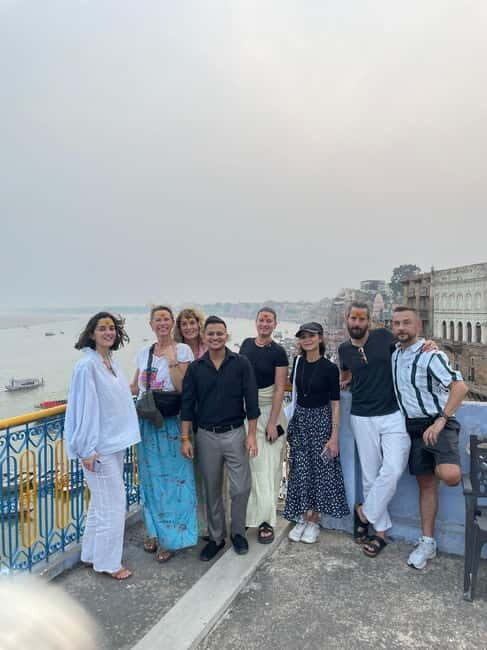
A few practical things will make the difference between “I saw things” and “I understood things.”
- Wear shoes that handle uneven old-city streets. You’ll be walking and weaving through narrow lanes.
- Bring a light layer if weather turns. Even in a short tour, Varanasi can feel hot or suddenly cooler depending on conditions.
- Keep your questions ready. If French or English is your limit, ask small, direct questions. A good guide can work with that quickly.
- Be emotionally prepared for Manikarnika. The area includes rituals around cremations, and it can feel intense.
Most importantly, let the guide set the pace. In places like temples and ghats, rushing usually makes the experience less respectful and more stressful for you and for the people nearby.
Should You Book Rakesh’s French Guide Tour of Varanasi?
Book it if you want Varanasi with explanations, not just photos. The combination of small group size, French/English guidance, and included access to sites like Vishalakshi temple and Manikarnika makes it a strong value for what you’re trying to learn in a short time.
Skip it if mobility is limited or if you want a relaxed, low-walking experience. Since the route involves walking through areas that may be tight, it’s not the right fit for everyone.
If your goal is to feel oriented in Varanasi and walk away with a clearer sense of religion, tradition, and daily life—this is an efficient, human way to do it.
FAQ
How long is the Varanasi tour with Rakesh?
The tour lasts 3 hours.
Where does the tour start?
The meeting point is Manmanidr Observatory on Dashashwamedh Road.
What languages are available during the tour?
The live guide speaks French and English.
How many people are in the group?
The tour is a small group limited to 8 participants.
What is included in the price?
In addition to the guide, the tour includes one bottle of water and entry fees for the Nepali temple, Vishalakshi temple, and Manikarnika.
Who is the tour not suitable for?
It is not suitable for children under 10, wheelchair users, or people over 80.
Can I get a refund if my plans change?
Yes. You can cancel up to 24 hours in advance for a full refund.