REVIEW · NEW DELHI
Old Delhi Temples and Spice Market Tour
Book on GetYourGuide →Operated by Vijay Kumar · Bookable on GetYourGuide
Old Delhi can feel like sensory overload in the best way. I love how this tour gets you from Rajiv Chowk straight into the spice-stuffed heart of old Delhi, and I love the focus on real places of worship, led by Vijay Kumar. The one drawback to plan for: you’ll be walking through busy, crowded lanes for much of the 2.5 hours.
If you’re short on time but want more than a quick photo stop, this works because it layers markets, temples, and viewpoints into a tight route. The rooftop break after the spice market and the stop at the Sikh Gurudwara make the whole experience feel meaningful, not just busy-shopping. Still, it’s not ideal for people with back issues or anyone sensitive to motion, since there are tuk-tuk rides and uneven walking.
In This Review
- Key things that make this tour worth your time
- From Rajiv Chowk to Old Delhi: getting into the right neighborhoods fast
- Khari Baoli spice market and the rooftop pause that makes sense
- Fatehpuri Masjid and the Old Delhi landmarks you can’t quite see from afar
- Shri Digambar Jain Atishay Kshetra Lal Mandir: a calmer pocket inside loud streets
- Kinari Bazaar: where Old Delhi shopping turns from spices to trims
- Sis Ganj Guru Dwara: faith history and the community kitchen that hits hard
- The Red Fort exterior view: history you can connect to the street
- Price and value: what $22 actually buys you in Old Delhi
- Who this tour fits best (and who should rethink it)
- Should you book this Old Delhi Temples and Spice Market Tour?
- FAQ
- Where is the meeting point?
- How long is the Old Delhi Temples and Spice Market tour?
- What transport is included during the tour?
- What is included in the price?
- Is food included?
- Is this tour suitable for wheelchair users or people with back problems?
Key things that make this tour worth your time
- Khari Baoli at market scale: you’ll see Asia’s largest wholesale spice market in action, not just a souvenir version of it
- Fatehpuri Masjid + Red Fort exterior viewing: guided context on major Mughal-era landmarks, without long lines
- Jain temple stop with a “tunnels and shops” feel: places of worship tucked into street-level lanes
- Kinari Bazaar for textile and trim shopping vibes: a different kind of market energy than spices
- Sis Ganj Guru Dwara and the community kitchen: learn about the faith and witness the feeding mission
- A calm, photo-aware guide: Vijay Kumar keeps you moving while still giving you time to look around
From Rajiv Chowk to Old Delhi: getting into the right neighborhoods fast
This is a compact tour built to save you the stress of figuring out transport on your own. You meet at Rajiv Chowk Metro Station at Gate No. 2, then you head into Delhi’s older lanes via metro and short tuk-tuk hops.
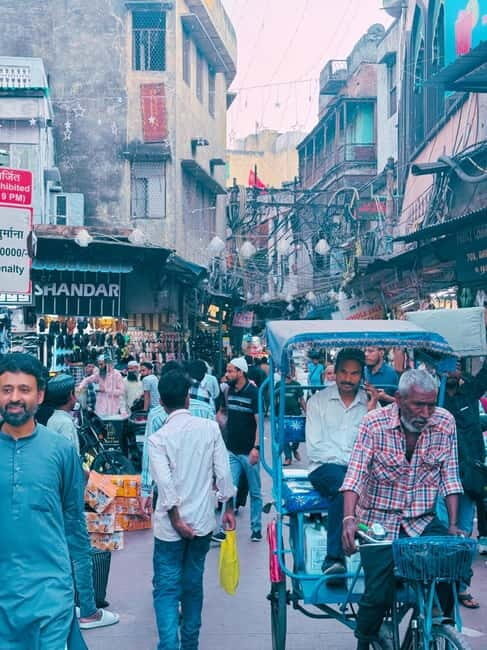
Once you’re headed toward Old Delhi, the pace stays active. You’ll do a mix of riding and walking, with photo stops and guided segments sprinkled throughout, so you’re not stuck standing in one spot for the whole 2.5 hours. I like this format because you get momentum early, and the experience builds instead of feeling random.
One practical point: wear shoes you can trust on uneven pavement. Old Delhi streets can be tight, and markets mean you’ll be threading around people with bags, vendors, and bikes. If your tolerance for crowd density is low, you’ll want to know that up front.
You can also read our reviews of more shopping tours in New Delhi


Khari Baoli spice market and the rooftop pause that makes sense
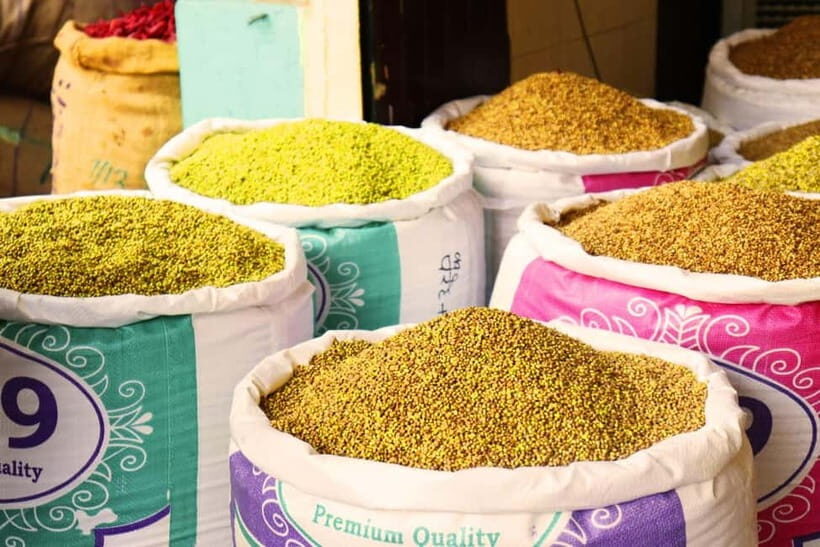
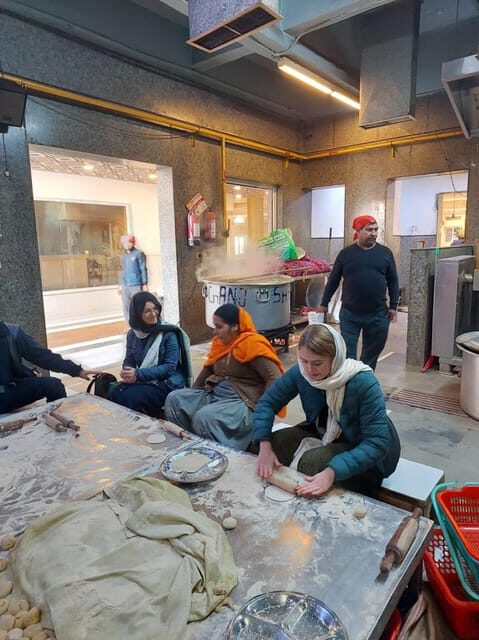
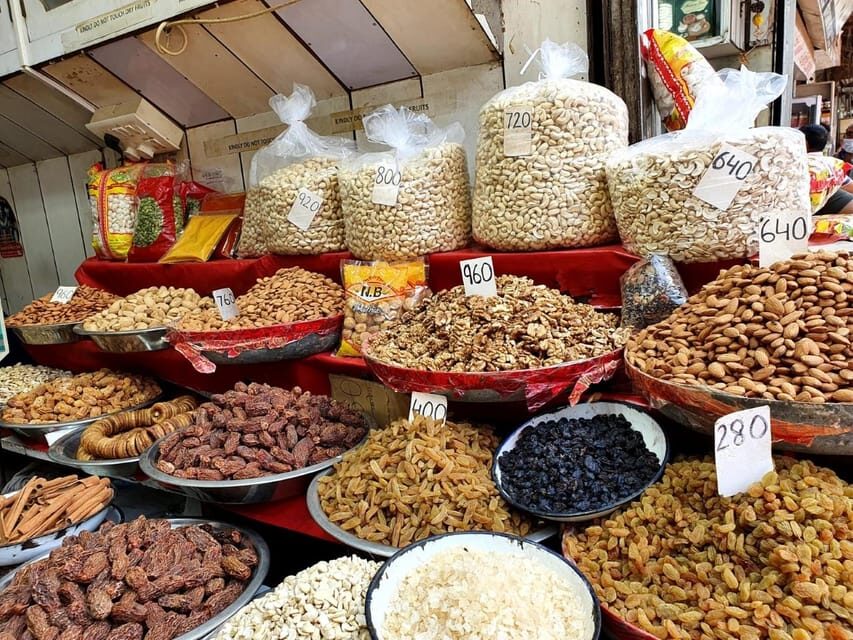
The tour’s spice moment centers on Khari Baoli, the famous wholesale market. You’ll spend time around the spice trading lanes that supply merchants across the city, so it feels more like a working market than a curated tourist stop. Expect strong smells, fast-moving crowds, and shelves and sacks that make spices look like a visual language.
There’s also a brief tuk-tuk segment that helps you cover ground without exhausting you. After the spice market, you get a rooftop view of Old Delhi, which is a smart move. From up high, you can spot the street geometry and understand how the lanes funnel people through the markets.
You can also stop at the spice stalls if you want to buy. The tour gives you a choice rather than pressure, which matters here. Spices can be affordable, but buying by the scoop without knowing what you’ll actually use later is easy. If you go shopping, I’d keep it simple: pick a few items you’ll cook with soon, and ask for the one you can recognize by name.
If you’re sensitive to smells or have asthma, this stop can still be worth it if you pace yourself. Take your time, keep water handy, and don’t push through if your breathing gets tight.
Fatehpuri Masjid and the Old Delhi landmarks you can’t quite see from afar
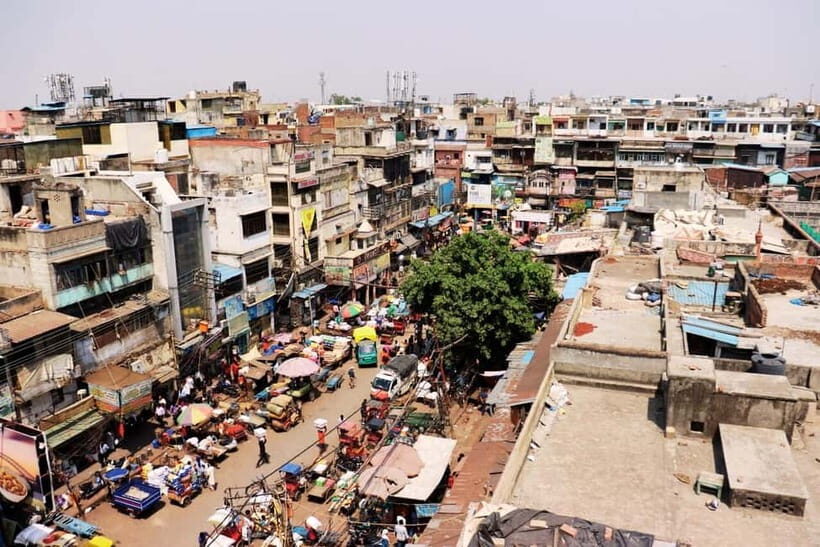
After the spice area, the tour shifts toward the major landmark zone. You’ll make a photo stop and guided visit at Fatehpuri Masjid, a key Mughal-era mosque connected to the wider Red Fort area. Even if you’re not a hardcore architecture person, the guide’s explanations help you connect what you see to what it meant in the city.
One reason I like this stop: you get meaning without needing a full museum timeline. You’ll learn what the mosque signals in the landscape and how this area functions as a religious and historic corridor. It’s the kind of context that makes your photos feel less like random images and more like a story.
You’ll also get an outside look at Red Fort, even though you’re not doing a full interior visit. That works well for this specific tour length. You still get to align the fort with the surrounding streets in your mind, and then you move on before you lose the thread.
Shri Digambar Jain Atishay Kshetra Lal Mandir: a calmer pocket inside loud streets
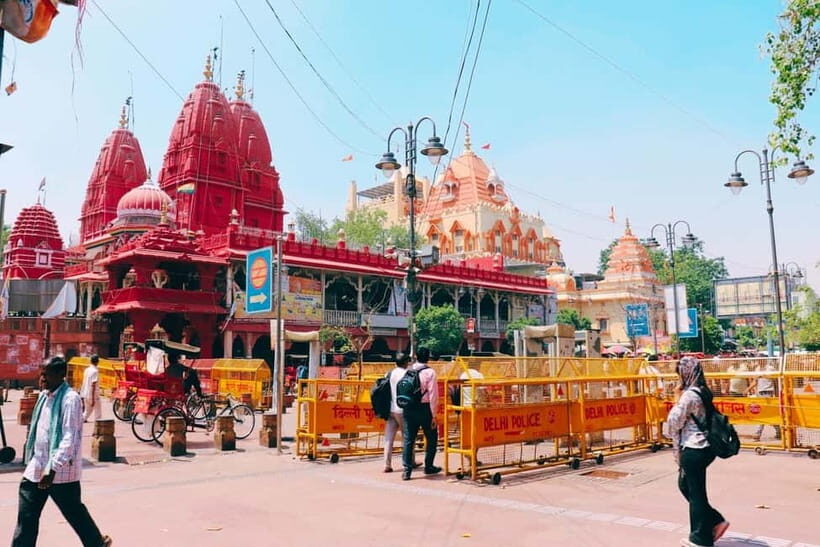
Next comes a change of pace. You’ll visit Shri Digambar Jain Atishay Kshetra Lal Mandir, a Jain temple that stands in a very specific kind of contrast to the spice market chaos. The vibe shifts: crowds are still there, but the focus narrows into worship space and temple details.
The tour includes photo time and a guided walkthrough, plus a bit of walking between points. This is where the experience earns its variety. Markets can teach you about trade and everyday life, but temples teach you about devotion and community identity, and Jain sites often feel different from what you’re expecting.
One detail I found especially compelling is how this stop can feel like it has unexpected pockets—more than just one main hall. You might notice side lanes, shops, and the sense that the temple life blends with street life. If you like discovering small patterns rather than ticking boxes, this part tends to land well.
Dress and behavior matter in places of worship. Keep your voice down, follow any local cues from your guide, and treat it like a sacred stop, not a photo studio.
Kinari Bazaar: where Old Delhi shopping turns from spices to trims
After the Jain temple, you move into Kinari Bazaar, which feels different right away. Instead of spices, you’re in a textile-and-accessories kind of zone—often associated with wedding and festive needs, like decorative trims and materials.
This is a good market stop if you want to see how Old Delhi isn’t one-dimensional. The city’s economy changes street to street: wholesale spices over here, then decorative goods over there. That variety helps you understand why Old Delhi has such a steady flow of people.
You’ll spend time on a guided tour and walking through the bazaar. For shopping, you’ll have a chance to browse, but you’re not stuck being herded. I like that the tour structure gives you time to look without turning it into a nonstop sales pitch.
If you enjoy negotiating, do it politely and keep it quick. If you don’t enjoy it, you can still shop window-style and learn what products are used for and why they matter in ceremonies.
A few more New Delhi tours and experiences worth a look




Sis Ganj Guru Dwara: faith history and the community kitchen that hits hard
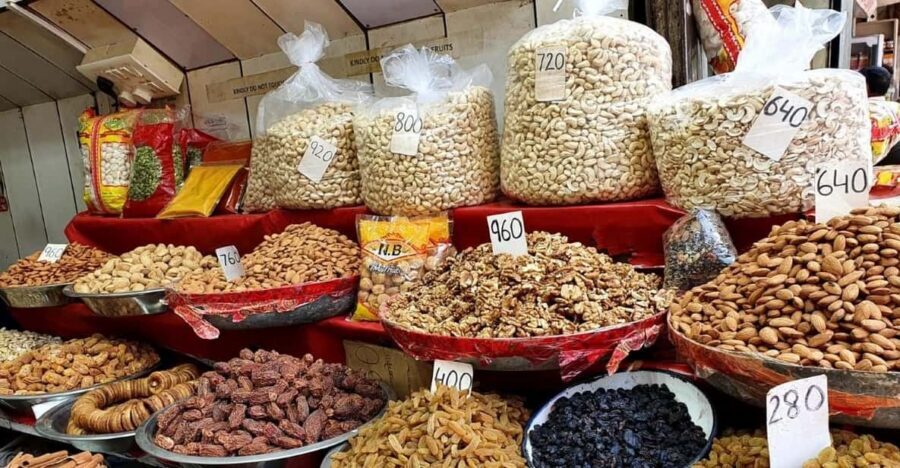
This is the emotional highlight of the route. You’ll stop at Sis Ganj Guru Dwara for photo time, visit, and guided explanation. You’ll learn about Sikhism and the significance of this site in Delhi’s story, including the darker parts of history that shaped the community.
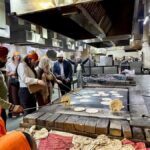
What makes this stop stand out in a lasting way is what you see beyond the religious architecture. The tour includes time to experience the community kitchen side of the Gurudwara—where food is prepared and served to many people every day for free. Seeing that mission in action changes the way you understand the place. It’s not only about spiritual symbolism; it’s about practical support.
Because food and drinks aren’t included on the tour, you won’t necessarily get a meal as part of the booking. But you’ll still be able to witness how the kitchen supports the hungry, and your guide will help connect that to the wider values of the Gurudwara.
Come ready to feel something. This portion has a respectful, reflective tone compared with the market energy, so mentally switch gears when you arrive.
The Red Fort exterior view: history you can connect to the street
The Red Fort appears in your experience as an exterior viewing and contextual explanation rather than a full-entry visit. That’s actually a good match for a 2.5-hour tour. You get the big landmark in the right location, then your guide ties it back to the earlier mosque and the surrounding city layout.
You may also get extra time or a slightly flexible moment for photos and orientation. In places like this, having a guide who knows when to pause matters. You want enough time to take a decent shot without feeling like you’re holding up the group.
Think of this as your “map moment.” Once you’ve seen the fort area from the street, Old Delhi becomes easier to read later on your own.
Price and value: what $22 actually buys you in Old Delhi
At about $22 per person for a 2.5-hour tour, the value comes from what’s included and how it reduces your planning burden. You get metro tickets, tuk-tuk fare, packaged water, and an English-speaking local guide.
Those transport pieces matter because Old Delhi can be hard to navigate efficiently without knowing the best routes. When you pay separately for metro entries, short rides, and a guide, the cost quickly adds up. Here, the tour bundles those moving parts into one simple price.
What’s not included is food and drinks. You’ll likely be passing through markets and you might want snacks or drinks during the walking time. If you’re the type who gets hungry mid-walk, plan to buy something nearby later, since the tour price doesn’t cover it.
Also keep in mind the timing: this tour is short, so it’s best for people who want highlights, context, and a few meaningful stops rather than a long, slow wander.
Who this tour fits best (and who should rethink it)
This walk is best for travelers who enjoy street-level Old Delhi—markets, temples, and the everyday energy around them. If you like learning as you go, you’ll appreciate having your guide explain what you’re looking at instead of guessing.
It’s also a solid option if you want a photo-friendly route. The itinerary includes photo stops at multiple locations, and your guide’s style is geared toward timing that doesn’t rush you.
But it’s not for everyone. It’s listed as not suitable for people with back problems, wheelchair users, people with motion sickness, babies under 1 year, and people over 95 years. I’d add one more practical thought: if you’re uncomfortable in very crowded market lanes, you’ll want to consider whether a more spacious vehicle-based tour would feel better.
Should you book this Old Delhi Temples and Spice Market Tour?
I’d book it if you want a focused Old Delhi sampler that mixes markets with sacred sites and actually explains why they matter. The combo of Khari Baoli spice market, Fatehpuri Masjid, the Jain temple visit, Kinari Bazaar, and the Sis Ganj Gurudwara kitchen gives you variety in a short time. You also get a clear human touch from Vijay Kumar, who tends to keep the route calm and photo-aware while still moving efficiently.
Skip it if you need a low-walking, low-crowd experience, or if motion and uneven streets are hard for you. Since the tour includes tuk-tuk rides and lots of walking through active areas, you’ll feel that pace.
If your goal is to leave Old Delhi feeling like you understood more than just what things look like, this is a strong choice for the price.
FAQ
Where is the meeting point?
You meet at Rajiv Chowk Metro Station at Gate no. 2.
How long is the Old Delhi Temples and Spice Market tour?
The duration is 2.5 hours.
What transport is included during the tour?
You use a metro ride (about 25 minutes) and tuk-tuk rides between some stops.
What is included in the price?
Included are metro tickets, tuk-tuk fare, packaged water, and an English speaking local guide.
Is food included?
No. Food and drinks are not included.
Is this tour suitable for wheelchair users or people with back problems?
No. It is not suitable for wheelchair users and people with back problems. It is also not suitable for people with motion sickness.