REVIEW · MUMBAI
Mumbai: City Tour, Elephanta Caves, Dharavi Slum W/Options
Book on GetYourGuide →Operated by Amaze Tours · Bookable on GetYourGuide
Mumbai hits you fast. This tour strings together UNESCO Elephanta Caves with everyday Mumbai neighborhoods, so you get both the big-ticket sights and real local life in one day. I love how the day balances major landmarks like Gateway of India, CST, and Marine Drive with hands-on stops such as Dhobi Ghat laundry and Mani Bhavan. I also like that the Elephanta side is explained properly by island guides like Daivat and David, so the carvings make sense instead of just looking impressive. One possible drawback: you’ll face 100+ steps at Elephanta, and it’s not a good fit if you have back or mobility issues.
What makes this experience especially workable is the structure: you get hotel-area pickup, a private AC car with a driver, ferry tickets, entrance fees, and an English-speaking guide who keeps things moving. If you choose the full-day All Inclusive option, Dharavi is included, and that’s where guides like Dawood can turn a “slum tour” into a story about work, trade, and community. The only other consideration is timing: the ferry rides can feel long or rough, and during monsoon months strong winds can cause delays or cancellations.
In This Review
- Key takeaways before you go
- The right day plan for first-timers in Mumbai
- Gateway of India to CST: getting your bearings fast
- Marine Drive, Hanging Gardens, and Malabar Hill viewpoints
- Elephanta Caves: the UNESCO stop you’ll remember
- The ferry ride
- The climb and the cave approach
- Guided time inside the caves
- Monsoon reality check
- Dharavi: beyond the label, into work and community
- A note on walking pace
- The city stops that add texture: Mani Bhavan, Banganga Tank, Dhobi Ghat, Oval Maidan
- Duration and timing: how to choose the right option
- Comfort, heat, and what to pack
- A/C expectations
- Value for money: is $32 per person a good deal?
- Who should book this Mumbai city + Elephanta + Dharavi tour
- Quick FAQ for planning your day
- FAQ
- Is the Elephanta Caves visit included?
- How do you get to Elephanta Island?
- Will I need to climb stairs at Elephanta?
- Is this tour suitable for mobility impairments?
- What happens if the ferry is delayed or cancelled in monsoon season?
- What should I bring for the day?
- Is hotel pickup available?
- Should you book?
Key takeaways before you go
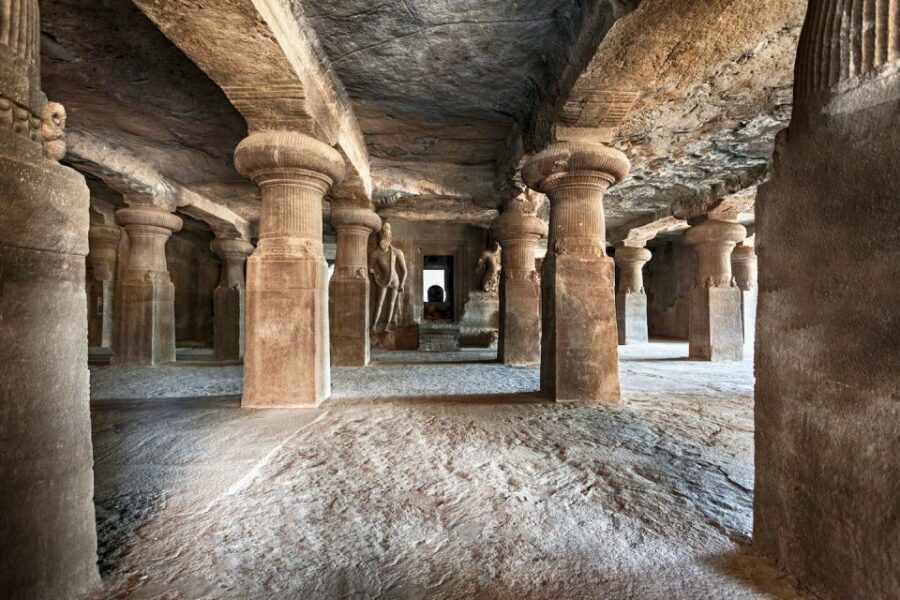
- UNESCO Elephanta Caves with island guides who explain Shiva iconography and the famous three-faced Shiva sculpture
- Ferry tickets and cave entrance fees are included on most options, so you’re not juggling payments mid-day
- Dharavi included on the All Inclusive full-day choice, with guides such as Dawood showing real industries
- City sights hit in one run, from CST and Marine Drive to Hanging Gardens, Dhobi Ghat, and Banganga Tank
- Not step-friendly: no elevator at Elephanta, and you’ll climb well over 100 steps
The right day plan for first-timers in Mumbai
This is the kind of tour I like for cities that can overwhelm you. Mumbai has a lot going on at once, and doing it by yourself means you’d spend too much time guessing routes, timings, and what’s worth your limited daylight. Here, you get a built-in rhythm: a city loop first, then the ferry to Elephanta Island, then Dharavi (if you select the all-inclusive full day).
You’ll usually start with pickup from your hotel area or an agreed pickup zone, then drive through South Mumbai highlights. The day is designed so you can connect the dots between old colonial-era buildings, waterfront life, and modern street-level Mumbai industry.
Also, the tour is offered as a private format. That matters. Private means you can ask questions on the spot, slow down if the heat hits, and keep your preferences in mind as you go.
You can also read our reviews of more city tours in Mumbai


Gateway of India to CST: getting your bearings fast
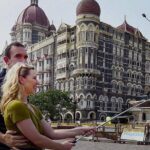
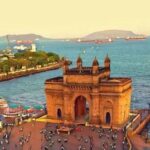
The day typically begins near the water at Gateway of India, where you’ll see that iconic archway with the Arabian Sea beyond it. Even if you’re not an early morning person, it’s a smart first stop because it anchors the geography. From there, you’re positioned to understand why so much of Mumbai’s energy spills toward the coastline.
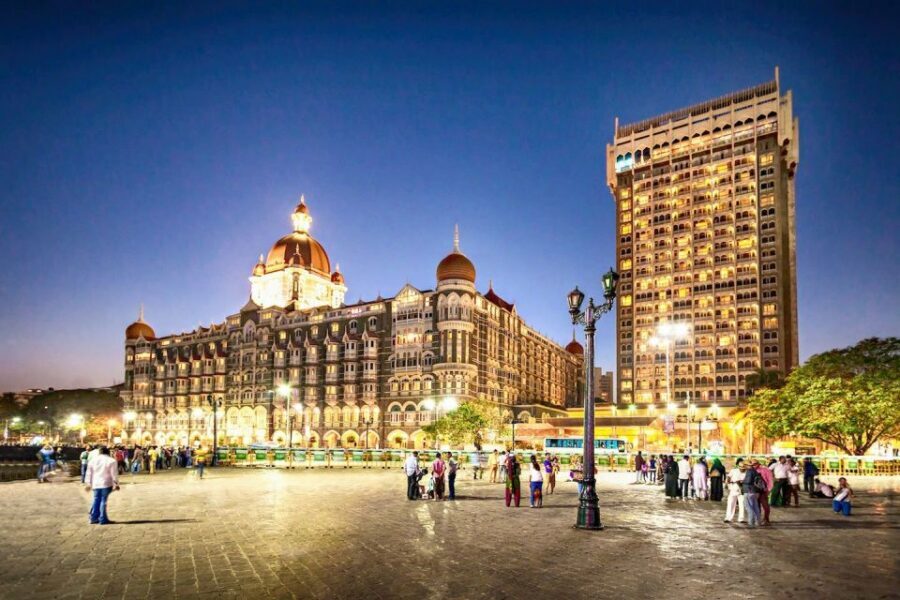
A short hop away is the Taj Mahal Palace Hotel area, which gives you a taste of the city’s grandeur and history without getting stuck in a museum. It also helps the rest of the route make sense, because the South Mumbai sights are tied to trade, sea travel, and the historic rise of the city.
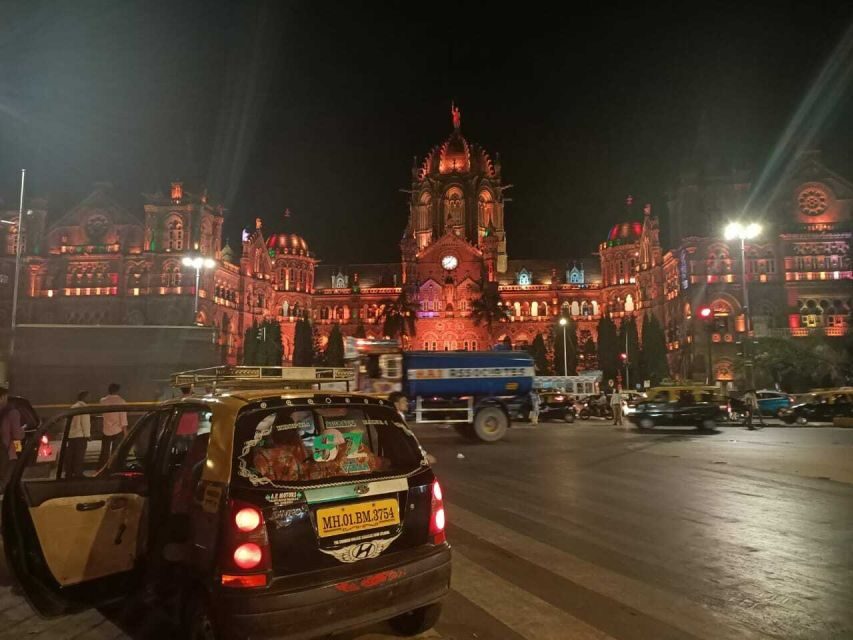
Next comes Chhatrapati Shivaji Maharaj Terminus (CST), a UNESCO World Heritage Site. This is one of those places you should not skip. The architecture blends Victorian Gothic features with Indian design elements, and the station doesn’t just feel old. It feels functional and alive. A quick guided look helps you notice what you’d otherwise miss, like how the building’s style reflects the era it was built in and how it connects to the movement of people.
CST also becomes a turning point in the tour. After you understand the railway hub and the waterfront, the rest of the day reads like a map, not a list.
Marine Drive, Hanging Gardens, and Malabar Hill viewpoints
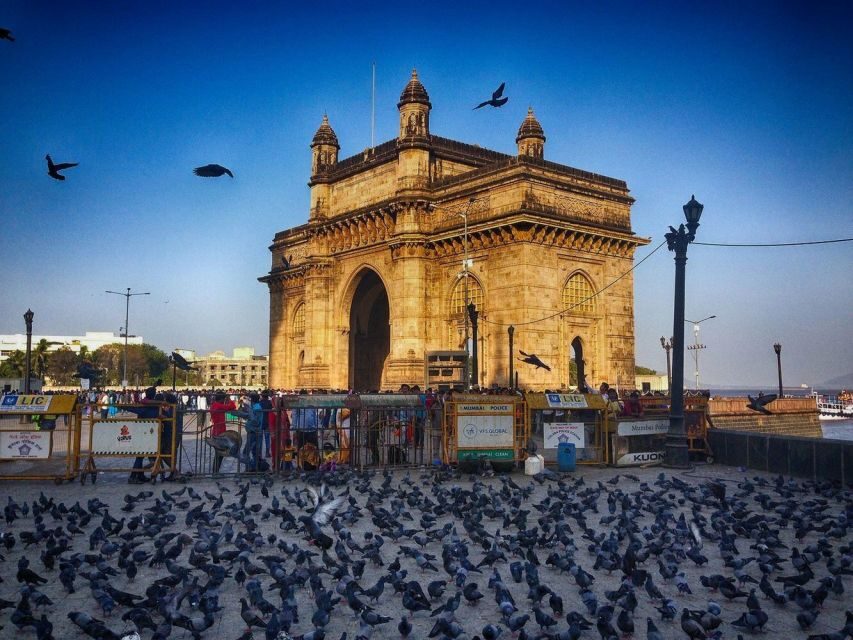
From CST you typically head toward Marine Drive, famous for its curve and the lights that give it the nickname Queen’s Necklace. If you’re there in daylight, it still works. You’ll be able to see the sweep of the bay and get those classic city-water photos without needing night conditions.
Then you’ll reach Malabar Hill for the Hanging Gardens area. This is a lovely pause in the day, because it offers panoramic city views plus greenery that feels calmer than the streets below. The stop is usually short, so I treat it like a viewpoint and a quick breather more than a full wandering session.
Why I like this part of the route: it gives you contrast. Mumbai isn’t only traffic, crowds, and buildings. You can also see how people carve out calm spaces above the city’s pulse.
Elephanta Caves: the UNESCO stop you’ll remember
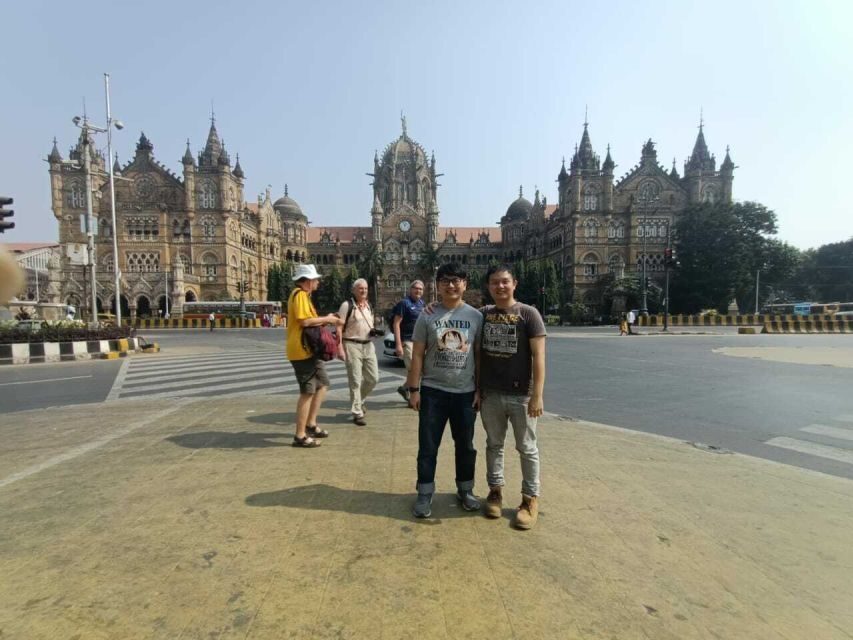
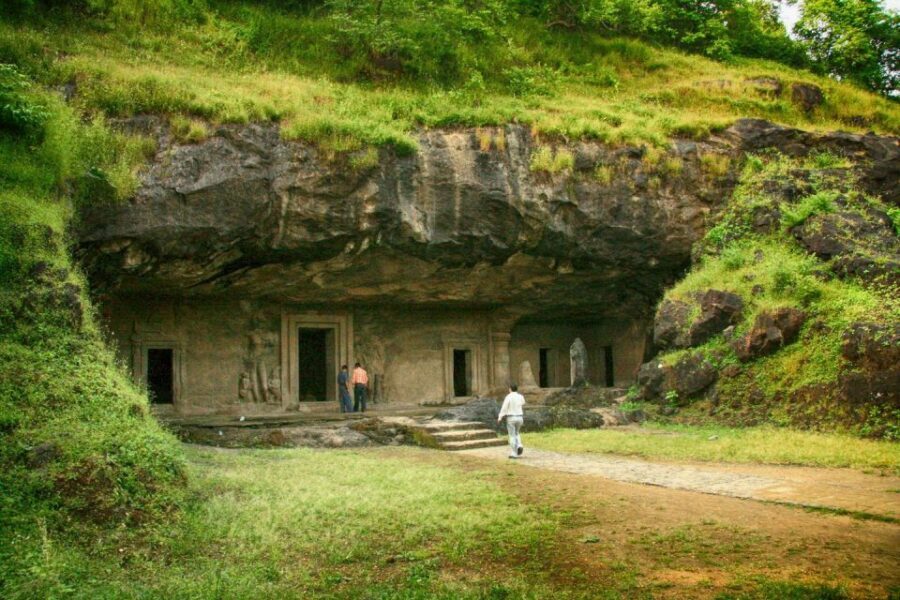
Elephanta Caves are the reason many people book this day in the first place, and with good reason. You take a ferry to Elephanta Island, then climb up to the rock-cut temples dedicated to Lord Shiva. The big visual payoff is the renowned three-faced Shiva sculpture, plus a whole set of carvings that tell a story if someone explains what you’re looking at.
The ferry ride
Expect a ferry crossing of about an hour each way, and in practice it can be longer depending on conditions and crowds. Some rides feel rough, especially if you’re prone to motion sickness, so pack sea-sickness medication if you need it. On busy days, the boat ride can feel crowded, and you’re spending time sitting and waiting rather than sightseeing.
If you get seasick easily, this is the one part you should plan for, because the caves portion will ask more physical effort once you arrive.





The climb and the cave approach
There’s no elevator at Elephanta. You’ll climb 100+ steps to reach the entrance area, and many experiences peg it around 120 steps. Comfortable shoes matter. If you have knee trouble, this is a real consideration. Also, bring water if your guide allows time for it, since you’ll be in sun and humidity before the shade of the caves.
Guided time inside the caves
The cave section typically includes a guided walkthrough and time to see the carvings closely. That guide portion is crucial. Several island guides lead these visits, and the praise for them is consistent: guides from the island—like Daivat and David—explain the religious meaning and iconography in a way that turns the statues from decoration into message.
If you only walk through without context, you’ll still be impressed. But with a guide, you’ll leave with a sense of why these forms exist and how the story of Shiva shows up across the site.
Monsoon reality check
This tour includes ferry transport, but monsoon weather can change everything. During monsoon months (July to mid-September), ferries can be delayed or cancelled if winds are strong. In that scenario, you’re offered an alternative: visiting Kanheri Caves in Mumbai or receiving a 30% refund. If you’re traveling in that window, I’d treat flexibility as part of your plan, not a bonus.
Dharavi: beyond the label, into work and community

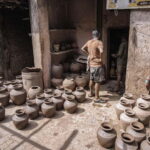
Dharavi is included only if you choose the all-inclusive full-day option. If you do, the experience is structured around industry and people. It’s not just a photo stop. You’ll see small-scale production and recycling—things like pottery and leather, plus textiles and other trades that keep the area running.
This is the part of the day where guide choice really matters. In the feedback I saw echoed through different days, Dawood stands out for his storytelling style: he’s funny, direct, and local, and he can personalize the walk. Another named guide who gets strong praise is Dinesh, who explains why the industries matter and how the talented people who live and work there contribute to the area’s rhythm.
You’ll typically visit points where you can observe how work happens—often described as bustling but organized in its own way. The key takeaway for your brain is that Dharavi is not only poverty or only entrepreneurship. It’s a mix, and the tour tries to show that balance without turning it into a spectacle.
A note on walking pace
Some city stops and slum portions involve more moving around than you might expect, especially after ferry time and cave steps. If you’re tired from heat or long flights, it helps that a good local guide can shorten or pace certain sections so you still get meaning without burning out.
The city stops that add texture: Mani Bhavan, Banganga Tank, Dhobi Ghat, Oval Maidan
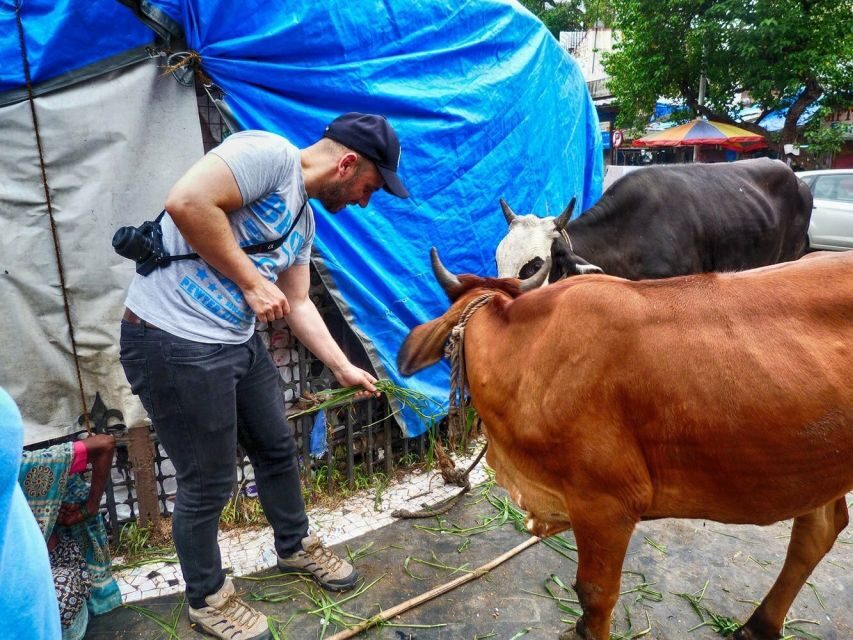
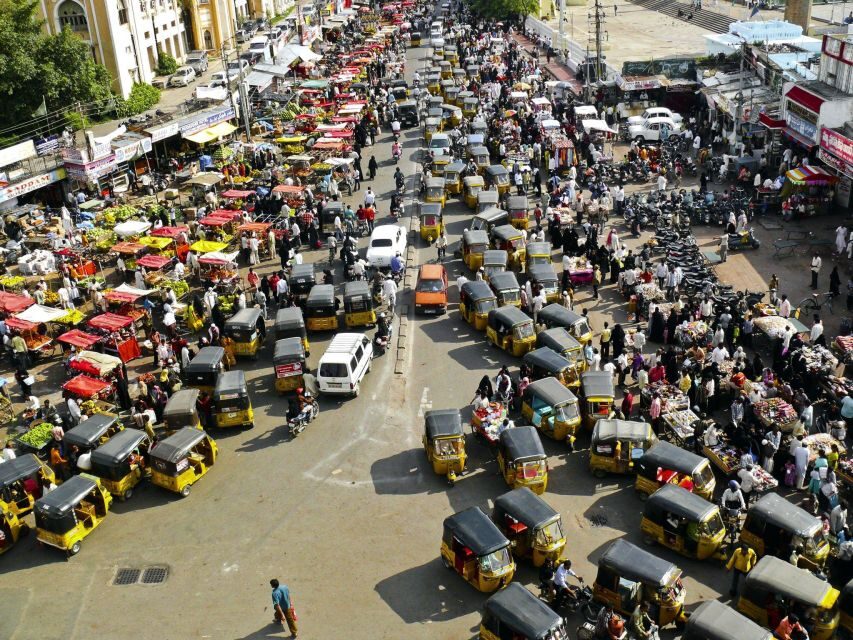
One of the benefits of bundling so many areas in one day is that Mumbai stops feeling like a blur. A set of smaller stops adds texture and keeps the story moving.
Here are a few that commonly appear:
Mani Bhavan: This is often guided and usually treated as a 30-minute type of stop. Even when it’s not long, it’s a place that gives Mumbai more context beyond architecture.
Banganga Tank: Another guided stop, often around 20 minutes. It’s a good breather that also connects you to how water and sacred spaces shaped local life.
Dhobi Ghat: Expect a guided visit plus walking. You’ll see Mumbai’s open-air laundry system and hear explanations about how it works. This isn’t a quick look-from-the-side kind of stop, and the guide element helps you understand the flow of water, space, and labor.
Oval Maidan: Usually a shorter stop (about 10 minutes). It functions like a reset point—enough time for a photo and a sense of scale in the city’s open space.
If you like cities where the day has a narrative arc, these stops deliver that. If you prefer fewer stops and more time to relax, you might find the schedule intense, especially with ferry time and the Elephanta climb.
Duration and timing: how to choose the right option
The experience length can range from about 4 to 10 hours depending on the option you pick. That’s a wide window, and it matters for two reasons:
1) Your energy level on a big day
Elephanta alone asks for steps and travel time. Add Dharavi and multiple city neighborhoods, and the day becomes heavy.
2) What’s actually included
Some options exclude Elephanta. Others exclude city pickup from a hotel, depending on whether you start from a meeting point. The all-inclusive full-day version is the one that brings together city sights, Elephanta, and Dharavi together.
If your goal is to see the most with the fewest logistics headaches, go full-day all-inclusive. If your priority is only the caves, pick the option that matches your time and energy.
Comfort, heat, and what to pack
This day is outdoors more than you might think: waterfront areas, viewpoints, and the ferry, then steps at Elephanta, plus walking back through city neighborhoods.
So pack like it’s a warm day even if you don’t think it will be:
- Comfortable shoes for the steps and walking
- Sunglasses and a sun hat
- Plan for humidity and bright light
Also, there’s a practical rule: no luggage or large bags. If you travel with bigger gear, plan to leave it somewhere safe before your tour day.
A/C expectations
Private air-conditioned vehicle service is included on the private-car options, but one note from real-world experience is that at least one group reported the A/C wasn’t working well. I can’t promise your car will be perfect, so if heat is an issue for you, I’d mentally budget for some warmth during transfers and keep water nearby.
Value for money: is $32 per person a good deal?
At about $32 per person, this is priced like a budget-friendly way to cover three major experiences: major city landmarks, the UNESCO Elephanta stop with ferry tickets and entrance fees (on the options where Elephanta is included), and Dharavi on the all-inclusive choice.
Here’s why it can be good value:
- You’re paying for organization: pickup, transportation, guides, and time-saving ferry coordination
- You’re covering paid components (ferry tickets and cave entrance fees) on the relevant options
- You’re getting local expertise at places where a guide changes what you understand—especially Elephanta
Where value can drop:
- If you accidentally choose an option that excludes Elephanta or excludes hotel pickup, you might end up paying for fewer parts of what you wanted. So match the option to your priorities.
In plain terms: this works best when you’re using it as a single-day shortcut to multiple priorities without sweating logistics.
Who should book this Mumbai city + Elephanta + Dharavi tour
You should book if you:
- Want a one-day overview of Mumbai’s biggest landmarks plus real local life
- Like having someone explain what you’re seeing, especially at Elephanta
- Prefer a private format where you can ask questions and adjust pacing
You should think twice if you:
- Have back problems or mobility limits, because the Elephanta climb is a deal-breaker for many people
- Get motion sick on boats, because the ferry ride can be rough
- Need lots of downtime between stops, because the day moves
Quick FAQ for planning your day
FAQ
Is the Elephanta Caves visit included?
It depends on the option you choose. Elephanta can be excluded if you select the Mumbai half-day sightseeing tour option, while other options include the ferry and cave visit.
How do you get to Elephanta Island?
You take a ferry to and from Elephanta Caves. Ferry tickets are included on the options that cover the Elephanta visit.
Will I need to climb stairs at Elephanta?
Yes. There is no elevator, and you will climb more than 100 steps to reach the Elephanta Caves (often described as about 120 steps to the entrance).
Is this tour suitable for mobility impairments?
No. It isn’t suitable for people with back problems or mobility impairments due to the steps and walking involved.
What happens if the ferry is delayed or cancelled in monsoon season?
During monsoon months (July to mid-September), strong winds can cause ferry delays or cancellations. In that case, you may be offered the option to visit Kanheri Caves in Mumbai or receive a 30% refund.
What should I bring for the day?
Bring comfortable shoes, sunglasses, and a sun hat.
Is hotel pickup available?
Pickup is optional and available from Mumbai Airport and several hotel areas including North Mumbai, Juhu, Santacruz, Andheri, Powai, and Goregaon.
Should you book?
Yes, if you want one day that connects the UNESCO drama of Elephanta with Mumbai’s everyday reality at Dharavi and you don’t mind a full schedule. This is especially strong when you choose the all-inclusive full-day option, because the Dharavi and city guides make the day feel like a coherent story rather than separate stops.
No, if stairs are a problem or if you know ferry rides will wreck your comfort. In that case, you’ll enjoy the city side more than the Elephanta component, or you’ll want an alternative plan that doesn’t rely on the island climb.