REVIEW · LEH
Ladakh Sham Valley Trek
Book on Viator →Operated by Ladakh Backpackers · Bookable on Viator
Short trek, big Ladakh effort. In three days, you walk between Likir and Ang over passes like Phobe La and Mebtak La, stay in simple homestays in Yangthang and Hemis Shukpachen, and rely on a trek guide who keeps the pace sensible at altitude. I especially like the way this route mixes gentle walking with high passes, so it feels like a real trek instead of a stroll. One thing to keep in mind: Day 1 can be warm and dry, with stretches that have little shade or water, and bottled water isn’t included, so you’ll want to plan your hydration.
If you’re looking for a beginner-friendly trek that still takes altitude seriously, this is a smart choice. The Sham Valley is often called the Baby Trek, but you’re still walking around the 3,500–3,800m range, so you’ll break a sweat even on the easier days. The tour starts at 8:00am with pickup from Leh’s Kushok Bakula Rimpochee Airport area, and you’ll finish back near the same meeting point after being driven down from Ang/And.
In This Review
- Key things that make this trek worth your time
- Sham Valley in plain English: what you’re really doing
- Day 1: Likir to Yangthang via Phobe La and Chagatse La
- Day 2: Tsermangchen La, then down to Hemis Shukpachen
- Day 3: Mebtak La prayer flags, then the gorge to Ang/And
- Price and logistics: what $400 covers (and what it doesn’t)
- Your guide and the small-team touch
- Homestays in Yangthang and Hemis Shukpachen: the local side of “comfort”
- Fitness level: what beginner means here
- Practical packing tips for this specific route
- Who should book the Sham Valley “Baby Trek”
- Should you book this Sham Valley trek?
- FAQ
- How long is the Ladakh Sham Valley Trek?
- Where does the trek start, and when do we depart?
- What’s included in the price?
- What isn’t included?
- What fitness level do I need?
- Is pickup included?
- What if the weather is bad?
Key things that make this trek worth your time
- A “short” 3-day trek that still includes multiple passes around 3,580m–3,750m
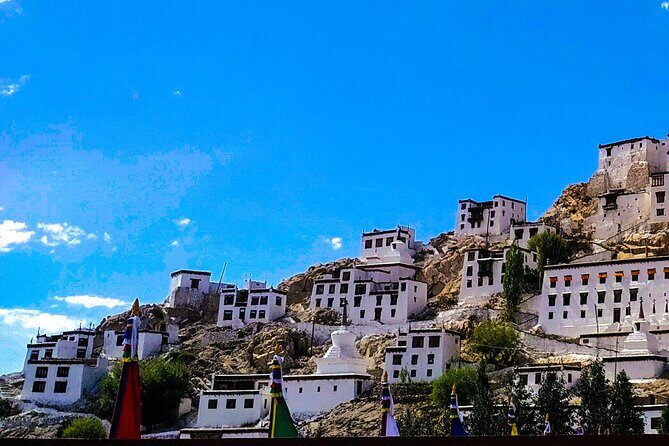
- Homestays in Yangthang and Hemis Shukpachen for a more local feel than lodge trekking
- A guide-led, organized plan with walking sticks included and meals covered
- Beginner pacing with real altitude effort (gentle gradients, but you can still feel it)
- Great scenery around streams, willows, and barley fields near Hemis Shukpachen
- Value pricing for what’s included at about $400 per person
Sham Valley in plain English: what you’re really doing
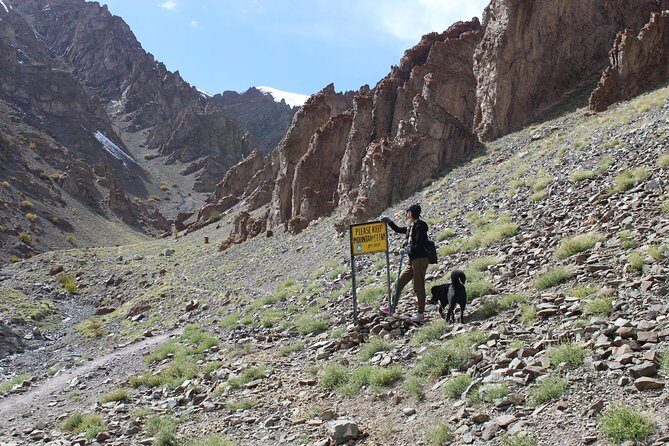
The Sham Valley trek is a short loop-style walk through Ladakh’s quieter side, designed for people who want trekking time without committing to a full multi-week adventure. It’s commonly marketed as a “warm-up” trek, and that’s fair—your route is broken into manageable days with several passes, none of which are described as brutally technical.
But here’s the reality check: “easy” in Ladakh doesn’t mean “easy altitude.” Over three days, you’ll move through thin air and change elevations repeatedly. Even when the gradients are gentle, you’ll feel the effort in your breathing. If you treat it like a hike back home, you’ll be surprised. If you treat it like a slow trek with steady pauses, you’ll enjoy it.
You can also read our reviews of more hiking tours in Leh
Day 1: Likir to Yangthang via Phobe La and Chagatse La
Your day starts with a drive from Leh to Likir (about 58 km). Likir is at roughly 3,650m, and even though the trek portion doesn’t sound like it’s long on paper, the trek starts you off at altitude right away.
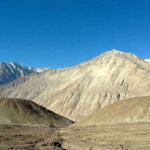
From Likir, the trail heads west up toward Phobe La (around 3,580m). The route then continues onward to Sumdo village, and the walking keeps trending upward until you reach Chagatse La (around 3,630m). This is the kind of Day 1 that reminds you Ladakh can be dry and exposed. The trail route is described as warm, with limited shade and little/no water along the way.
After crossing into the area near Yangthang, there’s also the Ridzong Monastery, which is about an hour south of Yangthang. You’ll spend the night in a homestay in Yangthang.
What I like here: Day 1 sets a clear rhythm. You’re climbing and adapting from the start, so the rest of the trek feels more predictable.
What to watch: If you dislike sun and thirst management, Day 1 will test you. Since bottled water isn’t included, bring enough you can trust.
Day 2: Tsermangchen La, then down to Hemis Shukpachen
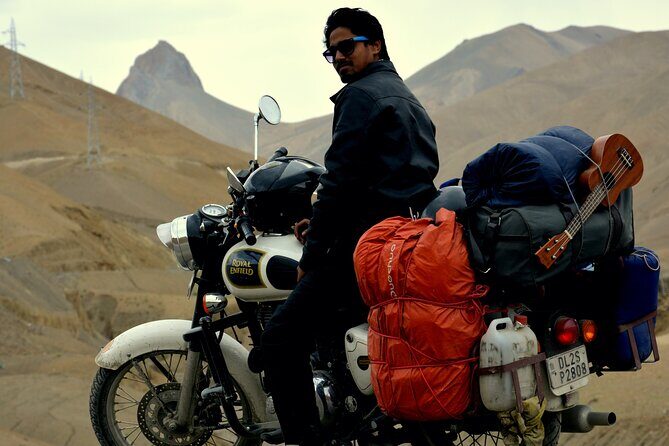
Day 2 is the “good news” day for your legs. The walking is described as easy despite the pass crossing, because both the approach and descent have gentle gradients. You head north, descend for a bit, and cross a stream before the trail climbs again toward Tsermangchen La (around 3,750m).
At the pass, you take a short rest—this matters more than it sounds. Those breaks are when you let your breathing settle and reset your pace before the descent.
From Tsermangchen La, you walk down to Hemis Shukpachen. This village has a strong identity: it’s named after a grove of cedars, and it’s one of the prettier stops in the valley. The setting is described with streams, shady willows, and big barley fields—green touches in a place that otherwise feels rock-and-sky.
You sleep in a homestay in Hemis Shukpachen.
What I like here: the shift in scenery. Day 2 gives you more life—water running, willows for shade, and barley fields that make the area feel inhabited rather than just scenic.
Practical consideration: even if Day 2 feels gentler, you’re still at high elevation. The “easy day” can still be tiring if you walk too fast.
Day 3: Mebtak La prayer flags, then the gorge to Ang/And
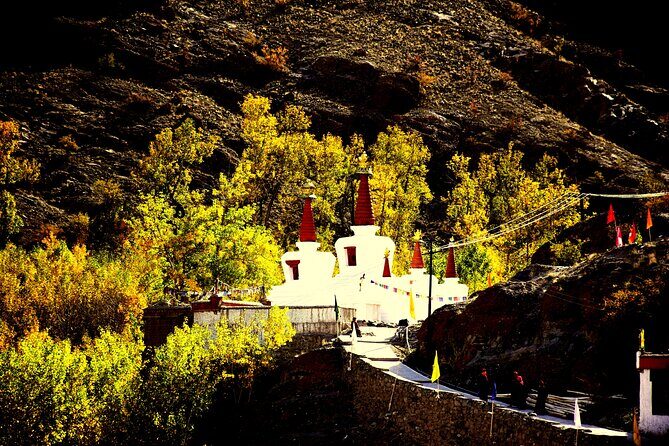
The last day is described as fairly easy, with a route that rises between two hillocks west of your starting village. After that, the trail veers south and climbs more steeply up to Mebtak La (around 3,750m), marked by prayer flags.
That steep pull is the one moment on Day 3 that feels like a true trek moment. It’s short, but it gets your heart rate up—again, partly because altitude doesn’t care about your plans.
Once you reach the pass, you start down through a gorge toward Ang village. At that point, your driver meets you (the meeting point is described as And/Ang) and you’re driven back to Leh. The tour ends back at the same meeting area near the airport.
Why this day feels satisfying: you get the classic Ladakh pass-and-flags moment, then a descent that feels like payoff—walking from the heights into a valley return.
Price and logistics: what $400 covers (and what it doesn’t)
At $400 per person for about 3 days, the big question is value. The tour includes:
- Private transportation
- Breakfast, lunch (packed), and dinner
- A trekking guide
- Walking sticks
- Homestay accommodation
- Pickup offered, plus group discounts (when applicable)
- A mobile ticket
- A private setup for your group only
That’s a lot covered for a short trek—especially the guide, homestays, and meals. In Ladakh, those pieces are rarely “free,” and they’re the main reasons trekkers end up spending more than they expect.
What’s not included is also important. You’re not given:
- Tips
- Porters
- Bottled waters
- Ponies
- Insurance
- Medical emergency coverage
So, if you prefer to travel with light packing and minimal planning, this is still manageable, but you’ll want to bring your own hydration plan and have a basic buffer for any extra comfort costs.
Also note: the experience requires good weather. If conditions aren’t suitable, you’ll be offered a different date or a refund.
Your guide and the small-team touch
One of the best parts of this trek is how organized it feels once you’re on the ground. The operator team includes Fida Hussain Tangrong, who has handled guest requests and gets praised for careful coordination and planning. On the trail, you may be guided by someone like So-nam, who was described as experienced, kind, and patient.
I like these details because they tell you what to look for: a guide who helps you pace through altitude, explains where you’re going, and keeps the day from turning into a race. On a short trek, that guidance matters even more—there’s less “time cushion” if you push too hard early.
Homestays in Yangthang and Hemis Shukpachen: the local side of “comfort”
You’re staying in homestays in Yangthang and Hemis Shukpachen. That means you trade the predictability of hotels for something more personal. Based on guest feedback, the accommodation quality is generally described as high for homestays, which is a good sign if you’re worried about comfort.
This isn’t luxury trekking. It’s practical. You should expect basic rooms, shared living spaces, and the kind of hospitality that comes from locals hosting rather than hospitality companies running a standardized operation.
Why I think this is good value: homestays put you closer to village life during the part of the trip you’ll remember most—morning and evening, when the valley quiets down.
Fitness level: what beginner means here
The trek is recommended for people with moderate physical fitness. “Beginner” here means you won’t be doing technical scrambling. It doesn’t mean you won’t work.
You should expect:
- Short climbs to passes
- Repeat altitude effort across three days
- A need for steady pacing and breaks
The tour description also points out a basic level of fitness is required. That matches what the route profile suggests: multiple passes around the 3,600–3,750m band.
If you’re coming straight from a low-altitude vacation and you tend to rush, do yourself a favor: walk slower than your normal pace, drink regularly, and treat each stop as a chance to catch your breath.
Practical packing tips for this specific route
You’ll make this trek much easier on yourself if you plan for sun and dry conditions—especially on Day 1.
- Since bottled water isn’t included, carry enough water you can manage between breaks.
- Use the included walking sticks. They’re not just for balance; they help on climbs and reduce strain on descents.
- Bring layers you can adjust during warm, exposed stretches and cooler pass-time air.
- Wear footwear you trust for rocky trail and uneven footing.
If you’re prone to altitude discomfort, it’s also smart to go into this trek feeling rested. This route is short, but it’s still a real acclimatization test for many people.
Who should book the Sham Valley “Baby Trek”
You’ll likely enjoy this trek if you:
- Want a 3-day Ladakh trek that doesn’t require weeks of training
- Prefer guided planning with meals and homestays handled
- Like the idea of walking between villages and passes rather than camping in remote camps
- Want a doable route before attempting a bigger trek later
You might want to reconsider if you:
- Really struggle with altitude and can’t pace slowly
- Expect lots of shade and easy water access on Day 1
- Want everything fully “all-inclusive,” since bottled water and tips aren’t covered
Should you book this Sham Valley trek?
I’d book it if you want a short Ladakh trek that gives you genuine time on trail, with homestays, meals, and a guide who helps you stay safe and comfortable at altitude. The $400 price makes sense because the essentials are included, and the route is long enough to feel like a real experience without eating your whole vacation.
The main reason not to book is if you’re unprepared for Day 1’s heat/exposure and you don’t want to manage hydration yourself. If that part doesn’t bother you—and you’re willing to walk at a slower pace for thin air—you’ll get a solid Ladakh trek with a local feel.
FAQ
How long is the Ladakh Sham Valley Trek?
It’s about 3 days.
Where does the trek start, and when do we depart?
The tour starts at Kushok Bakula Rimpochee Airport area in Leh, with a start time of 8:00am.
What’s included in the price?
Included are private transportation, breakfast, dinner, lunch (packed), a trek guide, walking sticks, and homestay accommodation.
What isn’t included?
Not included are tips, porters, bottled water, ponies, insurance, and medical emergency coverage.
What fitness level do I need?
The trek is best for people with moderate physical fitness, and you should be prepared for altitude effort even if the route is beginner-oriented.
Is pickup included?
Yes. Private transportation is included, and pickup is offered. You’re driven from Leh to the starting village, and then you’re driven back to Leh at the end.
What if the weather is bad?
The experience requires good weather. If it’s canceled due to poor weather, you’ll be offered a different date or a full refund.