Alpine lakes, monasteries, and your own driver. This private Leh Ladakh trip strings together the big sights fast, without turning every stop into a rush-through. I like the private vehicle concept because it keeps the pace human, especially when altitude slows you down.
Two things I really like: first, the mix of classic monasteries (Alchi, Thiksey area, Hemis) with remote lake time at high elevation. Second, the practical inclusions—8 breakfasts and 8 dinners, plus airport and day-to-day transfers—mean you’re not constantly calculating meals and logistics.
One consideration: you’ll move between several altitude zones (Changla Pass, Pangong, then onward). Even with acclimatization time on Day 1, you’ll want a sensible pace, good layers, and to plan for cold weather and changing conditions.
In This Review
- Key takeaways
- Why this “Best of Ladakh” feels smoother than most
- Day 1 in Leh: acclimatize without wasting the day
- Alchi, Likir, and the road “between sights”
- Nubra Valley: Khardung La and a 15-minute camel ride
- Back to Leh on Day 4: time for the bazaar energy
- Pangong Lake: Changla Pass, color changes, and a real camp night
- Tso Moriri: hot springs and a quieter kind of wow
- Tso Kar and Puga: thermal stops plus wetland scenery
- Day 8 around Leh: Thiksey, Shey, Hemis area, and Stok Palace Museum
- Value check: is $1,715 worth it for what you get?
- Who this tour suits best (and who should think twice)
- Should you book this Leh Ladakh Best of Tibet tour?
- FAQ
- FAQ
- Is airport pickup included?
- How many nights and meals are included?
- Is this tour private or shared?
- Do I get a camel ride in Nubra Valley?
- Which lakes are visited?
- Are permits included for Nubra and Pangong?
- What does the tour not include?
- Is a guide provided during the trip?
- Can I change or get a refund after booking?
Key takeaways
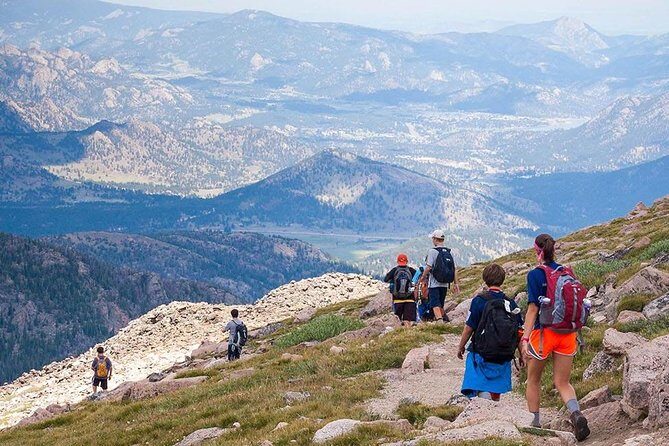
- Private car for a one-week “best of” route that still leaves room for stops and photos
- Alchi Monastery and Likir statue: art, religion, and views in one day-trip sweep
- Khardung La + Nubra camels: a quick but memorable 15-minute camel ride on the double-humped kind
- Pangong Lake camp night with Changla Pass crossing and dramatic color shifts
- Tso Moriri and Tso Kar area: fewer crowds vibes, plus hot springs and thermal stops
- English-speaking guidance on key regions (Leh, Nubra Valley, Pangong)
Why this “Best of Ladakh” feels smoother than most
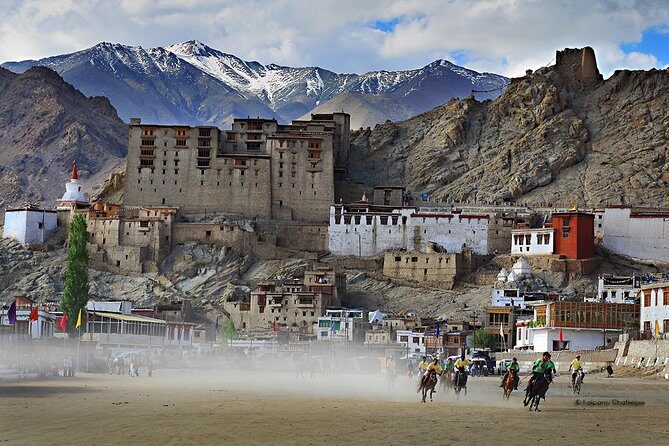
This tour is designed around a simple idea: you should spend your energy on the places, not on figuring out transportation. With an AC MUV/SUV/sedan and transfers arranged throughout, you get fewer surprises when roads are slow or the timing gets pushed by weather.
You also get guidance where it counts. You’ll have an English-speaking guide in Leh, Nubra Valley, and Pangong—three zones where context makes the sights hit harder. Monasteries aren’t just buildings; they’re living places, full of symbols and art. A guide helps you notice what matters instead of just snapping photos and moving on.
Finally, the tour balances built-in comfort with real remoteness. You’ll sleep in a hotel in Leh and camp near the lakes. That camp time is the whole point of going deep—but it also means you should pack for cold nights and early mornings.
You can also read our reviews of more tours and experiences in Leh.

Day 1 in Leh: acclimatize without wasting the day
Your Day 1 starts with an airport transfer to your hotel in Leh, with a HolidaysAT representative assisting on arrival. That matters because Leh can feel chaotic when you’re tired and high up—having someone point you in the right direction helps you get your bearings fast.
The plan is low-key: settle in, check the weather, and let your body adjust to the altitude and dry air. You’re not forced into a full sightseeing sprint right away, which is smart. A lot of tours cram too much on day one, then wonder why people feel rough by afternoon.
If you’re the type who loves walking, you can do it gently. If you’re the type who wants silence, this is your day for that too.
Alchi, Likir, and the road “between sights”
On Day 2, the route turns into a classics day: Alchi Monastery first, then several en-route stops that give you a bigger picture of Ladakh’s spiritual and geographic story.
Alchi Monastery is famous for its very old wall paintings. Even if you’re not a “museum person,” the art is the main event here—think detailed religious imagery that rewards a slow look. It’s also one of those places where the setting matters; the monastery feels grounded, not staged.
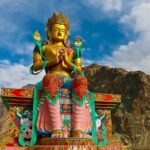
Before Alchi, you’ll visit Likir Monastery and see the Maitreya Buddha statue at Likir. Then you’ll pass key river country—where the Indus and Zanskar rivers meet—and you’ll have time for viewpoints like Magnetic Hill and Military Hall of Fame.
Practical note: the tour includes local guidance and many listed admissions show as free, but the overall package also says entrance fees to monuments are not included. So don’t assume every stop is ticket-free—bring a little cash/card just in case a specific site charges.
Nubra Valley: Khardung La and a 15-minute camel ride
Day 3 and Day 4 cover the Nubra Valley block: big road day, high pass, dunes, monasteries, and that camel moment.
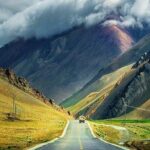
You cross Khardung La, described as the world’s highest motorable pass. Even if you don’t care about the superlatives, the pass is worth it because it changes how the region looks and feels. The air and light shift; the terrain turns more dramatic as you climb.
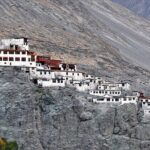
Once you reach Nubra Valley, you check into a camp for the night. In the late afternoon or early evening, you explore Hunder and Diskit Monastery. Diskit is one of Nubra’s anchor monasteries, and it fits well after the drive because your brain gets a needed breather: you’re back to something human-scale and spiritual.
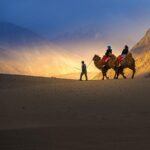
Then comes the 15-minute camel ride at the dunes. Nubra is known for the double-humped camels, and this ride is brief enough that it won’t exhaust you before dinner. Still, it’s long enough to get the feel of riding across the sand and seeing how the dunes stretch around you.
Tip: ride early or late if you can. Midday sun in the mountains can be sharp.
Back to Leh on Day 4: time for the bazaar energy
Day 4 is your return day to Leh, followed by a free evening in the bazaar area. This is one of the tour’s best small decisions: it gives you a window to buy practical souvenirs without feeling like shopping is the main activity.
If you want local shopping, you’ll likely find items like pashmina shawls, pearls, Chinese cutlery, and Ladakhi wooden handicrafts. That list isn’t fancy, but it’s useful. You’ll be able to compare quality and price, and you’ll avoid the common trap of buying the first thing you see because you’re “running out of time.”
Also, after a couple of days with long drives and altitude, a free evening is mental recovery. Don’t underestimate that.
Pangong Lake: Changla Pass, color changes, and a real camp night
Day 5 heads toward Pangong Lake, crossing Changla Pass (17500 ft) along the way. You’ll drive via Durbuk and Tangtse in the Changthang region. Pangong sits at about 4400 meters, so this is one of the days where your body’s pace matters.
The payoff is the lake itself. The tour description emphasizes that Pangong changes color 4 to 5 times in a day—and you’ll feel why when you stand there. Light changes fast, the water shifts between cool grays and deeper blues, and the mountains around it stay dramatic no matter what the weather is doing.
You’ll check into a camp near Pangong for the night. That’s a big part of why people do Pangong at all. Yes, it’s cold. Yes, your comfort level will depend on what you bring. But a camp night turns the experience from “photo stop” to “place you watched change.”
On a practical level:
- layers are non-negotiable
- plan your photos around sunrise/sunset if conditions allow
- expect wind
Also, the package notes that Pangong Lake admissions are not included. If you’re paying entry fees at the camp/lake access points, have a bit of budget ready.
Tso Moriri: hot springs and a quieter kind of wow
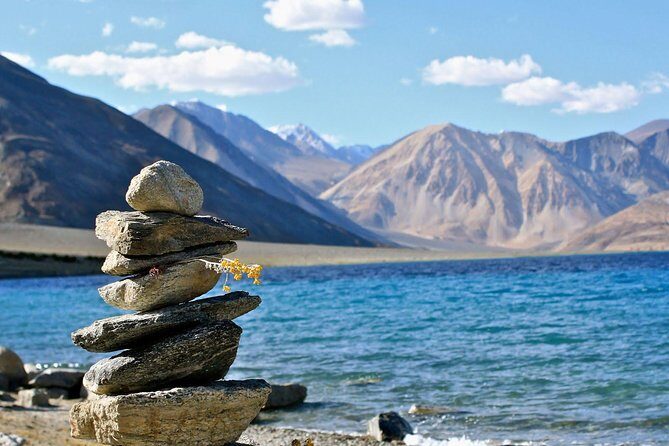
Day 6 shifts from Pangong to Tso Moriri Lake. The drive time is about two hours, with stops en route including Chumathang Hot Spring and Mahe Bridge. Even if you don’t go deep into the hot springs experience, the stop break helps you handle the day without turning it into one long transfer.
Tso Moriri is set in a way that often feels less frantic than some other famous lakes. That’s partly because you’re traveling farther and because the day isn’t overloaded with extra “must-sees.” You arrive, check into camps near the lake, and you get time to sit with the view.
Admissions around Tso Moriri are listed as not included. Again, check at the gate or understand that you may pay small entry fees while on the road.
A helpful mindset: treat Tso Moriri as your slower day. You’ll likely get better memories from watching the light drift across the shoreline than from chasing a checklist.
Tso Kar and Puga: thermal stops plus wetland scenery
Day 7 brings you back toward Leh, but not by taking the easy highway—because the fun is in the detours. You’ll stop at Tso Kar Lake, plus Thukje village monastery, Puga geothermal gas springs, and Nomadic Rebo tents at Polo Kongka Pass, before continuing onward.
This is where the trip earns its “Best of Tibet” style label: you get more than monastery architecture and big lake shots. You see land in motion—geothermal activity, nomadic lifestyle cues, and a wetland setting around Tso Kar.
The tour mentions that Tso Kar is a wetland area and you’ll also have time for the thermal Puga Geo-Thermal Gas springs. These stops are different from the lake days. You’ll be out of the car, breathing thinner air, watching steam or heat patterns in the cold. It’s memorable in a grounded way.
Then you return to Leh for an overnight hotel.
Day 8 around Leh: Thiksey, Shey, Hemis area, and Stok Palace Museum
Day 8 is a full-day guided tour centered on big monastery names and Leh-area royal history.
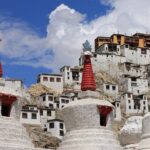
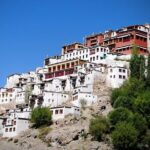
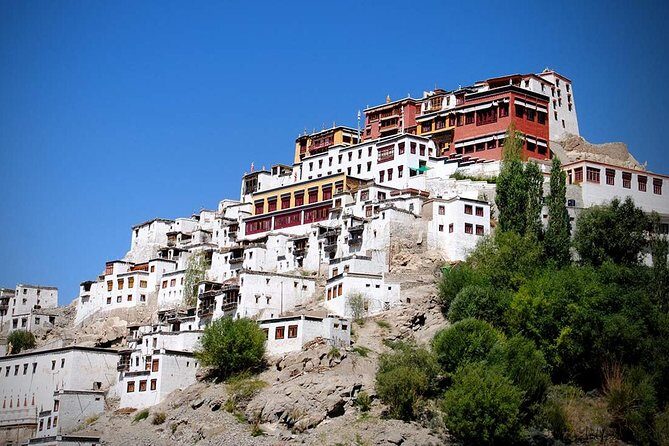
You’ll go to Thiksey Gompa, affiliated with the Gelug sect of Tibetan Buddhism. It sits on a hill about 19 km east of Leh, which means the views plus the architecture make sense together. Next you’ll visit Shey Palace, then continue to the Hemis area, which hosts one of Ladakh’s most well known festivals.
Finally, you’ll drive to Stok Palace Museum, which showcases royal artefacts and paraphernalia.
One practical note: the package says entrance fees to monuments are not included, even if some parts of the schedule show admissions as free. Some monasteries and museums usually charge something, so keep that in mind so you don’t feel surprised mid-day.
This day works best if you go slower than you think you need. The monasteries are photo-friendly, but the real value is noticing how each complex sits in relation to the valley and sky.
Value check: is $1,715 worth it for what you get?
Let’s talk value in real terms. At $1,715 per person for a ~9-day trip, the key question is what you’re buying besides driving and photos.
You’re paying for:
- 8 nights of accommodation (double/twin sharing)
- 8 breakfasts and 8 dinners
- airport and daily transfers in a car (AC vehicle)
- local English-speaking guide services in Leh, Nubra Valley, and Pangong
- permits included for Nubra and Pangong (Inner line permit fee)
- camel ride (15 minutes)
- one mineral water bottle per person per day
That’s a lot of logistics covered. In Ladakh, where timing and distance can mess with plans, having transfers and meals built in often saves time and reduces stress. If you’re the kind of traveler who wants fewer decisions, this kind of package can feel like it pays you back in energy.
What could cost extra:
- entrance fees to monuments
- admissions at Pangong/Tso Moriri/Tso Kar areas (listed as not included on those days)
- souvenir photos, camera fees, beverages beyond drinking water, and personal expenses
My take: it’s good value if you want a guided route with minimal headache. If you love independent travel, you might be able to DIY parts for less. But you’ll likely spend extra time solving transport, meal plans, and permit questions.
Who this tour suits best (and who should think twice)
This works especially well if:
- you want a private tour with personal attention
- you prefer a fixed route that still allows flexibility via your guide
- you like a blend of monastery culture and remote lake scenery
- you’d rather have guidance and permits handled than chase details
You might think twice if:
- you want to stay in one base and do short hops only
- you hate cold camping nights
- you dislike long driving days (you do have multiple road segments)
Should you book this Leh Ladakh Best of Tibet tour?
If your goal is to see Leh + Nubra + Pangong + Tso Moriri + Tso Kar in about a week with a guide and private transport, this is a strong match. I like that the experience mixes “big names” with real stops that add variety, like Puga geothermal springs and the wetland setting at Tso Kar.
Book it if you’re ready for altitude realities, cold camp nights, and the small extra costs that sometimes pop up at monasteries and lake access points. Skip it if you want a relaxed, slow, no-driving style trip.
FAQ
FAQ
Is airport pickup included?
Yes. The tour includes assistance during arrival and departure, plus airport transfers as part of the included services.
How many nights and meals are included?
You get 8 nights of accommodation and meals include daily breakfast and dinner for 8 days/nights. A mineral water bottle per person per day is also included.
Is this tour private or shared?
It’s private. Only your group participates.
Do I get a camel ride in Nubra Valley?
Yes. A camel ride for 15 minutes in Nubra Valley is included.
Which lakes are visited?
The route includes Pangong Lake, Tso Moriri Lake, and Tso Kar Lake.
Are permits included for Nubra and Pangong?
Yes. Inner line permit fees for Nubra and Pangong are included.
What does the tour not include?
Entrance fees to monuments, souvenir photos (if you choose to buy them), camera fees, beverages other than drinking water, and personal costs are not included.
Is a guide provided during the trip?
Yes. You’ll have local English-speaking guide services for Leh, Nubra Valley, and Pangong.
Can I change or get a refund after booking?
No. This experience is non-refundable and cannot be changed. If you cancel or ask for an amendment, the amount paid is not refunded.