REVIEW · KHAJURAHO
Panna National Park and Tiger Reserve Jeep Safari from Khajuraho
Book on Viator →Operated by Classic India Journeys · Bookable on Viator
Panna National Park can turn a Khajuraho day into a real wildlife mission, with tiger country just 25 km away. A Panna Tiger Reserve jeep safari is the kind of side trip that adds something you simply can’t see from temple steps. The timing is tight, the drive is short, and the park’s wildlife focus is serious.
I especially like that the safari is done in an open Gypsy jeep (shared, max 5 per jeep) inside the core protected area. I also like the way the day runs on a schedule: pickup windows, safari length, and the return drive are all clearly set, so you’re not guessing what happens next.
One thing to keep in mind: the naturalist you get is assigned randomly by the reserve forest office, and that can make a noticeable difference in how smooth (and informative) the safari feels.
In This Review
- Key points to know before you go
- Panna Tiger Reserve: why this side trip makes sense from Khajuraho
- Timing that works: morning vs afternoon safari windows
- Morning safari: early pickup, early finish
- Afternoon safari: longer window, until sunset
- Getting there from Khajuraho: the 25 km drive you shouldn’t ignore
- Safari setup: open Gypsy jeeps and small groups in the core area
- What you’re chasing: tigers, gharials, and birds that keep you busy
- Royal Bengal Tiger
- Gharials in the Ken River
- Wolves, wild dog, leopard, and more
- Bird life: 200+ species, including migrants
- Price and logistics: how the cost becomes value (and what you pay on pickup)
- Naturalist reality: you may love the spotting, or you may not
- When the tiger doesn’t show up: you still won’t leave empty-handed
- Who should book this Panna safari from Khajuraho
- Should you book? My practical take
- FAQ
- FAQ
- How far is Panna Tiger Reserve from Khajuraho?
- What time are the pickups for the morning and afternoon safaris?
- How long is the safari?
- Is the jeep safari shared or private?
- What’s included in the tour price and what do I pay on pickup?
- What happens if weather is poor or the minimum number of travelers isn’t met?
Key points to know before you go
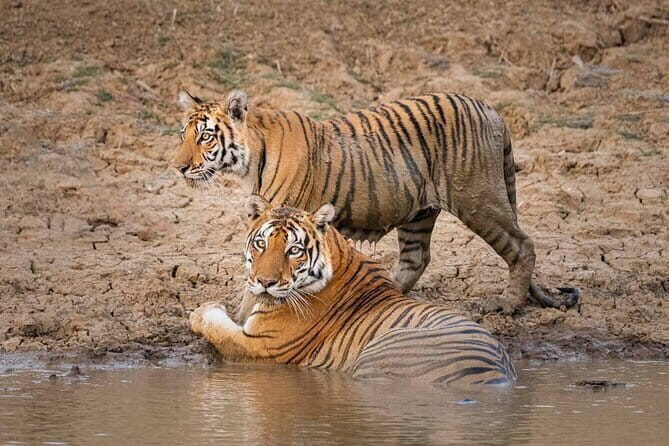
- Open Gypsy jeep safari in the core protected area, shared with a small group (max 5 per jeep)
- Two safari choices: morning (early pickup) or afternoon (longer window until sunset)
- Short logistics from Khajuraho: about 30 minutes each way for the 25 km trip
- You pay part of the park fees on pickup (INR 2500 per person), while permits/admission and safari costs are covered in the package
- Tiger viewing isn’t guaranteed, but you still get strong odds for many animals and birdlife
Panna Tiger Reserve: why this side trip makes sense from Khajuraho
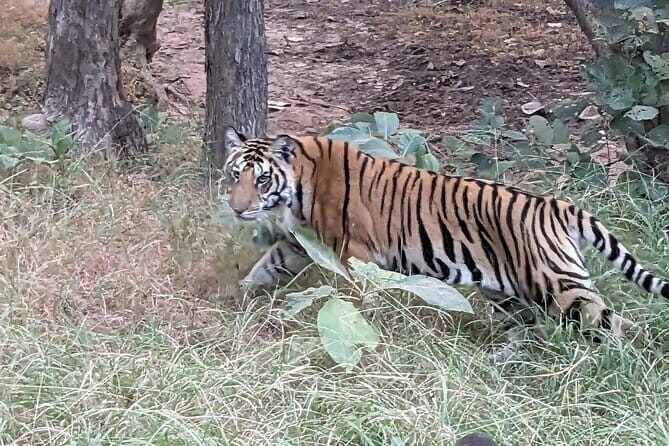
If you’re already in Khajuraho, this safari is a high-value add-on because it’s close. Panna National Park and Tiger Reserve sit about 25 km from Khajuraho, with roughly a 30-minute drive to the entrance gate. That means you’re not burning a whole day on roads before you even reach the wildlife.
Panna is also a specific kind of reserve. It was declared a Tiger Reserve in 1994, and the park’s identity is tied to real flagship wildlife: Royal Bengal Tigers. But the park is also famous for a very different star—ghariyals in the Ken River. Gharial aren’t just some random reptile stop. They’re a fish-eating crocodile found in the Indian subcontinent, and Panna is one of the places where you can connect that species to the broader river-and-forest ecosystem you’re driving through.
On top of the big mammals, Panna supports 200+ bird species, including migratory birds. Translation: even when tiger sightings take their sweet time, you’re still surrounded by wildlife cues—calls, movement in trees, and animals that react to water and cover.
That mix is what makes a safari here feel more complete than a “one-species only” gamble.
You can also read our reviews of more tours and experiences in Khajuraho.
Timing that works: morning vs afternoon safari windows
You’ll choose between two safari slots, and the timing matters more than people think.
Morning safari: early pickup, early finish
For a morning safari, pickup happens around 05:00–05:30 AM. The safari runs until about 10:00–10:30 AM. Then you drive back to Khajuraho, reaching your hotel after that return leg.
Morning often gives you the most energetic start. You’re usually in the park during cooler hours when animals may move more and visibility can be better. Also, if you’re the type who likes your day to still feel like a day, morning is the easier choice: you’re done by late morning.
Afternoon safari: longer window, until sunset
For an afternoon safari, pickup is 01:30–02:00 PM. The safari ends around 05:30–06:30 PM, with the safari running until sunset. After that, you’re back in Khajuraho with time to unwind.
Afternoon can be excellent because many animals shift behavior as the day cools down, and the park’s light changes dramatically near sunset. The afternoon slot is also longer on the clock, so if you’re hoping for more sightings, this is the session that buys you extra chances.
If you’re trying to pick one: morning is great for momentum and cooler conditions; afternoon is great for the last-light push.
Getting there from Khajuraho: the 25 km drive you shouldn’t ignore
This is one of the practical comforts of the tour. The entrance gate is about 25 km away, and that translates to a quick 30-minute transfer each way.
The tour also includes chauffeur-driven private transport from your hotel to the park’s gate and back. That matters because it keeps your safari day from turning into complicated coordination with local taxis or unclear meeting points.
One detail that’s easy to miss: the experience is set up so you can ride from Khajuraho directly to the entrance area, then return without dragging your schedule through multiple stops. It’s a “get in, get out, focus on wildlife” style of day.
And yes, you can also use the drive as part of the experience. Even when the main animal goal is unpredictable, the trip to the reserve is often where you get a more lived-in glimpse of rural India beyond the tourist zone.
Safari setup: open Gypsy jeeps and small groups in the core area
This is the core of the experience: an open Gypsy jeep on a shared basis, with max 5 people per jeep. That small group size is one reason this safari feels manageable. You’re not packed into a huge crowd where everyone’s fighting for one window view.
Because it’s open, you feel more connected to what’s happening around you—branches, movement, dust in the light. You also hear more: animal calls can carry differently when you’re not sealed inside a closed vehicle.
The safari happens in the core protected area, which is important. It means you’re not just cruising scenic edges where animals rarely engage. You’re in the zone designed for wildlife encounters.
Practical tip: with open jeeps, be ready for sun exposure and dust. Bring whatever you need for comfort, especially if you choose afternoon when the light can be stronger and the jeep ride lasts longer.
What you’re chasing: tigers, gharials, and birds that keep you busy
A Panna safari is built around two big ideas: tigers and a surprisingly wide wildlife web.
Royal Bengal Tiger
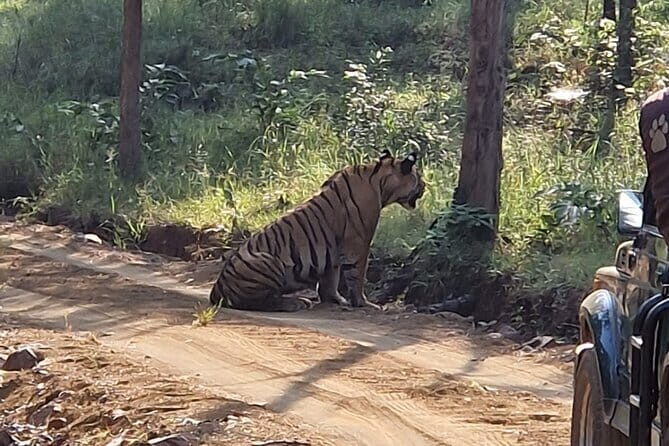
The big pull is the Royal Bengal Tiger. In tiger reserves, you’re always dealing with an animal that controls the timing. So the right mindset is not chasing certainty. The right mindset is chasing opportunity—being in position, following the safari route at the right hours, and listening to the people guiding the drive.
When tiger viewing happens, it can be close and intense. The reserve’s whole reputation depends on this possibility.
Gharials in the Ken River
Panna’s other headline species is the gharial—a fish-eating crocodile found in the Indian subcontinent. The information attached to this safari points you directly to Ken River as the place these gharials are associated with in the park.
Even if you don’t see them clearly on a given safari, knowing they’re part of the park’s identity helps you read the environment you’re moving through. Rivers, water edges, and vegetation corridors are usually more than scenery here.
Wolves, wild dog, leopard, and more
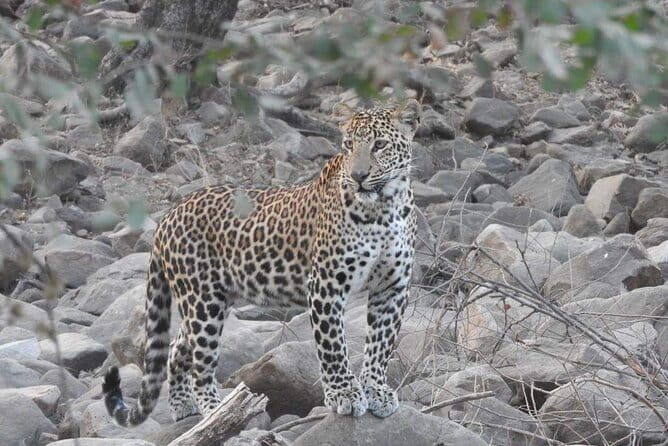
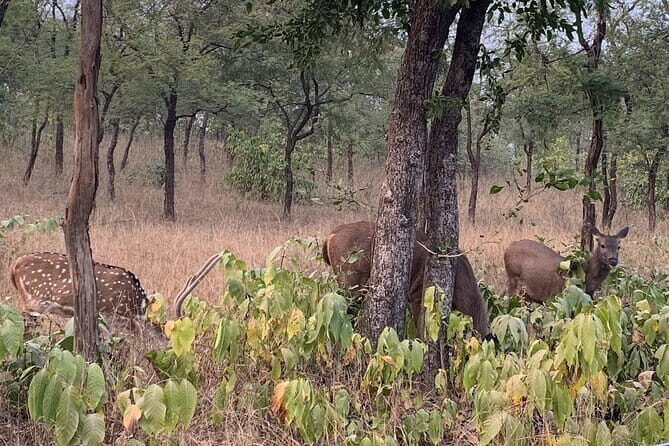
Beyond tigers, you’re told to expect the chance for sightings of animals like Wolf, Wild Dog, Leopard, Sambhar, Sloth Bear, Chital, Nilgai, and Chinkara. That list matters because it shapes what the guide may look for: tracks, shade lines, and movement patterns.
Bird life: 200+ species, including migrants
Birds are a big deal at Panna. With 200+ species, plus migratory birds, the safari doesn’t stop being interesting if the tiger doesn’t show up fast. You can still spot different shapes and behavior—raptors overhead, smaller birds shifting through undergrowth, and calls that tell you where to focus.
If you’re the kind of traveler who enjoys wildlife even without a perfect photo, Panna’s birdlife is a strong backup plan.
Price and logistics: how the cost becomes value (and what you pay on pickup)
The safari price is listed at $40 per person, and the on-the-ground payment is clearly described as INR 2500 per person net to be paid upon pick-up.
Here’s the important value logic: your safari day isn’t just a vehicle rental. The package includes park permit and admission fees and the naturalist service and fees for the safari. You also get open Gypsy jeep safari and local assistance. Even the admission and naturalist pieces are baked into the experience rather than treated as add-ons later.
That’s why the INR 2500 payment on pickup doesn’t feel like a random extra. It’s tied to park visit fees, and the rest of the key safari components are covered.
Also, the tour includes private transport from hotel to hotel. In practice, that can save time and stress, especially if you’re already managing temple tickets, meals, and the rest of your Khajuraho plan.
Naturalist reality: you may love the spotting, or you may not
This is the one part where the experience can swing.
The safari includes naturalist service, but the naturalist is assigned randomly by the reserve forest office. One review highlights that this can lead to a situation where the naturalist you get doesn’t perform well.
That doesn’t mean the whole safari falls apart. It just means you should protect your expectations. Your tiger viewing (or not) still depends heavily on animals and timing, but a strong naturalist can help you read signs faster and feel calmer about what you’re seeing.
If you really want to maximize your learning during the ride, I’d focus on asking clear questions whenever you can, and staying observant even if the naturalist isn’t as engaging.
Also note: some coordination is clearly handled by the tour team. One standout name that comes up is Mr Narendra Shivhare, described as caring meticulously and keeping the day moving smoothly. That kind of coordination can offset weaker moments by keeping the safari process organized from pickup to return.
When the tiger doesn’t show up: you still won’t leave empty-handed
Let’s be honest: in tiger reserves, absence happens. Panna’s purpose isn’t to guarantee tiger photos. It’s to protect a habitat where tigers live, and tigers show themselves when they feel like it.
But if a tiger sighting doesn’t happen on your particular safari day, you can still have a rewarding experience if you know what to watch for.
One account notes that they didn’t see tigers that day but did see monkeys, deer, eagles, and crocodiles, plus a sense of real India on the drive to the park. That’s a good reminder: safari days are ecosystems, not vending machines.
So pack your mindset for “wildlife variety,” not just “tiger or nothing.” If you enjoy birds, tracks, and animals in motion, you’re likely to feel the day was worth it even without the headline cat.
Who should book this Panna safari from Khajuraho
This tour fits best if you want:
- A short, well-paced wildlife add-on while you’re already in Khajuraho
- Open-Jeep access in small groups (max 5 per jeep)
- A serious safari environment in the core protected area
- The chance to see not only tigers, but also gharial (Ken River connection) and lots of birdlife
It may be less ideal if you’re extremely sensitive to how a naturalist communicates. Because assignments can be random, you’re not always choosing the person who will interpret the habitat for you.
If you’re a first-time safari traveler, you’ll still likely find it worthwhile because the schedule, transport, and safari structure are set up to be straightforward.
Should you book? My practical take
Yes, I think you should book this if you’re in Khajuraho and you’re open to wildlife unpredictability. The biggest reasons are practical: the park is close, the timing is clear, and the safari format is focused—open Gypsy jeeps, core area, and included permit/admission and naturalist service.
The biggest caution is also simple: tigers are not guaranteed, and the naturalist assignment can vary. If you can handle that reality, you’ll enjoy the day for what it is—an organized shot at a tiger reserve plus a broader wildlife scene.
If your schedule allows, I’d lean toward whichever slot gives you the best fit for your energy: morning for the clean start, afternoon for the longer ride and until sunset atmosphere.
FAQ
FAQ
How far is Panna Tiger Reserve from Khajuraho?
Panna National Park and Tiger Reserve entrance is about 25 km from Khajuraho, and the drive takes around 30 minutes.
What time are the pickups for the morning and afternoon safaris?
Morning safari pickup is around 05:00–05:30 AM, and afternoon safari pickup is around 01:30–02:00 PM.
How long is the safari?
The morning safari runs until about 10:00–10:30 AM. The afternoon safari runs until sunset and ends around 05:30–06:30 PM.
Is the jeep safari shared or private?
The jeep safari is shared. Each Gypsy jeep can take a maximum of 5 people.
What’s included in the tour price and what do I pay on pickup?
The tour includes park permit and admission fees, the Gypsy jeep safari in the park, naturalist service and fees, and local assistance. You also pay INR 2500 per person net on pickup for 50% of the park visit fees.
What happens if weather is poor or the minimum number of travelers isn’t met?
This experience requires good weather. If canceled due to poor weather, you’ll be offered a different date or a full refund. If it’s canceled because a minimum number of travelers isn’t met, you’ll be offered a different date/experience or a full refund. Also, the experience is non-refundable and cannot be changed for any reason.