Leh hits you fast, in the best way. This private 6-day trip is built around high-altitude acclimatization plus major Ladakh scenery—monasteries, river confluences, desert valleys, and the big lake.
Two things I’d happily center in my planning are the mix of culture and nature (Shey/Thiksey-area spirituality days paired with Nubra and Pangong scenery) and the comfort factor of private transportation with a guide and route materials. One thing to think about up front: entry fees and most meals (besides breakfast) cost extra, and the long drives across high passes can feel intense if you’re not used to altitude travel.
In This Review
- Key highlights at a glance
- Why This 6-Day Ladakh Route Works So Well
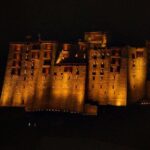
- Day 1 in Leh: Acclimatize, Then Leh Palace and Shanti Stupa
- Day 2 to Alchi: Basgo Castle, the Indus–Zanskar Sangam, and 1,000-Year-Old Murals
- Day 3 to Nubra Valley via Khardungla Pass: Sand Dunes and a Tented Camp Night
- Day 4 Nubra to Pangong Tso via Shayok Valley: Long Views and Lake Light
- Day 5: Sunrise at Pangong Tso, Then Thiksey Monastery on the Return
- What You Actually Get for the $750.34 Price
- Food, Comfort, and the Small Stuff That Changes Everything
- Who This Private Tour Fits Best (and Who Might Reconsider)
- Final Verdict: Should You Book Wonders of Ladakh?
- FAQ
- How long is the Wonders of Ladakh tour?
- Where does the tour start and end?
- What does the price include?
- What is not included in the tour price?
- Is this tour private?
- Do I need to pay entry fees at monuments?
- Is camel riding included?
- What happens if weather is poor?
- Is there free cancellation?
Key highlights at a glance
- Altitude-first start in Leh: you land around 3,500m, then get real recovery time before sightseeing
- Private transport, custom-feel pacing: you’re not on a slow shuffle with strangers
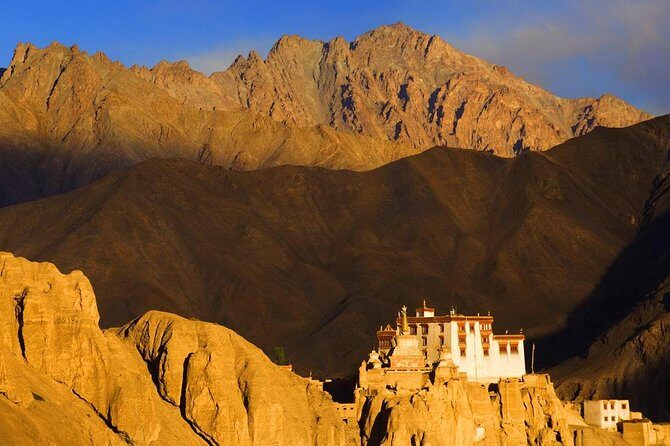
- Monastery + palace circuit: Leh Palace, Shanti Stupa, plus Alchi/Thiksey culture stops
- Big-pass scenery: Khardungla Pass on the way to Nubra, then Changla Pass on the return
- A genuine desert-lake arc: Shayok Valley viewpoints into Pangong Tso with sunrise time
Why This 6-Day Ladakh Route Works So Well
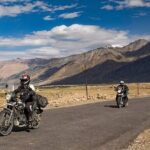
Ladakh is not a place where you want to spend the day “figuring it out.” This style of trip keeps you moving in the right order: acclimatize in Leh, head into the high desert for Nubra, then shift to Pangong Tso for the lake drama before turning back through mountain passes.
You’ll get a clean storyline to the geography. Leh gives you the foothold (history, stupa views, and time to adjust). Nubra adds the desert textures—sand dunes, dramatic passes, and that tent-camp feel. Then Pangong Tso delivers the iconic wide-open stillness, especially with early lake time.
You can also read our reviews of more tours and experiences in Leh.

Day 1 in Leh: Acclimatize, Then Leh Palace and Shanti Stupa
After an early flight into Leh (about 3,500m), the plan gives you a full day to settle in. That matters. Altitude trips go smoother when you avoid the urge to sprint into sightseeing before your body catches up.
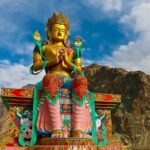
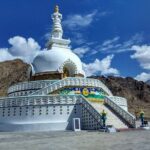
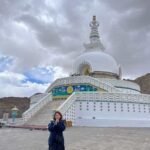
Once you’ve had lunch and time to breathe, you’ll visit the Leh Palace area and the military Hall of Fame, followed by the Japanese-built world peace pagoda known as Shanti Stupa. Shanti Stupa is one of those stops that works even if you’re tired—because it’s about views and atmosphere more than pace. It’s also a good “orientation point” for how Ladakh stacks its hills and villages around you.
A practical note: day one is intentionally light on exertion, but you’re still at elevation. Keep your first steps easy, drink water, and don’t treat this day like a normal city day.
Day 2 to Alchi: Basgo Castle, the Indus–Zanskar Sangam, and 1,000-Year-Old Murals
This is the day that turns Ladakh into a story you can read. You drive toward Alchi (about 68 km) and break up the journey with culture and a landmark river confluence.
First stop: Basgo Castle. Even if you don’t have time to study every detail, the fortress setting helps you understand why these places mattered historically—control, protection, and visibility in a harsh landscape.
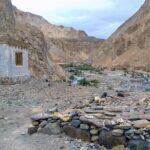
Then you reach the sangam of the Indus and Zanskar Rivers. Seeing two major rivers meet is a reminder that Ladakh’s “desert” look doesn’t mean there’s no life or water system. It also sets you up for the next stop, where art and time feel connected.
In Alchi village, you’ll visit the ancient murals/paintings, described as around 1,000 years old. This is one of those experiences where slow looking pays off. Don’t rush the colors or the figures—Alchi is all about subtle detail, and your enjoyment will depend on how much time you give it.
If you’re the type who loves monasteries more for what they preserve than just for views, this is your day.
Day 3 to Nubra Valley via Khardungla Pass: Sand Dunes and a Tented Camp Night
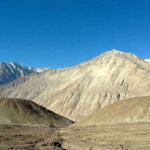
Nubra Valley is where Ladakh shifts into something even drier and stranger—in the best way. You’ll leave early after breakfast and cross Khardungla Pass (about 18,360 ft). The drive itself is part of the show: wide sky, steep terrain, and a feeling of traveling through another world.
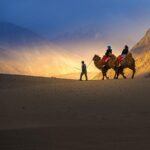
Once you reach Nubra, you’ll check in at a specially set up tented camp near the white/silvery sand dunes. This is a big reason many people book this route. You’re not just “visiting” scenery; you’re changing settings—sleeping in a desert camp environment that feels connected to the landscape.
Camel riding is listed as a fee not included, so you can treat it as an optional add-on depending on your comfort and interest. If you want it, budget for it. If you don’t, the dune scenery alone is a strong payoff.
Potential drawback for this day: the combination of a high mountain pass and a camp setting can feel like a lot for anyone who’s sensitive to cold, basic amenities, or long drives. Pack for temperature swings and treat Nubra as a slow-down day once you arrive.
Day 4 Nubra to Pangong Tso via Shayok Valley: Long Views and Lake Light
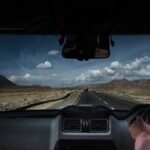
This day is about the road and the payoff. The drive from Nubra to Pangong Tso is around 130 km, and you’ll go via the Shayok Valley with scenery along the way.
The route is set up so you don’t just sit and stare at the windshield. You’ll pause for a hot lunch at Tangstay village, then continue until you reach Pangong and can finally settle into the lake view.
Pangong Tso is the kind of place where you understand why people talk about it. The excitement isn’t only the photo. It’s the stillness: a big lake under high-altitude skies where the scale makes everything feel quiet.
If you get motion sickness easily, you’ll want to be aware this is a long drive day. Private transport helps, but you’re still in a mountainous region with winding roads.
Day 5: Sunrise at Pangong Tso, Then Thiksey Monastery on the Return
This is one of the most rewarding days on the trip because it starts with a gift: early morning time around the lake.
You’ll do an early walk around Pangong Tso for sunrise views. The plan specifically highlights the panoramic look of the lake at sunrise and even the soundscape (birds singing). Even if you’re not a “sunrise person,” waking up this early at Pangong is one of those experiences where the timing does the work for you.
Later, you’ll drive back to Leh via Changla Pass. This return route matters because it keeps the mountain-pass momentum rather than turning the day into a rushed backtrack.
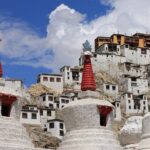
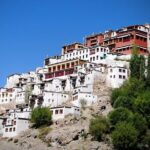
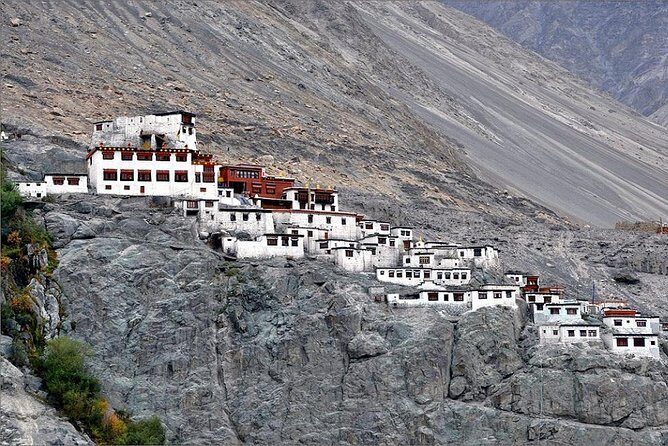
You’ll also visit Thiksey Monastery on the way back. Thiksey brings you back to the culture thread after the lake day. The monastery stop gives you a human anchor—prayer, quiet spaces, and the sense that these high places are lived in and protected, not just observed from afar.
If you’re balancing priorities—some people want pure nature, others want spirituality and monuments—this day is the bridge between both.
What You Actually Get for the $750.34 Price
Let’s talk value like adults do. At $750.34 per person for about 6 days, you’re paying for more than transportation.
Here’s what’s included:
- Hotel and homestay accommodation with breakfast
- Private transportation
- Protected area permit
- Drinking water package
- Route map and guide book
- Breakfast for 6 days
And here’s what’s not included:
- Monumental/entry fees
- Lunch and dinner
- Camel riding fee
- Personal insurance
In other words, the cost covers the backbone: getting you around, keeping you fed in the morning, and handling permits and basic trip materials. That’s exactly where independent travel often gets messy in Ladakh—permits, long drives, and the logistics of shifting between valleys.
What I like about this setup is the trade-off. You’re not paying for every meal and every entry fee upfront, which keeps the base price from ballooning. Instead, you control the add-ons day by day—just don’t forget they’ll add up if you’re trying to do every paid stop and activity without thinking.
Food, Comfort, and the Small Stuff That Changes Everything
You’ll have breakfast daily, and you’ll stay a mix of hotels and homestays. That sounds generic until you remember what Ladakh demands: warm sleep options when temperatures swing, and a place to reset between big travel days.
The feedback around this tour style is strongly positive about decent accommodation and delicious food along the way, and that’s not a minor point. When you’re dealing with passes and long drives, your biggest frustration won’t be the view—it will be feeling worn out and underfed.
Still, it’s smart to expect basics rather than luxury. The tented camp night in Nubra is the clearest “different setting,” and it’s also the one day where your comfort tolerance matters most.
Who This Private Tour Fits Best (and Who Might Reconsider)
This is a great fit if you want a guided, private plan that blends major Ladakh highlights without forcing you to coordinate everything yourself. It also suits travelers who care about spirituality and culture—Alchi-style murals and the monastery stops aren’t afterthoughts here.
It’s especially good for people who:
- want a structured trip that includes both Nubra and Pangong Tso
- prefer private transportation over public transport or shared group shuttles
- like a good mix of monuments, passes, and landscapes
Consider rethinking if:
- you’re on a tight schedule for physical rest (there are early starts and long drive days)
- you dislike cold or want a more predictable accommodation standard for the tented camp night
- you don’t want to budget extra for meals and entry fees
Final Verdict: Should You Book Wonders of Ladakh?
I think this is a strong booking choice if you want Ladakh highlights stitched into a logical route and you value smooth logistics. The start in Leh with acclimatization is a smart foundation, and the back-to-back sequencing—Leh culture, Alchi murals, Nubra desert, Pangong sunrise, then Thiksey—keeps the trip feeling cohesive instead of random.
The only real “watch it” items are budget creep (entry fees and lunch/dinner) and the intensity of high-pass driving plus altitude. If you’re okay with that, this route makes a lot of sense.
If you do book, I’d plan to pack layers, keep expectations flexible about weather, and treat sunrise at Pangong as non-negotiable if you can.
FAQ
How long is the Wonders of Ladakh tour?
It’s approximately 6 days.
Where does the tour start and end?
It starts at Kushok Bakula Rimpochee Airport in Leh and ends back at the same meeting point.
What does the price include?
Included are private transportation, protected area permit, drinking water package, route map and guide book, and breakfast for 6 days, plus hotel and homestay accommodation with breakfast.
What is not included in the tour price?
Monumental/entry fees, lunch, dinner, camel riding fee, and personal insurance are not included.
Is this tour private?
Yes. It’s described as a private tour/activity with only your group participating.
Do I need to pay entry fees at monuments?
Yes. Monument/entry fees are listed as not included.
Is camel riding included?
No. The camel riding fee is listed as not included.
What happens if weather is poor?
The experience requires good weather. If it’s canceled due to poor weather, you’ll be offered a different date or a full refund.
Is there free cancellation?
Yes. You can cancel up to 24 hours in advance for a full refund, based on local time.