REVIEW · LEH
8 Days Markha Valley Trek: Shared Tour with Meals Included
Book on Viator →Operated by Travel With Susmita · Bookable on Viator
Markha Valley turns altitude into a story. This shared 8-day trek pairs guided hiking in Ladakh with classic Leh stops, meals included, and a real plan for high-altitude travel. Markha Valley is the main event, but the early days in Leh set you up fast—without the usual guesswork.
I like two things in particular. First, the group stays small—maximum 10 travelers—so the day-to-day pace and logistics feel manageable. Second, your basics are handled: guided trek with acclimatization support, required permits (including environmental fees), and a full set of meals.
One thing to consider: you still pay some site entry fees on top, like monastery/monument tickets (plan around $20 per person). And you should be ready for strenuous days and high passes, including a climb to 5260 meters.
In This Review
- Quick Hits Before You Hike
- Why the Markha Valley Trek Fits a Shared 8-Day Pace
- Leh Warm-Up: KBR Airport Arrival, Thiksey, Stakna, and Shanti Stupa
- The Zanskar River Approach Day: Chilling Village as Your Reset
- Sara to Markha Village: Your First Proper Trek Day
- Markha to Thachungtse: The 15 km Day That Tests Endurance
- Nimaling Camp at 4900 m: Where Acclimatization Becomes Real
- Kongmaru La (5260 m) and Hemis Monastery: High Pass Then Cultural Closure
- Leh Final Morning: Reflect, Repack, and Do One Last Walk
- Price and Logistics: What You’re Actually Paying For
- Gear and Health: The Stuff That Keeps You Comfortable at 5000 m
- Who Should Book This (and Who Might Want Another Option)
- Should You Book This Markha Valley Trek with Travel With Susmita?
- FAQ
- What meals are included on the trek?
- Is airport pickup and transportation included?
- Are monastery and monument entry fees included?
- Does the tour include trekking guides and permits?
- Is emergency oxygen or first aid provided?
- How far in advance can I cancel for a full refund?
Quick Hits Before You Hike
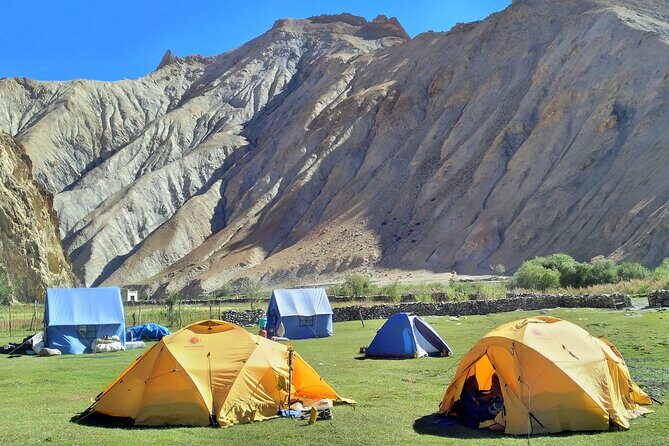
- Max 10 travelers keeps a shared trek feeling organized, not crowded.
- Airport pickup and city sightseeing transport help you start in Leh without stress.
- Permits + environmental fees included, so you aren’t chasing paperwork.
- Camping support includes carrying camping gear and one bag per client.
- Emergency oxygen cylinder and first-aid kit travel with the guide.
- Meals included: 7 breakfasts, 7 dinners, and 6 lunches across the trip.
Why the Markha Valley Trek Fits a Shared 8-Day Pace
This is the kind of trek that works because it’s built around rhythm. You get a warm-up in Leh, then the hiking days step up gradually, with real altitude moments that feel earned—not rushed.
Because it’s a shared tour, you’ll be moving as a group, but you still get guided support on route choices, timing, and acclimatization. That matters in Ladakh, where one wrong move—too fast, too high—can turn a great day into a miserable one.
The best value here is that your “systems” are covered. You’re not only paying for a view; you’re paying for transport, permits, meals, and a support setup for camping gear. That’s usually where DIY treks burn time and money.
You can also read our reviews of more hiking tours in Leh
Leh Warm-Up: KBR Airport Arrival, Thiksey, Stakna, and Shanti Stupa
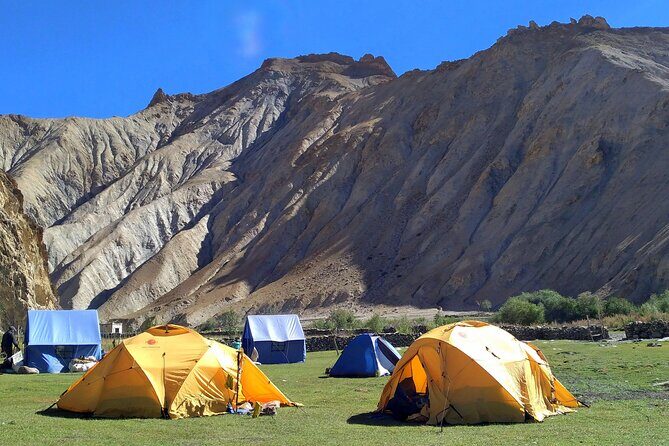
Day 1 and Day 2 are your altitude buffer and your culture primer. Landing at Kushok Bakula Rimpochee Airport in Leh, you’re greeted by snow-backed mountains in the distance—then you shift to an evening stroll around Thiksey. It’s the right kind of low-key start: enough time to breathe, get your bearings, and meet your trekking guide before the trek days.
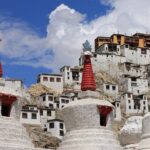
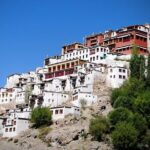
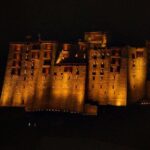
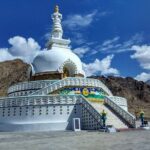
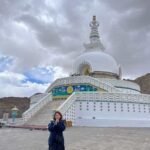
Stakna Monastery is next, perched on a hilltop near Leh. You’ll also visit the Leh Palace (a 17th-century royal palace with nine stories) and the white-domed Shanti Stupa, built in 1991. The Leh Market stop rounds things out with a chance to pick up trekking snacks or basic supplies before you head out of town.
Practical note: monastery and monument entry fees are not included (so bring a little cash or plan a small budget for tickets). The good part is that you’re not missing key stops—you’re just paying the admission at the sites.
The Zanskar River Approach Day: Chilling Village as Your Reset
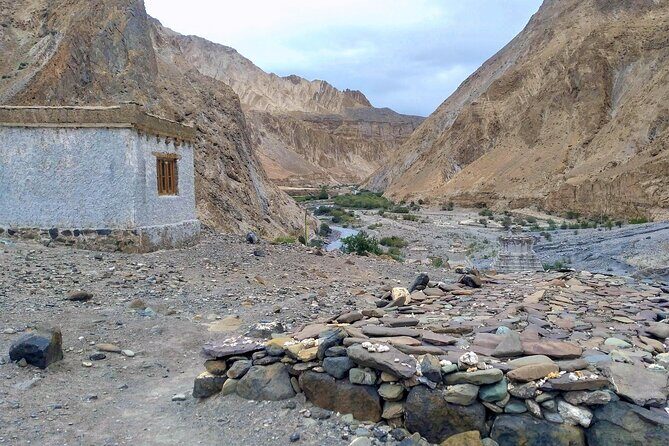
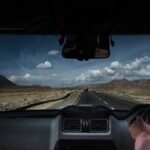
Chilling is where the trek starts to feel real. After an early breakfast, you drive along the Zanskar River for about 2.5 hours to reach Chilling Village.
What I like about a day like this is that it’s a mental shift. You move from “city sights and logistics” into “road-to-trail mode,” and you get time for your body to adjust before you start stacking serious hiking days. Even if you’re fit, Ladakh punishes speed, not effort.
Because the itinerary data here focuses on the drive and arrival, don’t expect this to be a heavy workout day. It’s better to treat it as your transition day and keep hydration and rest as your top priorities.
Sara to Markha Village: Your First Proper Trek Day
On Day 4, you trek from Sara to Markha Village. This is the day where you see how the support system works in practice.
There’s a traditional touch you’ll notice early: pack horses loaded with trekking gear. It’s a reminder that this route isn’t just a hiking track—it’s also a living corridor through villages and valleys.
This segment is a strong “first day of the main trek” choice because it’s long enough to feel like you’re accomplishing something, but not described as a brutal endurance grind. You’re moving through scenery that changes as the valley opens, and you get to arrive at Markha Village ready for the next day’s hike.
Possible drawback: since your day is built around a trek plus village arrival, you’ll want to avoid any “I’ll just wander around for hours” plan once you’re done walking. Save energy; altitude days reward discipline.
Markha to Thachungtse: The 15 km Day That Tests Endurance
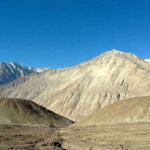
Day 5 is the classic mid-trek push: Markha to Thachungtse, about 15 km. You’ll be trekking by the river, and the changing terrain adds variety to a day that might otherwise blur into one long slog.
The route is described as challenging for endurance. That’s exactly what you want at this stage: you need a day that builds trekking legs without jumping straight to the biggest passes.
Tips that help on a day like this (and that you’ll thank yourself for):
- Keep your breaks short and steady. Long stops in cold air can make you stiff fast.
- Carry small personal snacks and keep drinking, even when you don’t feel thirsty.
- Don’t treat this like a race. The pass days come later.
Value angle: because meals are included, you don’t have to track down food logistics mid-trek. That’s one less thing to manage when your body already feels like it’s doing too much work.
Nimaling Camp at 4900 m: Where Acclimatization Becomes Real
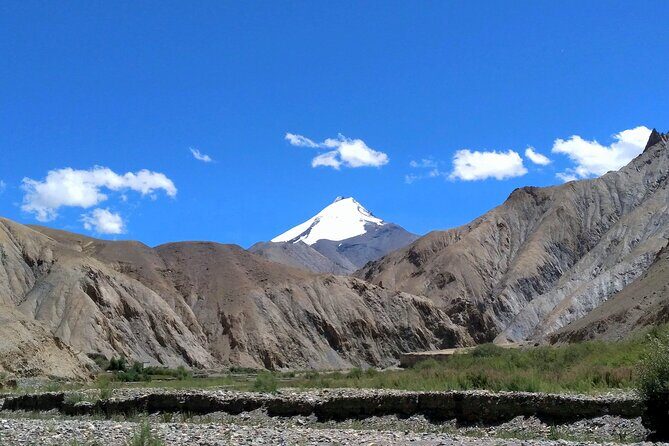
Day 6 climbs toward Nimaling, reaching around 4900 meters. The trek is described as a 4–5 hour journey covering about 10 km, which means the time on your feet matters more than distance.
This day is where acclimatization stops being a concept and starts being your lived experience. Even if you feel okay at lower elevations, higher camps can make you slower and more aware of breathing. A guided trek with professional support is a real advantage here, because your guide can manage pace and help you respond to how you feel.
In terms of planning, this is where you should be most serious about rest and warmth. Your personal hiking and camping gear matters more at this point than it does on city days. The tour includes support for carrying camping gear (and one bag per client), but you’re still responsible for your own personal layer system and comfort items.
Kongmaru La (5260 m) and Hemis Monastery: High Pass Then Cultural Closure
Day 7 delivers the hardest hiking moment: a climb to Kongmaru La Pass at about 5260 meters. It’s listed as about a 7-hour day with a climb that’s explicitly described as challenging.
This is the kind of day where your attitude matters. Your goal is not to move quickly; your goal is to move steadily. If you push too hard early, you’ll pay for it halfway up.
Then you shift to Hemis Monastery, a revered Tibetan Buddhist monastery in Ladakh, founded in the 17th century and known as the largest monastery in Ladakh. You’ll spend a few hours here, and it works well as a mental landing pad after altitude exertion.
One practical note: Hemis and other monument entries are not included. Bring extra cash if you don’t want any last-minute stress.
Leh Final Morning: Reflect, Repack, and Do One Last Walk
Day 8 brings you back to Leh. The plan is a reflective morning with breakfast, then packing and some time for a final stroll.
I like ending this kind of trek this way. You’re not hustled into another full schedule, and you get a moment to let the whole experience settle—before you jump back into normal life mode.
It’s also smart to use this final day for small essentials: restocking water snacks, double-checking any lost layers, and confirming you have everything from your bag and camping gear support.
Price and Logistics: What You’re Actually Paying For
The price is $1,298.86 per person, and the real question is whether that number matches what’s included.
Here’s what helps justify it in a practical way:
- Airport pickup and drop, plus sightseeing transport in a car/minivan.
- A professional guide experienced with trekking and acclimatization.
- All required trekking permits, including environmental fees.
- A support system carrying camping gear and one bag per client.
- Emergency oxygen cylinder and first-aid kit carried by the guide.
- Meals included: 7 breakfasts, 7 dinners, and 6 lunches.
What’s not included (so you can budget cleanly):
- Flights to/from Leh and travel insurance.
- Monastery/monument entry tickets (about $20 per person).
- WiFi on board, plus things like onboard restroom and landing/facility-related fees.
- Fuel surcharge (if applicable).
My take: this price looks fair when you value the “invisible” work—permits, meals, guides, gear support, and medical readiness. If you try to DIY those pieces, you usually spend time and money hunting down the same services.
Gear and Health: The Stuff That Keeps You Comfortable at 5000 m
The tour provides a lot of operational support, but you still need to bring what makes you functional. The data explicitly says personal hiking and camping gear is recommended, and you should bring your own medications and toiletries.
Here’s what matters most for comfort and safety on a trek like this:
- Layering for cold nights and big temperature swings.
- Enough warm clothing that you can stay comfortable at higher camps.
- Personal snacks and non-alcoholic drinks you like. Small treats are useful when appetite dips at altitude.
- Travel insurance that covers medical emergencies and potential evacuations. That’s not included in the package price.
Also: the tour is for people with moderate physical fitness. If you’ve never hiked at altitude, plan to prepare before you go. Practice hikes at home help, but so does learning a slow, steady trekking pace.
Who Should Book This (and Who Might Want Another Option)
This trek makes sense if you:
- Want a guided trek with permits, meals, and medical readiness handled.
- Prefer a small group (max 10) rather than a big crowd on the trail.
- Like the mix of trekking days plus monastery visits in Leh and Hemis.
It may not be the best match if you:
- Want a super casual hike with minimal altitude challenge. The plan includes a pass at 5260 m and a camp climb to around 4900 m.
- Don’t want to manage additional admission fees for monasteries and monuments.
If you’re a solo traveler, this is still a good fit because the tour structure takes care of transport and day planning. If you’re traveling with friends, the small-group size keeps it social without turning into chaos.
Should You Book This Markha Valley Trek with Travel With Susmita?
I’d book it if you want the Markha Valley experience with fewer moving parts. This tour’s value comes from the practical support: permits, meals, guide-led acclimatization, camping gear carrying, and an emergency oxygen setup.
Also, the organization is the kind that feels hands-on. The overall story from past experiences with Travel With Susmita is that once you reach Ladakh, you’re taken care of and you don’t have to keep solving logistics while you’re trying to hike.
Before you commit, do two quick checks:
- Are you comfortable with long hiking days and a high pass day?
- Do you have travel insurance and your own medical supplies and toiletries?
If those boxes are checked, you’ll likely love how the trek blends serious altitude moments with cultural stops that put the region in context.
FAQ
What meals are included on the trek?
The package includes 7 breakfasts, 7 dinners, and 6 lunches across the 8 days.
Is airport pickup and transportation included?
Yes. The tour includes airport pickup and drop, plus transportation for sightseeing via car or minivan.
Are monastery and monument entry fees included?
No. Monastery and monument entry fees are not included, and the estimate provided is about $20 per person.
Does the tour include trekking guides and permits?
Yes. You’ll have a professional guide experienced in trekking and acclimatization, and all required trekking and other permits (including environmental fees) are included.
Is emergency oxygen or first aid provided?
Yes. An emergency oxygen cylinder and a first aid kit are carried along with the guide.
How far in advance can I cancel for a full refund?
You can cancel up to 6 days in advance for a full refund, as long as you cancel at least 6 full days before the experience’s start time.