REVIEW · MUMBAI
Inside Dharavi: A Unique Slum Tour with an Local Guide
Book on Viator →Operated by Mumbai365Tour · Bookable on Viator
Dharavi can feel unreal until you see it. This private tour is built around a local guide who knows the hidden corners of Dharavi and keeps things safe and organized, while you get real access to small industries, schools, and everyday life. I especially like the personal attention on a private setup, not a herd of people. One drawback to plan for: the experience can be emotionally intense and you’ll be walking in very tight alleyways.
You start (and end) at Third Wave Coffee in Mahim, with a short meetup before the Dharavi walk and a return stop afterward. The tour runs about 2 hours 30 minutes total, includes bottled water, and uses a mobile ticket. If your guide is Ali or Sarfaraz (both named in standout reviews), you can expect clear English and a lot of context, not just sightseeing.
In This Review
- Key things I’d focus on before you book
- A Private Dharavi Walk Starts at Third Wave Coffee
- Why a Guide from Dharavi Changes Everything
- 45 Minutes of Dharavi Life: Markets, Alleys, and Small Businesses
- Work You Can See: Recycling, Pottery, Leatherwork, and Textiles
- Schools and Community Centers: More Than a Tour of Streets
- Pace, Questions, and Photos: How the Tour Feels on the Ground
- Price and Logistics: Is $8.99 Really Good Value?
- Who Should Book This Dharavi Tour (and Who Might Pass)
- Should You Book Inside Dharavi?
- FAQ
- How long is the Inside Dharavi tour?
- Where do you meet for the tour?
- Is pickup offered?
- Is the tour private?
- What’s included in the price?
- What isn’t included?
- Can I get a mobile ticket?
- How far in advance should I book?
- What is the cancellation policy?
- Are service animals allowed?
- What can I expect to see inside Dharavi?
Key things I’d focus on before you book
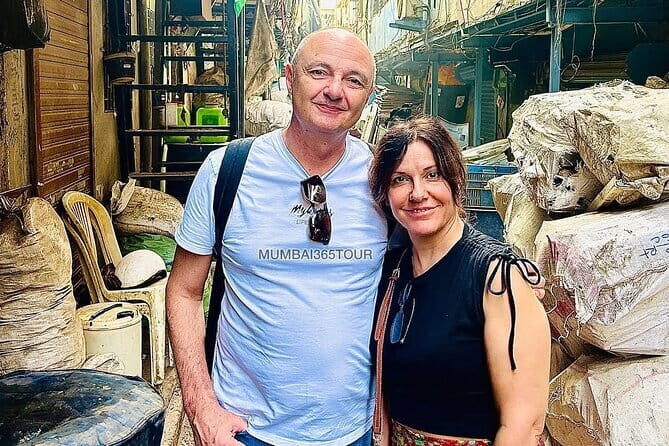
- A guide from Dharavi who can take you into places you’d miss on your own
- Private, small-group feel with time for questions and photos
- Workshops and industries tied to recycling, pottery, leatherwork, and textiles
- Schools and community spaces so you see more than streets and housing
- Third Wave Coffee meetup that makes logistics simple
- Short tour price at $8.99 that feels unusually good value for what you get
A Private Dharavi Walk Starts at Third Wave Coffee
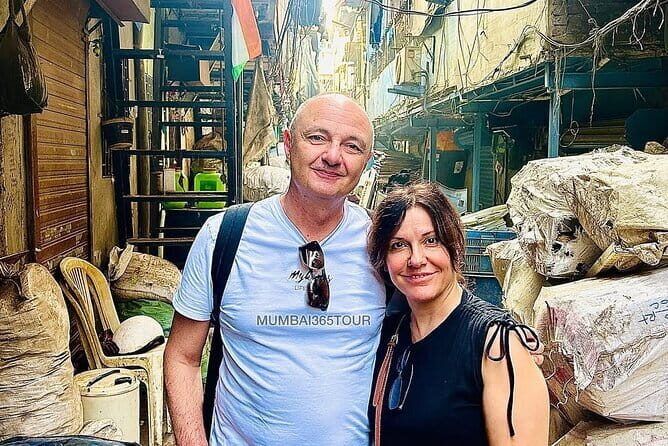
This tour is set up to be low-stress to join. You meet at Third Wave Coffee on Tip Road in Mahim (Ram Mahal, Senapati Bapat Marg area), and the tour ends back at the same place. The itinerary shows three “Third Wave Coffee” touchpoints—start, quick meetup time, then the return. Think of those coffee stops as your buffer for getting oriented, meeting your guide, and finishing with a clear endpoint.
Duration is listed as about 2 hours 30 minutes, but the Dharavi walking portion is shown as roughly 45 minutes. That doesn’t mean you’ll see only one small pocket of Dharavi. It usually means there’s extra movement time, plus pauses to talk with people and move through working areas at a human pace. If you’re the type who hates being rushed, that’s a plus.
Practical note: food and drinks aren’t included. Bottled water is. So if you’re sensitive to long stretches without snacks, grab something light before you go—especially because the tour is a walking experience.
You can also read our reviews of more guided tours in Mumbai


Why a Guide from Dharavi Changes Everything
Here’s the core reason this tour works: you’re not just seeing Dharavi from the outside. You’re going through it with a guide who lives there and understands how daily life, businesses, and community spaces connect.
The reviews highlight guides who explain the area with both humor and care, and who answer questions directly. Ali is mentioned as professional, passionate, and able to share history alongside what you’re seeing in real time. Sarfaraz is also praised for making the community’s industries and daily challenges understandable, while keeping the tone respectful.
That matters for three reasons:
- Safety and comfort: You get a route that makes sense in narrow areas. More importantly, you get guidance on how to behave and where to stand while people keep working.
- Meaning over motion: A local guide can connect what looks like “a small workshop” to how it feeds Mumbai’s economy.
- Language and boundaries: English is specifically mentioned in reviews, and you’ll likely get help phrasing questions. You also tend to feel less awkward when someone is setting the expectations for you.
One consideration: this is a private tour, but it’s still a real community. You should be ready to watch, listen, and keep your camera use respectful. The tour is designed for safe access, but your attitude still sets the tone.
45 Minutes of Dharavi Life: Markets, Alleys, and Small Businesses
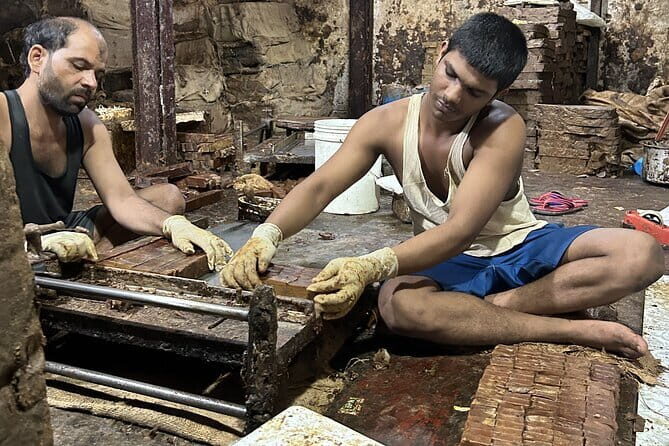
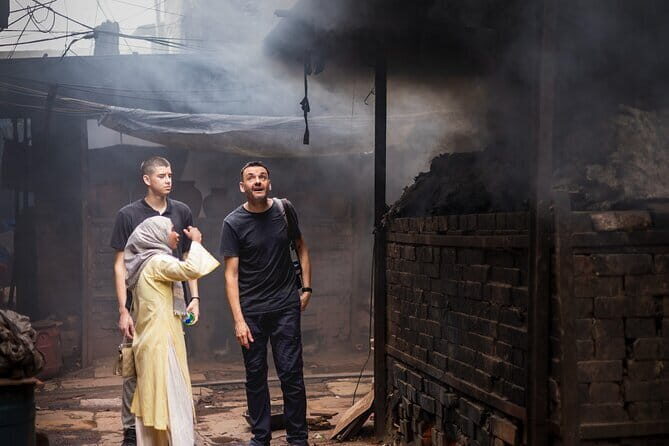
The heart of the tour is the Dharavi stop—about 45 minutes, focused on everyday life. Expect narrow alleyways, local markets, and small-scale industries packed close together. This is the kind of place where “getting lost” can happen fast if you’re solo. With a guide, you get the opposite: you move with purpose and you learn what you’re looking at.
You’ll also get to see the place as a working neighborhood, not a staged attraction. The goal is to show the daily rhythm—people at work, trade happening in real spaces, and community life continuing around you.
What I like about this structure is that it’s not trying to cram every possible Dharavi topic into one day. It gives you enough time to understand the basics of how the area functions, then you exit back to the calm of the meeting point. If you’re worried about overdoing it in one go, this pacing helps.
A possible downside: because Dharavi is dense, your comfort will depend on how you handle close quarters and visual intensity. If you’re someone who gets overwhelmed easily in unfamiliar environments, you’ll want to mentally prepare for that before the tour starts.
Work You Can See: Recycling, Pottery, Leatherwork, and Textiles
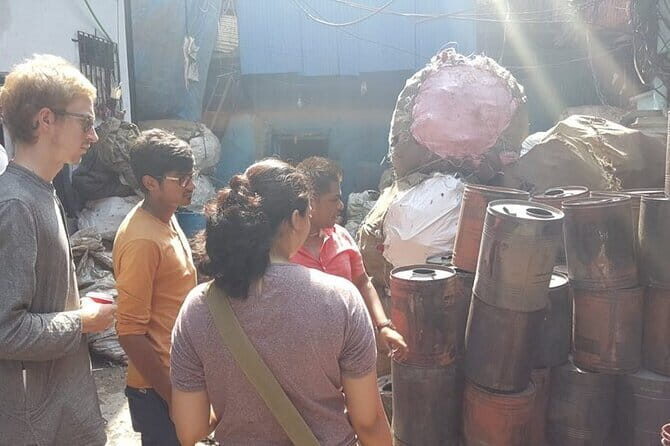
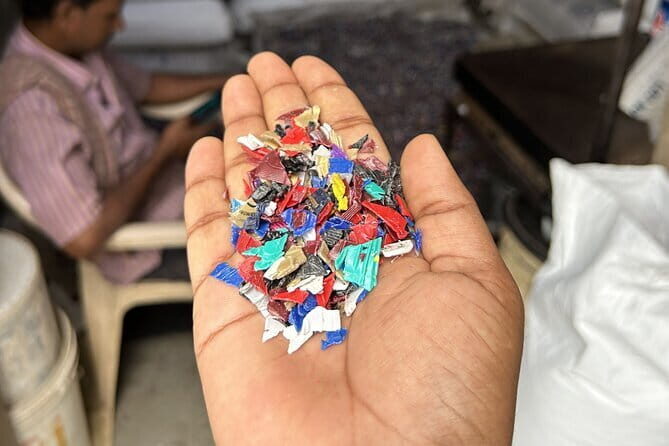
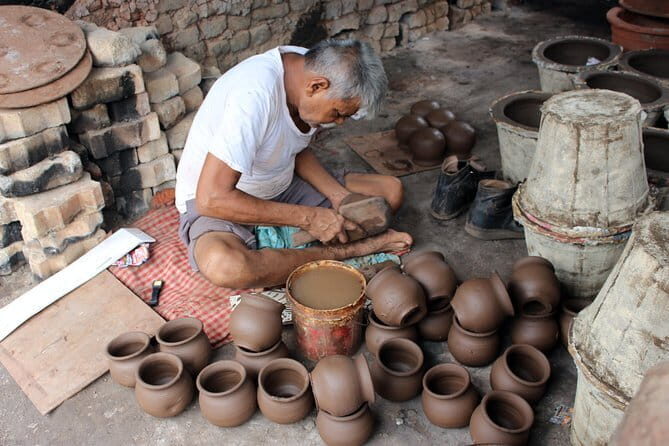
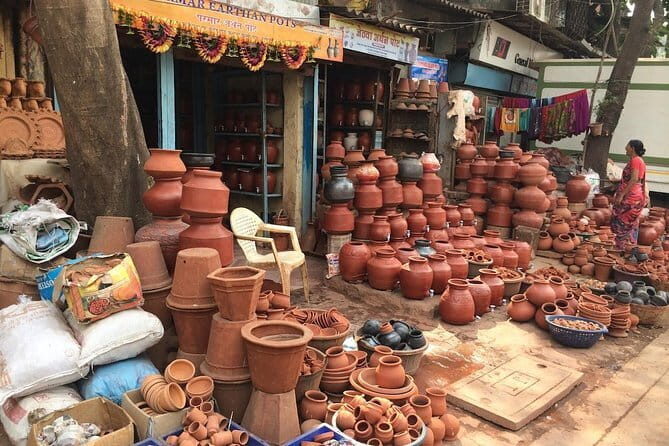
One of the most praised parts of these tours is the industrial side of Dharavi. The itinerary notes visits that can include pottery makers and recycling centers. Reviews add extra detail: recycling, pottery, leatherwork, and textiles are all commonly discussed, and you may see industries in action rather than only hearing about them.
Why this matters to you as a visitor:
- You understand value, not just poverty: Dharavi is often described through need. The tour pushes you to also see skill, production, and the practical systems that keep goods moving.
- You get context on skills: When a guide explains how materials are collected, processed, and sold, it stops being “interesting to watch” and becomes “I get why this exists.”
- You see local innovation at street level: Small workshops and recycling centers show work happening where you wouldn’t expect it from a distance.
In at least one standout account, Ali’s route also included Dhobi Ghat. That’s not shown in the short itinerary block here, but it’s a strong reminder that private tours can vary by guide and timing. If you’re especially interested in how everyday labor connects across Mumbai, ask your guide what nearby working areas they plan to include.
A tip that comes directly from what people loved: take time for questions. A good guide will explain what you’re seeing, not just point at it. And if you want photos and videos, reviews note that some guides make room for that while still respecting the flow of work.
Schools and Community Centers: More Than a Tour of Streets
This tour isn’t only about factories and alleyways. It also aims to show places connected to community life, including schools and community centers. That’s a big deal because it shifts your mental picture of Dharavi from “what a visitor sees” to “what families live with.”
When guides talk about schools, it’s often framed as a continuing part of the neighborhood’s survival and growth. One review specifically mentions that a percentage of tourist money goes toward supporting a local school. Even without getting deep into numbers, that kind of detail helps you understand where your visit can translate into real-world support.
Another review calls out how guides highlighted challenges alongside skills. That’s what makes the school/community component more than a box-check. You leave with a clearer sense of how education, work, and community networks interact.
If you prefer tours that show dignity and agency, this is one of the better angles you can choose. Just remember: you’re visiting in a place where people live. Keep your attention on respectful observation, and follow your guide’s instructions on where and when it’s appropriate to look.


Pace, Questions, and Photos: How the Tour Feels on the Ground
The experience is designed as a private tour/activity with only your group participating. That alone changes the tone. Instead of spending your time waiting for a pack, you’re more likely to get direct answers and a route shaped around your questions.
Reviews repeatedly praise guides for being:
- Professional and respectful
- Easy to understand in English
- Willing to answer questions
- Ready to allow time for photos and videos
That last point matters. Dharavi can make you want to document everything. But if you don’t have time to shoot thoughtfully, you end up taking random pictures and missing the explanations. With a guide who gives you time, you can actually connect what you photograph to what you’re learning.
How to get the most out of this part: ask questions that start with what you’re seeing. For example, you can ask about how goods are made, how materials are reused, or how education fits into daily life. Guides like Ali and Sarfaraz are specifically praised for sharing both context and the human side of their neighborhoods.
And one more practical note: the tour includes bottled water, but it doesn’t include food. If you’re prone to getting cranky when hungry, you’ll thank yourself for planning ahead.
Price and Logistics: Is $8.99 Really Good Value?
At $8.99 per person for about 2 hours 30 minutes, this is priced like a budget add-on. But the value isn’t just the low cost. It’s what you’re getting for it: a private guided walk led by someone from Dharavi, plus bottled water, plus a route that’s hard to replicate on your own.
Here’s how I’d think about value if you’re weighing it:
- Guiding costs money. A local guide who can safely route you through real working areas is the main expense in any slum-tour model.
- Your time is protected. You don’t waste time trying to figure out where to go or how to act. You get a plan.
- Language and context add up. Reviews highlight English and strong explanations, including history and how industries connect to Mumbai’s economy.
The price also helps if you’re traveling on a tighter budget but still want more than the standard “big sights” routine. If you’re already paying for paid attractions, this can feel like a surprisingly affordable way to get a deeper look at how Mumbai actually works at ground level.
If you’re sensitive to emotional or visual intensity, don’t let the price fool you. This isn’t a light, fluffy tour. It’s a real neighborhood.
Who Should Book This Dharavi Tour (and Who Might Pass)
This fits best if you:
- Want a private, guided experience rather than a group scramble
- Care about understanding daily life, not just taking photos
- Are curious about industry and skills—recycling, pottery, leatherwork, and textiles
- Prefer an approach that includes community spaces like schools and community centers
You might want to think twice if you:
- Get overwhelmed in very crowded, tight areas
- Dislike tours that ask you to be a respectful observer of real life
- Want a purely “tourist-friendly” sightseeing style with wide streets and low sensory intensity
A small comfort detail: service animals are allowed, and most travelers can participate. So if you have mobility needs, you’ll still want to consider walking conditions, but the tour itself doesn’t list strict participation limits for most people.
Should You Book Inside Dharavi?
If you’re coming to Mumbai and want at least one experience that feels real, personal, and grounded in daily work, I’d seriously consider booking this. The biggest reason is the blend of local guidance and access to how the place runs—industries, recycling, workshops, and schools—without you needing to figure it out alone.
I’d book it if you’re ready to be respectful, ask questions, and accept that the visuals and stories can hit emotionally. I’d skip it if you’re looking for a relaxed sightseeing outing.
If you decide to go, do one simple thing: show up prepared to listen. That’s when this tour goes from “unusual” to genuinely memorable.
FAQ
How long is the Inside Dharavi tour?
It’s listed at about 2 hours 30 minutes.
Where do you meet for the tour?
You meet at Third Wave Coffee on Tip Road, Unit no. 58, Ground, Ram Mahal, Senapati Bapat Marg, Marinagar Colony, Mahim, Mumbai, Maharashtra 400016, India.
Is pickup offered?
Yes, pickup is offered.
Is the tour private?
Yes. It’s a private tour/activity with only your group participating.
What’s included in the price?
A local guide from Dharavi and bottled water are included.
What isn’t included?
Food and drinks aren’t included, and you’ll have personal expenses.
Can I get a mobile ticket?
Yes. Mobile ticket is listed as part of the experience.
How far in advance should I book?
The average booking time shown is 6 days in advance.
What is the cancellation policy?
Free cancellation is available up to 24 hours in advance for a full refund. If you cancel less than 24 hours before the start time, the amount paid isn’t refunded.
Are service animals allowed?
Yes, service animals are allowed.
What can I expect to see inside Dharavi?
You’ll see everyday life and small industries, with stops that may include pottery makers, recycling centers, schools, and community centers, plus other areas your local guide takes you to.