REVIEW · MUMBAI
Private Guided Bandra Half Day City Tour in AC Vehicle
Book on Viator →Operated by M/s Khaki Tours · Bookable on Viator
Bandra tells stories in every lane. This private guided half-day strings together sea views, Portuguese-era churches, and working neighborhoods around Bandra in about 4 hours.
What I like most is the mix of sights that feel connected: big landmarks like Bandra Fort and Mount Mary Basilica, plus smaller lanes where daily life still shows up.
The second big plus is the guide. Guides named Samantha, Vikram, and Sultan Warsi stood out for energetic storytelling, strong local context, and patience with questions (including families).
One possible drawback: the timing can stretch if the group starts late, and the history talk can feel a bit long if you prefer a lighter pace.
In This Review
- Key Things That Make This Bandra Tour Worth Your Time
- Bandra in Four Hours: What the Private AC Tour Feels Like
- Bandra Fort: Sea-Link Views and a Portuguese-Old Defense Past
- Bandstand Promenade: Bollywood Names and the Upscale Side of Bandra
- St. Andrew’s Church: Old Faith, Portuguese Details, and Quiet Architecture Stops
- The Catholic Fishing Village Edge: Where the City Turns Practical
- Khar Danda: Fish Laid Out to Dry for Preservation
- Chuim Village: Winding Hill Lanes and a Slower Pace
- Beverly Hills of Mumbai Drive and a Restored Colonial-Era Railway Station
- Ranwar: Indo-Portuguese Catholic Cottages in the Middle of the City
- Mount Mary Basilica: Portuguese-Style Faith and a Moment to Pause
- Why the Guide’s Style Makes or Breaks This Tour
- Price and Value at $74.36 Per Person
- Practical Tips for Your Best Half-Day in Bandra
- Should You Book This Bandra Half-Day Tour?
Key Things That Make This Bandra Tour Worth Your Time
- AC vehicle comfort for moving between stops without overheating
- Portuguese/Indo-Portuguese sites like St. Andrew’s Church and Mount Mary Basilica
- Real Mumbai moments at places like Khar Danda with fish drying
- Short, focused walks through places like Chuim Village and the hill lanes
- Guides who narrate well, including named hosts like Sultan Warsi and Vikram
Bandra in Four Hours: What the Private AC Tour Feels Like
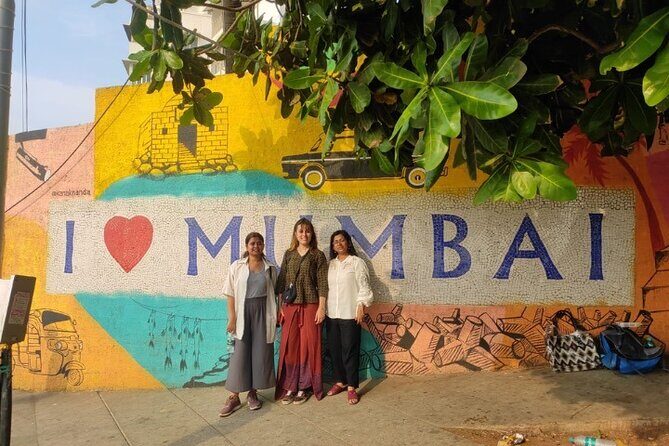
This is a private half-day tour, so you’re not stuck waiting for strangers or trying to keep up with mismatched walking speeds. The AC vehicle helps a lot in Mumbai, especially because you’re moving between Bandra West highlights and the city edge areas where the vibe shifts from grand views to everyday work.
You’re also getting a balanced format: you’ll stop often, spend a short, practical amount of time at each place, and still cover a lot of ground. The “half-day” promise matters here. Bandra has more than one face, and this route helps you see several in one shot, without the all-day commitment.
The route is also built for variety. You’ll see viewpoints (sea and bays), architectural landmarks (Portuguese-style churches), and neighborhoods where you can smell and notice what people do. If you like tours that teach you how a place works, not just what it looks like, this format fits.
The one caution is pacing. The stops are fairly brief, but if your guide is extra story-heavy, the experience can feel long. And if pickup or the initial timing gets delayed, the whole flow can slide later. If that bugs you, go in with a flexible mindset—or be upfront about wanting less history talk.
You can also read our reviews of more guided tours in Mumbai


Bandra Fort: Sea-Link Views and a Portuguese-Old Defense Past
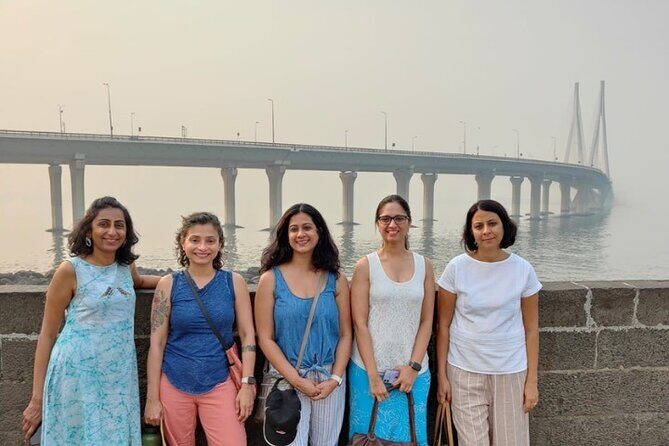
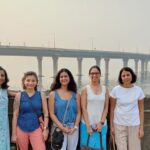
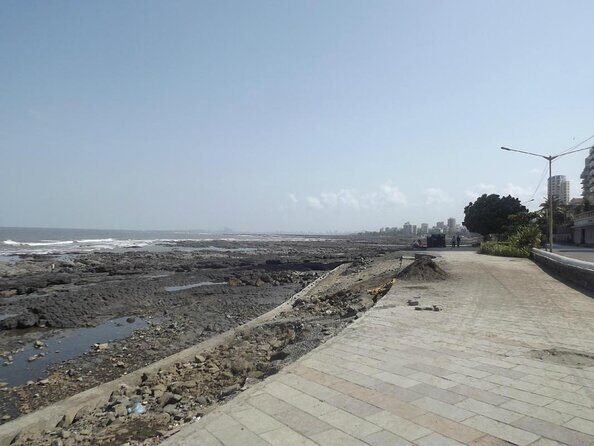
Your tour begins at Bandra Fort, an old Portuguese fort position that gives you spectacular sightlines—especially toward the sea link and Mahim Bay. This stop works even if you’re not a “fort person,” because the view does half the job for you. You get a sense of where Bandra sits in the wider Mumbai system: coastline, movement, and the way the city grew around waterfront angles.
Because this is a fort site rather than a museum-style building, the value is in standing in the right place and understanding what you’re looking at. A good guide here will help you connect lines on the map to the physical geography in front of you—why you see certain stretches, and why this location mattered historically.
Time is about 30 minutes, which feels right. You’ll likely take photos, soak in the view, and still have enough energy for the next stops. Admission is listed as free, so you’re not forced into an extra ticket stop.
Possible consideration: if the weather turns, viewpoints can feel windy or less comfortable. Since the experience requires good weather, plan for flexibility. If it’s too hazy, you might lose some of the crispness of those bay views.
Bandstand Promenade: Bollywood Names and the Upscale Side of Bandra
Next up is the Bandra Bandstand Promenade, a stop that’s famous partly because Mumbai’s celebrity culture has made it part of the public imagination. You’ll also hear about Shah Rukh Khan being associated with the area, along with other villas tied to wealth here.
But the best way to enjoy this stop is not as a “spot the celebrity house” exercise. It’s more interesting as a window into how Bandra’s modern reputation was shaped—promenade life, sea air, and high-demand real estate all coming together in one stretch.
Time is short (about 15 minutes), which is ideal. You get orientation, a feel for the neighborhood mood, and then you move on before you start feeling like you’re just walking without learning.
Admission is free, so you’re paying for the guide’s interpretation, not entry fees. If your guide is strong at storytelling (and the praised guides were), this stop can link the “famous name” conversation to the real geography—where wealth clusters, how the coastline draws people in, and why certain areas became symbols.
St. Andrew’s Church: Old Faith, Portuguese Details, and Quiet Architecture Stops
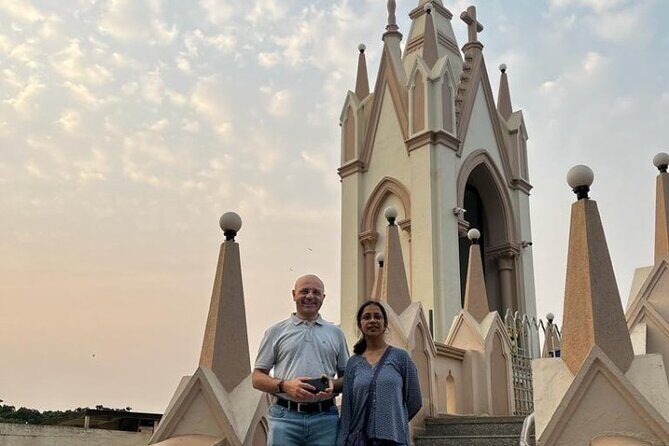
St. Andrew’s Church is described as the oldest church in Bandra, and it’s known for Portuguese features. This stop is only about 10 minutes, so it’s not the kind of place you “settle into.” Instead, you treat it like a short architecture lesson: look closely, then let your guide explain what makes the style recognizable.
This is one of the tour’s most efficient moments. A church like this can be visually impressive, but its real payoff is context. When you understand how Portuguese-era design shows up in the details, the stop stops being just a pretty building and becomes a clue about the broader cultural layers in the area.
Because admission is listed as free, it’s easy to include without adding ticket complexity. The downside is that with such a short time block, you’ll have to accept brief viewing. If you love long, slow church visits, you might wish you had extra minutes here.
If you’re traveling with kids, this is also the kind of stop that can work well: it’s short, visually clear, and a good guide can keep attention by turning architecture into simple explanations.
The Catholic Fishing Village Edge: Where the City Turns Practical
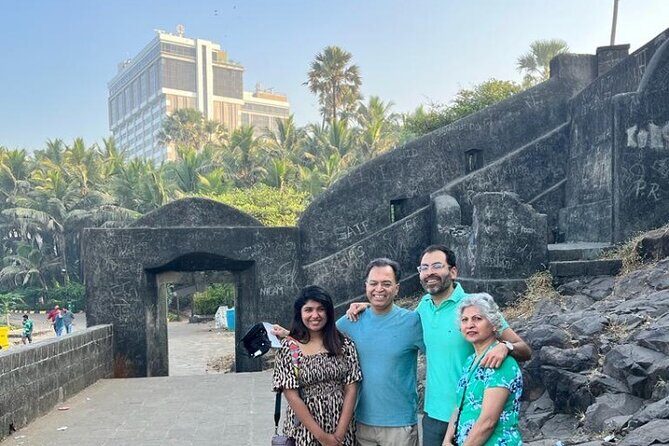
Halfway through the tour, the route includes a Catholic fishing village at the edge of the city. This part is less about monuments and more about atmosphere—seeing how coastal living fits into a city that usually feels fast and commercial.
Even without a formal ticketed attraction, these moments are valuable because they remind you Bandra isn’t only postcards and promenades. You get a sense of what the shoreline supports and why certain neighborhoods developed as they did.
Time isn’t listed as a separate minute block for every single micro-stop here, but the route does move quickly. The goal is a snapshot, not a deep ethnographic study. If that suits you, you’ll likely find it refreshing.
Possible drawback: if you’re sensitive to smells or you prefer quiet interiors, this is the segment most likely to feel “raw.” That’s also why it’s memorable. You’re seeing a working seam of Mumbai, not just the display side of it.
You can also read our reviews of more city tours in Mumbai





Khar Danda: Fish Laid Out to Dry for Preservation
Then you reach Khar Danda, with a quick 5-minute stop focused on something very specific: you can see and smell fish laid out to dry for preservation.
This is not subtle, and it’s not polished. It’s the kind of stop you either love for its honesty or you’d skip if you’re expecting a clean, museum-like route. But if you enjoy understanding how food and labor connect to place, it’s powerful.
The tour keeps it short for a reason. You get the main point without turning it into an extended exposure. Admission is listed as free, so again, you’re paying for guidance and context, not tickets.
Practical consideration: if you’re carrying light bags and you want to take photos, bring your camera-ready setup. Also, plan for the possibility that the smell may cling a bit. A quick refresh afterward (water, a wipe, something small) can make the rest of the tour more pleasant.
Chuim Village: Winding Hill Lanes and a Slower Pace
Chuin Village is a 10-minute visit through winding lanes on a hill. This is where you feel the tour shift from “coast and big view” into “small geography and tight streets.”
A hill lane walk has a simple advantage: you get texture. You see how buildings sit relative to slopes, how people navigate narrow ways, and how the neighborhood feels human-scale. It’s also a great place for a guide to explain how the area’s past and present mix—because you’re literally moving through it.
Since admission is free, the value here is time-on-foot and explanation. The only catch is comfort. Short lanes can be uneven. You’ll do fine if you wear supportive shoes, but this is not the segment for flip-flops and long photo sessions.
If you want a tour that includes at least one “slow down” moment, Chuim Village usually delivers that mental reset.
Beverly Hills of Mumbai Drive and a Restored Colonial-Era Railway Station
Between the village stops and the more iconic church sites, the tour includes scenic drives through the “Beverly Hills of Mumbai” area and also a drive past a colonial-era railway station that’s been recently restored and illuminated.
Why this matters: these drives act like visual transitions. You’re going from tight village lanes to more official-looking urban architecture, and those contrasts help you understand Bandra as a set of connected layers—old Portuguese influence, coastal labor zones, and modern prestige pockets.
The railway station stop is especially interesting because illuminated restoration is all about timing and perception. If you’re a “light and architecture” person, this can be a standout moment. Even if you’re not, it helps you see why guides often stop telling stories and start pointing out how infrastructure changes a neighborhood’s identity.
Time is built into the route rather than listed as a formal stop duration here, so treat it as a quick observational chapter. If you prefer more time at major landmarks, you might wish these drives lasted longer. But as part of a 4-hour plan, they keep variety high without adding fatigue.
Ranwar: Indo-Portuguese Catholic Cottages in the Middle of the City
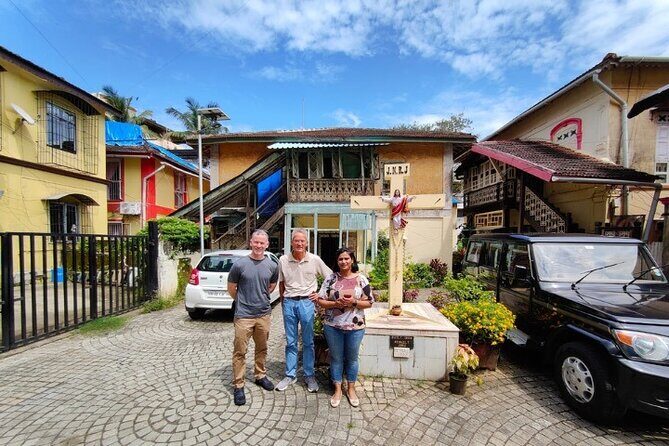
Next comes Ranwar, a 10-minute stop centered on Indo-Portuguese heritage and a Catholic village feel, with pretty cottages described as trapped in the middle of the city.
This is one of those places that can feel like a time capsule. Even from short viewing, you pick up that it’s not just about churches; it’s about how communities shaped their homes, their streets, and their everyday routines. When your guide explains the mix of cultures and why these cottages look the way they do, the “trapped in the city” detail stops being poetic and starts being practical.
Again, admission is free. The value is interpretation and attention. If your guide is strong (and the praised guides were), Ranwar becomes a mini lesson on how Portuguese-era influence can persist even when the surrounding city changes fast.
Possible consideration: because time is brief, you’re not exploring deeply. It’s more like meeting a neighborhood at the doorstep and getting the big picture fast.
Mount Mary Basilica: Portuguese-Style Faith and a Moment to Pause
The tour ends at Mount Mary Basilica, described as the oldest church in Bandra with distinctive Portuguese features. This is a 15-minute stop, giving you a bit more time to absorb the space and let the architecture and setting register.
This is also a tour-friendly ending: churches provide built-in pauses, and 15 minutes is often enough for photos, quiet moments, and final questions. If your guide has been doing patient, story-driven explanation throughout, this stop tends to be the place where everything clicks. The Portuguese influence you’ve heard about earlier becomes easier to spot and easier to understand.
Admission is free, and you return back to the meeting point as the tour ends there. That structure helps. You’re not left scrambling for a ride after your last stop.
Why the Guide’s Style Makes or Breaks This Tour
A Bandra tour can go two ways. It can become a list of stops. Or it can become a guided map of how the neighborhood works.
The strongest praise in the feedback focuses on guide talent with storytelling and navigation. Guides named Samantha, Vikram, and Sultan Warsi were highlighted for being proactive, enthusiastic, and willing to answer questions. Sultan Warsi, in particular, was praised for connecting places to history and managing a group smoothly, including being family-friendly.
You’ll feel that difference in three ways:
- Fewer confusing moments. A good guide makes the geography make sense fast, so you don’t keep wondering why you’re driving past certain streets.
- More meaning per minute. With short stops like Khar Danda (5 minutes) or Bandstand (15 minutes), the guide’s explanation is what keeps those moments from feeling rushed.
- Better pacing control. Guides who can handle questions without losing time help you finish the route feeling informed, not tired.
One watch-out, based on feedback you should take seriously: if you prefer less history talk, you might ask early for a lighter version of the story. That small request can help you get what you want from the same route.
Price and Value at $74.36 Per Person
At $74.36 per person, you’re paying for a private half-day guide plus AC vehicle comfort, pickup availability, and a set of notable stops where admission is listed as free.
To judge value, don’t compare this to self-guided browsing on your own. Compare it to what costs money and time in Mumbai: transport hassle, figuring out the best order of stops, and learning enough context to make old churches and Portuguese-era architecture meaningful.
Here, the math can work well if:
- You want a focused route in a limited time window
- You care about what you’re seeing, not just where it is
- You’re traveling as a small group and the private setup is worth it
Where it may feel less ideal: if you’re the type who loves wandering without structure and already knows Bandra well, you might not need a guide to cover these points. But for most visitors, the guide’s storytelling is the main value driver.
Practical Tips for Your Best Half-Day in Bandra
This tour is built for good weather. If the skies are questionable, you might need rescheduling, so keep your plans flexible.
Wear comfortable shoes, especially because you’ll do short walks through Chuim Village lanes and around older sites. Mumbai heat can sneak up fast too, and you’ll feel it most when moving between stops. The AC vehicle helps, but you still want breathable clothes.
For photography, plan for a mix:
- Viewpoints at Bandra Fort and promenade areas
- Architecture at St. Andrew’s Church and Mount Mary Basilica
- Working-life visuals around Khar Danda
If you want a smoother experience, think of the tour like this: it’s a series of quick “chapters.” Let each stop be short and complete. Don’t try to linger too long at one spot, or you’ll feel rushed later.
Finally, bring questions. The praised guides handled questions well, and that’s where a walking-and-driving tour turns from sightseeing into understanding.
Should You Book This Bandra Half-Day Tour?
If you want a concentrated Bandra snapshot—Portuguese-era landmarks, coastal working life, and a guide who tells the story clearly—this is an easy yes.
Book it if:
- You have about 4 hours
- You want a private experience with AC transport
- You like when a guide helps you connect geography to culture, not just recite facts
Skip or reconsider if:
- You strongly prefer minimal history talk and very tight timing
- You’re extremely sensitive to strong smells (the Khar Danda fish-drying stop is part of the experience)
For most first-time visitors—and even for people who already live in Mumbai and want structure—this route gives you a Bandra overview that feels real, not generic.