REVIEW · MUMBAI
Mumbai Local – Best Seller from Mumbai Magic
Book on Viator →Operated by Delhi Magic · Bookable on Viator
Mumbai shows you its pulse on public transit. This tour is run by student-guides tied to a youth empowerment and learning non-profit, so you’re not just collecting sights—you’re seeing Mumbai through young eyes. It starts at the Gateway of India and strings together big-name landmarks, Gandhi’s Mumbai, and the famously strange sight of Dhobi Ghat.
I love the practical way it mixes transportation: Mumbai local train moments, BEST buses, and black-and-yellow taxis so you get the city’s rhythm between highlights. I also love the guide approach—on one tour, guide Dinesh was intensely enthusiastic and quick to adapt, keeping the group feeling safe while stretching time around the laundry area.
One consideration: it’s a brisk 4-hour loop with multiple stops and transit hops, so if you want slow, sit-down sightseeing or avoid train rides, this may feel like too much.
In This Review
- Key things to know before you go
- Why this Mumbai Local tour feels different
- Gateway of India to Churchgate: the fast start that sets your bearings
- Regal Circle, Prince of Wales Museum area, and Kala Ghoda photos on the move
- Bombay University, High Court, and Oval Maidan: civic Mumbai in a single view
- Churchgate: where the landmark loop meets everyday commutes
- Mani Bhavan Gandhi Museum: sea views and Gandhi’s Mumbai in context
- Dhobi Ghat by train: watching the open-air laundry system at work
- Food breaks and local delicacies without turning it into a foodie detour
- Transport choices that make the route feel practical (not performative)
- What’s included in the ticket, and what you should budget for
- How long it takes and how to pace your own day
- Who this tour suits best
- Should you book this Mumbai Local: Best Seller from Mumbai Magic?
- FAQ
- How long is the Mumbai Local tour?
- Where does the tour start and end?
- What transport does the tour use?
- What stops are included in the route?
- What is included in the price?
- Are museum entrances and meals included?
- Is the tour private?
Key things to know before you go
- Student-guided storytelling that connects landmarks to everyday Mumbai life
- Public transit mix: Mumbai local train, BEST buses, and black-and-yellow taxis
- A strong landmark sequence from Gateway of India through Churchgate
- Mani Bhavan via Marine Drive and Chowpatty for sea views and Gandhi context
- Dhobi Ghat in real time—watch Mumbai’s open-air laundry system at work
Why this Mumbai Local tour feels different
Most city tours are built like checklists. This one feels more like a guided walk through the way Mumbai actually works, with transport doing part of the sightseeing.
The biggest difference is who’s doing the teaching. The student-guides are tied to a non-profit focused on youth empowerment and learning, and your ticket helps generate income for them. That matters because it changes the energy of the day: the info doesn’t come out like a script, it comes out like pride. You’ll notice how quickly the guide shifts from facts to small street-level observations—what a place is used for now, what locals notice, and how the city got shaped.
You also get a tour that hits famous sights, but it doesn’t linger only where postcards are made. The day is designed to move: landmark blocks, then sea-side views, then a train ride to Dhobi Ghat.
You can also read our reviews of more tours and experiences in Mumbai.


Gateway of India to Churchgate: the fast start that sets your bearings
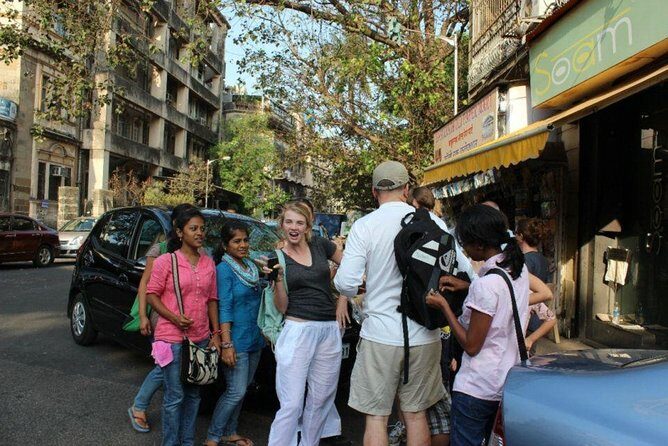
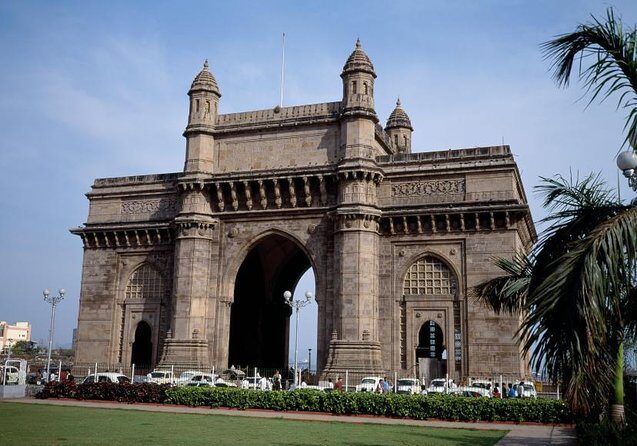
The tour kicks off at Gateway of India, right in Apollo Bandar, Colaba. From there, you work your way toward Churchgate, threading through a cluster of classic Bombay-era landmarks and civic spaces.
What I like about this start is the way it gives you a mental map quickly. Gateway of India is your anchor point. From there, you glide through the Regal Circle area and into the zone where grand buildings and institutional landmarks sit close together. You’re seeing how the city concentrates its big architecture and official buildings along key corridors.
Stop-by-stop, here’s what you can expect.
Regal Circle, Prince of Wales Museum area, and Kala Ghoda photos on the move
As the route heads from Gateway toward the Prince of Wales Museum area and the nearby Kala Ghoda district, you get a strong “old Bombay” feel without needing to line up for an indoor museum. Even if you don’t go inside, the exterior sweep helps you understand the architecture style and the city’s colonial-era layout.
Kala Ghoda is also one of those places where it’s easy to look at details and not just buildings—street corners, façades, and the way the streets funnel foot traffic. If you like architecture and you’re curious how districts get their identity, this stretch will keep you switched on.
Bombay University, High Court, and Oval Maidan: civic Mumbai in a single view
This portion of the day is basically an education in how Mumbai organizes public life. Bombay University and the High Court are big institutions, and Oval Maidan is the kind of open space that gives the city breathing room.
Here’s the practical value: you learn how these places sit relative to each other, so later—whether you return on your own or just keep walking—you’ll spot the structure of the city instead of feeling lost.
You also get a change in pace. After the monumental feel of Gateway and the museum-area zone, the university-court-open-space sequence shifts your attention to how the city functions: students, offices, crowds, and the constant movement around major civic points.
Churchgate: where the landmark loop meets everyday commutes
Churchgate is a key finish for the first segment because it’s tied to real transit life. You’re not just ending at a pretty spot. You’re reaching the edge of a busy area where commuting energy is part of the scenery.
In a city as big as Mumbai, getting to a transit hub early helps the rest of your day feel smoother. It sets you up for the next phase—Gandhi’s Mumbai—without turning the afternoon into a travel headache.




Mani Bhavan Gandhi Museum: sea views and Gandhi’s Mumbai in context
From Churchgate, the tour takes you by bus to Mani Bhavan Gandhi Museum. The ride goes via Marine Drive and Chowpatty, which means you’re not stuck in traffic with nothing to look at.
Marine Drive is one of those stretches where you can feel the sea in your plans. Chowpatty adds another dimension: it’s a beach area where everyday life and leisure overlap. Even if you just catch glimpses from the bus route, it helps you understand why Gandhi-era Mumbai can’t be separated from water, trade, and daily public life.
Mani Bhavan itself is Gandhi’s home in Mumbai, and you’ll spend about an hour there. That’s long enough to get the essentials without turning the museum portion into a full-day commitment.
A good sign for this tour: it doesn’t demand you become an expert in one sitting. Instead, it gives you enough time to make Gandhi’s presence feel real in the city, then sends you onward to something completely different—Dhobi Ghat.
Dhobi Ghat by train: watching the open-air laundry system at work
Dhobi Ghat is the stop that most clearly delivers the off-beat character of this tour. It’s an open-air laundromat, and the experience is exactly what it sounds like: you’re there to observe the daily work of people who keep clothing moving through the city.
The tour includes a train ride to reach Dhobi Ghat, so you get two payoffs at once. First, you see another side of Mumbai mobility—how people move through the city beyond the car-centric viewpoint. Second, you arrive with your senses already switched on.
Spending about 30 minutes here works well because it keeps you from getting fatigued. Dhobi Ghat is visually busy and active, and the most rewarding approach is to watch first, then ask your guide questions. If you’re the kind of traveler who likes to understand how systems work—how labor, routines, and infrastructure connect—this stop will click fast.
On one tour, the guide (Dinesh) made room for extra time in the laundry area. He also adjusted the pacing when a related schedule didn’t line up, turning that curveball into more observation time. That’s the kind of flexibility you want: not a rushed stop, but a guided look that respects what you’re actually seeing.
Food breaks and local delicacies without turning it into a foodie detour
The tour includes time to experience local delicacies, but it’s not built as a full restaurant crawl. You’ll likely find yourself with opportunities to grab a snack or something simple while moving through the day.
One helpful detail from real experience: someone specifically called out that the tour included a nice lunch as part of the flow. Even if meals aren’t guaranteed as a formal inclusion, the structure gives you enough natural breaks that food can fit without derailing the schedule.
My advice: plan to eat light before you start and keep a little cash handy for whatever looks tempting near the stops. This keeps you flexible if your guide recommends something in the moment.
Transport choices that make the route feel practical (not performative)
This is one of the reasons the tour feels fun instead of staged. You’re not just traveling by car from sight to sight. You’re using the kinds of transport locals use.
Here’s the mix:
- Mumbai local train experience for the Dhobi Ghat connection
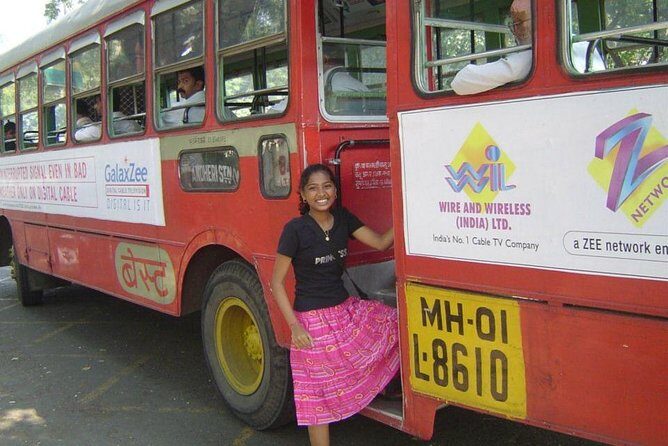
- BEST buses during the landmark-to-Gandhi segment
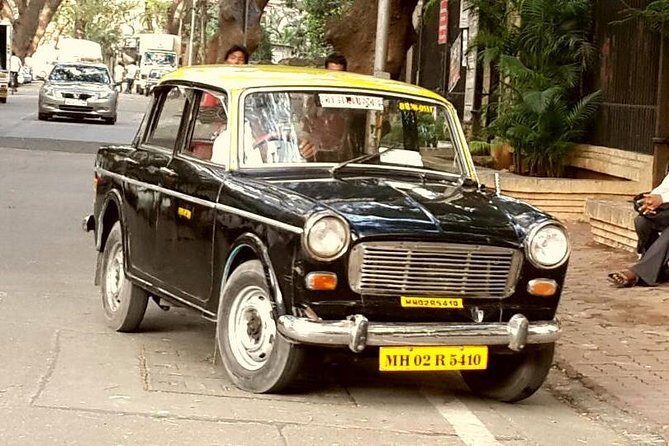
- Black and yellow taxis as links to keep the day efficient
For you, that means two things. You’ll learn what kinds of lines or corridors matter, and you’ll see how different transport modes shape what people can reach. Mumbai is a city of movement, so the transport isn’t a side activity—it’s part of the story.
It also helps with timing. A 4-hour tour can’t afford to be stuck in one mode of travel. The day keeps you moving through multiple neighborhoods without making you feel like you’re constantly waiting.
What’s included in the ticket, and what you should budget for
The price is $44.20 per person, and for that you get a solid package: an English-speaking guide, a driver with a cell phone, bottled water, and coverage of fuel, parking, and tolls. Taxes are included too.
What isn’t included: entrances, meals, and tips. That means your spending plan should assume you may pay for entry tickets if you choose to go inside at certain places. Some stops—like the landmark views—can be enjoyed without paying, but it depends on what you decide to do during the day.
Value-wise, this tour works because the route saves you the mental effort of planning transit combinations across neighborhoods. You’re paying for someone to steer the day: meeting point, route logic, and the guidance that explains what you’re seeing while you’re actually moving.
How long it takes and how to pace your own day
The tour runs about 4 hours. It’s a good length if you want a big chunk of Mumbai in one go, but you still want the evening free.
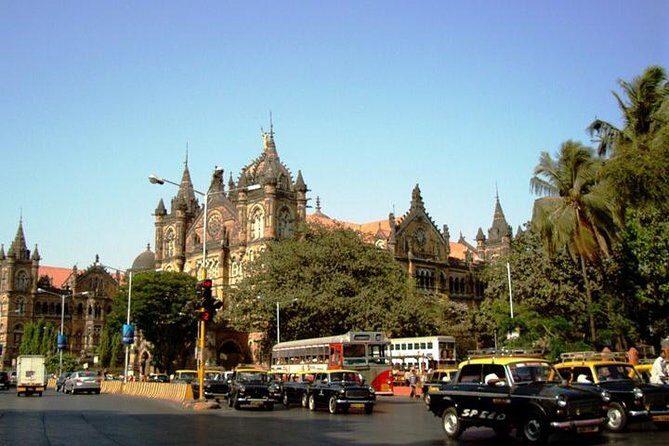
Because it ends around the Chhatrapati Shivaji Terminus area (Fort), you can pair it with other sightseeing nearby or use it as a launch point for dinner plans. Ending near a major hub also helps you get back to your hotel without extra guesswork.
To make the day feel comfortable:
- wear comfortable walking shoes, since landmarks and stops involve short moves
- bring a bit of extra patience for city movement, since you’re using real transport
- keep water on hand even though bottled water is provided
Who this tour suits best
This tour is a great match for you if:
- you like your sightseeing mixed with real city life
- you enjoy transit-based tours where you learn the rhythm of a place
- you want the off-beat stop at Dhobi Ghat instead of only big-name monuments
- you like youth-led energy and guides who speak as proud locals
It may be less ideal if you:
- hate train rides or prefer only indoor, slow attractions
- want a deep museum day with lots of ticketed time
- dislike fast transitions between multiple city zones
Should you book this Mumbai Local: Best Seller from Mumbai Magic?
Book it if you want a compact day that combines Mumbai’s landmarks with something genuinely different. The tour’s strength is the blend: big sights at the start, Gandhi context in the middle, and the lived-in, open-air reality of Dhobi Ghat. When the guide is strong—and in this case, you’ll often get exactly that—you come away feeling like you understood more than the postcard version.
Skip it if you’re hoping for a relaxed, museum-heavy day or if you’re not interested in public transit. But if you want to feel Mumbai in a handful of hours, this one is an efficient, thoughtful choice.
FAQ
How long is the Mumbai Local tour?
It runs for about 4 hours.
Where does the tour start and end?
It starts at Gateway of India (Apollo Bandar, Colaba) and ends in the Chhatrapati Shivaji Terminus area (Fort).
What transport does the tour use?
You’ll use a mix of Mumbai local train, BEST buses, and black and yellow taxis.
What stops are included in the route?
The tour covers Gateway of India, Regal Circle, Prince of Wales Museum, Kala Ghoda, Bombay University, High Court, Oval Maidan, Churchgate, Mani Bhavan Gandhi Museum, and Dhobi Ghat.
What is included in the price?
An English-speaking guide, a driver with cell phone, bottled water, and taxes are included.
Are museum entrances and meals included?
Entrances and meals are not included, and tips are also not included.
Is the tour private?
Yes, it’s listed as private, with only your group participating.