REVIEW · MUMBAI
Dharavi: Daily Life inside Asia’s Largest Slum walking tour
Book on GetYourGuide →Operated by Mumbai with Locals · Bookable on GetYourGuide
Dharavi is more workshop than grim headline. This 2-hour walk takes you from plastic recycling and small family factories to the close-up rhythms of daily life in Dharavi, with your guide sharing real stories you can’t get from a poster. I especially like how you see work created from limits—turning waste into everyday goods—then you feel the human side in the tight lanes, where community and routine matter.
The main thing to think about is physical comfort. You’ll move through narrow, uneven lanes, and the tour isn’t suitable for wheelchairs or people with mobility issues, respiratory problems, or visual impairments.
In This Review
- Key moments you should not miss
- Meeting at Third Wave Coffee and getting oriented
- The industrial start: where Dharavi works, right now
- Plastic recycling and the real value of “nothing goes to waste”
- Transitioning to residential lanes: where the stories get personal
- Dhobi Ghat: hand washing as a Mumbai workday
- Kumbharwada potters: kilns, clay work, and Gujarati roots
- What it’s like to walk with a local guide named Bala, Ravi, Abhishek, or Segidi
- How the 2 hours feel (and how to make them comfortable)
- Price and value: why $7 is a serious deal
- Who should book this tour (and who should skip it)
- Should you book Dharavi: Daily Life inside Asia’s Largest Slum?
- FAQ
- How long is the Dharavi walking tour?
- Where does the tour start and end?
- What’s the cost, and what’s included?
- What will I see during the walk?
- Is photography allowed?
- What should I bring for the tour?
- Is it wheelchair accessible or suitable for mobility issues?
Key moments you should not miss
- Plastic recycling in action: waste becomes useful products right before your eyes.
- Family-run industry: leather goods, snacks, pottery, soaps, textiles—often made in small spaces with long-running know-how.
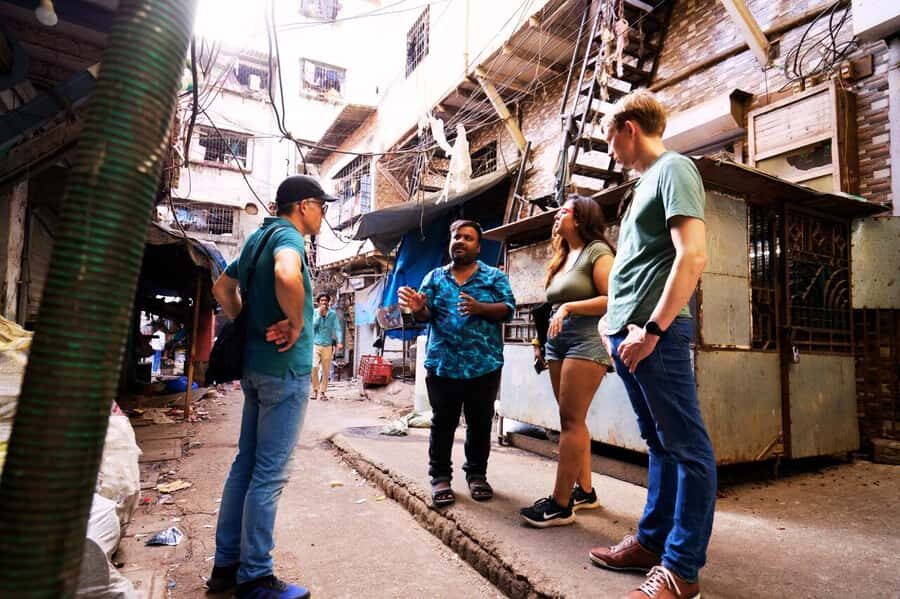
- Residential lanes and real routines: kids playing cricket, doorstep conversations, and everyday food prep.
- Dhobi Ghat laundry: open-air hand washing is part of the wider Mumbai work-life picture.
- Kumbharwada potter community: kilns and clay work in a colony with roots in Gujarat.
- Small-group walking with empathy: the focus is understanding, not photo poses.
Meeting at Third Wave Coffee and getting oriented
Your tour starts outside Third Wave Coffee. It’s a relaxed meeting point, and you’ll be greeted by your local guide, along with a quick introduction and a briefing on what to expect.
That setup matters because Dharavi can feel unfamiliar fast. The briefing helps you know how the walk will flow—industrial areas first, then homes—and what the guide wants you to do: stay respectful, listen closely, and ask before photographing people.
You can also read our reviews of more walking tours in Mumbai


The industrial start: where Dharavi works, right now
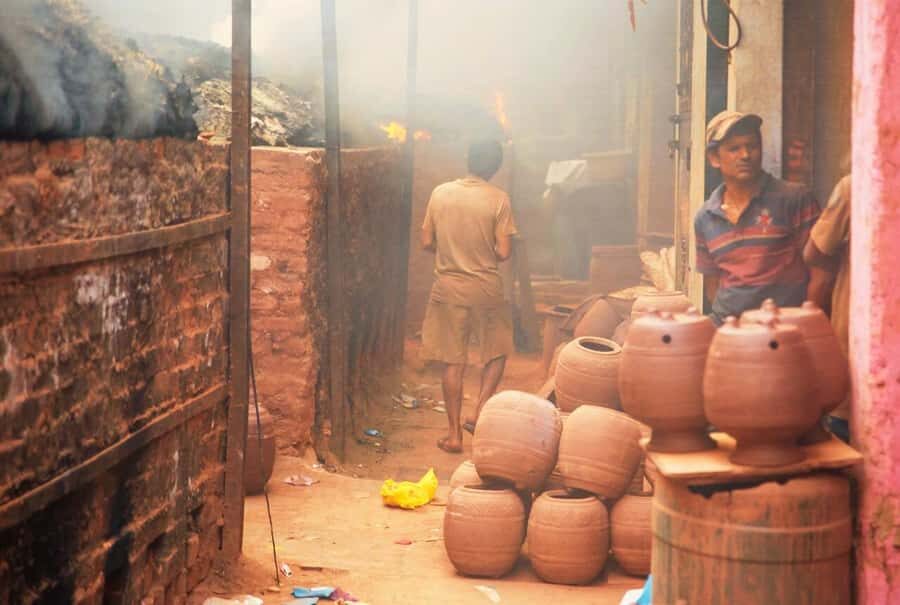
Once you arrive, the walk begins in Dharavi’s industrial zone. This part can surprise you in the best way: instead of one big void of poverty, you see organized, hands-on activity—people working, exchanging, crafting, and producing.
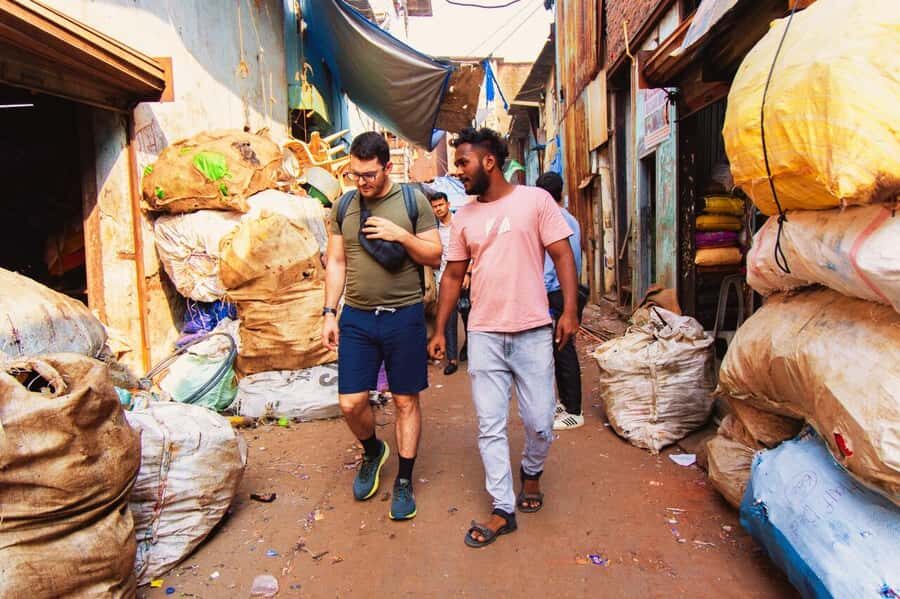
You may notice plastic and metal recycling right away. The idea is simple and powerful: materials that others discard get pulled back into the economy. Your guide explains how Dharavi fits into Mumbai’s informal economy, including the fact that local industries generate major turnover despite limited space and resources.
You’ll also see evidence of how “small” doesn’t mean “insignificant.” You might spot people baking snacks, making leather goods, and producing items like soaps and textiles. Often, these businesses are family-run and have been operating for generations, which changes how you think about what you’re seeing—you’re not just watching production, you’re watching knowledge passed down.
Practical tip: wear closed-toe shoes and keep your pace steady. It’s an active work area, and you’ll be walking through lanes that can feel tight and uneven.
Plastic recycling and the real value of “nothing goes to waste”
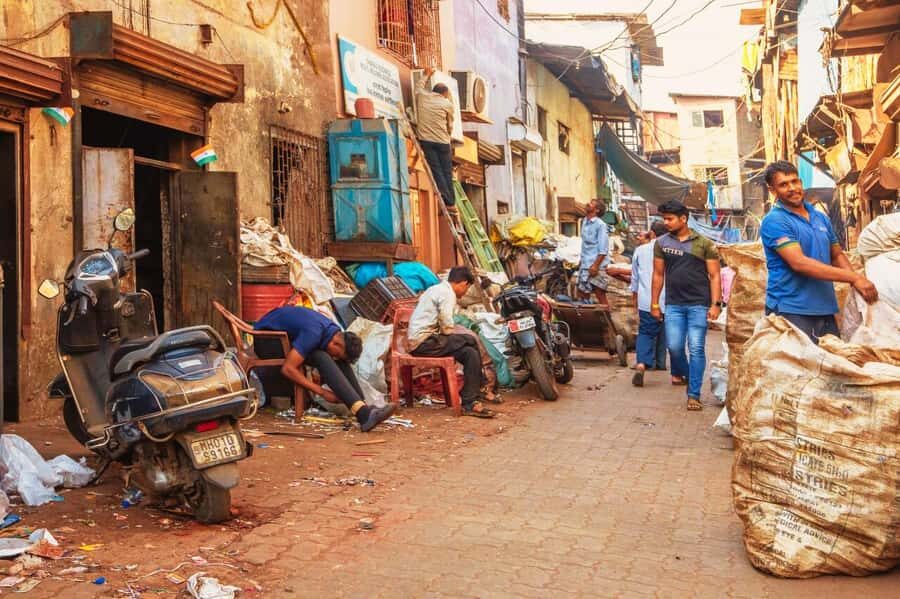
This tour’s recycling focus is not a one-sentence highlight. It’s one of the reasons the experience feels grounded: you understand the logic behind the work.
Watch for the practical transformation—how waste becomes raw material again, then becomes usable products. Even if you know the concept, seeing it in place makes it click. It also reframes the stereotypes: you’re not looking at “problem dumping,” you’re looking at a supply chain built from daily labor.
Your guide’s role here is key. You get explanations that connect what you’re seeing to how the neighborhood survives and contributes to the city. That context turns what could be just “interesting sights” into something more useful: a clearer picture of informal industry and local entrepreneurship.
Transitioning to residential lanes: where the stories get personal
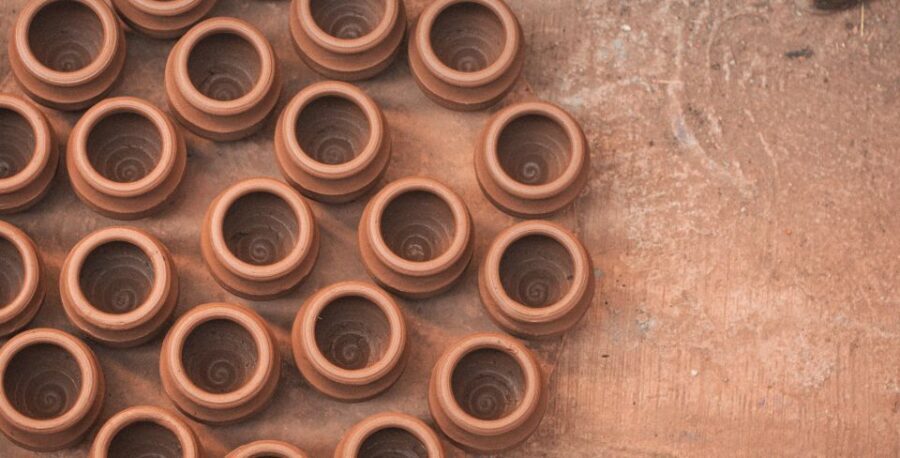
From industry, you move into the residential area. This is where Dharavi truly opens up—less about production and more about daily life you can almost feel in your body.
Expect narrow lanes, small homes, and plenty of everyday movement. You might see kids playing cricket in tight spaces, women chatting from doorsteps, and food being prepared and shared. It’s not staged. It’s routine.
Your guide shares personal stories and local perspectives, including what daily life looks like in terms of sanitation, education, healthcare, and housing. But they also talk about pride—how people feel about their homes, their neighborhoods, and their identity.
Why this part matters: it gives you something to hold onto after the tour ends. You come away with more than images. You understand what people manage, how community supports day-to-day life, and why dignity is part of the conversation, not an afterthought.
Respect note: photography is allowed, but you should ask permission before photographing people. That simple habit keeps the experience ethical and comfortable for everyone.
Dhobi Ghat: hand washing as a Mumbai workday
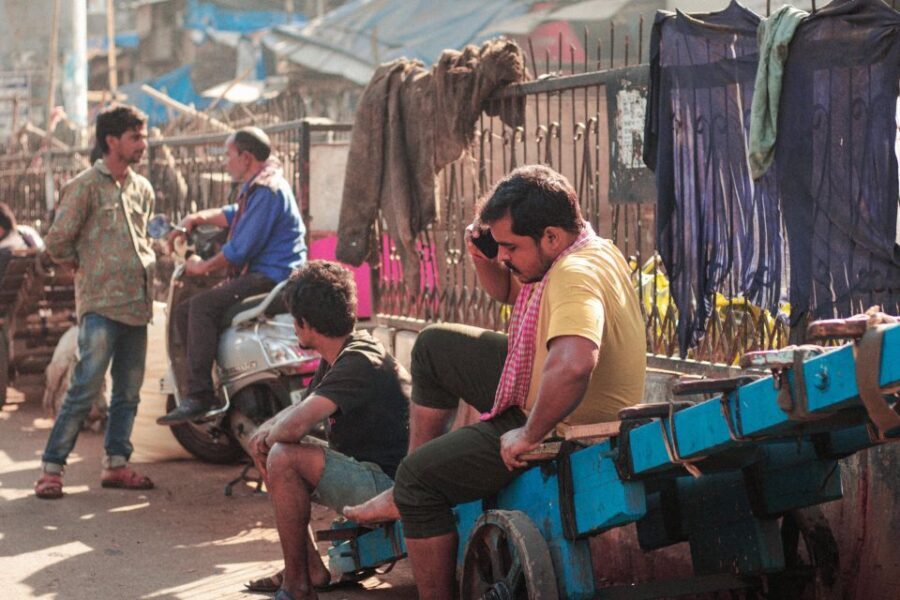
One of the tour highlights is Dhobi Ghat, Mumbai’s open-air laundry area. Here, the city’s work reaches you in a very literal way: you see clothes being cleaned by hand in a public, outdoor setting.
Even if you only spend part of the day’s route there, it adds an important thread. Dharavi’s informal economy includes many kinds of labor. Dhobi Ghat shows another side of that—service work that supports how the city functions.
If you’re the type who likes to connect the dots across a city, this stop helps. It makes Dharavi feel less like a separate world and more like part of Mumbai’s overall system.



Kumbharwada potters: kilns, clay work, and Gujarati roots
The final leg of the walk is Kumbharwada, sometimes spelled Khumbharwada. It’s one of Dharavi’s most unique neighborhoods, known as a potters’ colony.
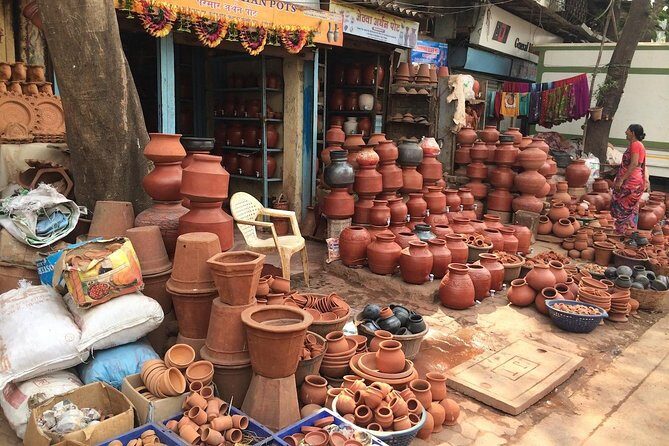
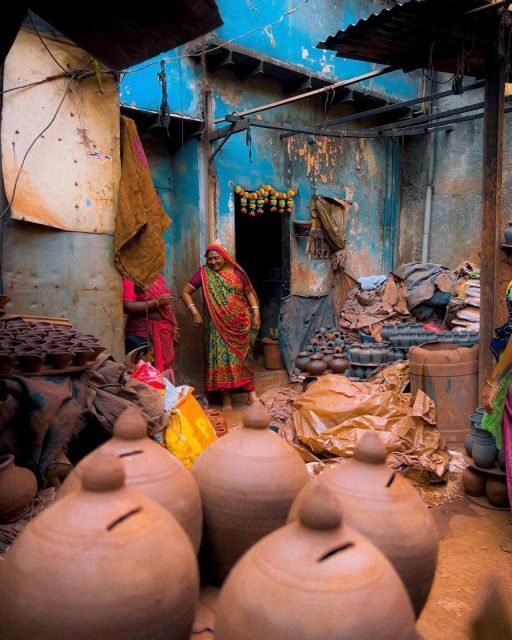
Here, the pace shifts. You’ll see rows of kilns, stacks of freshly molded pots drying in the sun, and artisans working clay with practiced hands. It’s quieter than the industrial streets, and that calm matters because it lets you appreciate craft without the constant “look at this” pressure.
You also learn about the community’s origin story—how potters came from Gujarat and helped build a lasting tradition inside the broader urban sprawl. The takeaway is not just that pottery happens here; it’s that tradition persists, even as the city around it changes.
What it’s like to walk with a local guide named Bala, Ravi, Abhishek, or Segidi
A big part of why this tour works is the guide. You’ll be with an English-speaking local who can explain the purpose behind what you see.
In the experience of past groups, guides such as Bala, Ravi, Abhishek, and Segidi come up with consistently strong reviews for clarity, communication, and safe group management. You’ll likely get help navigating streets and crossing safely, and you’ll have chances to ask questions instead of guessing.
One more small detail that matters: some guides have gone the extra mile to make sure you’re not stranded at the end of the tour. If you’re traveling on your own and using a ride app, that reassurance can be real value.
How the 2 hours feel (and how to make them comfortable)
This is a 2-hour walking tour inside Dharavi. That timing is short enough to be doable, but long enough for your eyes and brain to adjust.
To get the best out of it:
- keep your energy for listening
- plan for sun and outdoor air
- dress modestly out of respect for the community
You’ll be walking through narrow, uneven lanes, so comfortable shoes are not optional. The tour also suggests bringing a scarf and closed-toe shoes, plus water, sunscreen, and a hat if needed.
Also, the group stays small. That makes it easier to ask questions and to move at a pace that’s realistic for the space.
Price and value: why $7 is a serious deal
At $7 per person, this tour is one of those prices that looks almost too small for what you’re getting. But the value isn’t just the guide and the walk—it’s the access to daily life with context.
You’re paying for:
- an English-speaking guide
- packaged water if needed
- a focused route that moves from industry to homes to Kumbharwada
- an experience built around respect and education, not a checklist
Because it’s small-group, the guide can tailor explanations and keep the flow safe. For many budgets, the price makes it possible to learn more about Mumbai’s real economy without spending a fortune on transportation or “viewpoint” style tours.
Who should book this tour (and who should skip it)
This is a great fit if you:
- want an honest look at how people live and work
- like practical explanations (how things get made, recycled, and sold)
- are comfortable walking and listening more than taking photos
It’s not a fit if you need wheelchair access or have mobility limits, respiratory issues, or visual impairments. The route includes narrow, uneven lanes and outdoor exposure, so you’d be fighting the environment the whole time.
If you’re sensitive to social stress or uncomfortable with close-up human realities, this tour can still work—but you’ll need to go in with the right mindset: empathy, patience, and permission-based photography.
Should you book Dharavi: Daily Life inside Asia’s Largest Slum?
I think you should book if you want to understand Dharavi as a working neighborhood, not a headline. The combination of plastic recycling, family-run production, residential stories, Dhobi Ghat laundry, and ending in Kumbharwada potters gives you a full picture of day-to-day life and local craft.
Skip it if mobility or health limits make walking stressful. And if you hate walking and prefer scenic stops, this won’t be your vibe. This tour is for people who want to listen, learn, and show respect while they move through real places where people continue their day.
FAQ
How long is the Dharavi walking tour?
It’s a 2-hour walking tour through Dharavi, ending back at the meeting point.
Where does the tour start and end?
The tour starts outside Third Wave Coffee and ends back at the same meeting point.
What’s the cost, and what’s included?
The price is $7 per person. It includes an English speaking guide and packaged water if needed.
What will I see during the walk?
You’ll walk through Dharavi’s industrial area, then a residential area, and you’ll also visit Kumbharwada (the potters’ colony). Dhobi Ghat is part of the tour highlights, focusing on the open-air laundry.
Is photography allowed?
Photography is allowed, but you should ask permission before photographing people.
What should I bring for the tour?
Bring comfortable shoes, comfortable clothes, a scarf, and closed-toe shoes. The tour also recommends water, sunscreen, and a hat if needed.
Is it wheelchair accessible or suitable for mobility issues?
No. The tour is not suitable for wheelchair users and is not suitable for people with mobility impairments, and it also isn’t suitable for people with respiratory issues or visual impairments.