REVIEW · MUMBAI
Cultural & Heritage Tour Of Mumbai 01 Day
Book on Viator →Operated by TRAVEL ASTU PRIVATE LIMITED · Bookable on Viator
Mumbai moves fast, and this tour matches it. In one day, you get a guided sweep through key heritage sights in India’s commercial hub, plus the comfort of private air-conditioned transport and a chance to ask questions as you go. I like how the day is structured around big visual anchors, then your guide ties them together with culture and history in plain language.
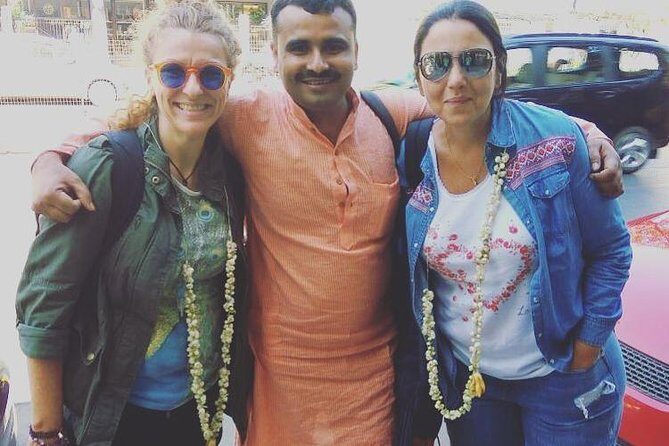
Two things I really like: you’re treated to a private tour for your party only, and the schedule includes unlimited mineral water so you’re not constantly hunting for refills. One more plus: in past trips arranged by TravelAstu, guides such as Laxman and Jay have been specifically mentioned for being attentive, helpful, and easy to work with.
The main drawback to consider is the pace. With an ~8-hour route that hits many landmark stops, you may get the highlight version of each place rather than lingering forever in any one spot.
In This Review
- Key Things That Make This Mumbai Day Tour Worth It
- Private Pickup to Landmark Route: How the Day Actually Feels
- Prince of Wales Museum Start: A Strong First Anchor
- Mumbai Fort and Marine Drive: Seeing the City’s Layers in Streets and Style
- Gateway of India and Flora Fountain: Big Monuments at Human Scale
- Chhatrapati Shivaji Terminus, Rajabai Clock Tower, and the High Court’s Architectural Punch
- Dhobi Ghat: Why This Traditional Laundry Stop Is So Memorable
- Price and Time: Is $75 Good Value for an 8-Hour Mumbai Day?
- Should You Book This Mumbai Cultural & Heritage Tour?
- FAQ
- How long is the Mumbai Cultural & Heritage Tour?
- Is this tour private?
- What transport is included?
- Is mineral water included?
- Do I need a passport?
- Can I cancel and get a refund?
Key Things That Make This Mumbai Day Tour Worth It
- Private round-trip car with air-conditioning so you’re not mixing with random strangers or sweating through transit
- A dedicated guide who can answer questions as you move between neighborhoods
- Unlimited mineral water included, which matters in a long city day
- Major heritage hits in one sweep, from Gateway of India to Chhatrapati Shivaji Terminus
- Dhobi Ghat on the list, a rare look at Mumbai’s traditional laundry system
- Mobile ticket for easier on-the-day logistics
Private Pickup to Landmark Route: How the Day Actually Feels
Your day starts with an easy handoff. You’ll meet a TRAVELASTU representative either at the airport or from your address, then you’re on your way in a private, air-conditioned vehicle. It’s a nice setup because Mumbai traffic can be unpredictable, and a pre-planned route means you’re not negotiating your way between stops right out of the gate.
Once you’re moving, the experience shifts from transportation to storytelling. Your guide isn’t just driving you to photo stops. The goal is to help you understand what you’re looking at: the culture, the historical layers, and how Mumbai’s “golden period” and colonial-era architecture sit alongside everyday life.
A few practical details make a difference. You get a mobile ticket, so you’re not scrambling with printouts. You also get unlimited mineral water, which keeps you focused on the streets instead of your thirst. And because it’s a private tour, you can set the rhythm—ask questions, pause when something catches your eye, and move at your own pace within the day.
If you’re sensitive to crowd flow or you just don’t enjoy long waits, I’d treat the morning as your friend. One helpful clue from prior tours is that Mumbai traffic gets rougher later in the day, so getting the first wave of sights handled early can save you time and stress.
You can also read our reviews of more historical tours in Mumbai


Prince of Wales Museum Start: A Strong First Anchor
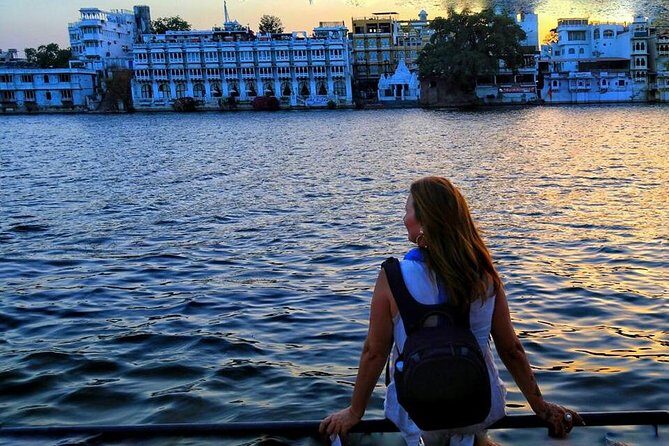
The tour begins with a stop at the Prince of Wales Museum. Even without turning this into a museum marathon, starting here works as a “culture warm-up.” You’re not yet zigzagging through the most complex city traffic zones—you’re letting your guide set the frame for the day.
Think of this first stop as your mental map. Your guide uses the museum stop to help you connect what you’ll see later—monuments, institutions, and architectural styles—with the bigger story of Mumbai’s identity. It also helps that you’re starting the day fresh: less exhaustion, more attention, and a better chance to ask questions before the route gets busy.
Because the tour description doesn’t spell out exact timing inside the museum, plan for the idea that this is a highlight-focused start, not a long self-guided research trip. If you want museum time to stretch longer than what fits in an 8-hour day, you can always plan a return later on your own.
Mumbai Fort and Marine Drive: Seeing the City’s Layers in Streets and Style
After the museum, you head into areas tied to Mumbai’s older identity, starting with Mumbai Fort. This area north of Colaba is named for the old British fort that used to be located there. The payoff here is visual: you’ll see impressive buildings associated with Mumbai’s golden period, and your guide can point out how colonial-era structures shape the way the city reads today.
Then you move to Marine Drive, one of Mumbai’s best-known thoroughfares. This isn’t just a scenic stop. It’s tied to a specific historical fact: Marine Drive was built in the 1920s and 30s on land reclaimed from the sea. That detail changes how you look at it. It’s no longer just a famous promenade—it’s evidence of how Mumbai expanded, engineered, and reworked its coastline.
Why I like this pairing (Mumbai Fort + Marine Drive) is that it gives you contrast. Mumbai Fort points toward old institutional power and architecture; Marine Drive shows modern city-building and transformation. Between them, you get a stronger sense of how Mumbai became what it is: a place that keeps remaking itself.
Gateway of India and Flora Fountain: Big Monuments at Human Scale
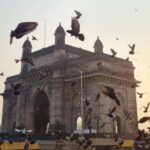
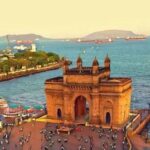
Next up is the Gateway of India, described as Mumbai’s principal landmark—an enormous archway at the water’s edge at Apollo Bunder. The tour also gives you the origin story, which matters because it stops the visit from being purely visual. The monument was built to commemorate the visit of the first British monarch, King George V and Queen Mary, in 1911.
This is one of those stops where your guide’s commentary can turn the experience from sightseeing into understanding. If you’re curious about how symbols get placed in public spaces, this is exactly the kind of monument that teaches you that lesson.
After that, you’ll hit Flora Fountain / Hutama Chowk. The tour description gets very specific here, which is great for your imagination while you’re standing there. The fountain was erected in 1869 in honor of British Governor of Bombay Sir Bartle Frere. It marks a junction of five streets and is known as the Picadilly Circus of Mumbai. The fountain is decorated at its corners with mythological figures, and at the top sits a figure of the Roman Goddess of flowers.
I also like that this stop is about intersections, not just single buildings. It’s the kind of place where you can pause and feel how roads funnel movement through the city center—then watch people navigate that flow in real time.
Chhatrapati Shivaji Terminus, Rajabai Clock Tower, and the High Court’s Architectural Punch
One of the strongest value moments in the day is the cluster of landmark architecture around the older institutional areas.
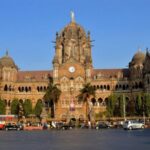
First, you’ll visit Victoria Terminus / Western Railway Station, now known as Chhatrapati Shivaji Terminus. The tour description lays out why it’s so important: it’s one of Mumbai’s prominent buildings and architecturally among the finest stations in the world. It blends Gothic and Indian influences, and it was completed in 1885. It was designed by F.W. Stevens, and work began in 1878. The building’s frontage is listed as over 15,00 feet (your guide can help interpret that figure on-site), and it’s described as an Italian gothic building.
Even if you’re not a “train station person,” this stop is worth your attention. Stations are where cities concentrate money, movement, and design. And since the tour gives you the style mix and dates, you’ll see more than a facade—you’ll recognize the planning choices behind it.
Then comes the Rajabai Clock Tower, located in the gardens of the Bombay University building. The tower rises above the library portion and has five elaborately decorated storeys. It’s listed at 280 ft tall. Again, this isn’t just about height; it’s about how these institutions visually dominate their surroundings. Stand there long enough and you’ll start to see the “family resemblance” between civic buildings in this part of Mumbai.
Right next to it is Mumbai High Court, described as early English Gothic in style, next to the Oval Ground. The tour also calls out statues representing Justice and Mercy on top of the central structure. That detail helps you read the symbolism. This is civic architecture designed to project moral authority—not just administrative function.
If you’re the kind of traveler who enjoys buildings as clues, this section is a highlight. It’s also a practical break in the day: you’re not jumping between unrelated stops. The tour keeps you in one architectural zone long enough to notice patterns.





Dhobi Ghat: Why This Traditional Laundry Stop Is So Memorable
After the grand buildings, the route takes a turn toward everyday systems with Dhobi Ghat. This is one of Mumbai’s unique features on the itinerary. The tour description explains the idea plainly: a traditional laundryman, or dhobi, collects your dirty linen, washes it, and returns it neatly pressed to your doorstep for a small cost.
The “ghats” are described as row upon row of concrete wash pens, each fitted with its own flogging stone. That’s a very specific visual image. It also gives context for the scale of what you’re watching. Dhobi Ghat isn’t a museum exhibit of laundry—it’s the working version of a whole city habit.
Why I think this stop works in a heritage tour is that it adds a human layer. The earlier sights are about monuments and institutions. Dhobi Ghat is about how people live, maintain routines, and keep the city running. If you like authentic, practical culture—less about ceremony, more about real daily life—this is the section that often lands hardest.
As with any working area, you’ll want to be respectful with how you look and take photos. The goal here is understanding, not turning someone’s workplace into a spectacle.
Price and Time: Is $75 Good Value for an 8-Hour Mumbai Day?
At $75 per person for an ~8-hour tour, the value depends on what you’d otherwise spend to piece together the day yourself.
Here’s what you’re effectively buying:
- Private round-trip transportation with air-conditioning, not shared public transit
- A dedicated guide to connect stops and answer questions
- Unlimited mineral water, which saves money and time on small purchases
- A structured, one-day pass through major Mumbai heritage landmarks, reducing guesswork
For many people, the biggest hidden cost of DIY sightseeing in Mumbai is time lost to transit and coordination—especially if you’re moving between far-flung points. This tour compresses the day into one route with a car and guide ready to handle the transitions.
Also, the tour notes group discounts and provides a mobile ticket, which are both small but real conveniences when you’re traveling as a couple, a family group, or a small group of friends.
One more value angle: private tours are often easiest for solo travelers who want a sense of safety and local guidance without constantly switching plans. In prior TravelAstu experiences, solo travelers specifically praised the service as super safe and attentive to their needs—this kind of practical support is a big part of why a private heritage day can feel worth it.
Should You Book This Mumbai Cultural & Heritage Tour?
Book it if you want a high-impact first day in Mumbai. This tour is ideal when you:
- Want major heritage landmarks in one day
- Prefer private AC transport over public transit wrangling
- Like guided context, not just standing in front of buildings and hoping you understand them
- Value practical inclusions like unlimited mineral water
Skip (or add extra time) if you’re the kind of traveler who plans to spend hours inside museums or wants deep neighborhood wandering beyond the listed stops. This day is built for coverage, so you may need a second trip to slow down and go deeper on your favorite site.
If you’re deciding today, my rule of thumb is simple: if your priority is seeing the key Mumbai heritage landmarks without stressing about logistics, this tour is a strong match for your budget and your schedule.
FAQ
How long is the Mumbai Cultural & Heritage Tour?
The tour runs for about 8 hours (approx.).
Is this tour private?
Yes. It’s a private tour/activity, and only your group will participate.
What transport is included?
You get private round-trip transportation with air-conditioning.
Is mineral water included?
Yes. The tour includes unlimited mineral water.
Do I need a passport?
Yes. A current valid passport is required on the day of travel.
Can I cancel and get a refund?
Yes. Free cancellation is available. You can cancel up to 24 hours in advance of the experience for a full refund.