REVIEW · NEW DELHI
Exclusive North India with Varanasi (Delhi-Jaipur-Agra-Orcha-Kamasutra Temple)
Book on Viator →Operated by Incredible Real India Tours · Bookable on Viator
Varanasi changes the whole trip. This private North India route pairs big-name sites with quieter spiritual moments, then handles the heavy logistics with an air-conditioned car and on-the-ground English-speaking guides. I especially like the practical comfort of the drive (AC, WiFi, mineral water) and the way Varanasi includes private boat time around sunrise and sunset. One drawback: some major attractions have entry fees not included, so you’ll want cash/card ready for Taj Mahal and Khajuraho temple tickets.
You also need to be okay with how the schedule works: you’re traveling between cities every day or two, and there’s no built-in flexibility once you lock the dates. If you’re strict about museum-style timelines, plan for a trip that’s more “move with the day” than “linger forever,” especially around the night train segment.
In This Review
- Quick hits you’ll care about
- How this North India loop really runs day to day
- Delhi pickup, Qutub Minar, and getting oriented fast
- Taj Mahal in Agra: the ticket cost you should plan for
- Khajuraho and the Kamasutra Temple focus
- Jaipur and Amber Fort elephant safari (when available)
- Orchha: history between the bigger cities
- Varanasi along the Ganges: sunrise, sunset, and Kashi Vishwanath
- Night train and the Varanasi-to-Delhi flight: comfort without the chaos
- Value for $2,200: what’s included (and what you still pay)
- What makes the guides and drivers a real part of the experience
- Small frictions to plan for (so they don’t annoy you)
- Who should book this tour, and who might not love it
- Should you book this North India tour with Varanasi?
- FAQ
- How do airport transfers work on this tour?
- Are entry tickets included for every attraction?
- Does the tour include boat rides in Varanasi?
- Is the Amber Fort elephant safari guaranteed?
- What are the included transportation options between cities?
- What meals and drinks are included?
Quick hits you’ll care about
- AC car + WiFi + mineral water for long transfers and easier stomach management
- Private sunrise/sunset boat rides in Varanasi on your own schedule window
- Night train (A/C sleeper) from Khajuraho to Varanasi, plus a flight from Varanasi back to Delhi
- Amber Fort elephant safari included when available (not guaranteed by the itinerary)
- English-speaking driver and city guides to smooth timing, tickets, and navigation
- Taj Mahal and Khajuraho temple entry not included, so budget separately
How this North India loop really runs day to day
This tour is built around a simple idea: cover a lot of ground without making you handle the nuts and bolts. You get pickup at Delhi’s airport, then a comfortable vehicle stays with you while you hop between Delhi, Jaipur, Agra, Khajuraho, Orchha, and Varanasi. That matters in India, where the difference between a smooth transfer and a stressful one can be huge.
The pace is “tight but doable.” You won’t just check boxes; you’ll also get moments that feel less like sightseeing and more like being present—especially on the Ganges in Varanasi. I also like that breakfast is included, so your mornings start with one less decision.
The route also mixes transport styles on purpose. You’ll do daytime road travel, then switch to an A/C sleeper train for the Khajuraho-to-Varanasi push, and finish with a flight back to Delhi. It’s a clever way to save time while still giving you the experience of overnight travel.
You can also read our reviews of more tours and experiences in New Delhi.



Delhi pickup, Qutub Minar, and getting oriented fast
Delhi starts with a proper arrival setup: you’re met at Indira Gandhi International Airport with a signboard under your name, then transferred to your hotel. If you arrive early, you may be able to explore more of the city depending on your preference. That’s helpful when you’re fighting jet lag; you don’t lose the first day to logistics.
One of the first cultural anchors is Qutub Minar in the Mehrauli area, part of the UNESCO World Heritage Qutub complex. The tour schedule lists admission as free for this stop, which is a nice win because it keeps the first days from feeling like nonstop paid entry gates. Even if you’ve seen photos before, Qutub Minar’s height and the surrounding ruins give you a real sense of Delhi’s layered past.
Tip for your day-one mindset: in Delhi, early movement helps. Start with one “big” site like Qutub Minar, then leave the rest of the city for later, when you have your bearings.
Taj Mahal in Agra: the ticket cost you should plan for
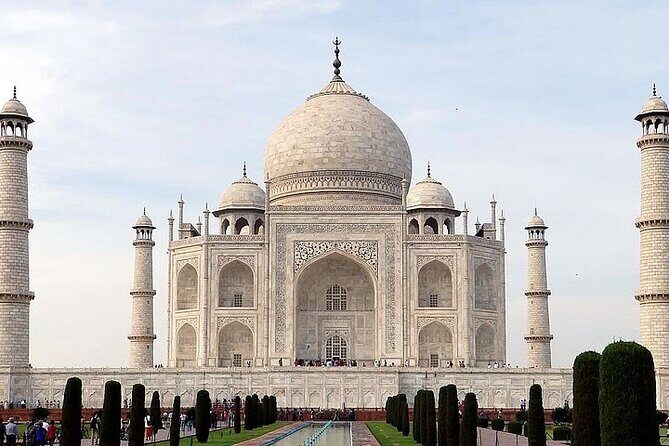
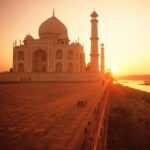
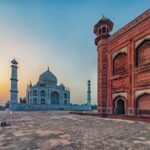
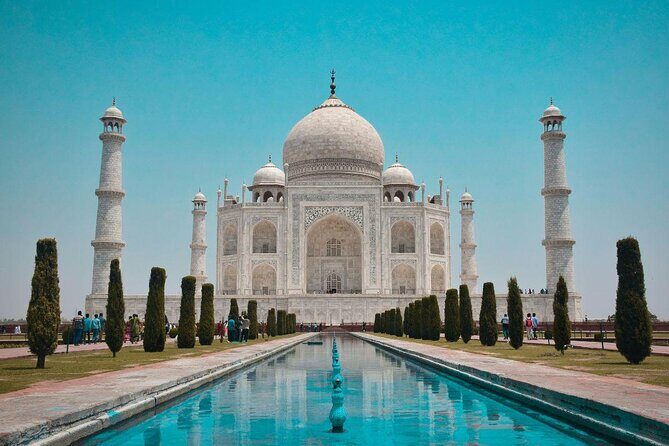
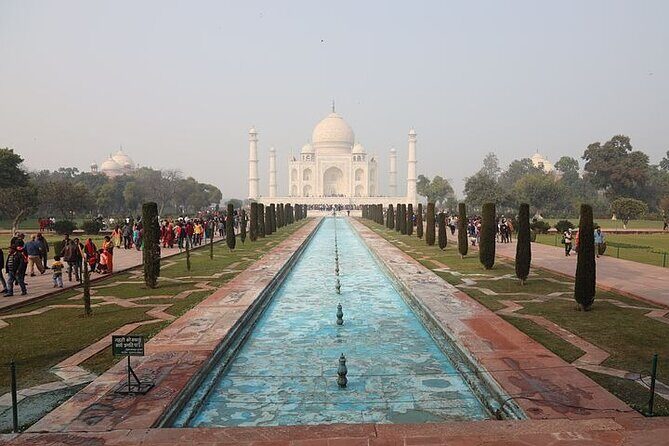
Taj Mahal is the headline you’re paying to see, and this package doesn’t hide the reality: Taj Mahal admission is not included. That means the tour can handle timing and guidance, but you should budget for the entry fee yourself.
What you get from guided access is less guesswork about when to go and how to handle the crowd flow. The Taj Mahal is one of those places where the experience changes with your position and timing—so having an English-speaking guide can help you focus on what matters instead of wandering.
The value here isn’t only the monument. It’s the way the tour uses Taj Mahal as a transition point: you go from Delhi’s historical complexity to Agra’s Mughal masterpiece scale, then onward toward Khajuraho and the temples. That makes the trip feel like a connected story, not a series of isolated stops.
Khajuraho and the Kamasutra Temple focus
Khajuraho is where the trip turns from palaces and mausoleums to temple architecture and sculpture. The schedule highlights the Khajuraho Group of Monuments and points specifically to the famous erotic sculpture tradition linked to the Kamasutra theme.
Just like Taj Mahal, Khajuraho temple admission is not included. So if you want everything to feel effortless, make sure you’ve set aside that cost early in the trip.
What I think is smart about including Khajuraho is the contrast. You’re not just collecting monuments; you’re seeing how different regions of North India express spirituality through different artistic styles. Even if the Kamasutra angle is what catches your eye first, the Nagara-style architecture and temple layout are what keep the visit lasting.
Jaipur and Amber Fort elephant safari (when available)
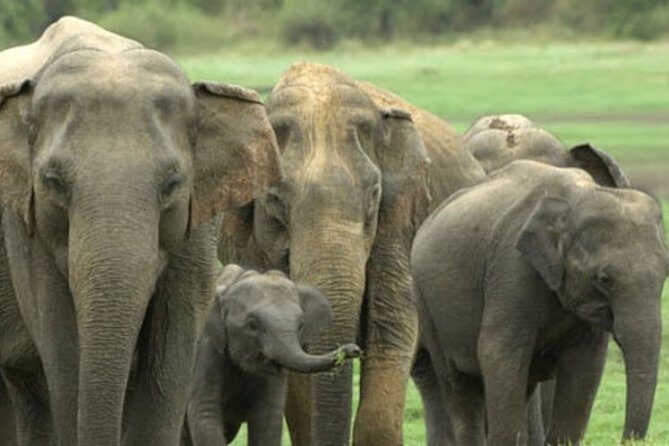
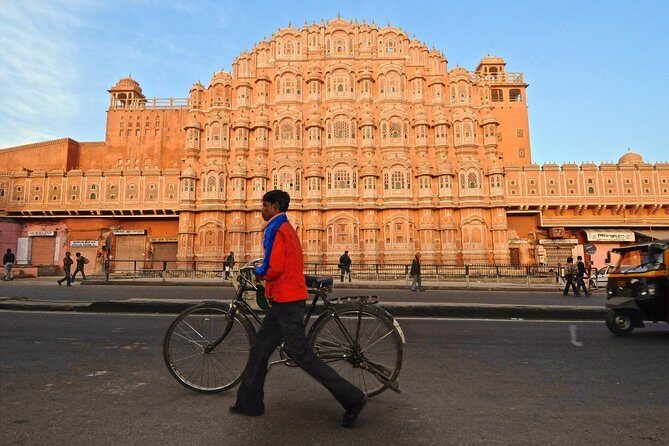
Jaipur earns the “Pink City” label for a reason, but the most memorable moment is often the time at Amber Fort. This tour includes an exciting elephant safari at Amber Fort, but it’s noted as subject to availability. Translation: expect it as part of the plan, but don’t plan your entire emotional day around it being guaranteed.
This is a good inclusion if you enjoy experiences that feel distinctive to the region. It’s also a reminder that in India, some “included” activities are controlled by on-site availability rather than the tour operator. If elephant riding isn’t your thing, you can treat it as optional and focus on the fort itself.
Where elephant safari helps the value: it’s a paid, special activity that many other trips either skip or sell as an add-on. Even with the availability note, having it included keeps Jaipur from feeling like only a photo stop.



Orchha: history between the bigger cities
Orchha is often the city people don’t talk about as loudly as Delhi or Agra, and that’s exactly why it works here. This package includes Orchha as one of the stops, which gives you a break from the biggest-tourist-city rhythm and places you closer to the everyday pace of central Indian towns.
Since the itinerary information you provided keeps Orchha lighter on specific descriptions, I’d treat it as a flexible cultural pause rather than a rigid “only one must-see thing” day. In a trip like this, that’s valuable. You’ll often remember the places where you can slow down and let your mind adjust.
Varanasi along the Ganges: sunrise, sunset, and Kashi Vishwanath
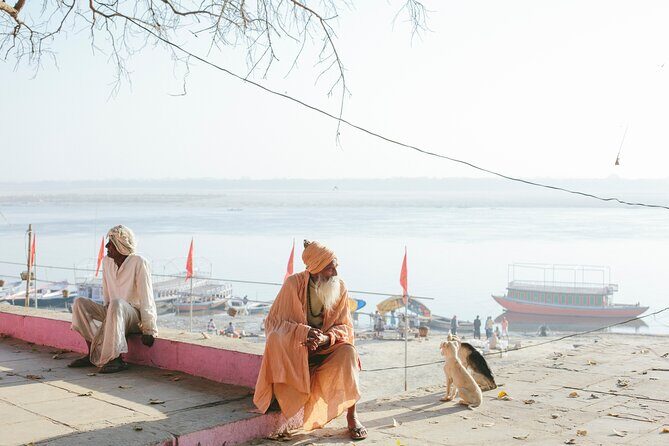
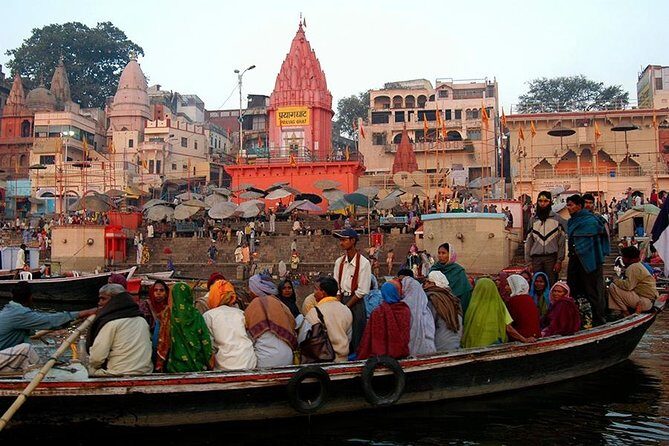
Varanasi is the emotional center of this itinerary. The tour focuses on walking along the shore of the Ganges and then adding two high-impact moments: a private boat ride at sunrise and another at sunset. Those time slots matter because the river changes hour to hour. Early light can soften the chaos and make the rituals feel closer and more human.
The itinerary also includes time at Kashi Vishwanath Mandir, one of the most important Shiva worship sites in India. The tour framing calls out its significance as one of the 12 Jyotirlingas, which is exactly why people take this place so seriously. Even if you’re not a regular temple visitor, you’ll feel how central it is to the city’s identity.
One practical advantage: the tour lists admission for the Varanasi Ganges walking segment as free, so you’re not stacking ticket costs on top of the emotional moments. You’re paying for the guides and the river experience, not the privilege of standing near the water.
My suggestion for Varanasi: pack for early mornings and changing light. Boat rides are beautiful, but you’ll want to be comfortable moving from river steps back into cooler temple corridors or city streets.
Night train and the Varanasi-to-Delhi flight: comfort without the chaos
A big part of the trip’s practicality is how it handles long-distance travel. Instead of forcing you to crisscross by day, the package includes a night train from Khajuraho to Varanasi in an A/C sleeper coach, then a flight from Varanasi to Delhi.
This combo is smart for two reasons. First, it reduces the amount of daytime sitting you have to do. Second, it lets you keep the trip’s overall pace without turning every transfer into a full-day ordeal.
What you’ll feel: the A/C sleeper means you’re not arriving into Varanasi completely depleted. Then the flight cuts down on the return leg, so your last day doesn’t get eaten by road travel. In short, the schedule tries to give you energy back.
Value for $2,200: what’s included (and what you still pay)
At $2,200 per person, this isn’t a “budget backpacker” trip. But you are not just buying admission tickets. You’re paying for a lot of operational work that’s hard to DIY across these cities.
Here’s what the price clearly supports from your included list:
- Airport and train station pickups and drops
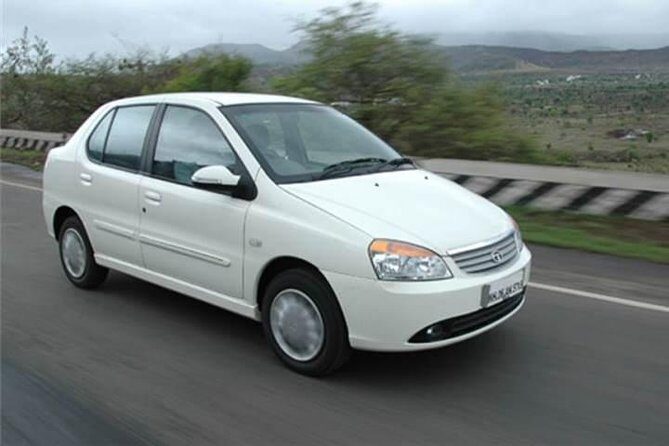
- A private A/C vehicle with WiFi that stays with you for the itinerary days
- Fuel, tolls, insurance, parking, and the driver’s needs (so you’re not stuck with random extra bills)
- English-speaking professional guides in each town
- Breakfast included
- Private boat rides at sunrise and sunset in Varanasi
- Night train in A/C sleeper and a flight back to Delhi
- Mineral water in the car
Now the honest part: you still need to pay for Taj Mahal admission and Khajuraho temple admission, and the itinerary lists lunch as not included. Alcohol and several extras like souvenir photos are also not included.
So the value math depends on how you normally travel. If you’d otherwise hire separate drivers, book trains with less support, and coordinate city guides city by city, the package starts looking more reasonable. If you plan to spend most of your time wandering without guides, you won’t use all the included value.
What makes the guides and drivers a real part of the experience
A tour like this stands or falls on people, not only places. Your included details call out a native English-speaking professional driver with good geographic knowledge and English-speaking professional city guides in each town. That’s not a small thing in North India, where timing and navigation can be tricky.
Your review snippets also point to how hands-on the team can be. Some clients mention working with people like Raju (for planning and support) and highlight drivers such as Bhanwar Singh and Subhass as punctual and professional. Others mention Devender and Rawat, plus a planner named Kalpana. I can’t promise who you’ll get, but the names show a consistent pattern: people in this team take logistics seriously and try to reduce friction for first-timers.
There’s also a practical note from the same provider communications: if visa steps are part of your planning, use the official Indian e-visa site at https://indianvisaonline.gov.in/visa/tvoa.html. It’s a good reminder because visa mistakes can become airport problems fast.
Small frictions to plan for (so they don’t annoy you)
Even good tours have friction points. Here are the main ones that show up in the included/not-included details:
- Attractions with entry fees not included: Taj Mahal and Khajuraho temples
- Lunch not included: you’ll pay for it on your own or through specified value-added options
- No alcohol included: you can buy it, but it’s not part of the package
- Souvenir photos and some extras cost extra
Then there’s the human side: in places like Varanasi, the sights are intense. The tour gives you a private boat and guide support, which helps a lot. Still, it’s a city where crowds and movement are part of the deal, so keep your expectations flexible.
Finally, your cancellation terms are strict: the experience is non-refundable and can’t be changed for any reason. So you’ll want to be sure about your dates before you book.
Who should book this tour, and who might not love it
This package suits you if you want:
- a private plan with a driver and guides
- a mix of iconic sites (Taj Mahal) plus spiritual intensity (Varanasi)
- fewer headaches with trains and flights
- comfort upgrades like AC, WiFi, and mineral water
You might want to think twice if:
- you hate paying separate entry fees on key days
- you want very free-form time with no structure at all
- you’re sensitive to travel days and prefer one city per week
If you’re traveling as a couple or small family and you value a smooth handoff between cities, this format often feels like the sweet spot.
Should you book this North India tour with Varanasi?
I’d recommend it if you want a clear, well-supported route through North India that doesn’t force you to micromanage transport. The combination of private car comfort, city guides, and the high-impact Varanasi river moments makes it more than a checklist trip.
But book only if you can accept the tradeoffs: separate admission fees for two major stops, lunch not included, and a schedule that moves. If those are fine, you’ll likely love how the journey connects Delhi’s historic monuments to Jaipur’s fort culture, then down into temple architecture at Khajuraho, and finally into the Ganges rituals in Varanasi.
If you want, tell me your travel month and whether you care most about monuments, temples, or food. I can help you decide what to prioritize so the trip feels like yours.
FAQ
How do airport transfers work on this tour?
You’re picked up from Indira Gandhi International Airport in New Delhi with a signed board under your name based on your arrival details, then taken to your hotel.
Are entry tickets included for every attraction?
Not all of them. The schedule lists admission as free for some stops, but Taj Mahal and the Khajuraho/Kamasutra temples admission are not included.
Does the tour include boat rides in Varanasi?
Yes. The package includes private boat rides on the Ganges at sunrise and at sunset during the Varanasi portion.
Is the Amber Fort elephant safari guaranteed?
It’s included, but it’s specifically noted as subject to availability, so you should treat it as included when possible rather than guaranteed.
What are the included transportation options between cities?
You’ll use a private air-conditioned car during the driving portions, take a night train in an A/C sleeper coach from Khajuraho to Varanasi, and fly from Varanasi to Delhi.
What meals and drinks are included?
Breakfast is included. Lunch and other drinks are not included, and alcoholic drinks are available to purchase. Mineral water is included in the car.