REVIEW · MUMBAI
2 Days Mumbai City tour with Elephanta Caves
Book on Viator →Operated by The Taj Wonder Tours · Bookable on Viator
Mumbai moves fast. This tour helps you tame the pace with hotel pickup and a private guide.
I especially like that day one strings together major Mumbai icons without making you second-guess routes: Banganga, Gateway of India, Mani Bhavan, Jain Temple, Chhatrapati Shivaji Terminus, Marine Drive, Dhobi Ghat, Hanging Gardens, and more, all in an air-conditioned car. I also love the human touch—Zaheed’s explanations and Daniel’s calm driving kept things on time, with enough flexibility to handle the day without feeling rushed.
One consideration: the monument entry fees aren’t included (₹1,000 per person mentioned), and meals aren’t included either, so you’ll want cash/UPI ready for tickets and a plan for lunch on both days—especially because day two is a long outing.
In This Review
- Key things I’d plan around before you go
- Price and Logistics: what $90 buys you (and what it doesn’t)
- Day 1 in Mumbai: a classic sampler of big-city contrasts
- Banganga: a spring-fed tank with old roots
- Flora Fountain: Roman goddess in colonial Mumbai
- Gateway of India: the sea-facing postcard icon
- Mani Bhavan Gandhi Museum: where Gandhi worked in Mumbai
- Jain Temple, Mumbai: carved stone and a painted dome
- Chhatrapati Shivaji Maharaj Terminus: UNESCO station energy
- Marine Drive: the promenade you can feel at night (even in daylight)
- Dhobi Ghat: Mumbai’s human-powered laundry scene
- Hanging Gardens: a tidy break with playful design
- Taj Mahal Palace (Taj Mahal Palace Hotel): heritage luxury by the sea
- Rajabai Clock Tower: Victorian campus presence
- Day 2: Elephanta Caves with a 9am catamaran
- What you should expect once you reach Elephanta
- Timing reality check
- The guide + driver factor: why it matters more than you think
- How to get the most from short stops
- Who this tour is best for
- Quick FAQ for planning your Mumbai days
- FAQ
- What is the duration of the tour?
- How much does the tour cost?
- Is hotel pickup and drop-off included?
- Is there a guide, and is the guide in English?
- Are monument entry fees included?
- Are meals included?
- What ticket method is used?
- What time does the Elephanta Caves ferry leave?
- Is the tour private or shared?
- Can I cancel and get a full refund?
- Should you book this Mumbai + Elephanta combo?
Key things I’d plan around before you go
- Private English-speaking guide: you’ll get context as you move, not just a list of stops
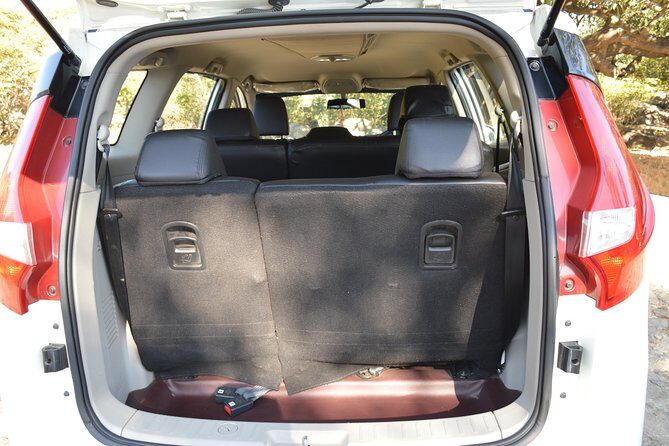
- Air-conditioned private transport + pickup: fewer logistics headaches in a sprawling city
- Optimized day-one schedule: many iconic sites packed into short visits
- Elephanta Caves at 9am: the catamaran timing shapes your whole day
- Tickets via mobile: easier entry flow for the city-side stops
- Budget for entry fees and meals: ₹1,000 per person plus food costs
Price and Logistics: what $90 buys you (and what it doesn’t)
At about $90 per person for a two-day city combo, the value comes from stress reduction. Mumbai is big, traffic can be unpredictable, and first-timers often lose time just figuring out transport and sequencing. Here, you’re paying for a private vehicle, hotel pickup/drop-off, and a guide who keeps the schedule realistic.
The trade-off is simple: you still need to cover admissions and food. Monument entry fees are listed as ₹1,000 per person, and the tour does not include breakfast, lunch, or dinner. If you’re the type who likes to eat on the go, this is workable. If you prefer full meals planned in advance, you’ll want to budget extra time around lunch on day one and day two.
Also note the way the tour is run: it’s described as private, meaning only your group participates. That tends to make the pacing feel more controlled, because you’re not sharing your day with strangers’ slower stops.
You can also read our reviews of more city tours in Mumbai


Day 1 in Mumbai: a classic sampler of big-city contrasts
Day one is built like a highlight reel, with short, well-timed stops (often 15–30 minutes). That style works best when you use it as orientation. By the end of the day, you’ll understand where things are and what each area feels like—so you can make smarter choices later if you extend your trip.
Banganga: a spring-fed tank with old roots
You start at Banganga, a tank built in 1127 AD by Lakshman Prabhu, connected to the Silhara dynasty of Thane. The key detail here isn’t just age—it’s that the tank is spring fed, so the water stays fresh even though it’s surrounded by the city.
This stop is a breather before the more famous landmarks. It’s also a reminder that Mumbai isn’t only colonial and seaside. It’s layered.
Tip: if you want photos, aim for the calmer moments early. The tour’s timing (around 30 minutes) means you’ll want to move efficiently.
Flora Fountain: Roman goddess in colonial Mumbai
Next up is Flora Fountain, built in 1864 and dedicated to the Roman goddess Flora. It’s a quick photo stop, but it also sets the tone for what you’re about to see: Victorian-era public spaces that make parts of Mumbai look almost European—while still feeling thoroughly Indian.
This is one of those places where a short pause is enough. Don’t over-plan it.
Gateway of India: the sea-facing postcard icon
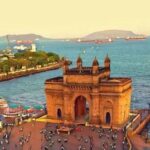
Then you hit the Gateway of India in the Colaba area, standing with its arches toward the Arabian Sea. It’s widely recognized as a city icon, and on a day like this it helps you snap into focus: you’re in the part of Mumbai where the old meets the modern shore.
You only get about 20 minutes. Use that time well—look outward toward the water first, then turn around and notice the movement of people and traffic around Apollo Bunder. That contrast is part of the experience.
A few more Mumbai tours and experiences worth a look


Mani Bhavan Gandhi Museum: where Gandhi worked in Mumbai
Mani Bhavan is a historical building and museum tied to Gandhi’s political activity in Mumbai between 1917 and 1934. It’s not just a monument you pass by—it’s a place that explains how ideas turned into action.
Admission here is not included, but the stop is still worth it because it adds meaning to the day. Think of it as your historical anchor before you move into architecture and working neighborhoods.
Jain Temple, Mumbai: carved stone and a painted dome
The Jain Temple stop focuses on detailed stone work and a dome painted with the zodiac. Even if you only spend around 30 minutes, the carvings give you something tangible to look at. This is one of the reasons a tour like this is more satisfying than doing random stops yourself: you get directed attention to specific features.
You’ll likely want to take a steady, unhurried look at the dome area before moving on.
Chhatrapati Shivaji Maharaj Terminus: UNESCO station energy
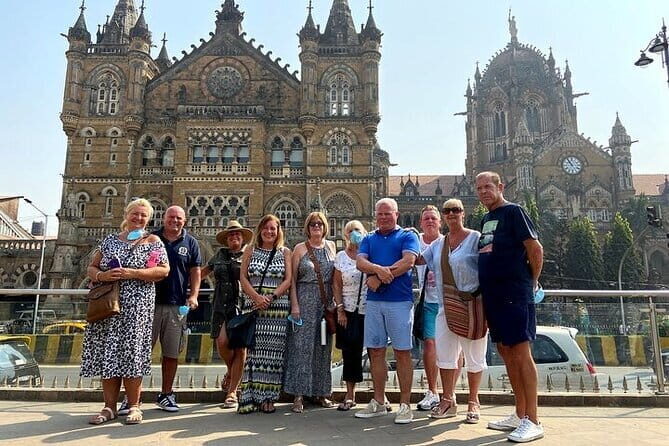
Next is Chhatrapati Shivaji Maharaj Terminus (formerly Victoria Terminus), a UNESCO World Heritage Site. It’s a historic railway station, but it’s also an architectural moment: grand, detailed, and clearly built to impress even as trains keep moving.
The visit is around 30 minutes. If you’re a train-spotter, you’ll enjoy this more than you expect. If not, still pause and look at the exterior details. Stations in India are never just transit—they’re social hubs.
Marine Drive: the promenade you can feel at night (even in daylight)
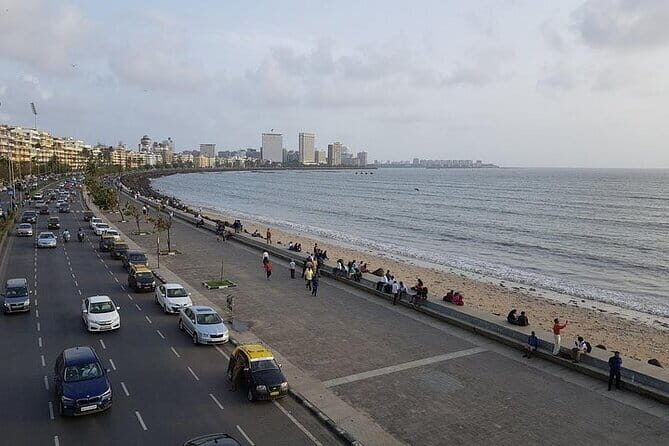
Marine Drive is a 3-kilometer promenade along Netaji Subhash Chandra Bose Road. It’s known for its “banana-shaped” sweep of road and for being a place people gather. Even with a short stop, you’ll see why it became a city favorite.
This part of the tour is about atmosphere. If you’re here later at night, it changes again, but for day one it still gives you the right vibe and orientation.
Dhobi Ghat: Mumbai’s human-powered laundry scene
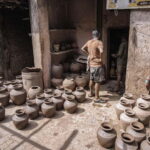
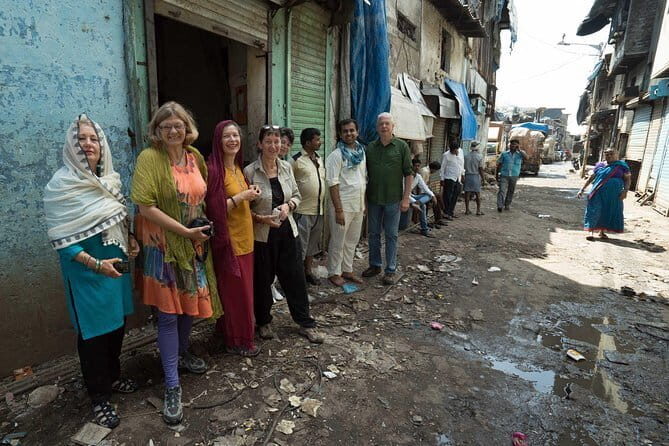
Dhobi Ghat is one of those stops you don’t forget. It’s a 140-year-old dhobi ghat where people wash clothes—essentially Mumbai’s biggest human-powered washing machine. You’ll see repeated motion at scale.
This is also a good place to practice respect. Don’t block people’s work. Look, take in the scene, and keep moving when your time is up.
Hanging Gardens: a tidy break with playful design
Hanging Gardens is described as carefully manicured, with pathways and unique features like a colorful flower clock and animal-shaped hedges. This stop is about recovery time—after concentrated sightseeing, you get a garden reset.
Admission is not included, but the stop duration is short. If you prefer lush spaces, you might want to linger a bit longer on your own after the tour day ends.
Taj Mahal Palace (Taj Mahal Palace Hotel): heritage luxury by the sea
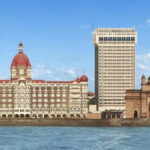
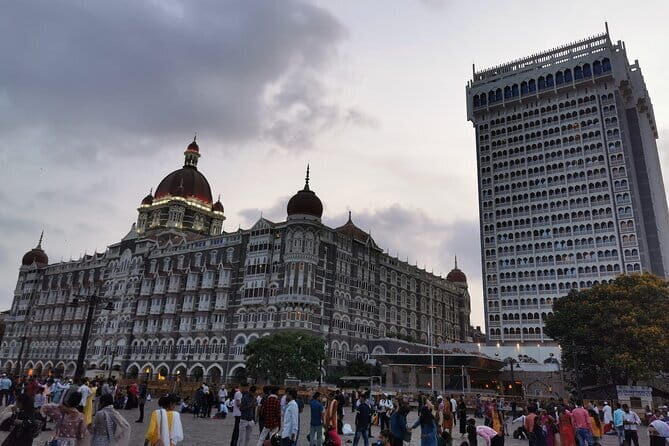
You also pass The Taj Mahal Palace Hotel, a five-star luxury property in Saracenic Revival style. The stop is brief (about 10 minutes), but it connects the day’s story: from working life and temples to colonial public spaces and high-end heritage.
Even if you don’t go inside, it’s worth understanding where this hotel sits in the city map—because it’s right by the water and near Colaba.
Rajabai Clock Tower: Victorian campus presence
Finally on day one: Rajabai Clock Tower, within the University of Mumbai campus, about 85 meters tall. It’s part of the Victorian and Art Deco ensemble, so it fits the day’s theme of architecture that shaped Mumbai’s identity.
The stop is only about 15 minutes, so keep your expectation realistic. This is a look-and-move moment.
Day 2: Elephanta Caves with a 9am catamaran
Day two is longer, and the whole experience depends on the morning ferry. You drive to the Gateway of India, then board a catamaran for Elephanta Caves. The boat is scheduled to leave at 0900, and the ride plus time on the island makes this a full half-day or more (around 6 hours mentioned).
The big practical win here is that you’re not negotiating with transport, tickets, and timing on your own. The tour handles the flow: guide, ferry timing, and the return plan.
What you should expect once you reach Elephanta
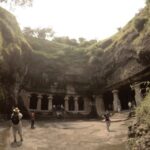
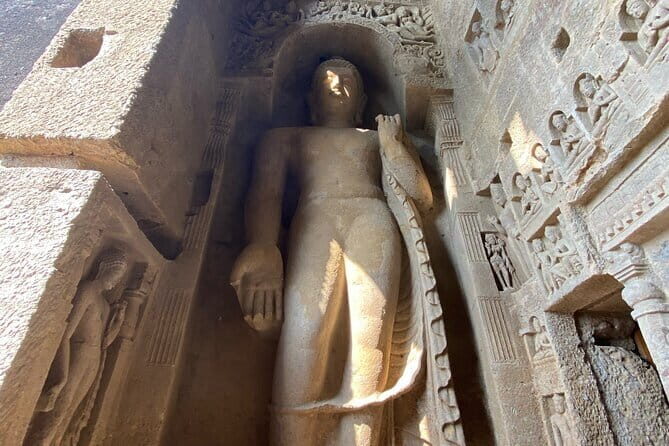
The Elephanta Caves are the star. Plan to walk with purpose. Your time isn’t infinite, so you want to pick out the major carvings and viewpoints you care about most, then circle back for details.
The tour includes an accompanied English-speaking guide, so even if your brain wants to skim, you’ll get guided interpretation—helpful for reading the carvings and understanding why people travel specifically for this site.
Timing reality check
Because you’re leaving at 9am, the day will feel structured. That’s a plus if you like efficient travel days. It’s less ideal if you want a slow start, because Mumbai mornings can get smoother, but you still need to be ready.
Also remember: lunch and Elephanta monument entry fees are not included. If you’re prone to snack stress, bring water and plan for a meal before or after the cave time, depending on what fits your schedule.
The guide + driver factor: why it matters more than you think

This tour’s reviews point to two roles that genuinely affect your day: Zaheed (explanations) and Daniel (driving and timing). That’s not random trivia. In a city like Mumbai, your guide’s job isn’t only storytelling—it’s helping you see the right thing at the right moment, and making sure the schedule works with real-world movement.
A good driver also changes how you feel during the day. When transport is smooth, you spend your mental energy on sights instead of navigation. Daniel’s role described as managing drop-offs and return timing points to that kind of reliability.
So if you’re choosing between doing Mumbai solo versus a structured tour, this is the deciding variable: you’re buying a managed experience, not just transportation.
How to get the most from short stops
Because day one is packed, you’ll enjoy it most if you treat each stop like a “window view.” You’re not expected to master the city in one day. You’re expected to get your bearings fast, so you can return to favorites later.
My practical approach for tours like this:
- Choose one or two stops you care about most, and let those be your photo priority.
- Keep your second-tier stops flexible. Enjoy them, but don’t stress about memorizing.
- Use downtime between stops to mentally map where you are (Colaba/harbor area for a lot of day one; then the Elephanta ferry point on day two).
If you follow that, the schedule feels like momentum instead of pressure.
Who this tour is best for
This is a strong match if:
- You’re short on time in Mumbai and want a “greatest hits” orientation.
- You prefer private, guided interpretation over self-guided wandering.
- You like architecture, public spaces, and a window into daily life (Dhobi Ghat is a big part of that).
It may not be ideal if you want:
- A relaxed, slow travel pace with long museum time.
- A food-focused itinerary (meals aren’t included).
- A day with all entrances already paid for (₹1,000 per person for monument entry fees is listed).
Quick FAQ for planning your Mumbai days
FAQ
What is the duration of the tour?
The tour is described as 2 days approximately. Day two (Elephanta Caves) is listed as 6 hours.
How much does the tour cost?
The price is listed as $90.00 per person.
Is hotel pickup and drop-off included?
Yes. Hotel pickup and drop-off are included, along with transport by private air-conditioned vehicle.
Is there a guide, and is the guide in English?
Yes. The tour includes a private English-speaking guide.
Are monument entry fees included?
No. Monument entry fees are not included, and ₹1,000.00 per person is listed.
Are meals included?
No. The tour does not include breakfast, lunch, or dinner.
What ticket method is used?
A mobile ticket is mentioned as part of the experience.
What time does the Elephanta Caves ferry leave?
The boat is scheduled to leave at 0900 hours from the Gateway of India.
Is the tour private or shared?
It’s described as private, meaning only your group will participate.
Can I cancel and get a full refund?
Yes, free cancellation is offered. You can cancel up to 24 hours in advance for a full refund.
Should you book this Mumbai + Elephanta combo?
If you want a smart first visit to Mumbai—big icons, working-life scenes, and a proper shot at Elephanta—this tour is easy to justify. The value isn’t in luxury; it’s in organization: pickup, air-conditioned transport, and a private guide that keeps the day moving while still making stops meaningful.
Book it if you’re comfortable paying monument fees (₹1,000 per person listed) and handling your own meals. Skip it if you’re chasing a slow, food-and-museum-heavy itinerary or you’d rather spend more time outside the fixed route.
If your goal is to get your bearings quickly and leave with a real sense of Mumbai’s shape and variety, this is a practical way to do it in two days.